VoyaBear


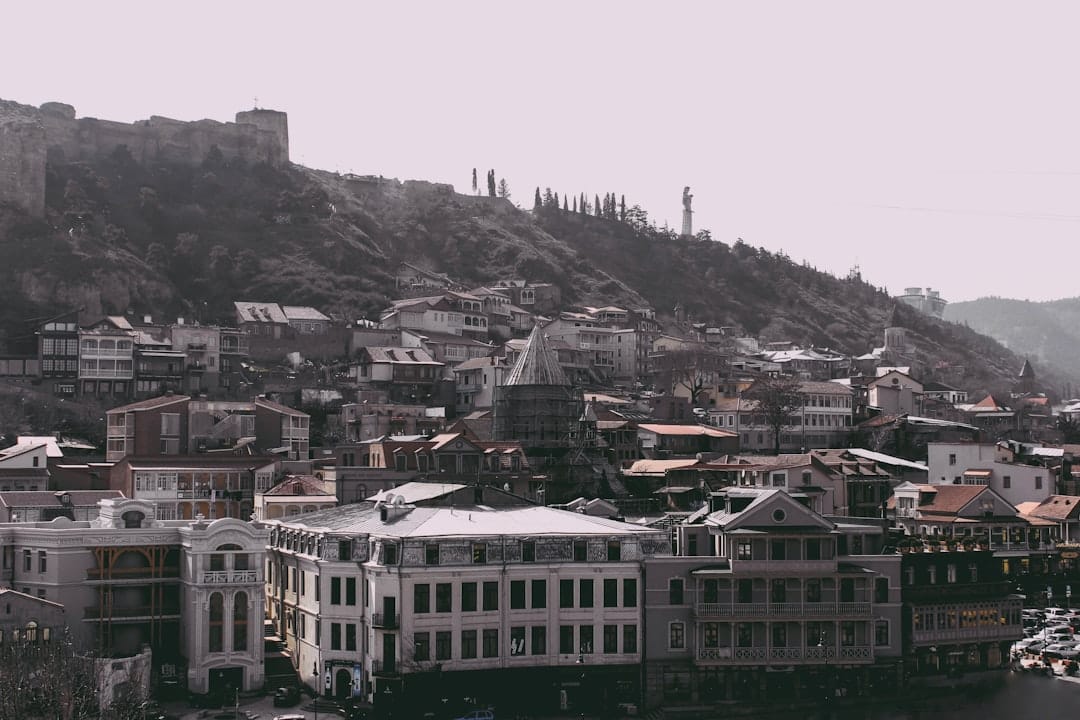
Valparaíso is a port city that refuses to sit on flat ground. Its center is a narrow strip along the harbor called El Plan, and everything else climbs — 42 hills, or cerros, stacked with corrugated-iron houses painted whatever color the owner had paint for. Before the Panama Canal opened in 1914, Valparaíso was the main stop for ships rounding Cape Horn, and the wealth of that era built the European-style mansions and financed the funiculars you still ride today; the canal ended the boom and froze the city in a kind of faded grandeur. Since 2003, the historic quarter has been a UNESCO World Heritage Site, and the case for coming in 2026 is simple: this is a place you navigate on foot and by 120-year-old funicular, where the street art is genuinely world-class rather than a marketing line, and where a plate of chorrillana the size of a hubcap costs less than a coffee back home. It is scruffy, steep, and occasionally exhausting, and that is exactly the point. Below is how to spend three days here without wasting them.
🎭 Essential Experiences
Valparaíso's attractions are mostly free or nearly so, and they reward walkers. Here are the seven worth building your days around, with what to actually do at each and how to skip the mistakes.
Ride the ascensores (the funiculars)
Valparaíso once had around 30 funicular elevators hauling residents up the hills; roughly half a dozen still run today, and they are both practical transport and the single most characterful thing you'll do here. Ascensor Concepción, opened in 1883, is the oldest still operating — it lifts you from Calle Prat in the port up to Paseo Gervasoni on Cerro Concepción in under a minute. Ascensor Reina Victoria (1902) drops you at Paseo Dimalow on Cerro Alegre, and Ascensor El Peral climbs from Plaza Sotomayor to the Palacio Baburizza. Rides cost between CLP 300 and 500 (about $0.35–0.55), cash only, paid at a booth at the bottom.
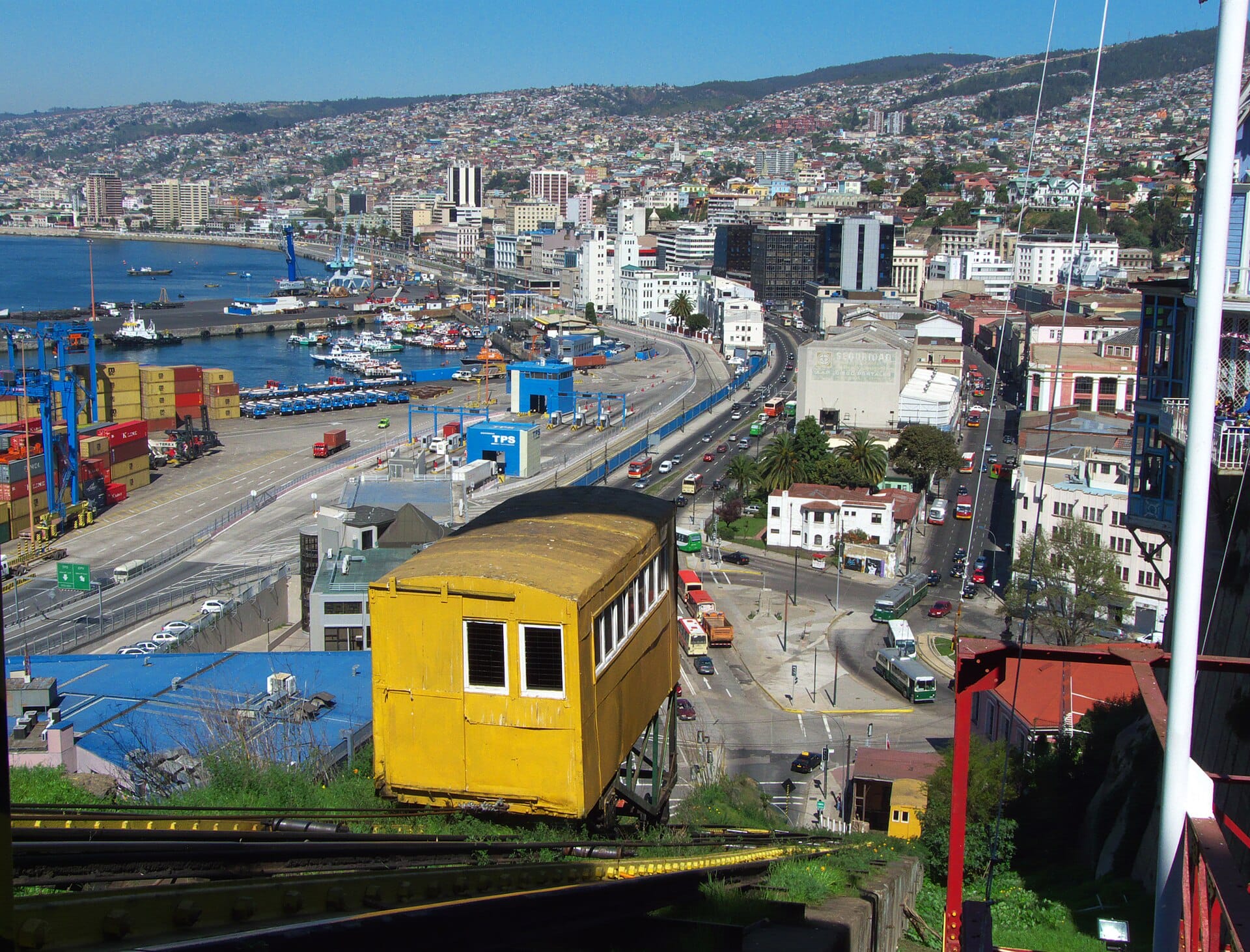
Insider tip: Take the ascensor up and walk down. The climb on foot is punishing and the descent through the alleys is where the good views and murals are. Don't stress about which one — they cost the same and each drops you into a different corner of the hills.
Wander Cerro Alegre and Cerro Concepción
These two adjacent hills are the heart of tourist Valparaíso, and for once the crowds are justified. The pedestrian promenades — Paseo Gervasoni, Paseo Atkinson, Paseo Yugoslavo — thread past pastel Victorian mansions built by 19th-century British and German merchants, most now boutique hotels, cafés, and galleries. Calle Almirante Montt and Calle Templeman are the spine, lined with tiled facades and the good restaurants.
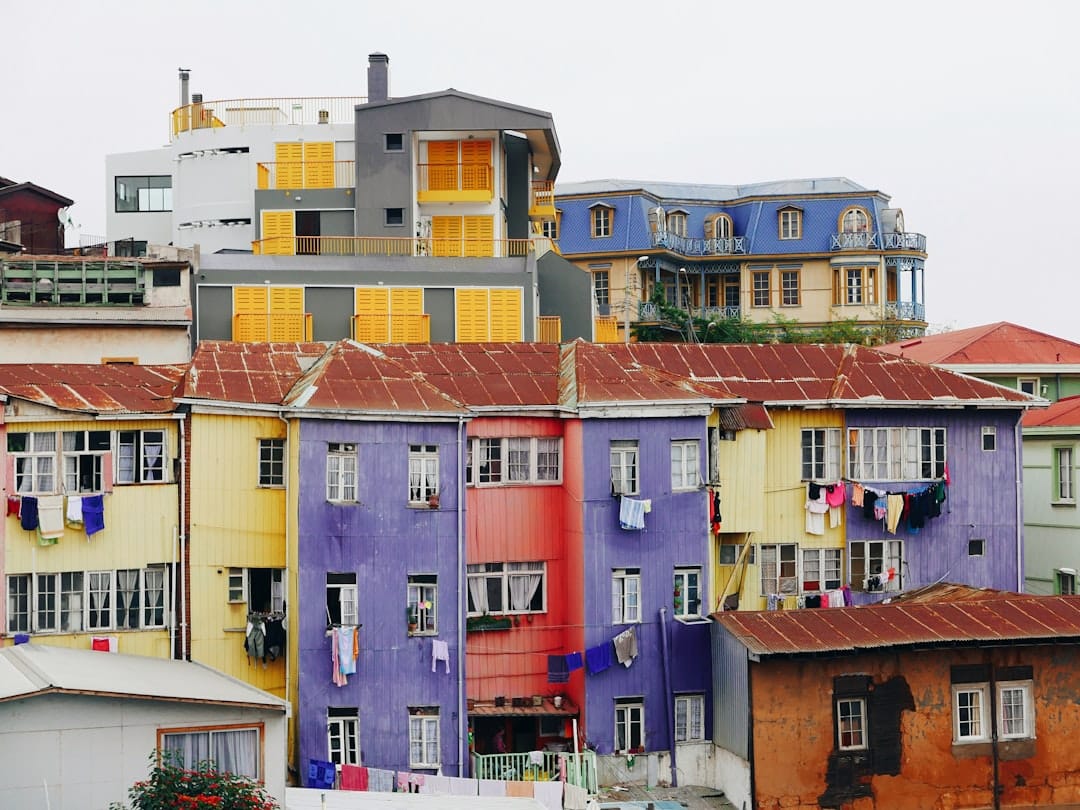
Insider tip: Get lost here deliberately, but do it before dark. These two hills are well-trafficked and safe by day; the connecting staircases down to El Plan are best avoided alone after nightfall. Bring shoes with grip — the cobbles and painted stairs get slick.
Museo a Cielo Abierto (Open-Air Museum)
On Cerro Bellavista, a set of 20 murals by prominent Chilean artists — a project of the Universidad Católica de Valparaíso, led by artist Francisco Méndez and formally inaugurated in 1992 — turned a residential hillside into a permanent open-air gallery. It's free, always open because it's just the neighborhood, and it sits a short walk below La Sebastiana, so you can pair the two on the same morning. The works have faded and been restored over the decades, which is part of the story rather than a flaw.
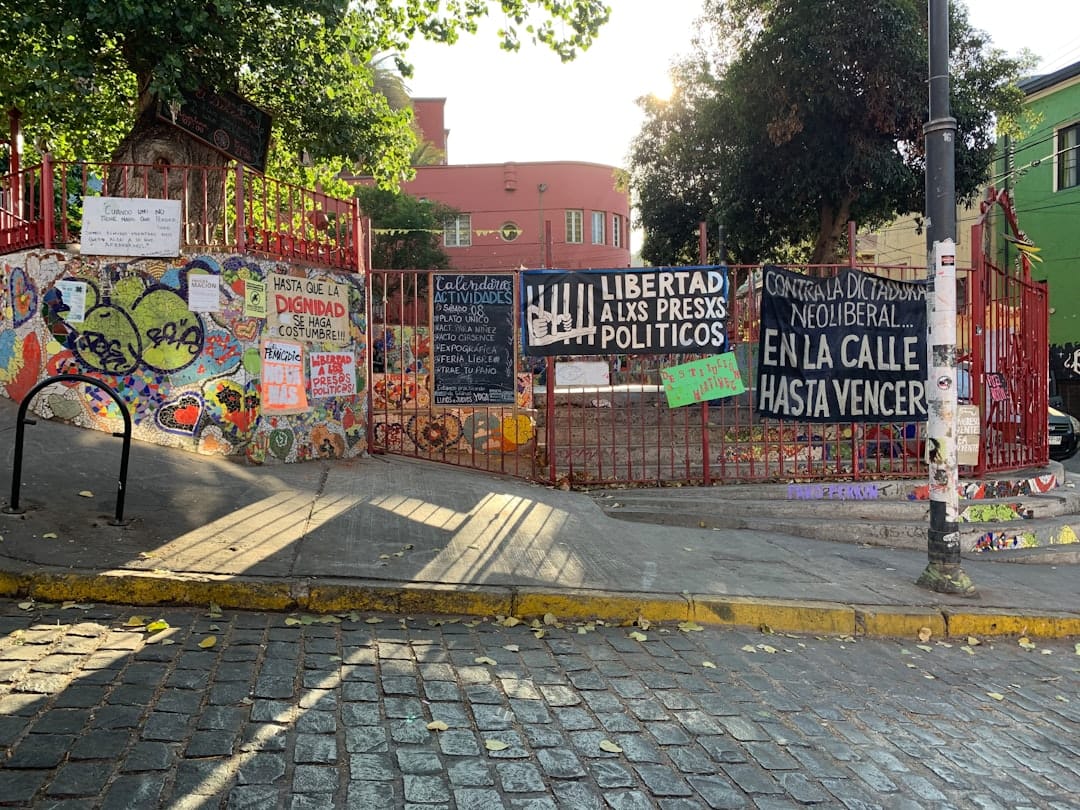
Insider tip: The Museo a Cielo Abierto is the famous one, but the best street art in the city isn't confined to it — Cerro Concepción, Cerro Alegre, and especially Cerro Polanco are covered in murals that rotate constantly. A guided street-art walk (CLP 15,000–25,000) is worth it if you want the context; otherwise just walk and look up.
La Sebastiana — Pablo Neruda's house
Poet Pablo Neruda kept three houses in Chile; this five-level one on Cerro Bellavista, which he named La Sebastiana, is the least visited and the best. He bought it partly for the view, and the top-floor study looks straight out over the harbor. Inside is the same magpie clutter as his other homes — ships' figureheads, a carousel horse, colored glass, a bar he mixed drinks behind. The self-guided audio route takes about 45 minutes.
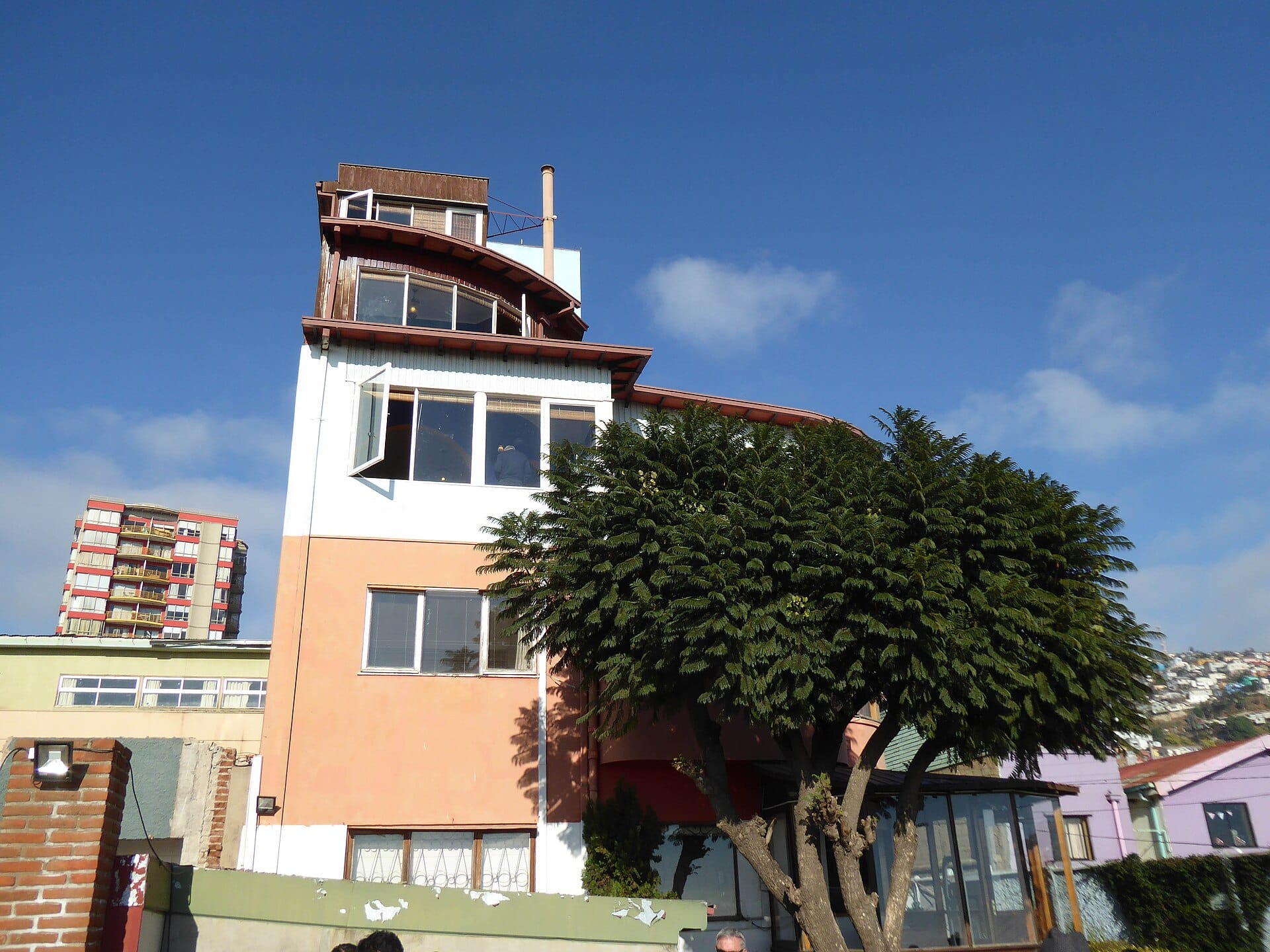
Cost & tip: General admission is CLP 7,000 (about $7.50/€6.50); students and over-60s pay CLP 2,500. It's open Tuesday to Sunday, roughly 10am to 6pm (until 7pm in January and February), and closed Mondays. Go right at opening — the small rooms clog fast with tour groups by late morning.
Paseo 21 de Mayo and Cerro Artillería
For the postcard view of the whole bay — the port cranes, the naval ships, the hills rising behind — head to Paseo 21 de Mayo on Cerro Artillería, reached by the Ascensor Artillería (1893) from Plaza Wheelwright. The promenade has cannon displays and, along it, the Museo Marítimo Nacional, the national maritime museum, if Chilean naval history is your thing.
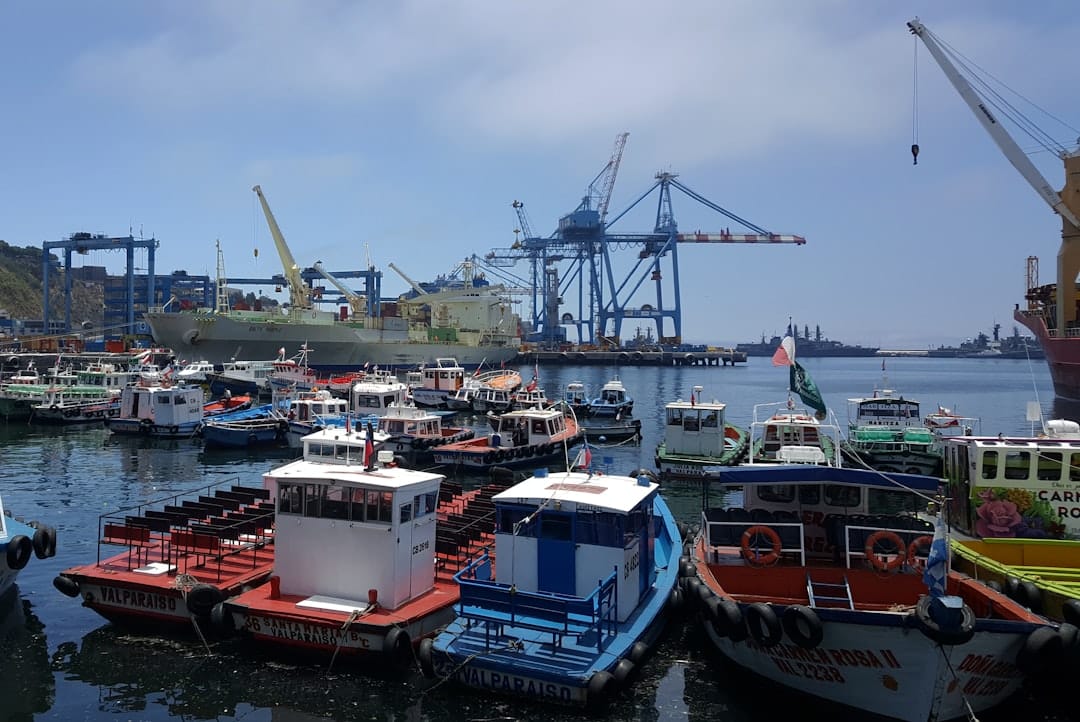
Insider tip: Come for sunset, when the light hits the hills, then take the funicular back down — the walk down Cerro Artillería after dark isn't recommended. The row of food and craft stalls along the paseo is fine for a snack but not for a real meal.
Plaza Sotomayor and the working port
Plaza Sotomayor is the city's grand civic square, flanked by the blue-domed headquarters of the Chilean Navy and centered on the Monument to the Heroes of Iquique, honoring the 1879 naval battle that Chileans still take very seriously. It's the flat, formal counterpoint to the chaotic hills. From the neighboring Muelle Prat you can take a 30–45 minute harbor boat tour among the container ships, sea lions, and navy vessels.
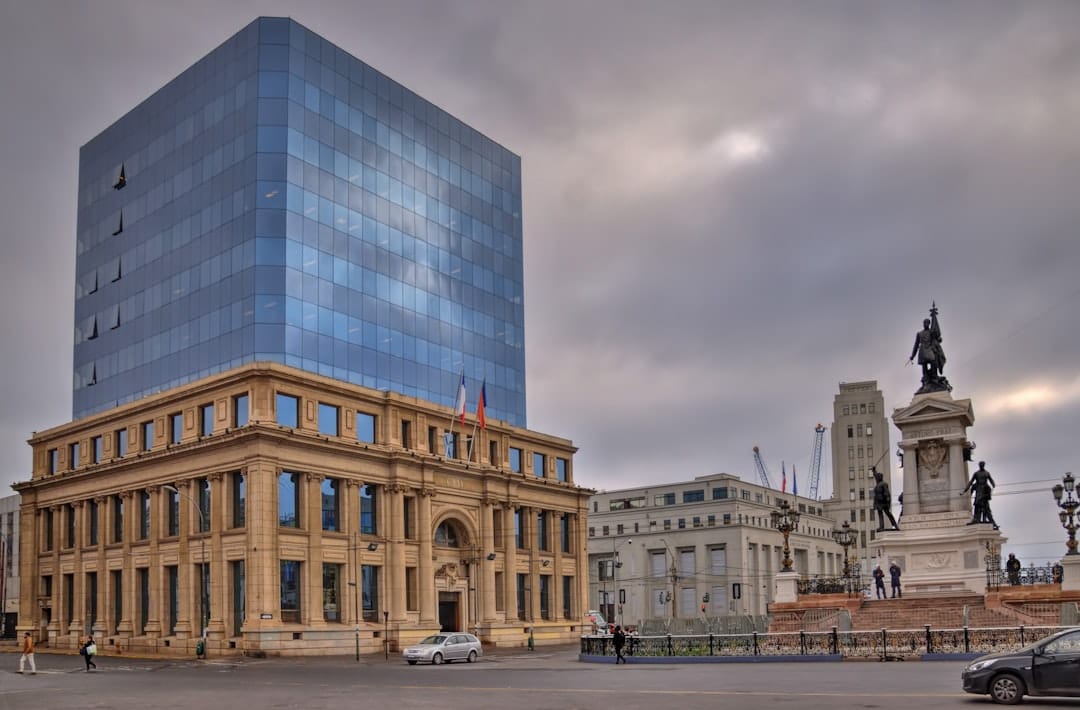
Cost & tip: Boat tours run from Muelle Prat for roughly CLP 5,000–8,000 per person; agree the price and route before you board and expect touts. Skip it if the water's rough — the small boats pitch hard.
Palacio Baburizza (Museo de Bellas Artes)
This Art Nouveau mansion on Paseo Yugoslavo, built in 1916 for a Croatian nitrate baron, now houses Valparaíso's municipal fine-arts museum. The building itself — all curved lines and stained glass — is half the reason to go; the collection leans toward European and Chilean painting, including port scenes of old Valparaíso. It's reached directly by the Ascensor El Peral.
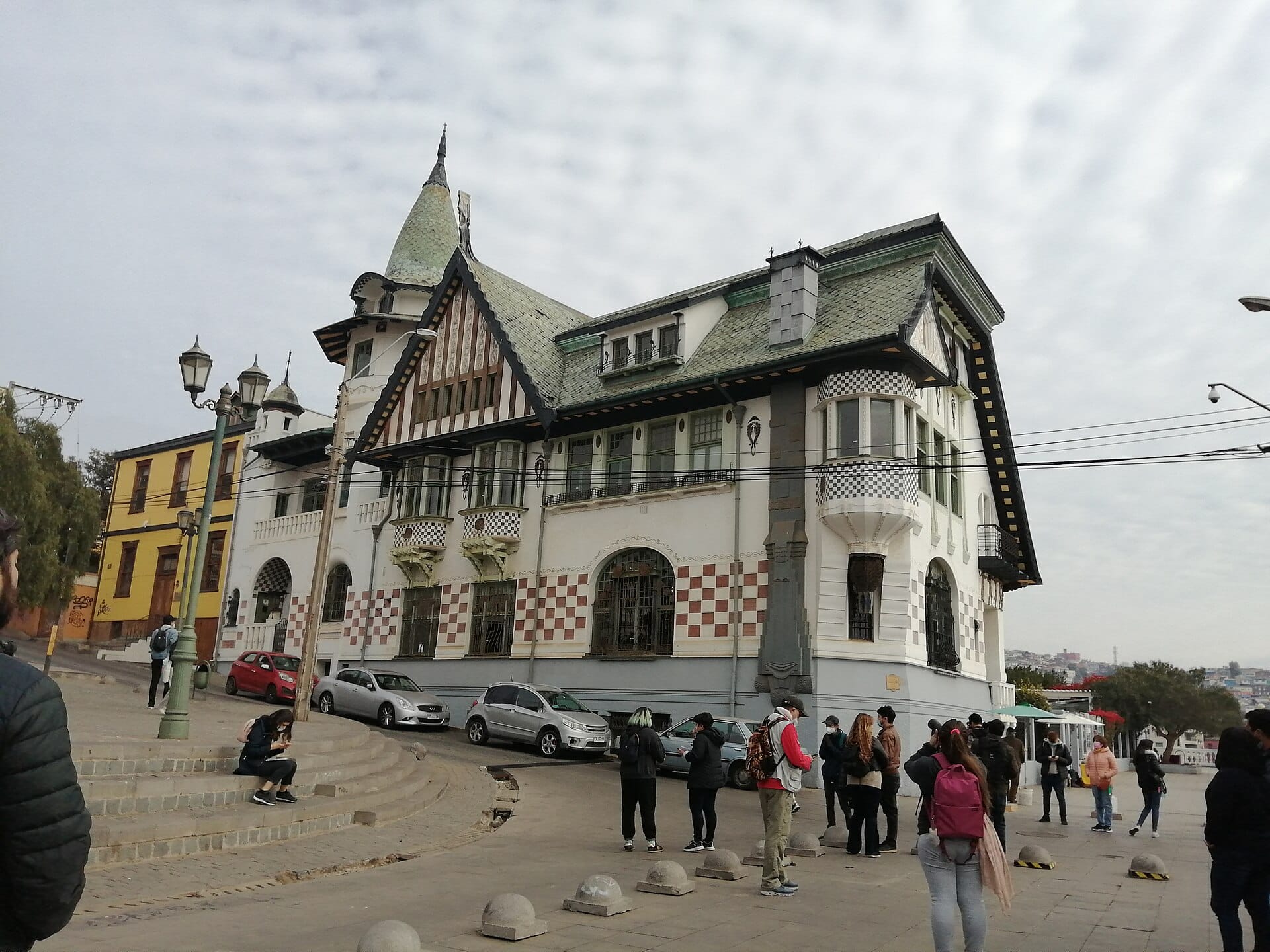
Cost & tip: General admission runs about CLP 4,000 (roughly $4.30), with reduced entry around CLP 1,500 for students and seniors; open Tuesday to Sunday, 10am to 6pm, closed Mondays. Entry is free on the second Sunday of each month. It's a good rainy-day option, since bad weather makes the hills miserable anyway.
🗓️ A 3-Day Itinerary
Day 1 — Cerro Alegre and Cerro Concepción
Start where you're staying (base yourself on one of these two hills — see accommodation below). Take Ascensor Concepción up if you're coming from El Plan, then spend the morning on foot along Paseo Gervasoni, Paseo Atkinson, and Calle Almirante Montt, ducking into galleries and photographing the murals. Coffee at Café Turri in its Victorian house or a lighter spot on Almirante Montt. Lunch at Fauna or Pasta e Vino (reserve the latter). Afternoon: walk down to Plaza Sotomayor, see the naval square, and take a harbor boat tour from Muelle Prat (CLP 5,000–8,000). Total walking is a few kilometers but nearly all uphill or down — pace yourself. Costs for the day, excluding hotel: roughly $35–55 with a sit-down lunch and the boat.
Day 2 — Neruda, murals, and the port views
Morning: be at La Sebastiana (CLP 7,000) on Cerro Bellavista at 10am opening, then walk 10 minutes down to the Museo a Cielo Abierto murals. Grab lunch back toward Cerro Alegre — this is a good day for a big shared chorrillana at J. Cruz on Calle Condell, the picada that claims to have invented the dish. Afternoon: cross town to Cerro Artillería, ride Ascensor Artillería up to Paseo 21 de Mayo for the bay view, and visit the Museo Marítimo if you like. Stay for sunset, then funicular down. Day cost, excluding hotel: about $30–45.
Day 3 — Baburizza, Polanco, and a day-trip decision
Slow morning: Palacio Baburizza (CLP 4,000) via Ascensor El Peral, then coffee on Paseo Yugoslavo. Two good options for the afternoon. Either explore Cerro Polanco — grittier, less touristy, with the unique horizontal-tunnel Ascensor Polanco (1915) and some of the city's boldest murals — or take the 40-minute Merval train (CLP 510 from Puerto to Viña del Mar) to neighboring Viña del Mar for its beaches and gardens. Serious Neruda fans can instead take a bus about 1.5 hours south to Isla Negra, his seaside third house, often called the best of the three. Day cost, excluding hotel: $15–40 depending on choice.
🧠 Essential Tips
When to go
The sweet spots are the shoulder months — October–November and March–May. Temperatures are pleasant, the crowds and prices drop noticeably from the summer peak, and everything stays open. December–February is Chilean summer and high season: warm, busy, and 30–40% pricier, with accommodation booked out. If you want the spectacle, the "Año Nuevo en el Mar" New Year's Eve fireworks over the bay are among the largest in South America — the greater Valparaíso–Viña area expected on the order of a million visitors for the 2026 show — but book months ahead and expect gridlock. June–August is winter: 10–15°C, real rain, some places on reduced hours, but cheap and atmospheric if you don't mind gray skies. Note that seasons are flipped from the Northern Hemisphere.
Getting there and around
Most visitors arrive from Santiago, about 115 km away. Turbus and Pullman Bus run frequently from Santiago's Terminal Alameda (Metro Universidad de Santiago) and Pajaritos, taking under two hours for roughly $8–12 one way. From Santiago's airport (SCL), reach Pajaritos first, then change to a Valparaíso bus. Buses arrive at Valparaíso's terminal on Avenida Pedro Montt, a CLP 3,000–4,000 taxi or Uber from the hills.
In town, Valparaíso itself has no metro — the Merval train mainly connects it to Viña del Mar and up the valley (CLP 510 for the short Puerto–Viña hop, paid with a rechargeable transport card). Locally you'll use the funiculars, micros (local buses, about CLP 500, Bip!/transport card or cash), and colectivos — shared taxis running fixed routes with the destination on a roof sign, CLP 600–800. Uber and Cabify both work well and are the easiest way to move at night; a ride within the historic quarter is usually CLP 2,000–4,000.
Staying safe
Valparaíso rewards common sense and punishes carelessness. The tourist hills — Alegre, Concepción, and around La Sebastiana on Bellavista — are fine by day. The specific risk is petty theft, particularly of phones and cameras, on the connecting staircases and quieter streets, and it climbs after dark. Practical rules: don't walk the stairs between the hills and El Plan alone at night — take an Uber, which is cheap; keep your phone in your pocket when walking, not in your hand; leave the good jewelry at the hotel. Cerro Cárcel, Cerro Polanco, and the areas around the bus terminal and Avenida Argentina warrant extra care, especially after dark. This is a city where you keep your wits, not one you avoid.
Eating well
Valparaíso is a seafood town. The dishes to seek out: caldillo de congrio, the conger-eel soup Neruda wrote an entire ode to; machas a la parmesana, razor clams baked with parmesan; pastel de jaiba, a hot crab-and-cheese casserole; and chorrillana, a shareable heap of fries topped with beef, onions, and fried eggs that reputedly originated at J. Cruz (Calle Condell 1466), a cramped, graffiti-covered institution running since 1972. For a proper sit-down meal, Pasta e Vino and Fauna on the hills are reliably good, and Café Turri pairs French-Chilean food with the best terrace view in the city. For produce and cheap seafood lunches, the Mercado Cardonal in El Plan is the real thing. Wash it down with a Chilean sauvignon blanc from the nearby Casablanca Valley.
🏨 Accommodation Guide
Where you sleep matters more here than in most cities, because the wrong location means either steep climbs or nighttime taxi rides. Base yourself on Cerro Alegre or Cerro Concepción — they put the restaurants, cafés, funiculars, and sights on your doorstep and are the safest hills to walk. Cerro Bellavista is a cheaper fallback but adds a 10–15 minute walk to the action.
Budget (about $15–50/night): Hostels cluster on Cerro Concepción, Alegre, and Bellavista, with dorm beds around $15–25 and private rooms $35–50, breakfast often included. Look for the converted-mansion hostels on Almirante Montt and Templeman; you'll get creaky heritage charm and a rooftop view for backpacker money.
Mid-range (about $80–150/night): This is the sweet spot — Valparaíso's specialty is the small boutique hotel inside a restored 19th-century house. Cerro Alegre and Concepción have dozens, most with 6–12 rooms, big breakfasts, and harbor views, in heritage buildings you couldn't build today.
Luxury (about $180–300+/night): At the top end, restored-mansion boutique hotels like the design-focused Zerohotel, Palacio Astoreca, and Casa Higueras, all on the Alegre/Concepción hills, offer the polished version of the Valparaíso house — terraces over the bay, small spas, and serious restaurants — for roughly a third of what an equivalent would cost in Santiago.
❤️ Beyond the Tourist Trail
Once you've done the main hills, the city opens up. Cerro Polanco is where street art has gone since Alegre got busy — steeper, rougher, and home to an annual mural festival (Festival Polanco) that has covered whole buildings; its 1915 Ascensor Polanco is the only fully vertical one in the city, reached through a horizontal rock tunnel. On Cerro Cárcel, the former public prison has been reborn as the Parque Cultural de Valparaíso, a contemporary arts center with free grounds, exhibitions, and open-air space where you can watch the city rehearse its dance and theater — a genuinely local scene rather than a tourist one.
If you have a fourth day, the coast is close. Isla Negra, an hour and a half south by bus, holds Neruda's third and favorite house right on the rocks, with his collections of ships in bottles and figureheads. Closer still, the Merval train runs in minutes to Viña del Mar for beaches and the seafront, and a little beyond to the surf and dunes of Reñaca and Concón, where the caleta seafood shacks at Concón do some of the best fried fish on this coast.
Plan your Valparaíso trip with VoyaBear
Valparaíso rewards travelers who know which hill to climb, which funicular still runs, and which staircase to skip after dark — and that's exactly the kind of local, specific planning VoyaBear does for you. Tell us your dates, your budget, and how much walking your knees will tolerate, and we'll build you a personalized day-by-day itinerary with the restaurants, the timings, and the routes already sorted. Start planning your Chile trip with VoyaBear today — and spend your time in Valparaíso wandering, not researching.