VoyaBear


Tbilisi is a city built on sulfur. The old town sits on top of hot springs that smell faintly of struck matches, and the name itself comes from tbili, the Georgian word for "warm." Legend says King Vakhtang Gorgasali's falcon fell into a steaming spring here in the 5th century and he founded a capital on the spot. Fifteen centuries later you can still lower yourself into that same 40°C sulfur water for the price of a sandwich, then walk five minutes to a glass pedestrian bridge that looks like it landed from 2075. That collision — medieval brick, Soviet concrete, Art Nouveau balconies rotting gracefully, and a wine culture that predates the pyramids — is the whole point of Tbilisi. In 2026 it's also still one of the cheapest capitals in Europe, where a full dinner with wine runs about 50 GEL (roughly $18 / €17) and the metro costs less than 40 cents a ride.
Georgia is visa-free for most nationalities for a full year — one of the most generous policies anywhere — so nobody's rushing you. Here's how to spend three days in Tbilisi without wasting a single lari.
🎭 Essential Experiences
1. Narikala Fortress and the aerial cable car
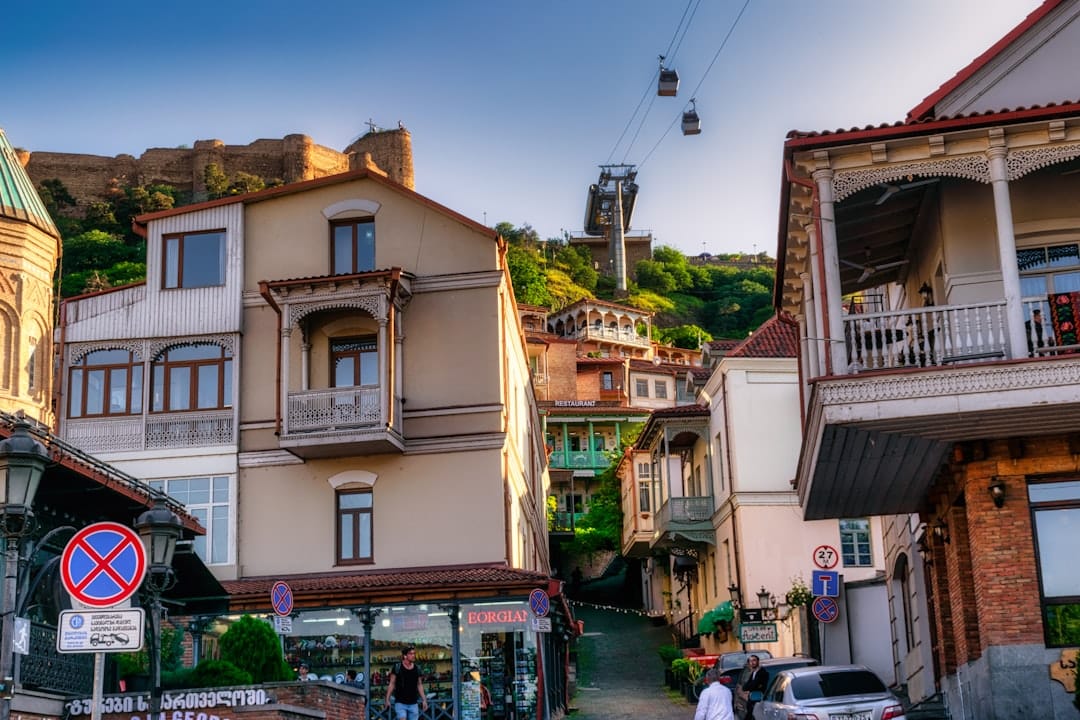
Narikala has guarded the Mtkvari river gorge since the 4th century, changing hands between Persians, Arabs, Mongols and Russians so many times that what you see today is mostly 17th-century rebuild plus a small reconstructed church. Nobody comes for the archaeology — they come for the view over the tiled roofs of the old town. The smart move is to not walk up. Take the aerial cable car from Rike Park, which crosses the river and climbs to the ridge in under two minutes for 2.5 GEL (about $0.90 / €0.85), payable with a MetroMoney card. Walk the ramparts for free — the fortress is open 24/7 and never charges admission — then follow the ridge path 500 metres west to the Kartlis Deda (Mother of Georgia) statue, a 20-metre aluminium woman erected in 1958 holding a wine bowl for friends and a sword for enemies. That single image sums up the national character better than any museum could.
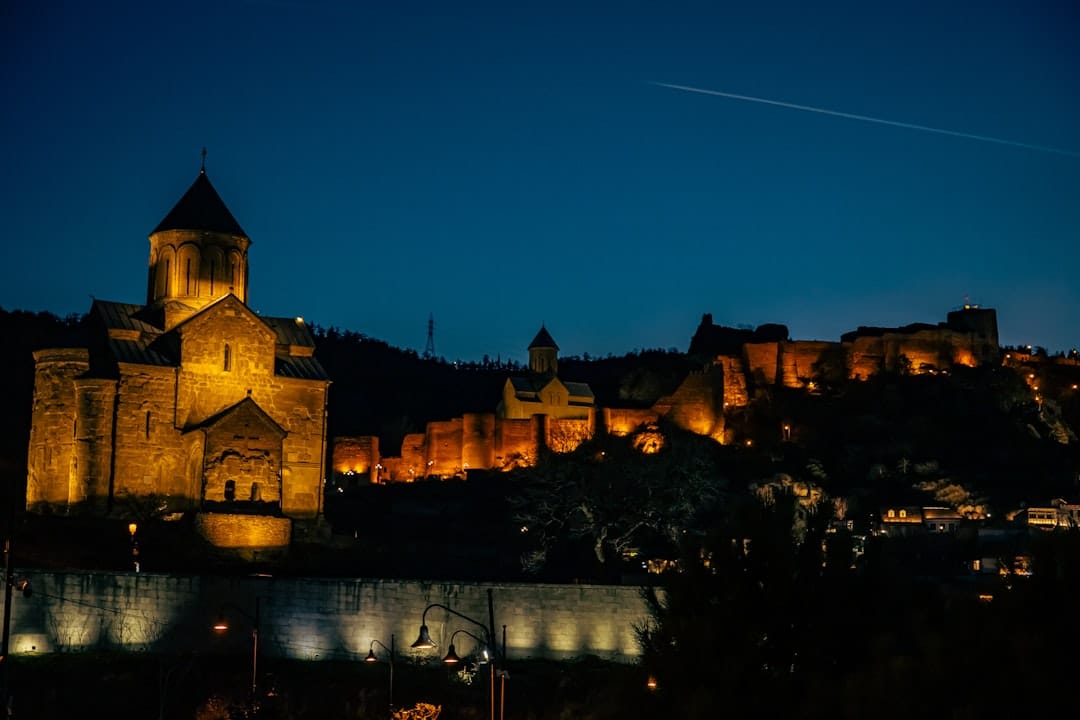
Insider tip: Ride the cable car up but walk down through the tangle of lanes behind the fortress — you'll pass the Betlemi quarter's pastel houses and come out right at the sulfur baths, which is exactly where you want to be next. Go up around 5pm so you catch the view in daylight and descend as the old town lights come on.
2. The Abanotubani sulfur baths
This is the reason the city exists, so don't treat it as optional. The Abanotubani district is a cluster of low brick domes — the bathhouses are underground, and those domes are their roofs poking up at street level. The water arrives naturally hot and heavy with sulfur, which locals swear cures everything from hangovers to arthritis. Pushkin complained about the smell in 1829 and then admitted it was the best bath of his life. You have two ways in: a public communal hall, where entry runs about 6–10 GEL ($2.50–3.70 / €2–3.40) per person at the historic Bathhouse No. 5, or a private room you rent by the hour. Private rooms at the tiled, blue-mosaic Chreli Abano (the photogenic one with the Persian facade) run roughly 100–200 GEL ($37–74 / €34–68) per hour for the whole room — split between four people that's about 50 GEL each.
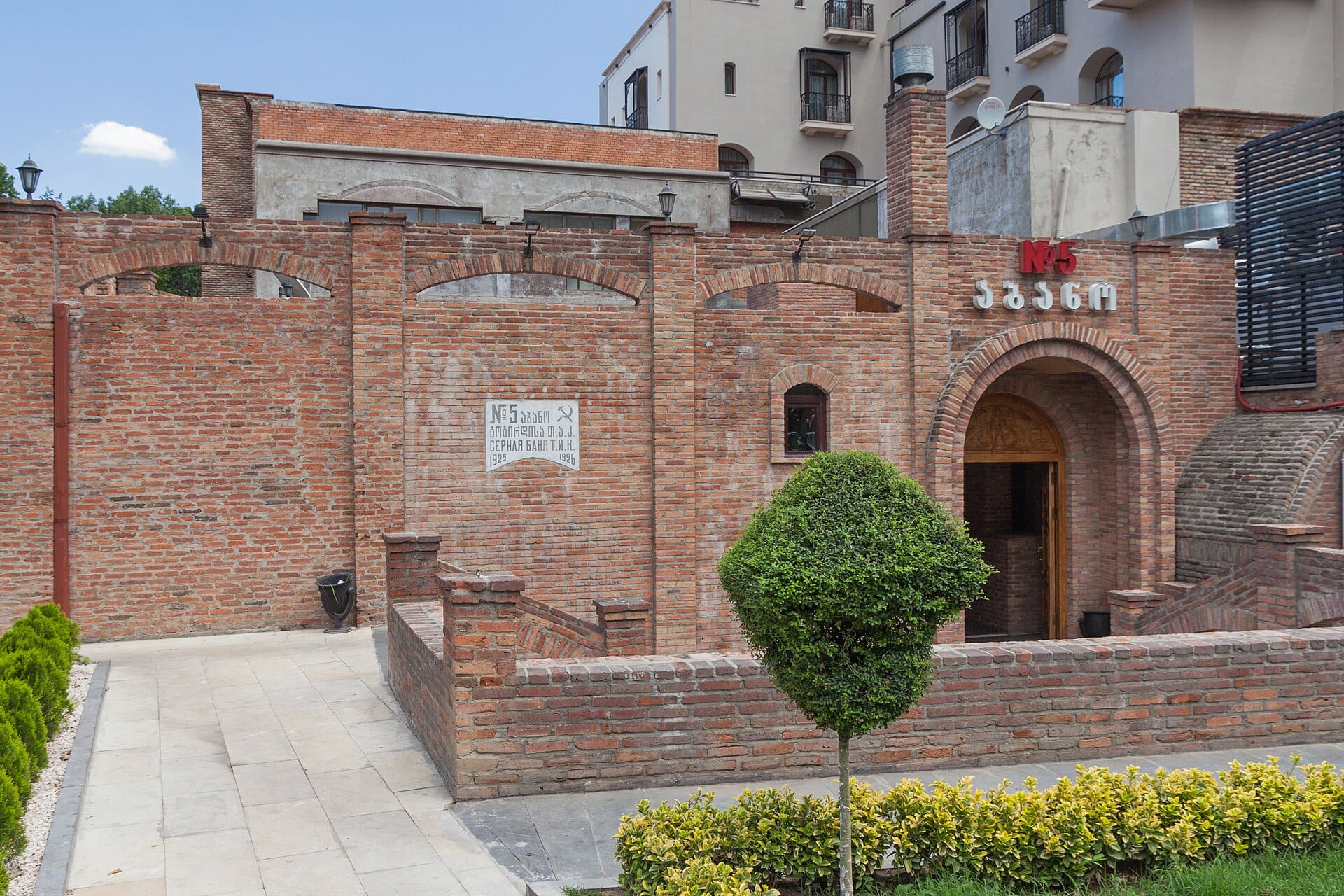
Insider tip: Pay the extra 10–30 GEL for a kisa scrub — an attendant with a coarse mitt removes a layer of you that you didn't know was there. Bring flip-flops and your own water; go on a weekday morning when the private rooms are empty and cheaper to book on the spot. Behind the baths, follow the short path into the Leghvtakhevi gorge to a surprising 22-metre waterfall five minutes from the tourist crush.
3. The Bridge of Peace, Rike Park and the old town lanes
The Bridge of Peace is a 150-metre bow of glass and steel that opened in 2010 and immediately split the city — locals nicknamed it "Always Ultra" for reasons that become obvious. It's free to cross, lights up after dark with a pattern that spells the periodic table in Morse code, and connects the old town to Rike Park on the far bank, where the cable car station sits. The genuinely rewarding part is getting lost in the lanes on the old-town side: Sioni Cathedral, the 13th-century seat of the church; the leaning Rezo Gabriadze clock tower on Ioane Shavteli Street, which drops a little angel out of a hatch on the hour; and the Jumah Mosque, one of the few in the world where Sunni and Shia pray in the same room.
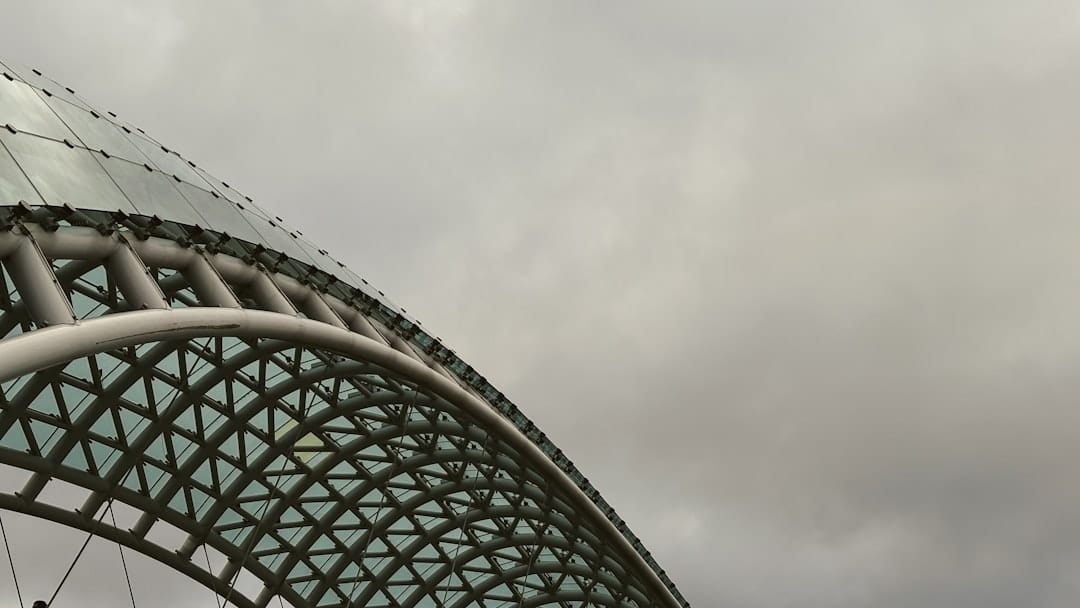
Insider tip: Catch the Gabriadze clock tower's puppet performance, which runs at noon and 7pm daily — it lasts 90 seconds, so don't build your afternoon around it, but if you're passing, stop. All of this is walkable and free.
4. Holy Trinity Cathedral (Sameba)
You can see Sameba from almost everywhere in Tbilisi — a gold-domed monster on the Elia hill across the river, floodlit at night. It's one of the largest Orthodox cathedrals in the world by volume, and here's the twist that tells you something about modern Georgia: it was only consecrated in 2004. This isn't ancient; it's a statement, built after independence on a scale meant to be seen. Entry is free. The interior is cavernous and genuinely moving during a service, when the choir fills the space with no amplification.
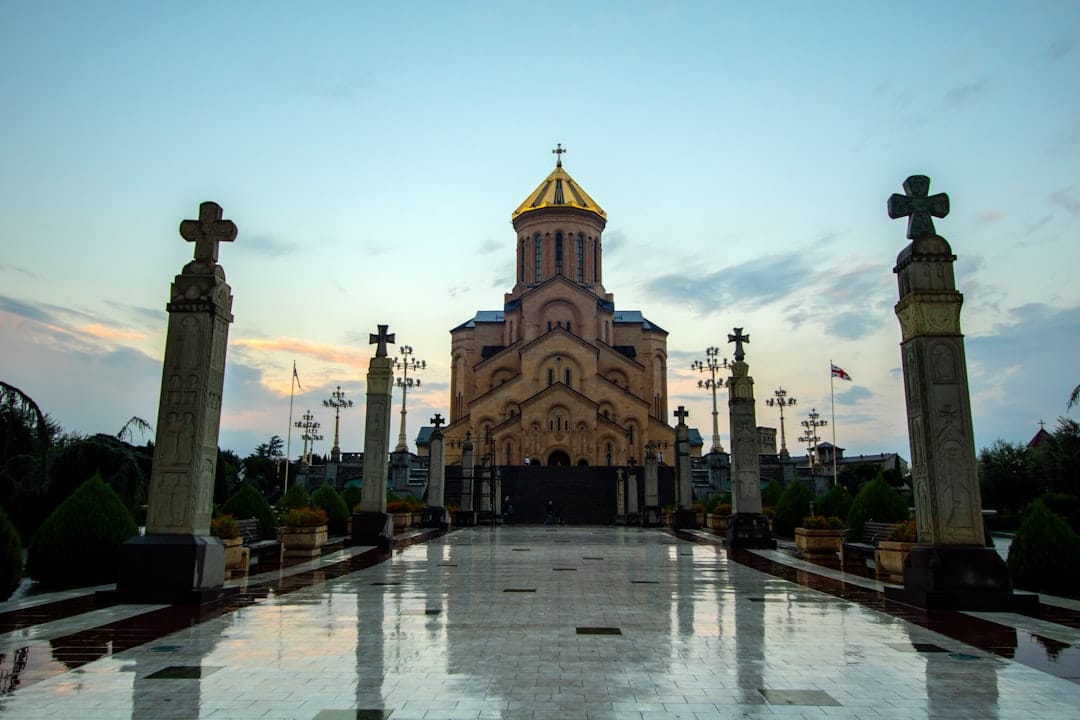
Insider tip: Dress code is enforced — shoulders and knees covered, and women need a headscarf, though baskets of wraps sit by the door if you forget. Come at dusk: the gold dome catches the last light, and from the cathedral terrace you get one of the best free panoramas of the city. Skip the taxi and walk up from Avlabari metro station in about 10 minutes.
5. The Mtatsminda funicular and park
Mount Mtatsminda ("Holy Mountain") rises 770 metres straight above the city, topped by a TV tower, a slightly faded amusement park and the best sunset in Tbilisi. The 1905 funicular railway climbs the slope from a station on Chonqadze Street; a one-way ride costs 12 GEL (about $4.40 / €4) and — this trips people up — it uses a separate 2 GEL Mtatsminda Park card, not your regular MetroMoney transit card. It runs 9am to midnight. At the top there's a Ferris wheel, a 1938 restaurant complex, and the Mamadaviti church and Pantheon partway down, where Georgia's writers and national poets are buried.
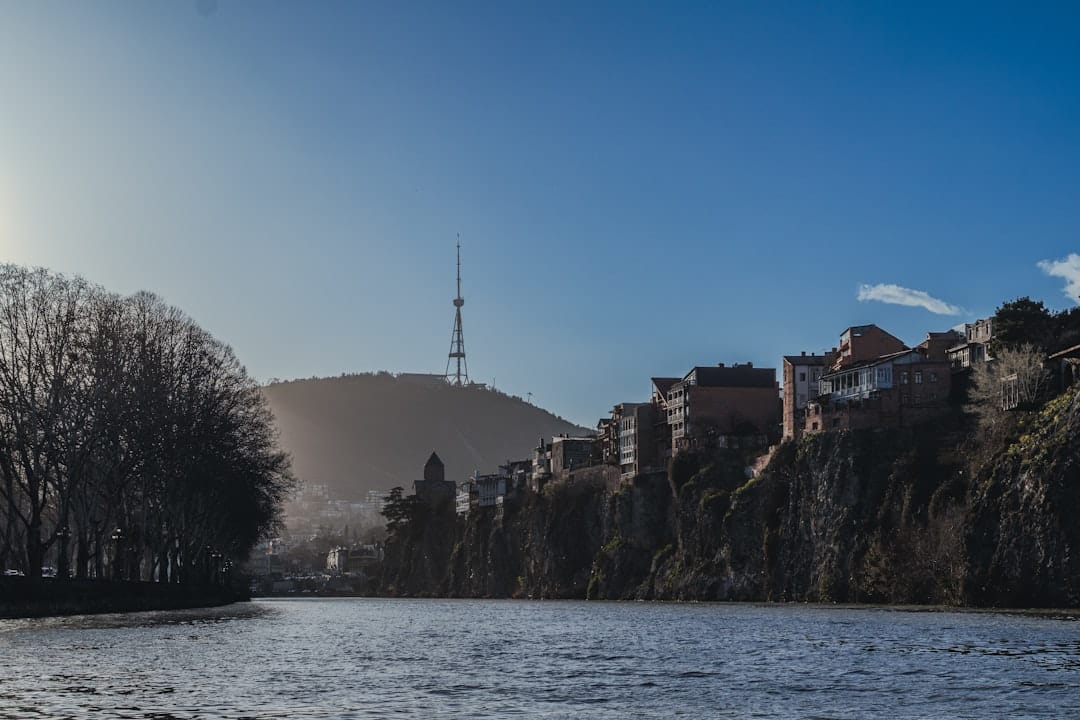
Insider tip: Ride the funicular up for the novelty, then walk down the wooded path in about 30 minutes, stopping at the Pantheon. Time your arrival at the top for an hour before sunset and grab a table on the restaurant terrace before the light show over the city starts.
6. Rustaveli Avenue and the Dry Bridge Market
Rustaveli Avenue is Tbilisi's grand 19th-century spine, lined with the Parliament, the opera house, the Rustaveli Theatre and the Georgian National Museum, whose sobering Museum of Soviet Occupation is worth the 20–30 GEL ($7–11 / €7–10) admission alone. A 10-minute walk downhill, the Dry Bridge Market is a permanent open-air flea market where babushkas sell Soviet medals, hand-painted plates, Red Army watches, old cameras and the occasional genuinely good antique. Browsing is free; haggling is expected.
Insider tip: Start your haggle at half the asking price and be ready to walk — the vendors do this all day and respect a firm no. Come Saturday or Sunday morning when the market is fullest; weekday afternoons it thins out to a handful of stalls. Real Soviet pins are worth a few lari; the "antique" daggers are usually last year's tourist stock.
7. The Chronicle of Georgia
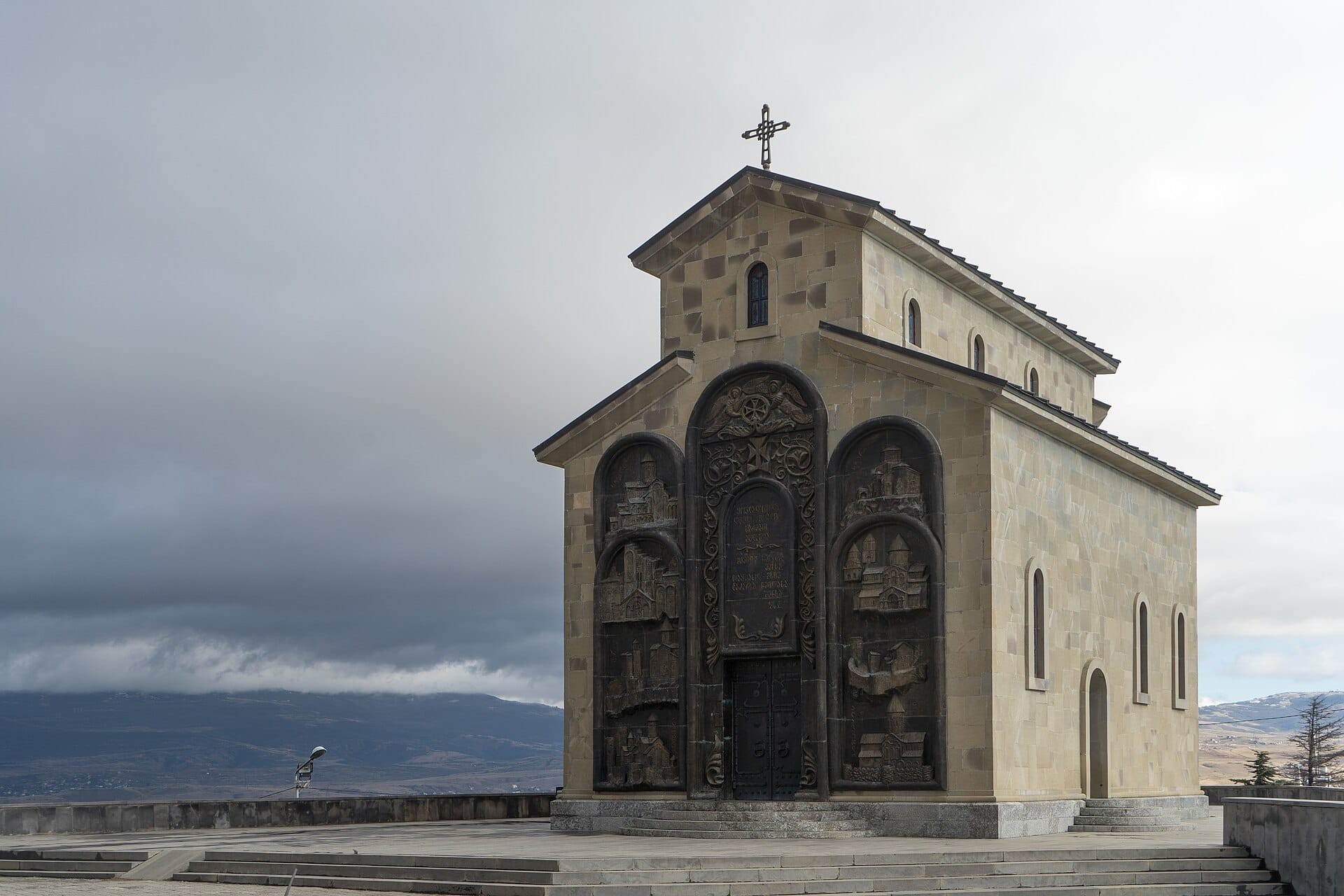
On a windswept hill above the Tbilisi Sea reservoir, on the northern edge of the city, stand sixteen black pillars up to 35 metres tall, carved with Georgian kings, queens and scenes from the life of Christ. This is Zurab Tsereteli's Chronicle of Georgia, begun in 1985 and still not entirely finished — a Soviet-scale monument that most tourists never reach, which is exactly its appeal. It's free, open, and almost empty on weekday mornings. The scale in person is genuinely startling; photos flatten it.
Insider tip: There's no easy public transport, so take a Bolt from the centre (about 15–20 GEL / $6–7 each way) and ask the driver to wait, or book a round trip — you won't find a car waiting up there. Go in the morning for softer light and to have the pillars almost to yourself.
🗓️ A Three-Day Itinerary
Day 1 — The old town, top to bottom
Start at Freedom Square and walk down into the old town: Sioni Cathedral, then the Bridge of Peace across to Rike Park (about 20 minutes of easy walking). Take the cable car up to Narikala (2.5 GEL) around late afternoon, walk the ramparts and continue along the ridge to the Mother of Georgia statue. Descend on foot through the Betlemi lanes — 15 minutes downhill — straight into Abanotubani, where you finish the day in a sulfur bath. Dinner nearby at a khinkali house. Rough cost: cable car 2.5 GEL, bath 10–50 GEL, dinner with wine 40–60 GEL — call it $25–45 / €23–40 for the day.
Day 2 — Rustaveli, the market and the mountain
Coffee on Rustaveli Avenue, then the Georgian National Museum (20–30 GEL). Walk down to the Dry Bridge Market for an hour of browsing, then lunch in the Vera district. Late afternoon, take the Mtatsminda funicular (12 GEL + 2 GEL park card) up the mountain, stop at the Pantheon, and stay for sunset over the city. Dinner at a wine bar back down in town. Rough cost: museum 25 GEL, funicular 14 GEL, meals 60–80 GEL — about $35–50 / €32–46.
Day 3 — Big monuments, or escape to the old capital
Morning at Holy Trinity Cathedral (Sameba), a 10-minute walk from Avlabari metro, then a Bolt to the Chronicle of Georgia for the pillars and the reservoir view. Alternative: skip the monuments and take a marshrutka (minibus) from Didube station to Mtskheta, Georgia's ancient capital, 20 km north — the ride is about 1.5 GEL and 30 minutes. There you'll find the UNESCO-listed Svetitskhoveli Cathedral and, on the hill above, the 6th-century Jvari Monastery. End the trip with dinner and natural wine at Fabrika. Rough cost: Sameba free, Bolt 30–40 GEL round trip, or Mtskheta by marshrutka ~3 GEL return plus lunch — $20–40 / €18–37.
🧠 Essential Tips
When to go
Aim for late September through October. Daytime temperatures sit at a comfortable 15–20°C, the summer crowds have thinned, and it's harvest season — the Rtveli grape harvest runs from mid-September into November across neighbouring Kakheti. The city's own birthday festival, Tbilisoba, takes over the old town and Rike Park on the second or third weekend of October with free wine, food stalls and music. May and June are the spring alternative — green, mild, and before the heat. Avoid July and August, when Tbilisi bakes past 35°C and the stone city holds the heat late into the night. Winter is cheap and quiet but grey, with short days and temperatures near freezing.
Getting in from the airport
Tbilisi International (TBS) is 17 km east of the centre. The cheapest route is Bus 337, which runs to Freedom Square for 1 GEL — but only between 7am and 11pm, and it takes about an hour with stops. There are no cash machines on the buses anymore, so you pay by contactless card or a transit card bought at the Bank of Georgia counter in arrivals. Landing late or with luggage, order a Bolt, which runs 25–35 GEL (about $9–13 / €8–12) to the centre with the price fixed before you get in.
Getting around
The metro, city buses and marshrutka minibuses all cost a flat 1 GEL per ride (under $0.40). Buy a white MetroMoney card for 2 GEL (refundable within 30 days) and load it — it also covers the Narikala cable car, and one card can tap in up to three people. If you're moving around a lot, the blue Travel Card offers a 1-week unlimited pass for 20 GEL. For door-to-door, everyone uses Bolt — it's cheap, transparent, and it's how you avoid the single most common tourist rip-off (see below). The metro has two lines and runs roughly 6am to midnight.
Safety and scams
Tbilisi is genuinely safe — violent crime against tourists is rare and you can walk the old town at night. The real risks are to your wallet. Never take an unmarked "taxi" from the airport or a driver who approaches you: the classic scam is a "broken meter" ending in a bill of 280–380 GEL for a ride that should cost 30. Use Bolt, full stop. The second trap is a bar or nightclub scam: a friendly stranger (often via a dating app) steers you to a specific venue with no prices on the menu, and the bill arrives at 300–500 GEL enforced by a bouncer. Choose your own bar, check it on Google Maps first. Change money only at TBC or Bank of Georgia ATMs, never with street changers. Tap water is safe to drink.
Food you shouldn't miss
Georgian food is the sleeper hit of the trip. Start with khinkali — fist-sized soup dumplings you grip by the topknot, bite, slurp the broth, and eat, leaving the knot behind (eating it marks you as a tourist; nobody uses a fork). Then khachapuri Adjaruli, a boat of bread filled with molten cheese, butter and a raw egg you stir in yourself — Retro does a famous "Big Adjaruli" for about 17 GEL ($6 / €6). For a proper sit-down dinner, book Shavi Lomi, chef Meriko Gubeladze's modern Georgian restaurant. And you cannot leave without drinking Georgian wine, fermented in buried clay qvevri for 8,000 years running: try the amber (skin-contact) wines at a natural wine bar like g.Vino or Vino Underground. A full meal with wine runs about 40–60 GEL ($15–22 / €13–20) per person.
🏨 Accommodation Guide
Where you stay shapes the trip more than usual here, because the neighbourhoods have real character.
Budget — Sololaki / Marjanishvili ($10–45 / €9–40): The famous Fabrika Hostel, a converted Soviet sewing factory in Marjanishvili, has dorm beds from about 25–35 GEL ($9–13) and a courtyard that's a social scene in its own right. Budget guesthouses in Sololaki's crumbling 19th-century townhouses run $25–45 for a private room.
Mid-range — Sololaki / Vera ($60–130 / €55–120): Sololaki is the sweet spot for first-timers — five minutes from the old town but quieter than the bar-lined lanes of Kala after midnight. Vera, a 20-minute walk out, trades proximity for a stronger café and restaurant scene. Expect renovated apartments and small boutique hotels in this band.
Luxury — Sololaki / Vera ($130–350 / €120–320): Rooms Hotel Tbilisi in Sololaki ($130–180) turned a Soviet publishing house into a design hotel with a rooftop bar locals actually drink at. Its sister property, Stamba Hotel in Vera ($200–350), occupies a former printing factory and is worth walking into even if you don't stay — the atrium alone is a sight.
One warning: book two to four weeks ahead for May, June, September and October, and if you're coming in July or August, confirm the air conditioning actually works before you pay.
🍽️ Beyond the Tourist Trail
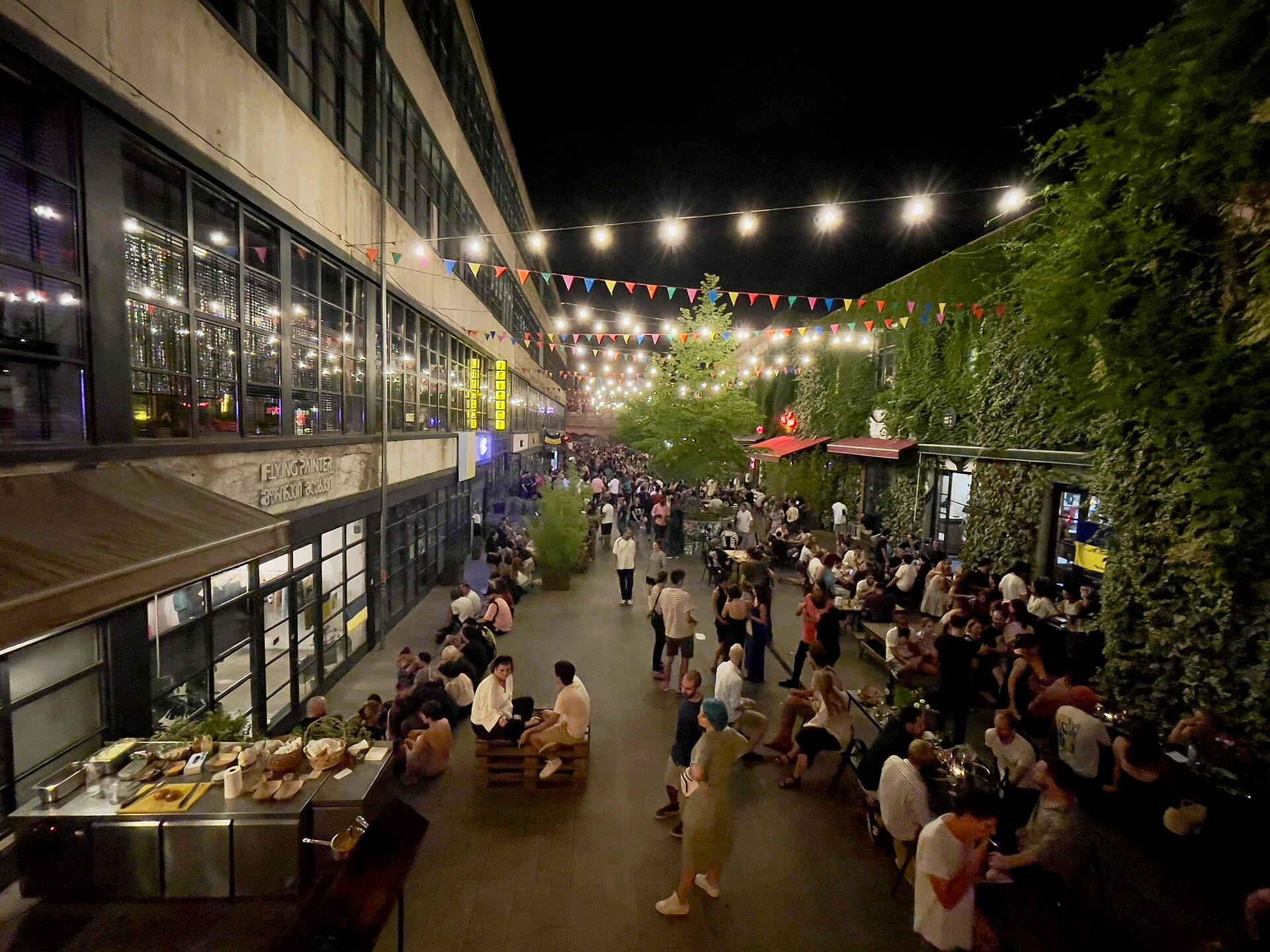
Once you've done the fortress-and-baths circuit, the more interesting Tbilisi is across the river in Chugureti and Marjanishvili. The anchor is Fabrika, a Soviet sewing factory turned courtyard of independent cafés, wine bars, a barber, design studios and the hostel. It's the clearest window into where young Tbilisi actually spends its evenings — no entry fee, just wander in.
For a half-day escape, the old capital of Mtskheta is 30 minutes and about 1.5 GEL away by marshrutka from Didube station — the spiritual heart of the country, where the Svetitskhoveli Cathedral and the clifftop Jvari Monastery have stood since the 6th and 11th centuries. And if you're here in October, plan around Tbilisoba (second or third weekend): the whole old town turns into a free festival of new wine, churchkhela (walnut-and-grape-juice "candles"), and folk dancing. It's the one weekend the locals reclaim the tourist quarter as their own.
❤️ Let VoyaBear Plan It For You
Three days barely scratches Tbilisi, and the best version of this trip — the right wine bar for your taste, a day in Kakheti's vineyards, the sulfur bath booked before the tour groups arrive — comes from planning that fits you. That's what VoyaBear does: personalised, day-by-day itineraries built around your budget, your pace and the things you actually care about, from qvevri wine to Soviet-era architecture. Tell us how you travel, and we'll handle the where, when and how much. Start planning your Georgia trip with VoyaBear today — and leave the logistics to the bear.