VoyaBear


Split is the rare Roman ruin you can't walk around because you're already standing inside it. When Emperor Diocletian retired here around AD 305, he built himself a fortified seafront palace the size of a small town; 1,700 years later the walls never came down. People just moved in. Today the cellars hold wine bars, the imperial mausoleum is a working cathedral, and someone's laundry hangs off a colonnade a Roman legionary once guarded. This is the second-largest city in Croatia and the launch pad for the Dalmatian islands, but the reason to come is that the old town is a living Roman monument with a coffee habit, not a roped-off museum.
A practical note before anything else: Croatia joined the euro in January 2023, so leave the old kuna math at home. Prices below are in euros with rough US-dollar equivalents at about 1.08 to the euro, checked in 2026. Split rewards a slow three days — enough to exhaust the palace, climb Marjan, and still catch a catamaran to an island. Here's exactly how to spend them.
🎭 Essential Experiences
1. The Peristyle and the Substructures of Diocletian's Palace
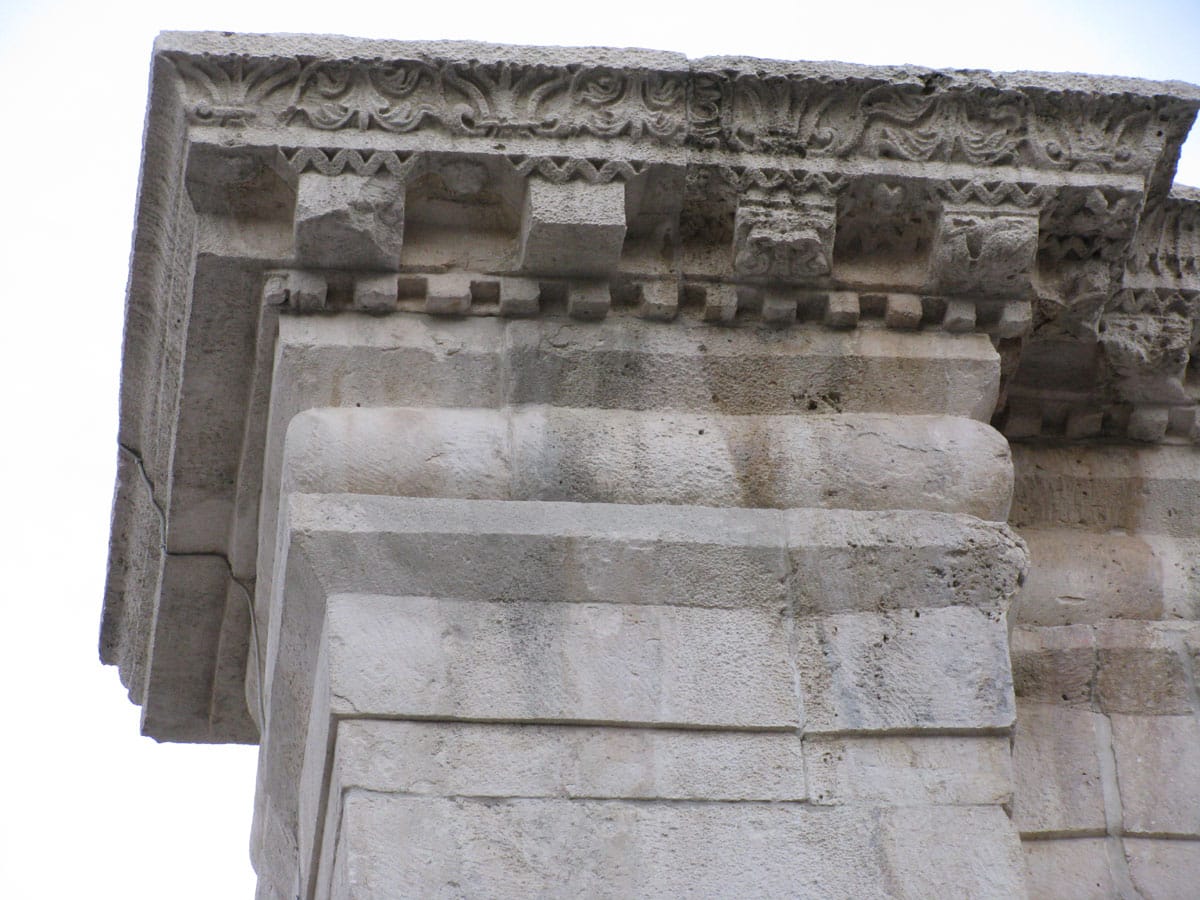
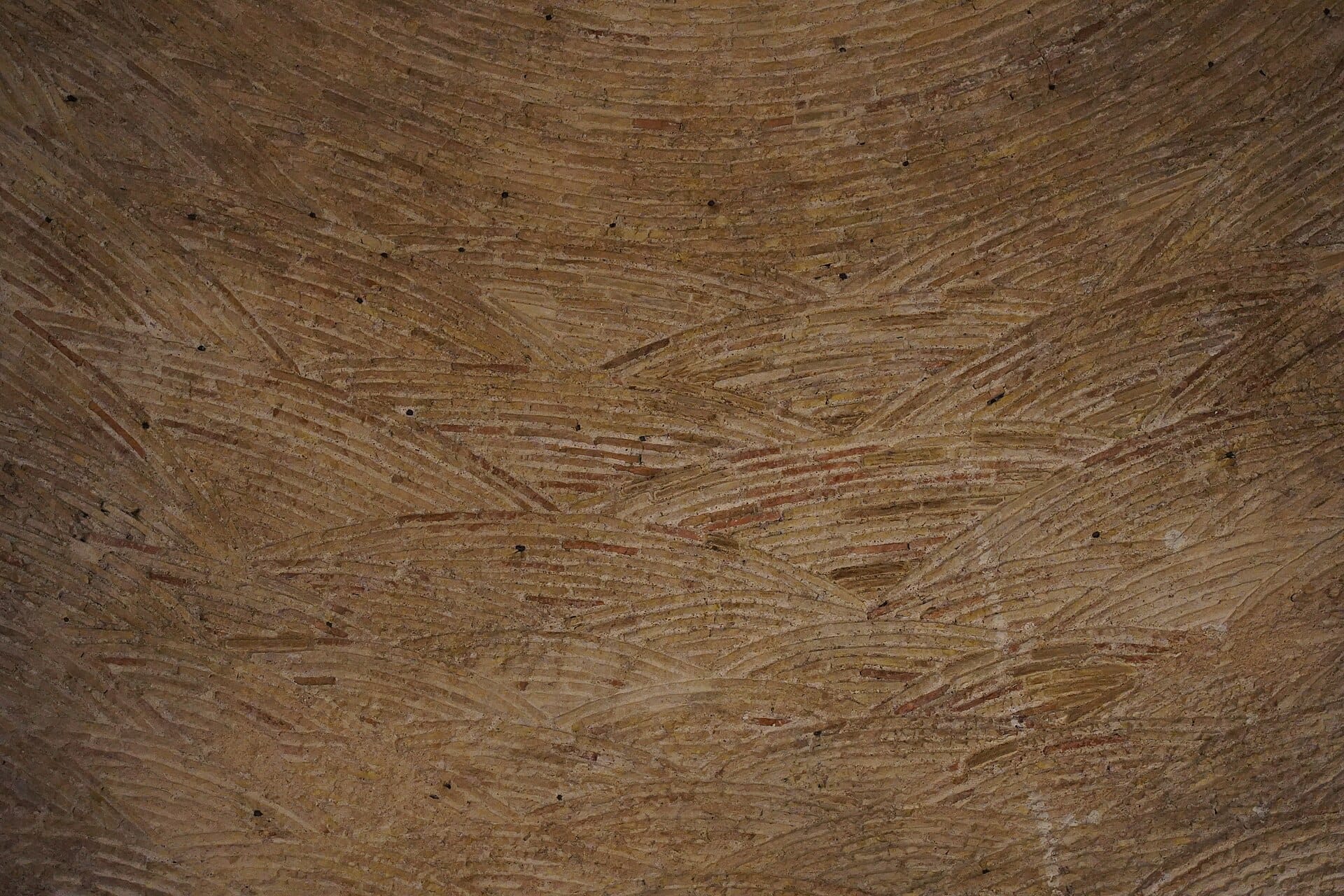
Start at the Peristyle, the colonnaded courtyard at the dead center of the palace where Diocletian once appeared to his subjects and where, today, a café literally sells you a drink to sit on 1,700-year-old steps. Walking the palace streets, the four gates, the Peristyle, and the domed Vestibule costs nothing — it's a public neighborhood, open 24 hours. The one paid part worth your money is the substructures (podrumi), the vaulted Roman cellars beneath the imperial apartments. The central corridor lined with souvenir stalls is free, but the excavated exhibition halls off to the sides cost €6 (about $6.50) and are the best-preserved late-Roman basement in the world — they're also where Daenerys kept her dragons in Game of Thrones. Insider tip: come between 8 and 9am. By 10 the cruise-ship groups arrive through the Bronze Gate from the harbor and the Peristyle turns into a selfie scrum. Early morning light through the columns is also when the stone actually glows.
2. The Cathedral of St Domnius and its Bell Tower
There's a dark joke buried in this building: it started as the mausoleum of Diocletian, the emperor who ran one of the last great persecutions of Christians, and was later consecrated as a cathedral dedicated to St Domnius, a bishop he had executed. It is one of the oldest cathedrals in the world still in its original structure. Entry to the cathedral interior is €7 (about $7.60), and climbing the Romanesque bell tower is a separate €7. Insider tip: the bell tower is the real prize — a tight stone-and-steel staircase delivering the definitive view straight down onto the Peristyle and out over the terracotta roofs to the sea. Go first thing or in the last hour before closing; mid-afternoon the narrow stairs become a two-way traffic jam and the platform is shoulder-to-shoulder. Skip the €3 Temple of Jupiter across the lane unless you're a completist — it's a small, atmospheric room with a black granite sphinx and not much else.
3. The Statue of Grgur Ninski and the Golden Gate
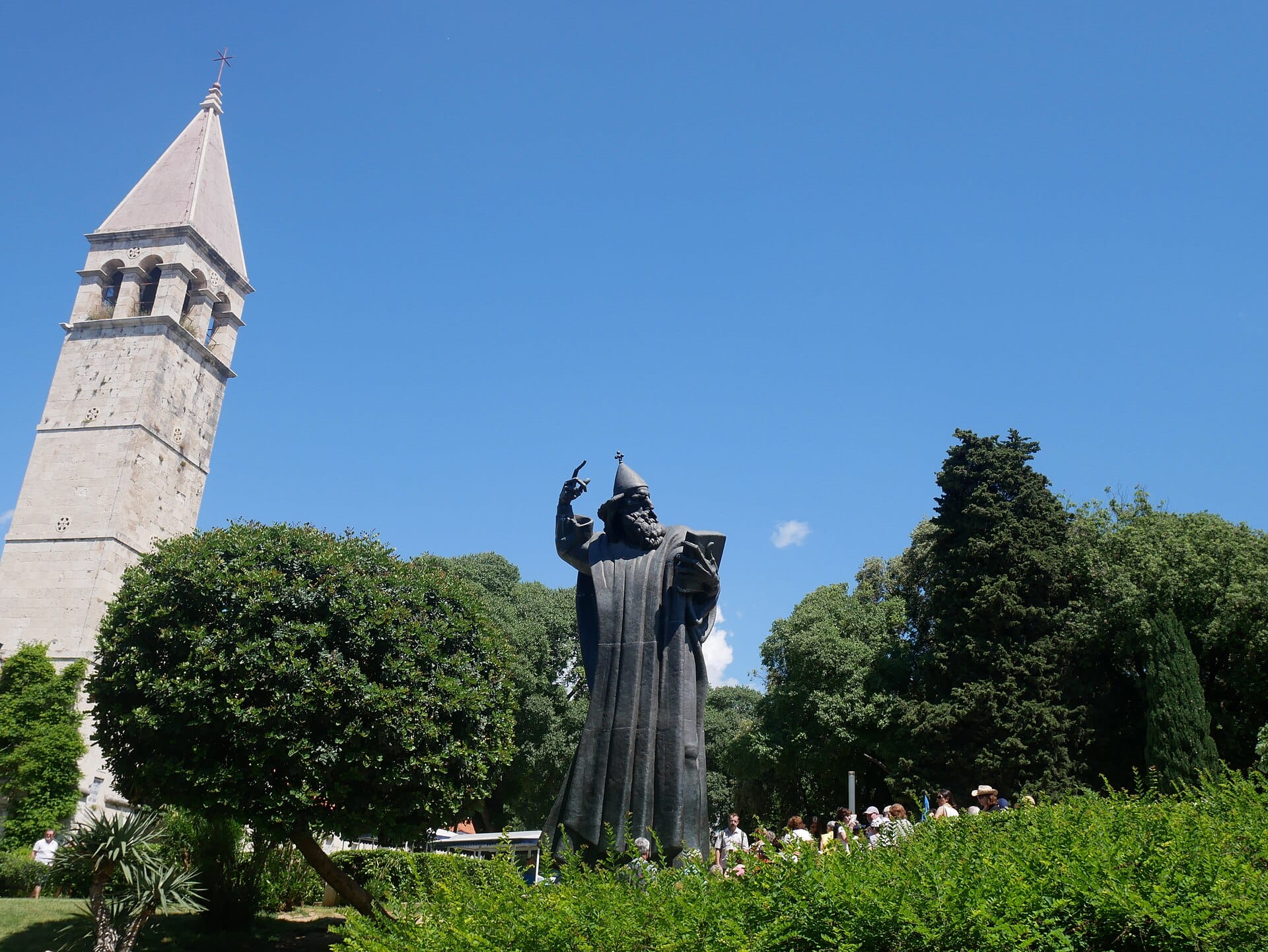
Step out through the northern Golden Gate — the grandest of the palace's four entrances and the one that faced the old Roman capital of Salona — and you'll meet an 8.5-meter bronze giant: Grgur Ninski (Gregory of Nin), the 10th-century bishop who fought for the right to hold Mass in Croatian instead of Latin. The statue is the work of Ivan Meštrović, Croatia's most important sculptor. Insider tip: his left big toe is polished to a bright gold shine because rubbing it is said to grant a wish and guarantee your return to Split. It costs nothing and takes ten seconds, and yes, everyone does it. This is also the quiet side of the palace — the gardens of the former convent behind the statue are a good place to escape the crowds funneling through the Peristyle.
4. Marjan Hill
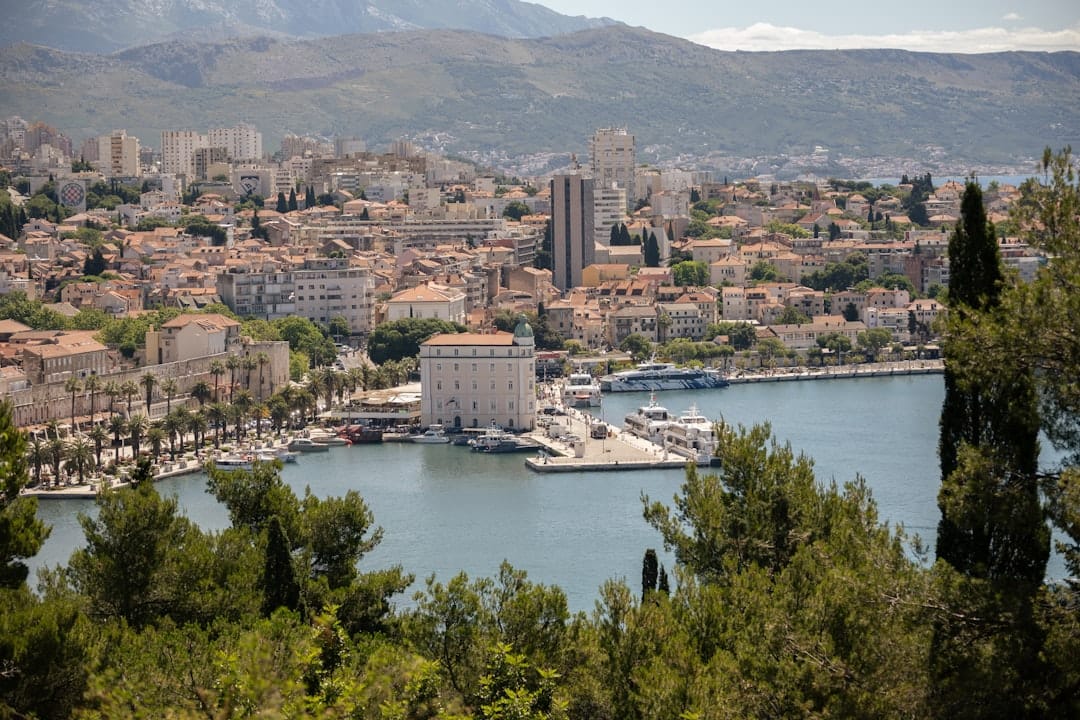
Locals call Marjan the "lungs of the city," and it's the antidote to a morning of Roman crowds — a pine-covered peninsula rising straight off the western edge of the old town, protected as a park since 1964 and completely free. The climb starts from the stone steps above the Varoš neighborhood; the first payoff is the Vidilica viewpoint café, and the highest point, Telegrin, tops out at 178 meters after 314 steps. Insider tip: keep going past Vidilica along the flatter southern path to reach the small medieval chapels and, at the far tip, Bene beach — far quieter than anything in town. On the way, the Ivan Meštrović Gallery sits on the Marjan slope: €12 (about $13) gets you the sculptor's former home-studio plus the nearby Kaštelet chapel with his wooden Life of Christ reliefs, and it's the single best art stop in Split. Bring water in summer; there's shade under the pines but the climb is exposed at the start.
5. Bačvice Beach and the Art of Picigin
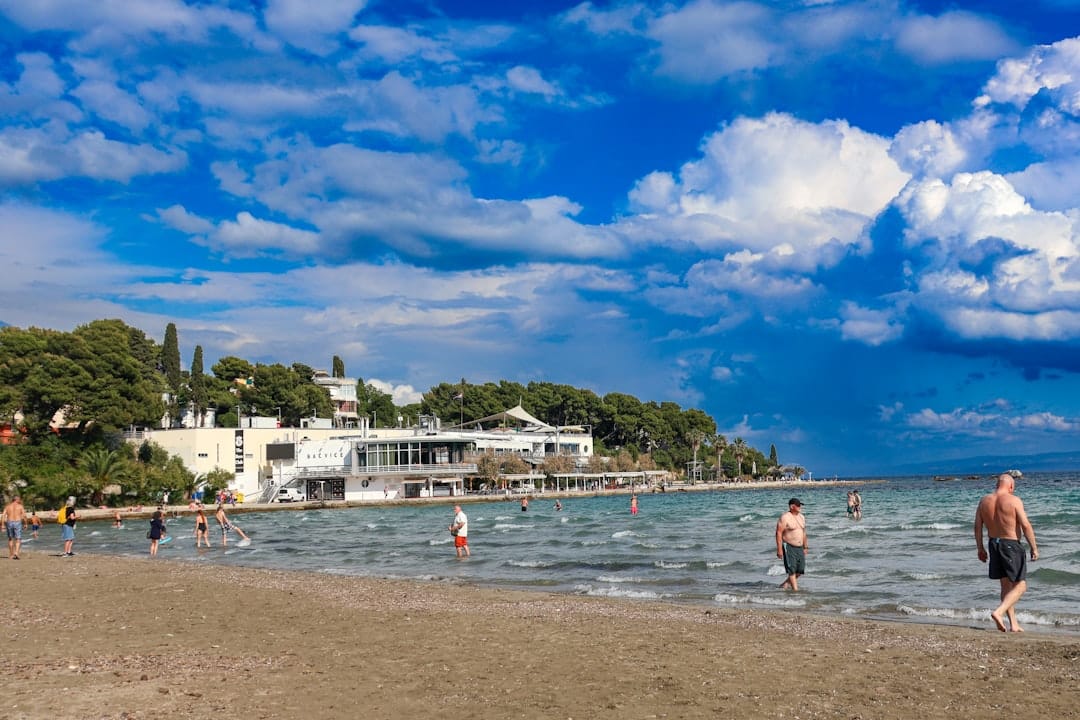
Split's city beach is a ten-minute walk east of the palace, and it's an oddity for Dalmatia: actual sand, in a bay so shallow you can wade 50 meters out and still touch bottom. That shallowness invented a sport. Picigin is a Split original — a ring of players in knee-deep water keeping a small ball off the surface with slapping, diving saves, played for style and laughs rather than points. Insider tip: come at sunset, not noon. The midday sand is packed and the water bathwater-warm; at dusk the crowd thins, the picigin regulars show up, and the bars in the crescent of buildings behind the beach (the Bačvice complex) shift from café to nightlife. It's free, it's local, and watching a good picigin rally is better entertainment than most paid attractions.
6. Klis Fortress
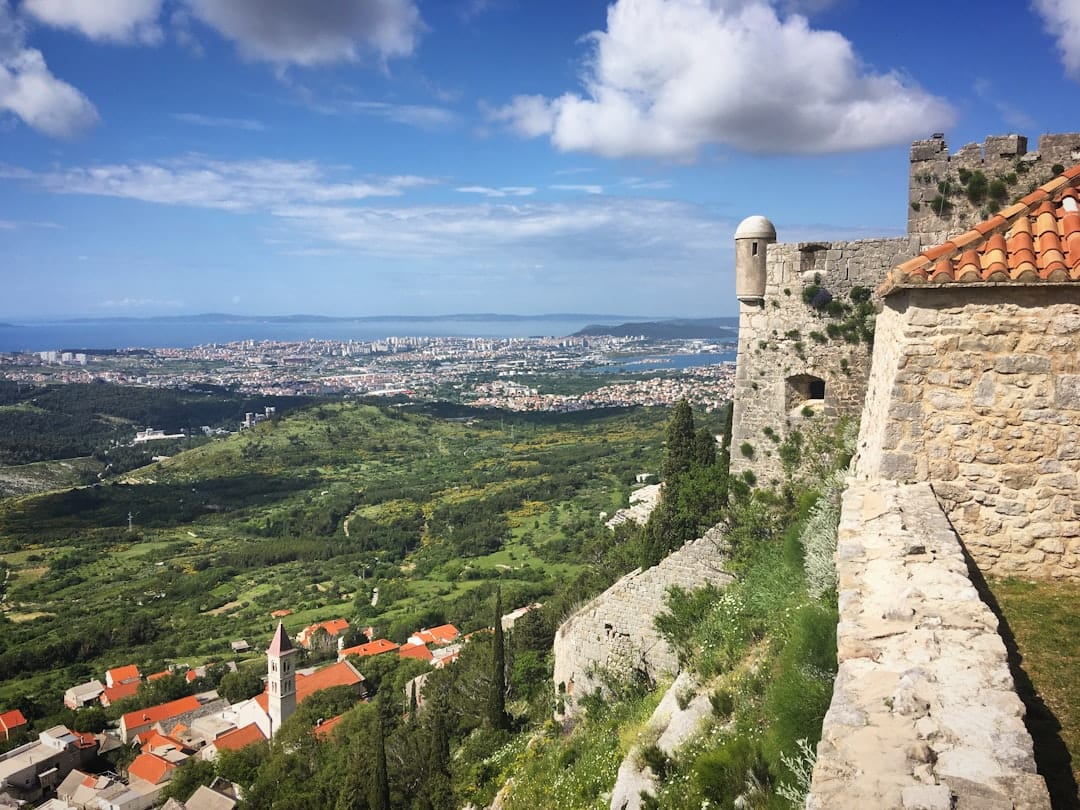
Fifteen kilometers up into the hills behind the city, Klis Fortress straddles a rock pass that has been fought over since Illyrian times — it's a 2,000-year-old stone spine guarding the only easy route from the coast to the interior. Game of Thrones fans will recognize it as the city of Meereen. Entry is €10 (about $11) for adults, €3 for children, and it's open daily 9:00 to 19:00. Insider tip: take Promet city bus number 22 from the stop beside the Croatian National Theatre (HNK) — it's a Zone 2 ticket costing a couple of euros and drops you at Klis Megdan, a three-minute walk below the fortress, a far better deal than a tour. Go late afternoon: the light is best, the day-trip buses have cleared, and the view from the ramparts back down the gorge to Split and the islands is the reason you climbed. Wear real shoes; the ramparts are uneven old stone with serious drops and no railings.
7. Krka National Park (Day Trip)
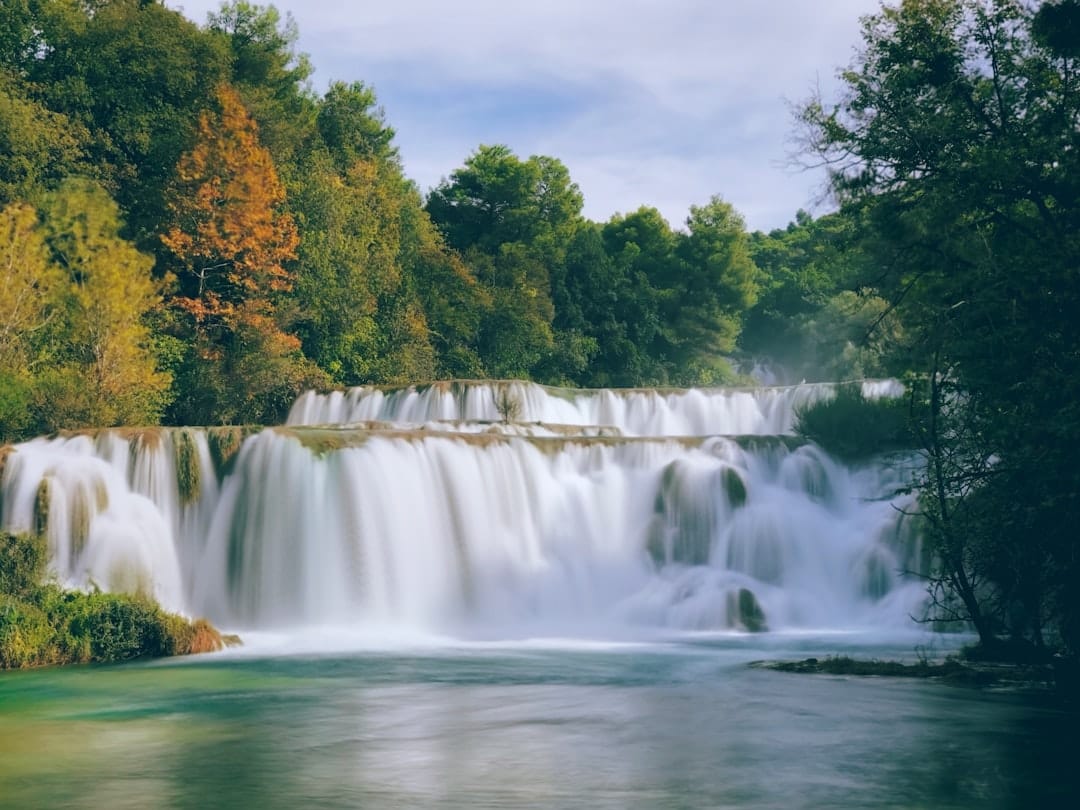
If you want waterfalls without the four-hour round trip to Plitvice, Krka is the closer, easier choice — about an hour north of Split. The headline is Skradinski Buk, a 400-meter run of travertine cascades you circle on a wooden boardwalk. Be honest with yourself about timing: the high-season adult ticket (June through September) runs around €40 (about $44), dropping to roughly €20–25 in the shoulder months of April, May, and October. Insider tip: swimming below the main falls has been banned since 2021, so ignore any old blog promising a dip — you come here to walk the boardwalks, not to bathe. Arrive at opening (the earliest buses and tours leave Split around 8am) to beat both the heat and the midday crush on the narrow walkways. Buses run from Split's main station to the park gateway towns of Skradin and Lozovac; from Skradin a park boat carries you in.
🗓️ A 3-Day Itinerary
Day 1 — The Palace, Top to Bottom
Be at the Peristyle by 8am while it's empty (free). Do the cathedral interior (€7) and climb the bell tower (€7) before 10, then drop into the substructures (€6) as the upstairs crowds build. Break for coffee on the Riva, the palm-lined seafront promenade, then walk out the Golden Gate to rub Grgur Ninski's toe (free). Lunch at Villa Spiza, a tiny no-reservations konoba on Kružićeva just inside the old town where the handwritten daily menu depends on what came off the boat — expect €12–18 (about $13–20) for a plate of fresh fish or slow-cooked pašticada. Spend the late afternoon simply getting lost in the palace lanes; you'll keep stumbling onto Roman walls wedged between gelato shops. Dinner and an evening drink in the buzzy Bačvice bar crescent. Day 1 cost, sights only: about €27 / $30 per person.
Day 2 — Marjan, Art, and the Sea
Start early and climb Marjan from the Varoš steps (free), coffee at the Vidilica viewpoint, and push on to Telegrin for the panorama. Come down via the Meštrović Gallery (€12) — give it a proper hour. Afternoon at Bačvice or, if you want clearer water, catch bus 12 to Bene beach on Marjan's tip. Late afternoon, take Promet bus 22 from the National Theatre up to Klis Fortress (€10 plus a Zone 2 bus ticket) for sunset over the gorge. Back in town, book ahead for peka — a lamb-or-octopus-and-potato feast slow-roasted under an iron bell — at a konoba like Konoba Marjan; most places need the order placed a few hours in advance. Day 2 cost, sights only: about €22 / $24 per person, plus dinner.
Day 3 — An Island or the Waterfalls
Pick one. For the sea, take the morning Jadrolinija catamaran to Hvar Town (50–65 minutes, €10–30 depending on operator and season — Jadrolinija's fast line 641 runs about €25 in high summer); wander the marble main square, climb to the Spanish Fortress for the view over the Pakleni islands, and swim before the afternoon boat back. For the waterfalls, do Krka instead (roughly €40 in peak season, less off-peak) on an early bus. Either way, spend your final Split evening on the Riva with an ice cream, watching the promenade fill up as the heat lifts. Day 3 cost: €10–40 / $11–44 depending on your pick, plus food.
🧠 Essential Tips
When to Go
Aim for September. The sea holds its summer warmth at 21–24°C, daytime air settles to a comfortable 23–25°C, and the crowds thin noticeably once the first week clears out Croatian school holidays. May is the strong spring alternative — mild days of 16–22°C, reasonable prices, and the sea just about swimmable by month's end. Avoid July and August if you can help it: peak air temperatures push past 35°C, accommodation books out three to six months ahead at top rates, and the palace lanes are genuinely uncomfortable at midday. One specific warning: Ultra Europe, one of Europe's largest electronic music festivals, takes over Park Mladeži from July 10–12, 2026, flooding the city with tens of thousands of ravers — magic if that's your scene, misery for the room rates and the 4am quiet if it isn't.
Getting Around
From Split Airport (SPU, 25km west near Trogir), the Pleso Prijevoz shuttle bus runs to the main bus station for €8 (about $9) in 30–45 minutes. Cheaper and slower is Promet city bus number 37 at €4, though it takes 50–75 minutes and stops at the suburban station. A taxi is €30–40; Uber and Bolt both operate here and usually run €20–35. In the city itself you'll mostly walk — the old town is pedestrian-only. For buses to Klis, Marjan, or the beaches, buy a Promet ticket at any Tisak kiosk or newsstand for €1; buy it from the driver and it jumps to €3, so plan ahead. For islands, the ferry and catamaran terminal is a five-minute walk from the palace, right by the bus and train stations — everything in Split is conveniently piled into one waterfront corner.
Safety and Scams
Split is very safe by European standards; violent crime against tourists is rare and the main risks are your wallet and your patience. The specific things to watch: unlicensed taxis at the airport and Riva that skip the meter — agree a price first or use Bolt. In restaurants right on the Riva and the Peristyle, check whether bread, "couvert," or per-person cover charges have been added, and confirm whether fish is priced per kilo before ordering (a whole grilled fish can run far more than you expect). Pickpocketing exists in the palace crush at peak times and on packed buses, so keep bags zipped and in front. Finally, don't rent a scooter or quad on a whim for the coastal roads — the accident rate among tourists is the real danger here, not crime.
What and Where to Eat
Dalmatian food is coastal Italian's rustic cousin: olive oil, grilled fish, and slow-cooked meat. The dishes to hunt down are pašticada (beef marinated for a day then braised with prunes and red wine, served over homemade gnocchi), crni rižot (black cuttlefish-ink risotto — it will stain your teeth, embrace it), brudet or gregada (Adriatic fish stews), soparnik (a thin chard pie from the nearby Poljica region), and peka (meat or octopus slow-roasted under an iron bell, always ordered hours ahead). For where: Konoba Fetivi in the Varoš neighborhood is a family fish tavern locals actually use; Villa Spiza near the market does a market-driven daily menu with no reservations and a short wait; Zrno Soli out at the ACI marina is the splurge, with harbor views to match. Shop the two-thousand-year-old markets while you're at it: the open-air Pazar (Green Market) just east of the Silver Gate for produce and cheese, and the Ribarnica fish market to the west — famously free of flies, thanks to a nearby sulphur spring. Finish with fritule, little rum-and-citrus doughnuts, from a stall.
🏨 Accommodation Guide
Budget (€25–60 / $27–65 a night): Split has a dense hostel scene, most of it packed into and just outside the palace walls — dorm beds run roughly €25–45 in summer, private rooms in guesthouses from about €50. Staying inside the palace is atmospheric but loud; the pedestrian lanes echo bar noise until 2am. If you value sleep, look just north or east of the center around the Manuš and Lučac streets.
Mid-range (€70–150 / $76–165): This is the sweet spot in the Varoš (Veli Varoš) neighborhood, the old fishermen's quarter of stone houses on the slope toward Marjan — walkable to everything, quieter at night, and full of small boutique guesthouses. Over in Bačvice, the Briig Boutique Hotel puts you a two-minute walk from the beach and a ten-minute walk from the palace.
Luxury (€150–300+ / $165–330+): For history, Hotel Vestibul Palace is built into the palace walls beside the Vestibule itself — you sleep inside the Roman monument. Cornaro Hotel sits just inside the old town with a rooftop bar. For a resort feel with pools and a spa, the Radisson Blu Resort is out along the redeveloped Žnjan waterfront east of the center, and Hotel Park anchors the Bačvice end with a garden and sea views.
❤️ Beyond the Tourist Trail
Two blocks can change everything in Split. Skip the Riva restaurants and walk fifteen minutes northeast to Get and the streets around Dobri, where the bakeries, barbers, and morning-coffee crowd are entirely local and the prices drop by a third. For a drink, Fabrique Pub and the little bars along Ulica Domaldova are where Split's students and off-shift waiters actually go, a world away from the palace happy hours.
History hunters should catch bus 37 (the same airport line) five kilometers north to Salona, the ruined Roman capital of Dalmatia and Diocletian's actual birthplace — a sprawling, half-wild archaeological site of amphitheater and basilica foundations where you'll often have the ruins nearly to yourself for a fraction of the palace crowds. And if your timing lines up, the Split Summer Festival (Splitsko ljeto) runs mid-July to mid-August, staging opera and drama in the Peristyle itself — watching Aida performed against a 1,700-year-old Roman backdrop is the kind of thing you plan a trip around. For a slower evening, the neighborhood of Matejuška, the old fishing harbor at the western end of the Riva, is where locals bring a bottle and sit on the breakwater at sunset — no cover charge, best seat in the city.
Let VoyaBear Plan It For You
Split packs a Roman palace, a mountain, a beach, and a dozen islands into a walkable few days — but stitching the catamaran times, the peka reservations, and the right three days into one smooth trip is exactly the fiddly part. That's what VoyaBear does. Tell us how long you've got, what you're into, and your budget, and we'll build you a personalized Split itinerary — down to which morning to climb the bell tower and which afternoon boat to catch to Hvar — so you spend your time traveling, not tab-juggling. Start planning your Croatia trip with VoyaBear, and let us handle the logistics while you handle the pašticada.