VoyaBear


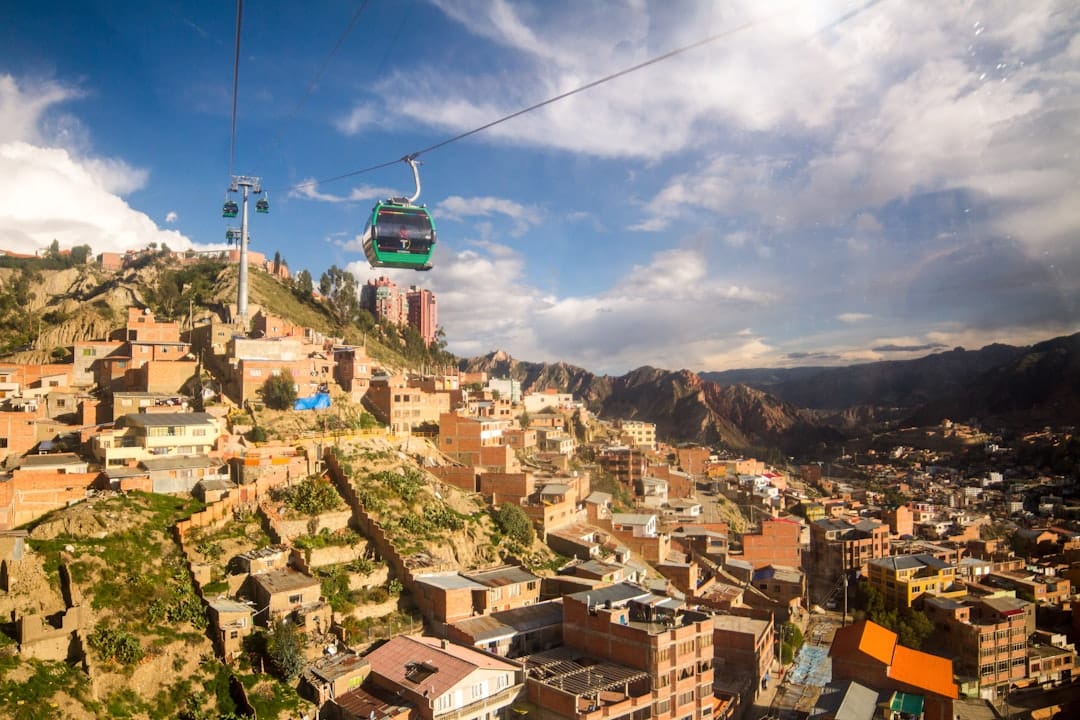
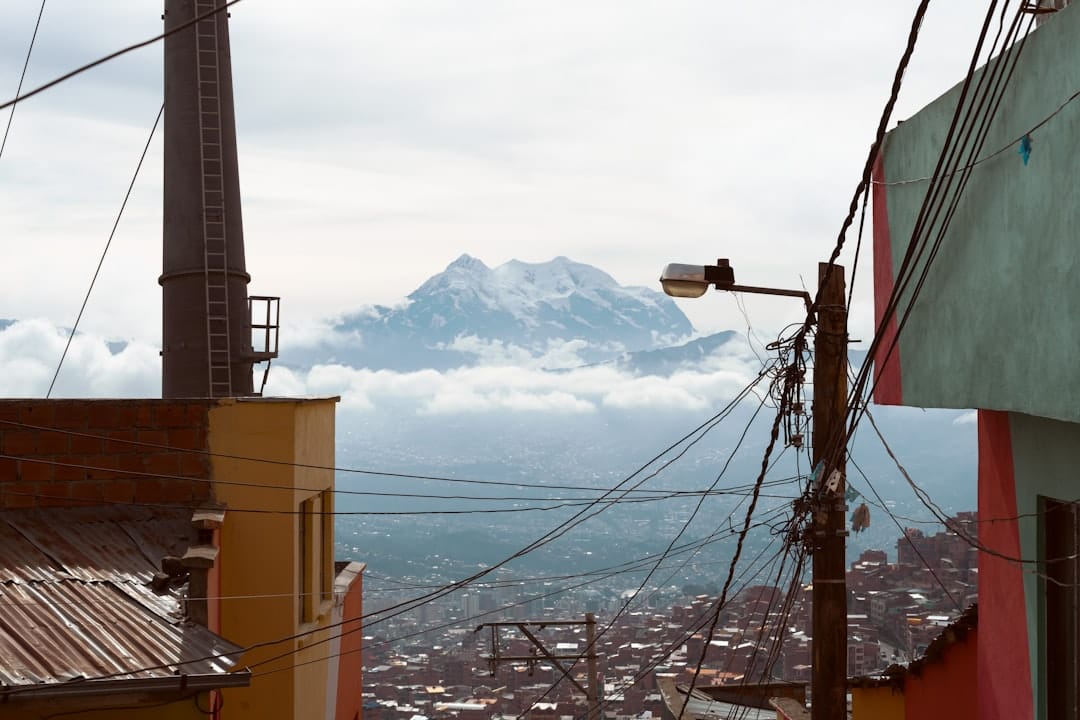
La Paz doesn't ease you in. Your plane lands at El Alto airport at 4,061 metres (13,325 feet), the highest international airport in the world, and by the time you've collected your bag your heart is already working overtime. Then the city drops away beneath you: a bowl of brick and concrete tumbling 400 metres down a canyon, with the snow-crusted triple summit of Illimani (6,438 m) hanging over the whole thing like a backdrop someone forgot to take down. This is the highest administrative capital on earth, roughly 3,640 metres above sea level in the centre, and it wears that fact on its sleeve. Cable cars glide over the rooftops, cholitas in bowler hats and layered skirts run market stalls that predate the Spanish, and you can mountain-bike down the old Yungas "Death Road" or watch women body-slam each other in a wrestling ring, all in the same 24 hours.
Here's the honest pitch for 2026: La Paz is one of the last big South American cities that hasn't been sanded down for tourists. Prices are among the lowest on the continent, a single cable-car ride costs about 43 US cents, and the Andes are close enough to reach out and touch. You just have to respect the altitude and pay attention on the street. This guide is built from verified prices, real place names, and the specific tips that make the difference between a good day and a wasted one.
🏙️ Essential Experiences
1. Mi Teleférico — the world's highest cable-car network
Forget the metro; La Paz commutes by cable car. Mi Teleférico runs ten colour-coded lines strung across the canyon, and it's genuinely the best-value sightseeing on the planet. A single line costs Bs 3 (about US$0.43 / €0.40), with each transfer adding Bs 2; you pay cash at the station window or top up the "Yala" virtual card via the official app's QR code. The Red Line (Línea Roja) was the first one built, in 2014, and it hauls you from the central station up the canyon wall to El Alto, gaining hundreds of metres in minutes with the whole city unrolling below you.
Insider tip: ride the Red Line up to El Alto around 5–5:30pm, get off at the top, and ride straight back down as the sun sets and the lights come on across the bowl. It's the single best 90 minutes in the city and it costs Bs 6 round trip. Avoid weekday rush (7–9am, 5–7pm) if you want a car to yourself.
2. Plaza San Francisco, the Basilica & the Witches' Market
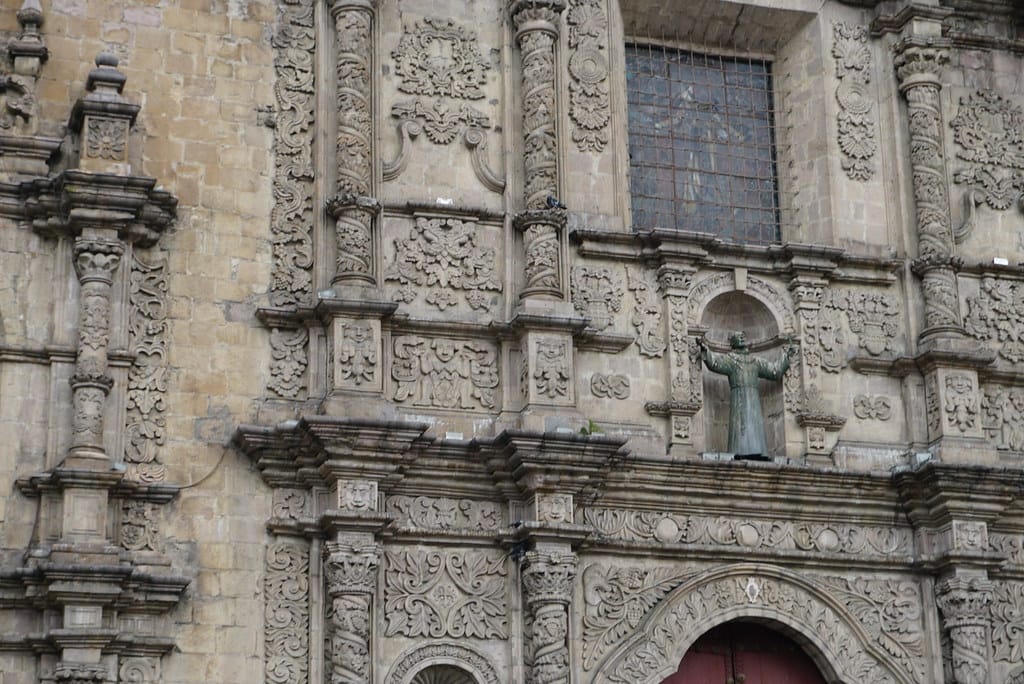
The mestizo-Baroque Basilica of San Francisco has anchored the old town since the 18th century, its facade carved with a strange, wonderful mix of Catholic saints, Andean birds, and masked faces. The church is free to enter, but pay the Bs 20 (about US$3) for the museum tour: it's the only way up to the rooftop and bell tower, where you get a close-up over the tin roofs and the plaza's chaos. Photography is banned inside the church itself.
Walk uphill from the plaza onto Calle Linares and you're in the Mercado de las Brujas (Witches' Market), where Aymara vendors sell dried llama fetuses, amulets, soapstone charms, and bundles of herbs for offerings to Pachamama, the earth mother. A llama fetus traditionally gets buried under the foundations of a new house for good luck — this is living belief, not a tourist gimmick, so browse respectfully and ask before photographing stallholders.
Insider tip: the parallel Calle Sagárnaga is the artisan drag — alpaca knits, weavings, instruments — and prices drop noticeably the further uphill you climb, away from the plaza.
3. Calle Jaén — the colonial museum street
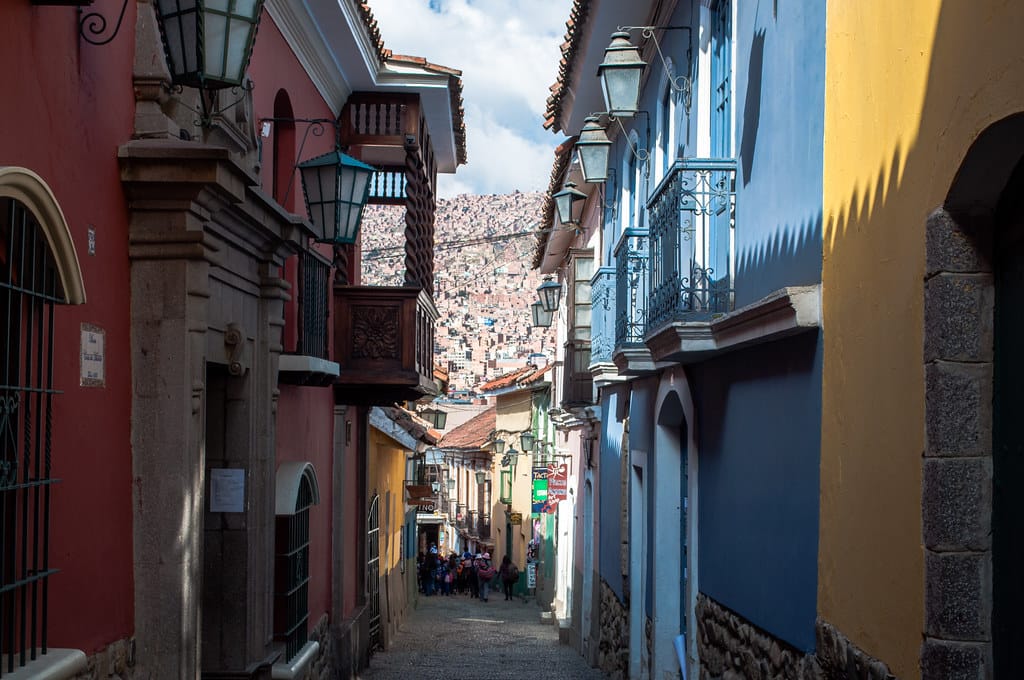
Calle Jaén is the best-preserved colonial street in the city: one narrow, cobbled, brightly painted block that survived the modern concrete tide. Packed into it are four small municipal museums that share a single low-cost ticket — the Museo Costumbrista (dioramas of old La Paz), the Casa de Pedro Domingo Murillo (a martyr of the 1809 independence uprising), the Museo del Litoral (Bolivia's raw grief over losing its Pacific coast to Chile in 1879, told through maps and relics), and the Museo de Metales Preciosos with pre-Columbian gold.
Insider tip: the Litoral museum is the one to prioritise if you want to understand modern Bolivia — the loss of the sea still shapes national politics, and there's a working navy on Lake Titicaca to prove the point. Go on a weekday morning; the museums are tiny and a single tour group fills a room.
4. Mirador Killi Killi — the 360° city view
Every mirador (viewpoint) in La Paz sells the same drug — the sight of the city climbing its canyon with Illimani behind — but Killi Killi does it best, with a near-360° panorama from a spur northeast of the centre. It's a free public park, no ticket, and a taxi from the San Francisco area runs about Bs 20–30.
Insider tip: come 45 minutes before sunset. The low light turns the brick hillsides gold, El Alto's edge lights up on the rim, and Illimani catches the last sun long after the bowl has gone into shadow. Bring a jacket — once the sun drops at this altitude the temperature falls off a cliff.
5. Valle de la Luna — badlands on the city edge
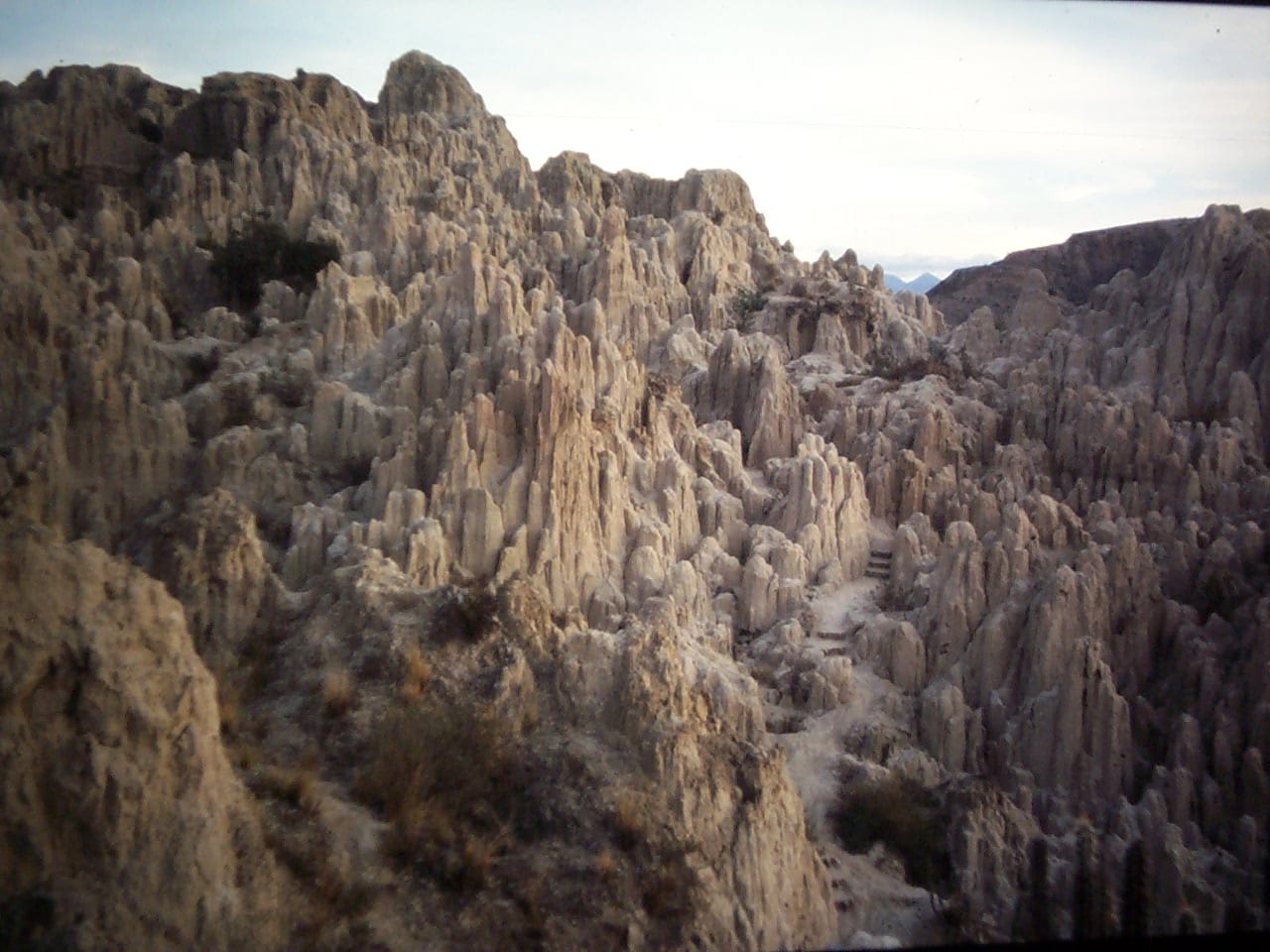
Ten kilometres south of the centre, the ground dissolves into a forest of eroded clay spires and canyons that Neil Armstrong reportedly likened to the moon — hence the name. It's small but genuinely surreal, with a home to dozens of native cactus species. Entry is Bs 15 (about US$2 / €2), and a taxi from the centre is around Bs 42 (US$6) or 20 minutes; you can also get most of the way on the teleférico's green line to Zona Sur, then a short cab.
Insider tip: there are two marked loops — a quick 15-minute circuit and a fuller 45-minute one. Take the 45. It's mid-morning-friendly and pairs neatly with lunch down in Zona Sur, which sits several hundred metres lower and noticeably warmer than the centre.
6. Biking the "Death Road" (North Yungas Road)
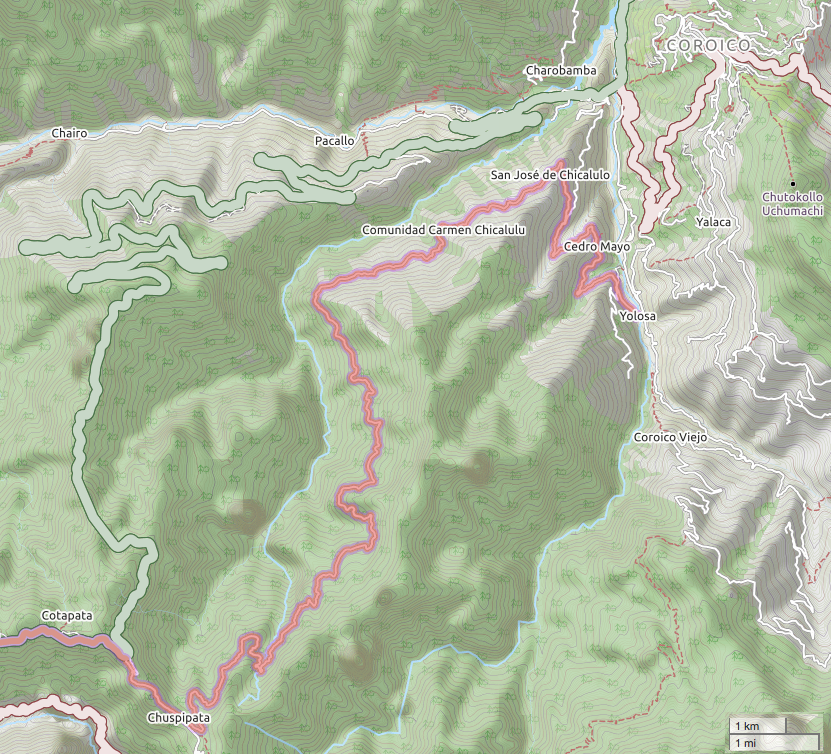
The old North Yungas Road was named the world's most dangerous road by the Inter-American Development Bank in 1995, back when buses and trucks squeezed past each other on a one-lane dirt ledge with a 600-metre drop and no railing. Traffic now uses a safer modern bypass, so the original road is given over to mountain bikers. A full-day guided descent starts at La Cumbre pass (about 4,700 m), drops roughly 64 km down to Yolosa near the jungle at around 1,200 m, and costs about US$66 (€61) for a standard tour or US$99 with upgraded bikes; expect a 6am start and a return around 8pm, with meals, gear, and a support vehicle included.
Insider tip: this is the one activity where you do not shop on price. Go with a long-established operator (Gravity Bolivia is the original and the most cited), which means maintained full-suspension bikes and guides who ride it daily. The cheapest tours cut corners on exactly the equipment keeping you alive.
7. Cholita wrestling in El Alto
Up in El Alto, indigenous Aymara women in full traditional dress — bowler hats, pollera skirts, shawls — climb into a wrestling ring and throw each other (and the occasional male opponent) around to a roaring local crowd. Cholitas Luchadoras is part lucha libre, part theatre, part genuine cultural pride, staged at the Multifuncional in El Alto's La Ceja district on Thursday evenings and Sunday afternoons.
Insider tip: book a package through a tour operator or your hostel — roughly US$15–20 — which gets you round-trip transport and a front-row "tourist" seat with a drink and snacks. El Alto is a long, confusing haul from central La Paz and not a place to be wandering at night looking for the venue, so the transport alone is worth it.

8. Tiwanaku — the pre-Inca city
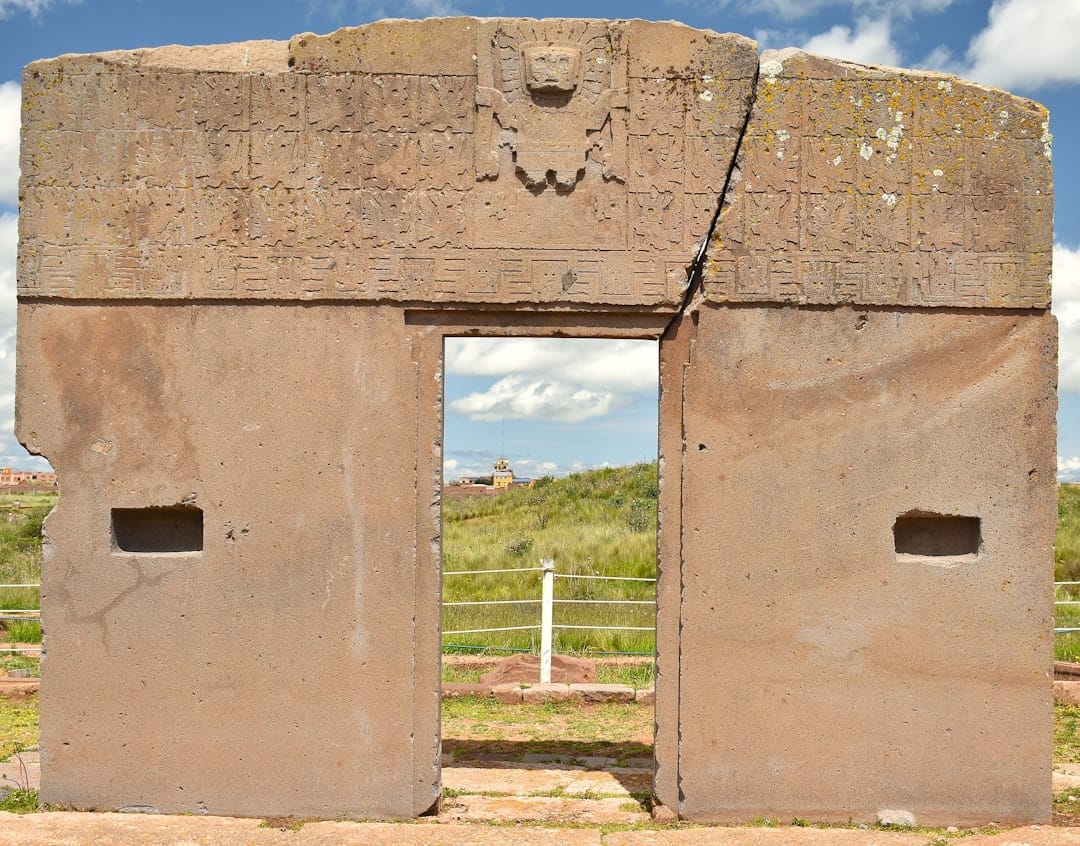
Seventy-two kilometres west of La Paz, out on the high altiplano toward Lake Titicaca, stand the ruins of Tiwanaku, the ceremonial capital of a civilisation that peaked around 500–1000 AD, centuries before the Inca. This UNESCO World Heritage site holds the monolithic Gate of the Sun, the sunken temple lined with carved stone faces, the Kalasasaya platform, and the Akapana pyramid. Guided day tours from La Paz take about 1.5–2 hours each way and include site entry and its two museums.
Insider tip: it's flat, treeless, and higher than La Paz — the sun and wind are brutal, so bring a hat, sunscreen, and a wind layer even if the city was mild. A guide is worth it here; without the context, the stones are just stones.
🗓️ A 3-Day Itinerary
Day 1 — Acclimatise in the historic centre
This is a deliberately gentle day, because your body is adjusting to 3,640 metres and pushing hard now will wreck the rest of the trip. Start mid-morning with salteñas — juicy, sweet-spicy baked empanadas — at Paceña La Salteña (roughly Bs 12–15 / US$2 each); locals eat them before noon and then they're gone. Walk to Plaza San Francisco, do the basilica rooftop tour (Bs 20 / US$3), then wander up into the Witches' Market and Calle Sagárnaga. Lunch cheaply at the Mercado Lanza food market beside the plaza (a set almuerzo runs about Bs 20 / US$3). In the afternoon stroll to Plaza Murillo — the presidential palace, cathedral, and congress all face it — and finish along the museums of Calle Jaén. As the sun drops, ride the Red Line teleférico up to El Alto and back (Bs 6 / US$0.85 round trip). Keep dinner light and skip alcohol tonight.
Day 2 — Moon valley, viewpoints & cholita night
Taxi or teleférico down to Valle de la Luna (entry Bs 15 / US$2) for the 45-minute loop, then continue into leafy Zona Sur for lunch at a lower, warmer altitude. If you can get a reservation, save the evening for Gustu in Calacoto (below). Late afternoon, head to Mirador Killi Killi for sunset (free). If it's a Thursday or Sunday, cap the night with cholita wrestling in El Alto (~US$15–20 with transport). Otherwise, eat anticuchos — grilled beef-heart skewers with peanut sauce — from the evening street grills around Plaza Avaroa in Sopocachi (about Bs 15 / US$2 a plate).
Day 3 — One big adventure
Pick your poison. Adrenaline: the full-day Death Road mountain-bike descent (about US$66 / €61, out by 6am, back by 8pm). History: a Tiwanaku day tour (typically US$30–45 including transport and entry). Either fills the whole day and both return in the evening — leave your flight for the following morning, not tonight, since altiplano day trips run late. Farewell dinner back in Sopocachi, the city's restaurant-and-bar district along Avenida 20 de Octubre.
🧠 Essential Tips
Best time to visit
Go in the dry season, May to October — reliably sunny days, crisp clear views of the Andes, and passable roads for the Death Road and Titicaca trips. The trade-off is cold nights that can drop below freezing at this altitude, so pack layers regardless of the month. The rainy season (November–March) brings afternoon downpours that can close or muddy the day-trip routes. If you want a spectacle, the Gran Poder festival — a UNESCO-recognised parade of some 130,000 dancers and musicians winding about 8 km through the city — usually falls in late May or early June; note that in 2026, road blockades pushed it back to Saturday, 1 August, so check the current date before planning around it.
Altitude — take it seriously
You land at 4,061 m and sleep at ~3,640 m, so soroche (altitude sickness) is real: headache, breathlessness, poor sleep. Spend your first 24 hours slow, drink lots of water, skip alcohol, and lean on coca tea (mate de coca) or coca leaves, which every hotel and market has. If you have the flexibility, staying in lower Zona Sur (~3,200 m) makes the first nights easier to sleep through. Anyone with heart or lung conditions should talk to a doctor about altitude medication before flying in.
Getting in and around
From El Alto airport (LPB), 13 km from the centre, a taxi to town is about Bs 100 (US$14 / €12.40) and takes 30–40 minutes; the public bus route 212 runs the same trip for under Bs 5 (05:00–23:00) but with luggage and altitude on arrival, most people take the cab. In the city, the teleférico plus minibuses cover almost everything for pocket change. For door-to-door, inDrive is the ride-hailing app locals actually use (Uber's presence is thin); it lets you set your own fare and skips the taxi-negotiation dance.
Safety — the specific stuff
La Paz is manageable if you know the real risks. The biggest is the fake-police scam: someone in a convincing uniform, sometimes with a fake "tourist" accomplice, asks to check your documents or bag. Real police cannot stop you without written orders — never get into an unmarked vehicle, refuse to hand over your passport, and insist on walking to a nearby shop or hotel to verify. Related is express kidnapping via unofficial taxis, so use radio taxis (a company name and phone number painted on the car) or inDrive, especially after dark. In crowded markets, watch for the distraction scam — someone "accidentally" spills something on you while a partner lifts your bag — and keep your daypack on your front. Avoid the Cemetery district and El Alto's fringes after dark, and check your change: counterfeit banknotes circulate, so get cash from bank ATMs.
What to eat
Beyond salteñas and anticuchos, try api con pastel — a hot, sweet purple-corn drink with a fried cheese pastry, a classic breakfast at Mercado Lanza — and the sandwich de chola, slow-roast pork in a crusty roll with pickled vegetables, sold from carts around Mercado Rodríguez. For a splurge, Gustu in Zona Sur (Calacoto) is the fine-dining landmark, founded by Claus Meyer, co-founder of Copenhagen's Noma; its tasting menu is built entirely from Bolivian ingredients and it regularly appears on Latin America's 50 Best list. Reserve well ahead.
🏨 Accommodation Guide
Budget (US$10–40): The Zona Centro and San Pedro neighbourhoods are the backpacker heartland, walkable to the main sights. Wild Rover and Loki are the big social/party hostels; Saint Peter's Llama Hostel is a calmer, sustainable option near the Prado. Dorm beds run roughly US$8–15 and private rooms US$25–40.
Mid-range (US$50–90): Sopocachi is the sweet spot — central, safe, and stacked with restaurants and bars along Avenida 20 de Octubre. Look at Hotel Las Brisas or the boutique Hostal Iskanwaya; Madero Hotel near San Pedro is reliable for hot water, which is not a given at altitude.
Luxury (US$120–250): Stannum Boutique Hotel & Spa occupies the top floors of a Sopocachi tower with floor-to-ceiling city views. In upscale Zona Sur, the Atix Hotel in San Miguel (a Design Hotels member, rooms from about US$114 / €105) is the design landmark, with a rooftop bar and a serious art collection; Casa Grande in Calacoto is the polished business-luxury pick. Zona Sur's lower altitude (~3,200 m) is a genuine perk for sleep, though it's 30–40 minutes from the historic centre.
🎭 Beyond the Tourist Trail
Most visitors treat El Alto as just the airport, but the city on the rim is where La Paz is changing fastest. Its 16 de Julio market, held Thursdays and Sundays, is one of the largest open-air markets in South America — you can buy literally anything across acres of stalls. El Alto is also home to the "cholets", the wildly colourful neo-Andean mansions designed by architect Freddy Mamani, whose facades fuse Aymara textile patterns with Vegas-level flash; several are along Avenida 6 de Marzo and are unlike anything else on the continent.
Back down in the city, skip the touristy folklore shows and find a peña in Sopocachi for live Andean music over a bottle of Bolivian singani (the national grape spirit). And for a quick, photogenic detour, the hillside neighbourhood of Chualluma was painted top to bottom in murals and bright colour — a short taxi from the centre and a very different face of the city than the museum blocks.
❤️ Let VoyaBear Plan Your La Paz Trip
La Paz rewards travellers who get the details right — the altitude pacing, the safe taxis, the day-trip you can actually book on the dates you're there, the reservation at Gustu made a week in advance. That's exactly what VoyaBear does. Tell us how many days you have, your budget, and whether you're here for the biking or the ruins or just the markets and miradors, and we'll build you a personalised, hour-by-hour itinerary with the bookings, the routes, and the local tips already sorted. Start planning your Bolivia trip with VoyaBear today — and spend your time in the thin air, not on the logistics.