VoyaBear


Tallinn packs a fully walled medieval city into an area you can cross in fifteen minutes on foot, then hands you free 5G, an e-residency program, and a converted Soviet factory district serving flat whites next to a Michelin-listed kitchen. The Old Town has kept its 13th-century street plan, its town wall, and 20-odd defensive towers largely intact, which is why UNESCO listed it in 1997 and why it still doesn't feel like a theme park. Estonia joined the euro in 2011, so there's no currency math, and September 2026 is one of the best windows to come: 13–19°C, daylight still stretching past 7pm, and the cruise-ship crush of July gone. Here's how to spend three days here without eating a single overpriced "medieval" meal aimed at day-trippers.
🏙️ Essential Experiences
Raekoja plats and the Town Hall
The Town Hall Square (Raekoja plats) is the center of the Lower Town, ringed by merchant houses and anchored by the Tallinn Town Hall (Raekoda), the only surviving Gothic town hall in Northern Europe, finished in 1404. The square itself costs nothing to stand in and is where the Christmas market sets up from late November. The Town Hall's interior and its 64-metre tower are open to climb only in summer, roughly June to August, 11:00–16:00. Don't eat on the square itself — the restaurants with costumed staff and "1470s recipes" are priced for cruise passengers with two hours to kill.
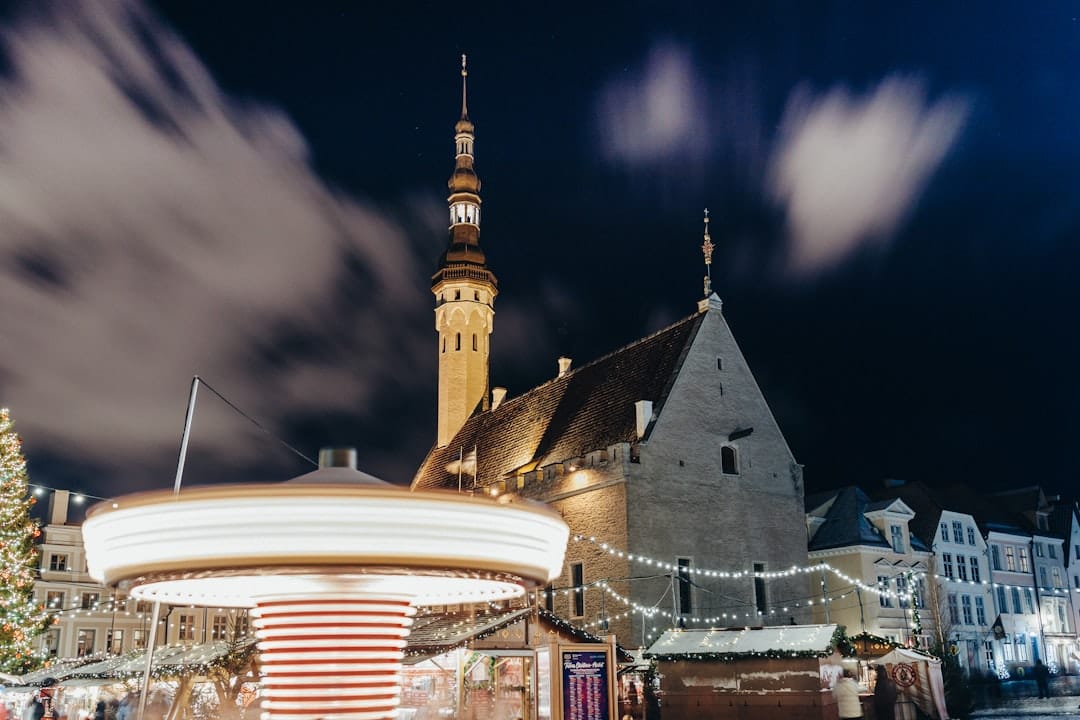
Insider tip: Duck one block northeast to Raeapteek, the Town Hall Pharmacy, still operating as a pharmacy and already on its third owner by 1422 — one of the oldest continuously running pharmacies in Europe. There's a small free museum room of old instruments and dried oddities at the back. It takes ten minutes and it's free.
Alexander Nevsky Cathedral
The onion-domed Russian Orthodox cathedral on top of Toompea hill was built between 1894 and 1900, when Estonia was part of the Russian Empire — deliberately planted opposite the seat of power, which is why Estonians have had a complicated relationship with it ever since. The interior is dim, gilded, and covered in mosaics and icons; entry is free.
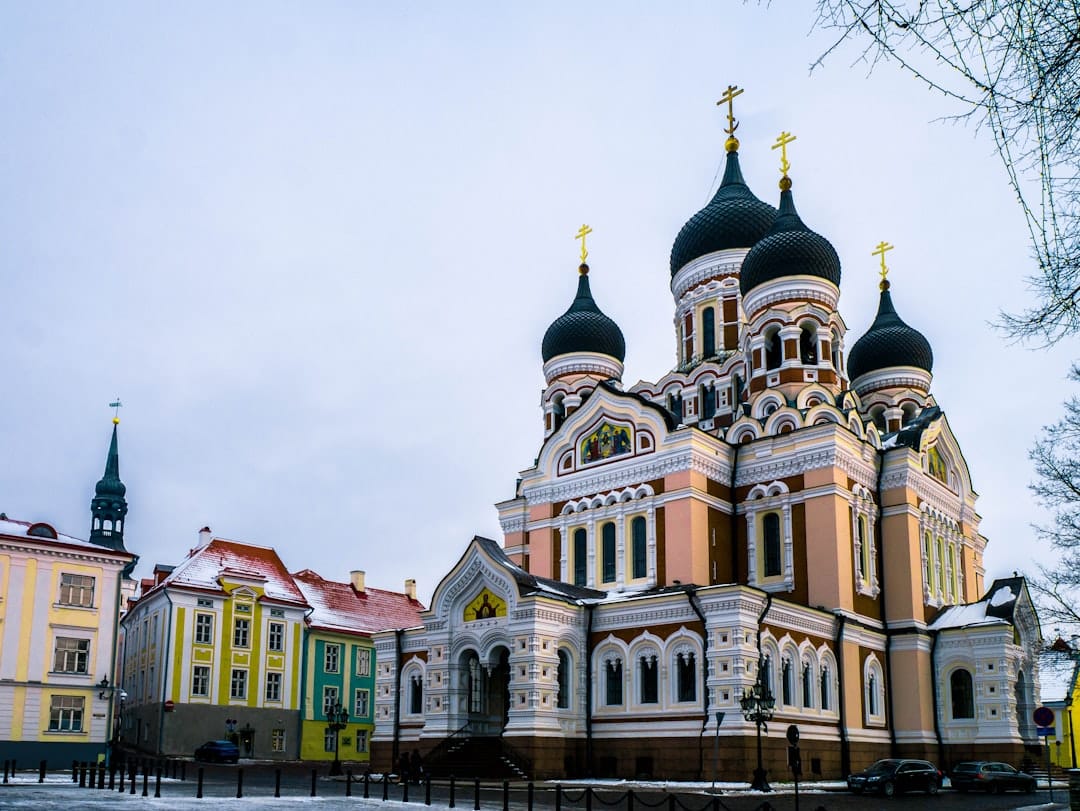
Insider tip: It's open daily from about 08:00 to 19:00 but closes to visitors during services (weekday services around 09:00 and 18:00), so aim for mid-morning or early afternoon. Shoulders and knees must be covered for everyone; wraps are usually available at the door. Photography without flash is tolerated when there's no service — put the phone away the moment one starts.
The Toompea viewing platforms
The single best view of the red-roofed Lower Town is free. Two railed platforms sit on the edge of Toompea: Kohtuotsa, facing east over the spires of St Olaf's and the Town Hall toward the ferry port, and Patkuli, facing northwest over the train station and the remaining stretch of town wall. Kohtuotsa is the one with the "The Times We Had" slogan bolted to the wall that every guidebook cover uses.
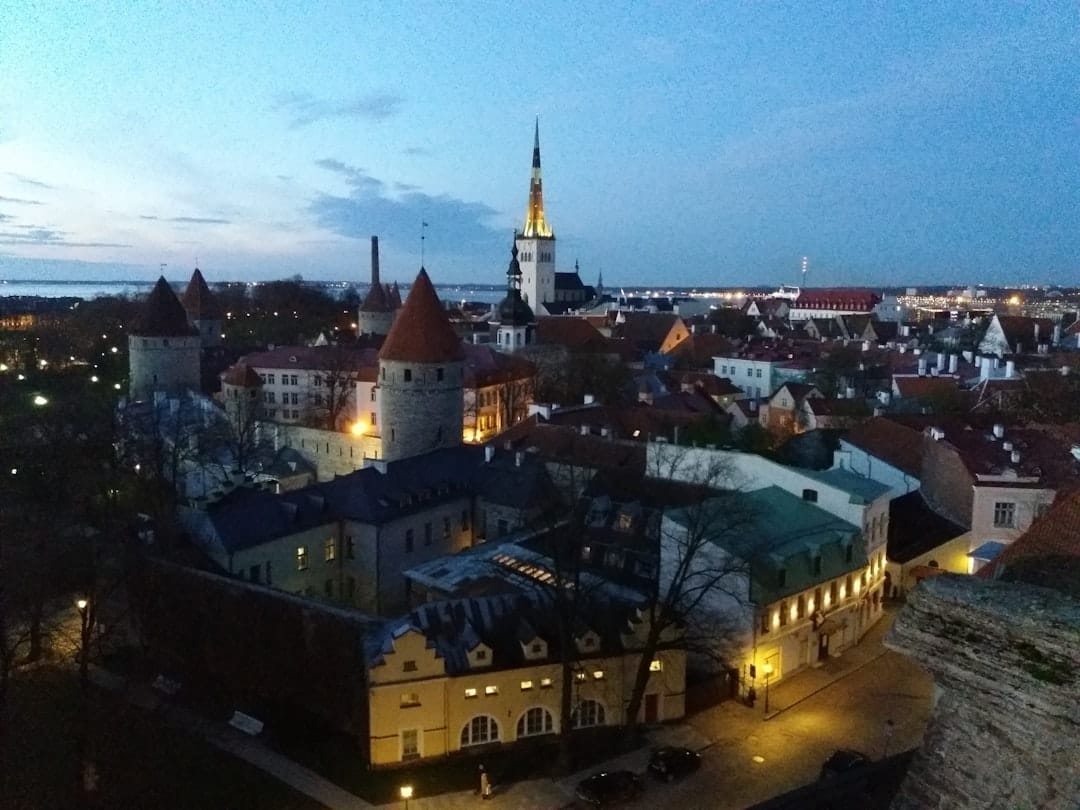
Insider tip: Both are a two-minute walk apart, so do them together. Come before 10:00 or after 18:00 to get a clear shot of the railing — mid-day tour groups stack three deep at Kohtuotsa. Walk up via the Lühike jalg ("short leg") lane and down via Pikk jalg ("long leg") to see both medieval gate-passages between the upper and lower towns.
St Olaf's Church tower
St Olaf's (Oleviste) is the Gothic church whose green spire dominates every skyline photo of Tallinn; for a stretch in the 16th and early 17th centuries locals claim it was the tallest building in the world. You can climb the tower for a 360-degree view that beats the free platforms for sheer height, looking straight down onto the Old Town's chimneys and out to the Gulf of Finland.
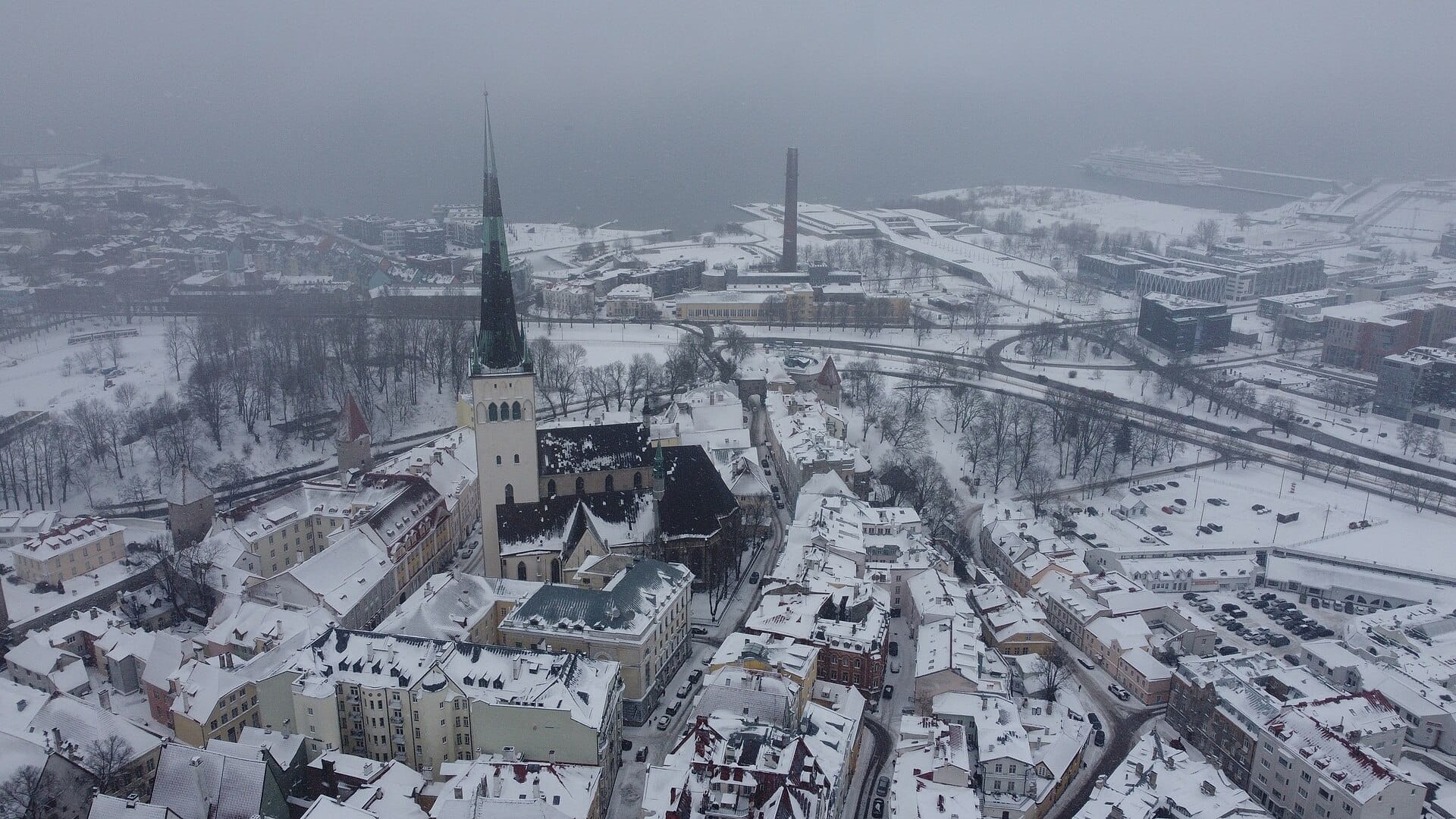
Insider tip: The climb is 258 narrow, winding steps with no lift, and the tickets cost about €5 (~$5.40), paid at the door on Lai/Olevimägi street. It's open only April to October — daily 10:00–18:00 in spring and autumn, 10:00–20:00 in June through August. The platform holds maybe 10–15 people, so queues build fast in July; go before 11:00 or after 15:00.
Kiek in de Kök and the Bastion Passages
Kiek in de Kök is a squat 15th-century artillery tower whose name is Low German for "peek into the kitchen" — it was tall enough for guards to look down through neighbours' chimneys. Today it's a fortifications museum, and its real draw is underneath: the Bastion Passages, a network of 17th-century Swedish-era tunnels dug inside the earthwork ramparts, later used as WWII air-raid shelters and a Cold War hangout for the city's punks.
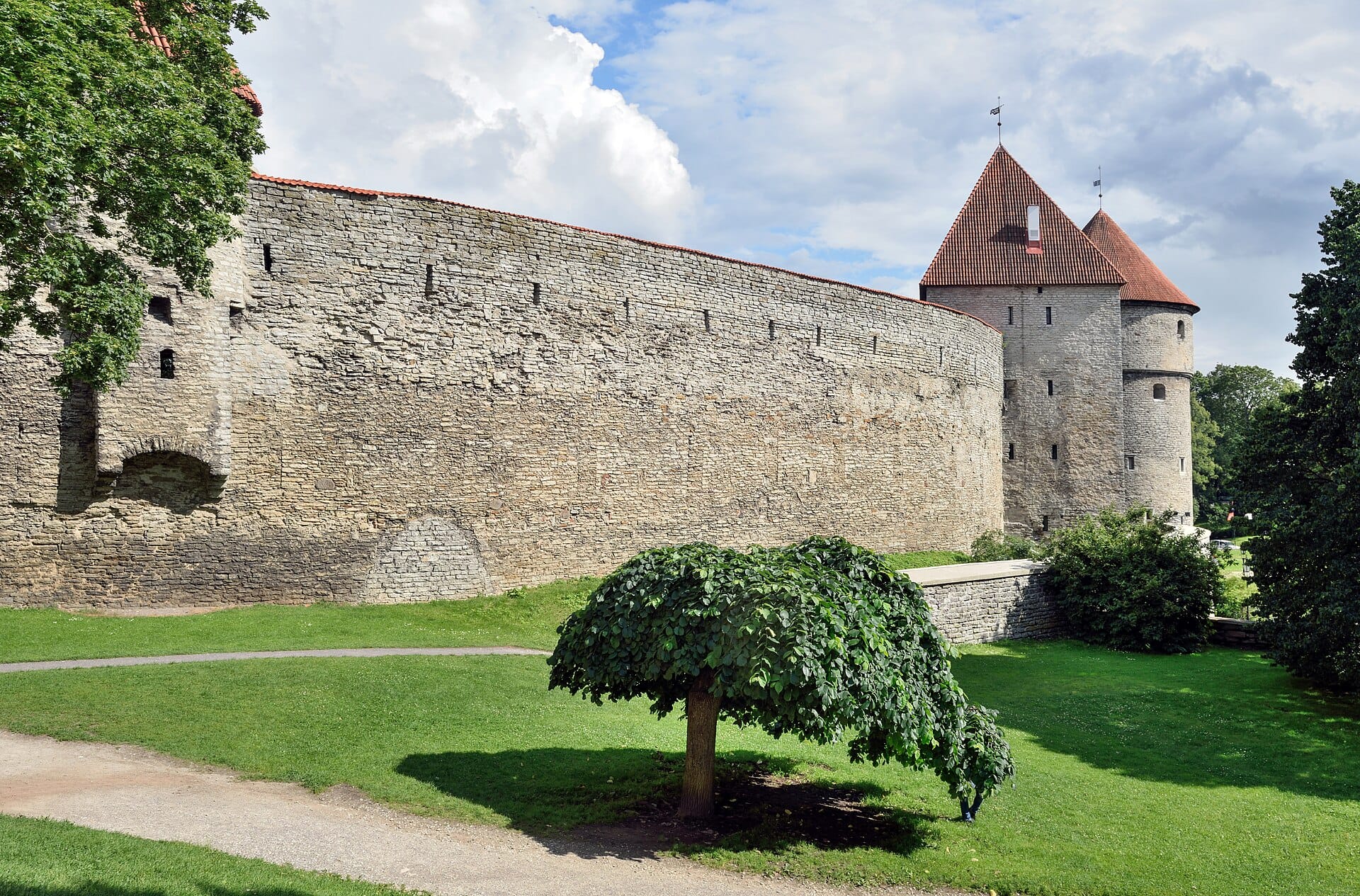
Insider tip: A ticket to the Bastion Passages and carved-stone museum is €10 (~$10.80); the combined ticket for the whole complex, including the tower floors, is €16 (~$17.30). You can walk the tunnels on your own without a booked tour. It's open 11:00–18:00, daily May–September and Tuesday–Sunday the rest of the year. Bring a layer — the passages sit at a steady, cool cellar temperature year-round.
Kadriorg Palace, KUMU and the park
Peter the Great started building the pink Baroque Kadriorg Palace in 1718 and named it for his wife Catherine (Kadriorg means "Catherine's valley"). The palace now holds the Kadriorg Art Museum's collection of foreign Old Master and Baroque works, but the reason to make the trip is KUMU, the striking copper-and-limestone national art museum built into the hillside behind the park, which walks you through 300 years of Estonian art including the propaganda-heavy Soviet decades.
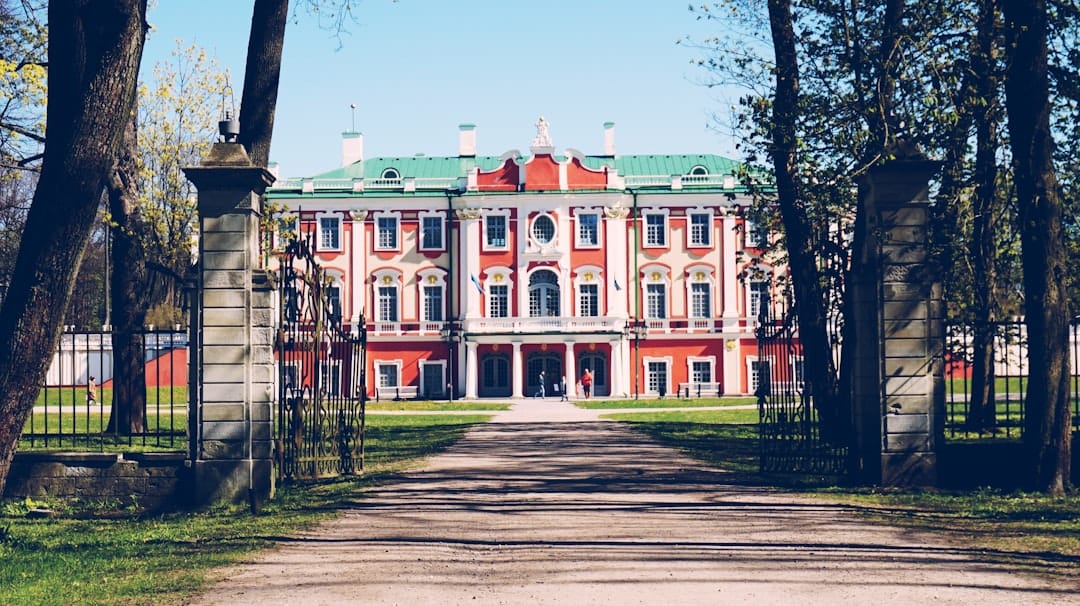
Insider tip: KUMU admission is €16 (~$17.30) and the Kadriorg Art Museum in the palace is €15 (~$16.20); both close on Mondays. The park itself — formal flower gardens, the swan pond, and the Russalka memorial down by the sea — is free and beautiful, especially in May when it blooms. Take tram 1 or 3 from the centre to the Kadriorg stop; it's about a 10-minute ride.
Seaplane Harbour (Lennusadam)
This is the best museum in the country and it isn't close. The Seaplane Harbour, part of the Estonian Maritime Museum, fills a vast 1917 seaplane hangar whose thin concrete-shell roof was a feat of engineering when it was poured. Inside, walkways run over, around and into the exhibits: the centrepiece is the 1936 submarine Lembit, which you climb inside, plus a full-size replica seaplane hanging from the roof and a century of naval clutter. Moored outside is the steam-powered icebreaker Suur Tõll.
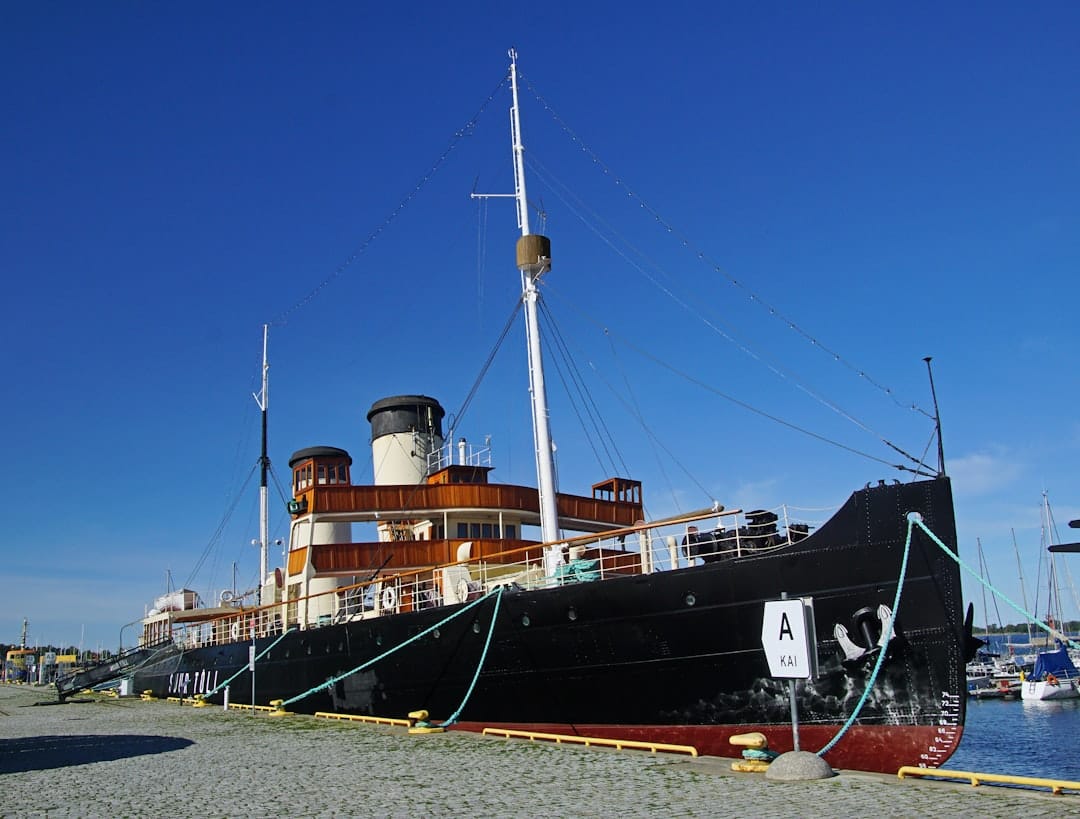
Insider tip: Adult tickets are €22 (~$23.75), children 9–18 and students €11, and a family ticket (up to two adults) is €40 (~$43). Add the €5 audio guide — the submarine especially makes far more sense with it. It's open 10:00–19:00 May–September (10:00–17:00 and closed Mondays in the off-season). Budget two hours. It's a 20-minute walk from the Old Town along the water, or a short tram-plus-walk.
Telliskivi Creative City and Balti Jaam Market
Telliskivi is a former railway-repair complex just outside the Old Town wall, now Tallinn's clearest window into how the city actually lives in 2026: warehouses full of design studios, record shops, a weekend flea market, and the Nordic outpost of Fotografiska, the Stockholm photography museum. Right beside it is Balti Jaam Market (Balti Jaama Turg), a three-level market hall next to the train station selling everything from smoked Baltic sprats to vintage Soviet cameras.
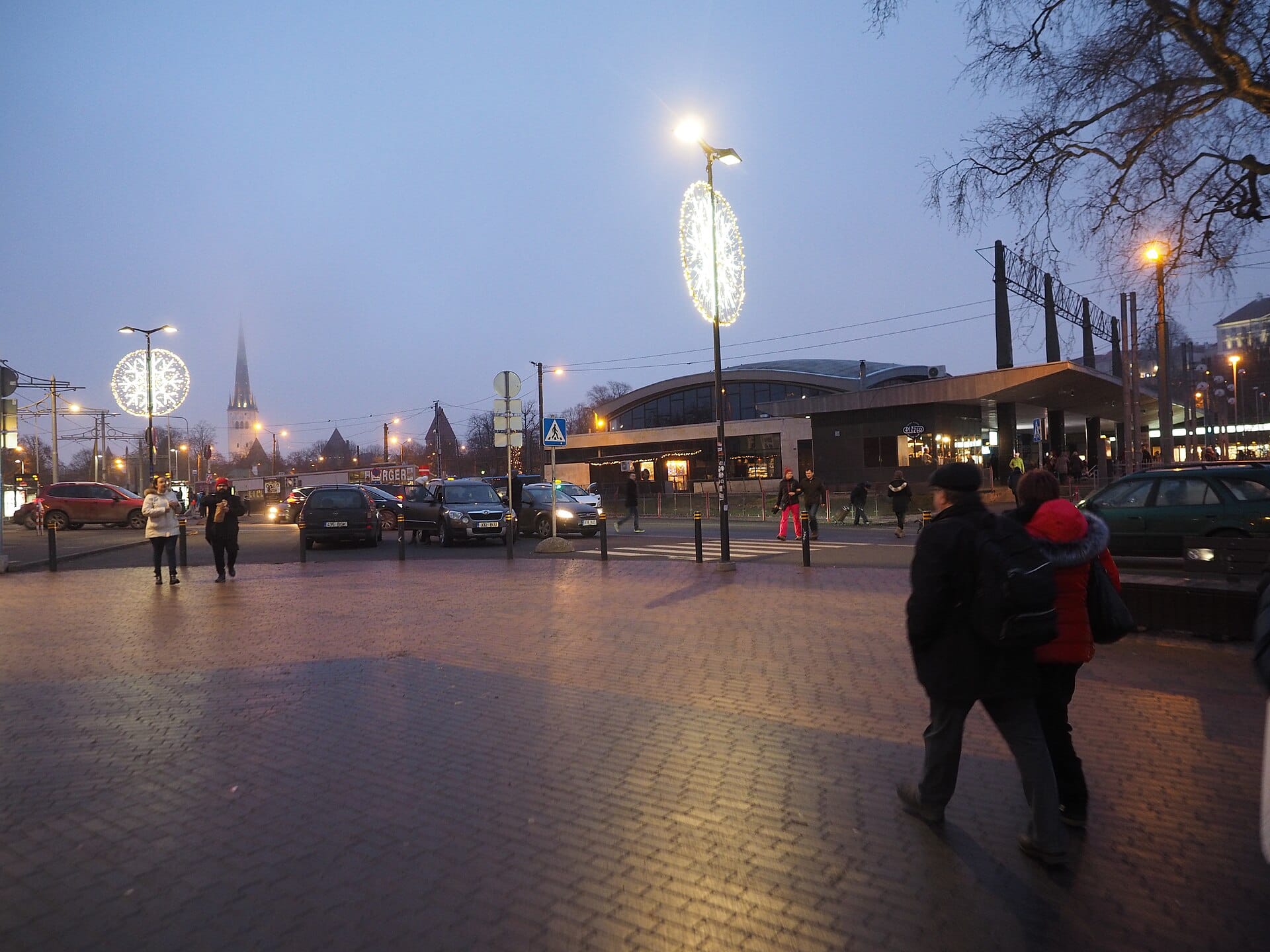
Insider tip: Skip the Old Town's tourist restaurants and eat lunch here instead — a fresh smoked-fish sandwich at the market runs €4–6 (~$4.50–6.50), and the Depoo food-hall stalls at Kopli 1 next door do full plates for €6–12. It's a 5–10 minute walk from Raekoja plats through the Balti Jaam side of the wall.
🗓️ A 3-Day Itinerary
Day 1 — The Lower Town, wall to wall
Start at Raekoja plats (free) when it's quiet, around 09:00, and visit Raeapteek (free). Wander St Catherine's Passage and the Masters' Courtyard off Vene street, then follow Müürivahe along the inside of the town wall to the Viru Gate. Climb St Olaf's tower (€5 / ~$5.40) before 11:00 while the platform is empty. Lunch at Balti Jaam Market (€5–8 / ~$5.50–8.50) just outside the wall. In the afternoon walk a section of the wall at the Hellemann Tower and Nunne towers, then have an early dinner at Rataskaevu 16, one of the most-booked restaurants in town — mains around €16–22 (~$17–24). Reserve a day or two ahead; walk-ins wait. Rough day cost, sights + two meals: €35–50 (~$38–54) per person.
Day 2 — Toompea and Kadriorg
Walk up Pikk jalg to Toompea. See Alexander Nevsky Cathedral (free) and the Lutheran Dome Church, then hit the Kohtuotsa and Patkuli viewpoints (free) before the tour buses. Do Kiek in de Kök and the Bastion Passages (€10–16 / ~$11–17) late morning. Grab a quick lunch, then take tram 1 or 3 to Kadriorg (€1.50 / ~$1.60, ~10 min). Spend the afternoon at KUMU (€16 / ~$17.30) and stroll the park to the Russalka memorial on the coast. Dinner near the water — NOA on the Kadriorg shoreline is the ambitious option if you want a splurge. Rough day cost: €40–70 (~$43–76) per person, museum-dependent.
Day 3 — The waterfront and the creative districts
Open the Seaplane Harbour (€22 / ~$23.75) at 10:00 and give it two hours. Walk back toward the city along the sea, cutting through Kalamaja's wooden-house streets, and have lunch at Balti Jaam Market or the Depoo stalls (€6–12 / ~$6.50–13). Spend the afternoon at Telliskivi and Fotografiska, then push on to Noblessner, the old submarine shipyard on the coast, for a beer at the Põhjala Tap Room. If the weather turns, the Teletorn (TV Tower) observation deck is the all-weather backup. Rough day cost: €35–55 (~$38–60) per person.
🧠 Essential Tips
When to go
September is arguably the single best month: 13–19°C, lingering summer light, thinner crowds, and hotel prices below the July–August peak. May is the other sweet spot — 13–17°C and Kadriorg in bloom. July and August are warmest (20–25°C, occasionally touching 30) with daylight past 22:00, but Raekoja plats can feel crowded by 11:00 and prices peak. Winter is genuinely cold, −5 to −8°C, with only about 7 hours of daylight in January, but that's when the Christmas market takes over the main square (opening the last Saturday of November and running to early January) and hotels are at their cheapest.
Getting in from the airport
Lennart Meri Tallinn Airport sits just 4 km from the centre, which is why tram line 4 to the Old Town is such a bargain: €1.50 (~$1.60), 15–20 minutes, tapped straight onto the yellow validator with any contactless bank card or phone — no separate ticket needed. A Bolt (the Estonian-built ride app locals actually use) runs €5–8 (~$5.50–8.50), and a metered taxi €12–18 (~$13–19.50).
Getting around
You'll walk almost everywhere in the Old Town — it's tiny. For trams and buses to Kadriorg, Telliskivi or the port, a single ride is €1.50 paid by contactless tap or the Pilet24 app; a 24-hour ticket is about €5 and 72 hours about €9. Free public transport applies only to residents registered in Tallinn, so as a visitor you do pay. If you're museum-heavy, price out the Tallinn Card (€29–51 depending on length), which bundles transport with entry to most sights.
Safety and the scams that exist
Tallinn is one of Europe's safest capitals, and violent crime against tourists is rare. The real hazards are your wallet and your ankles. Avoid unmarked taxis idling at the port and airport — some post absurd per-kilometre rates on the window and it's technically legal; use Bolt or an official metered cab instead. The "medieval" restaurants directly on Raekoja plats are a tourist trap, not a scam, but you'll pay double for worse food than you'd get two streets away. In winter the limestone cobbles get lethally slick, so wear real grip. Summer pickpocketing happens in the tightest Old Town choke points and on the ferry to Helsinki — normal precautions cover it.
What to eat
Estonian food is hearty and Nordic-adjacent: dense, near-black rye bread (leib), smoked Baltic fish, and in the cold months verivorst (blood sausage) with sauerkraut and lingonberry jam. Try mulgipuder, a barley-and-potato mash, at Rataskaevu 16. For the traditional-inn version of pork and sausage, Kuldse Notsu Kõrts ("The Golden Piglet Inn") on Dunkri 8 is honest and fairly priced; for house-baked bread and modern Estonian plates, Leib Resto ja Aed at Uus 31 does mains around €18–28 (~$19–30). Save room for marzipan — Tallinn claims to have invented it, and Maiasmokk on Pikk street has been selling hand-painted marzipan figures since 1864. The Kalev brand is the mass-market one you'll see everywhere.
🏨 Accommodation Guide
Budget (€25–70 / ~$27–76 a night): Hostels and guesthouses cluster in the Old Town and, better value, in Kalamaja. Kalamaja runs 20–40% cheaper than inside the wall, with wooden-house charm and a 20–25 minute walk (or a short tram) to Raekoja plats. Dorm beds start around €25–35 and simple doubles from the €50s. Cheapest hotel doubles across the city start near $34.
Mid-range (€80–160 / ~$86–173): A mid-range double in the Old Town runs €90–160, so if you want the medieval-lane experience, book here for the atmosphere and short walks — just be aware summer weekend nights bring pub-crawl noise until 2am. For quieter and slightly cheaper, Kalamaja doubles sit at €65–110, and the modern Rotermann/Kesklinn district between the Old Town and the station runs €80–130 and is the most convenient for trains and buses.
Luxury (€200+ / ~$216+): The two landmark five-stars are both inside the Old Town: Hotel Telegraaf, an Autograph Collection property with a spa in a former telegraph exchange, and the Schlössle Hotel, a Small Luxury Hotels member in a set of restored merchant houses off Pühavaimu street. Both put you steps from Raekoja plats.
❤️ Beyond the Tourist Trail
Most day-trippers never leave the wall, which is exactly why you should. Kalamaja, the old fishermen's and factory-workers' district north of the station, is the best walk in the city that has no monuments: pastel wooden houses, the tree-filled Kalamaja cemetery park, and cafés where the crowd is local. Keep going to Noblessner, a former Tsarist-era submarine shipyard on the coast that's been reborn as a seafront quarter — the Põhjala Tap Room brewery, the PROTO Invention Factory (a steampunk VR playground good for a rainy afternoon), and a marina where you can sit with the water.
For a dated anchor to plan around: the Tallinn Christmas Market on Raekoja plats opens the last Saturday of November and runs to early January, entry free, with mulled glögi at €4–6 a mug and gingerbread (piparkook) from €1. It regularly lands on "best in Europe" lists precisely because it's set inside a real medieval square rather than a car park. Come in the last week of November or the first two weeks of December for the lights without the between-holidays lull.
Plan Tallinn the easy way
Three days is enough to see Tallinn well, but the difference between a good trip and a great one is timing — climbing St Olaf's before the queue, hitting Kadriorg on a clear afternoon, booking Rataskaevu 16 before it fills, and skipping the tourist-trap tables on the square. That's exactly what VoyaBear does for you. Tell us your dates, your budget, and what you're into, and we'll build a personalised, hour-by-hour Tallinn itinerary — the right neighbourhoods to sleep in, restaurant bookings that are actually worth it, and a route that respects opening hours and daylight. Start planning your Tallinn trip with VoyaBear and spend your time in the city, not on the logistics.