VoyaBear


Naples doesn't ease you in. Step out of Napoli Centrale and you're immediately in it: scooters threading gaps that don't exist, laundry strung four floors up, a guy selling espresso from a doorway the width of a fridge. Most people treat the city as a launchpad — a night before Pompeii or the ferry to Capri. That's a mistake. Naples has the best pizza on earth (it was literally invented here), an archaeological museum that holds the actual treasures dug out of Pompeii, and a marble sculpture — the Veiled Christ — so convincing that visitors still argue it can't be stone. This is a guide to spending real time in the city itself, with what everything costs in 2026 and how to skip the parts that waste your day.
One practical note that will save you money and stress: Naples is compact and gloriously cheap by Western European standards. Attractions rarely top €20, a proper pizza costs under €7, and most of the historic centre is walkable. What it demands instead is a little nerve and a plan — which sights to book ahead, which train stop to use, and which streets to keep your bag zipped on. Get those right and it's one of the great-value city breaks in Italy.
🎭 Essential Experiences in Naples
1. The Veiled Christ at Cappella Sansevero
A single sculpture justifies the whole trip. Giuseppe Sanmartino carved the Cristo Velato (Veiled Christ) from one block of marble in 1753, and the transparent "shroud" draped over the body — you can see the wounds through it — is so lifelike that an 18th-century legend claimed Prince Raimondo di Sangro taught the sculptor to petrify real cloth. He didn't; it's all chisel work. The chapel also hides the unsettling "anatomical machines" in the basement: two skeletons with their entire circulatory system reconstructed in wax and wire. Entry is €12, and the chapel is small, so it caps numbers.
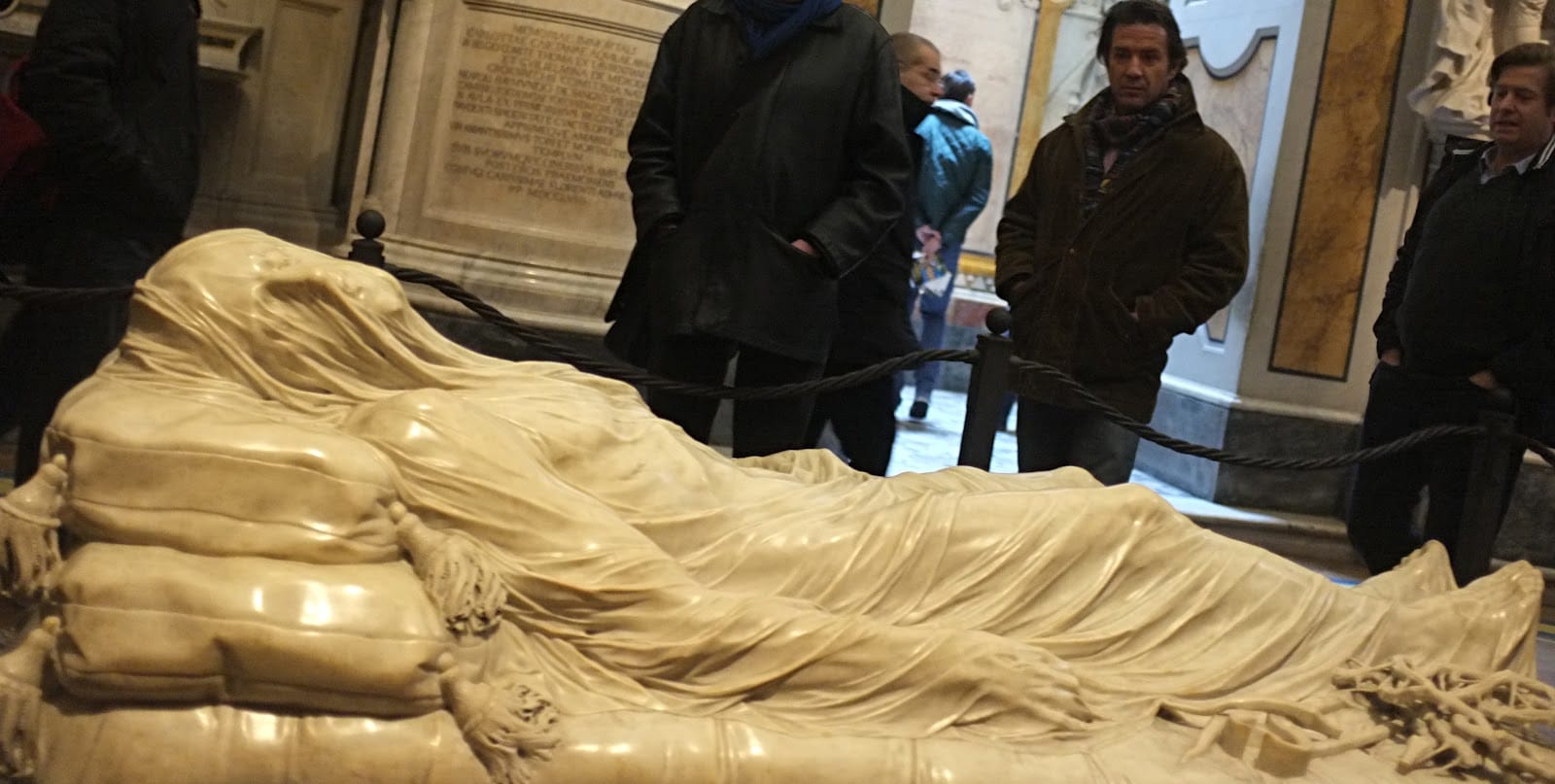
Insider tip: Book a timed slot in advance on the official site, museosansevero.it — walk-up tickets routinely sell out and the queue on Via Francesco de Sanctis can run an hour. Aim for the first 9:00 entry to have the Christ nearly to yourself. It's closed Tuesdays (open 9:00–19:00, last entry 18:30), and photography inside is not allowed.
2. The National Archaeological Museum (MANN)
Everything good that came out of Pompeii and Herculaneum is here, not at the ruins. MANN holds the Alexander Mosaic (roughly 1.5 million tiles showing Alexander routing Darius), the colossal Farnese Hercules and Farnese Bull, and the Gabinetto Segreto — the "Secret Cabinet" of Roman erotic art that was locked away from public view for the better part of two centuries. Give it three hours minimum. Entry is €20.
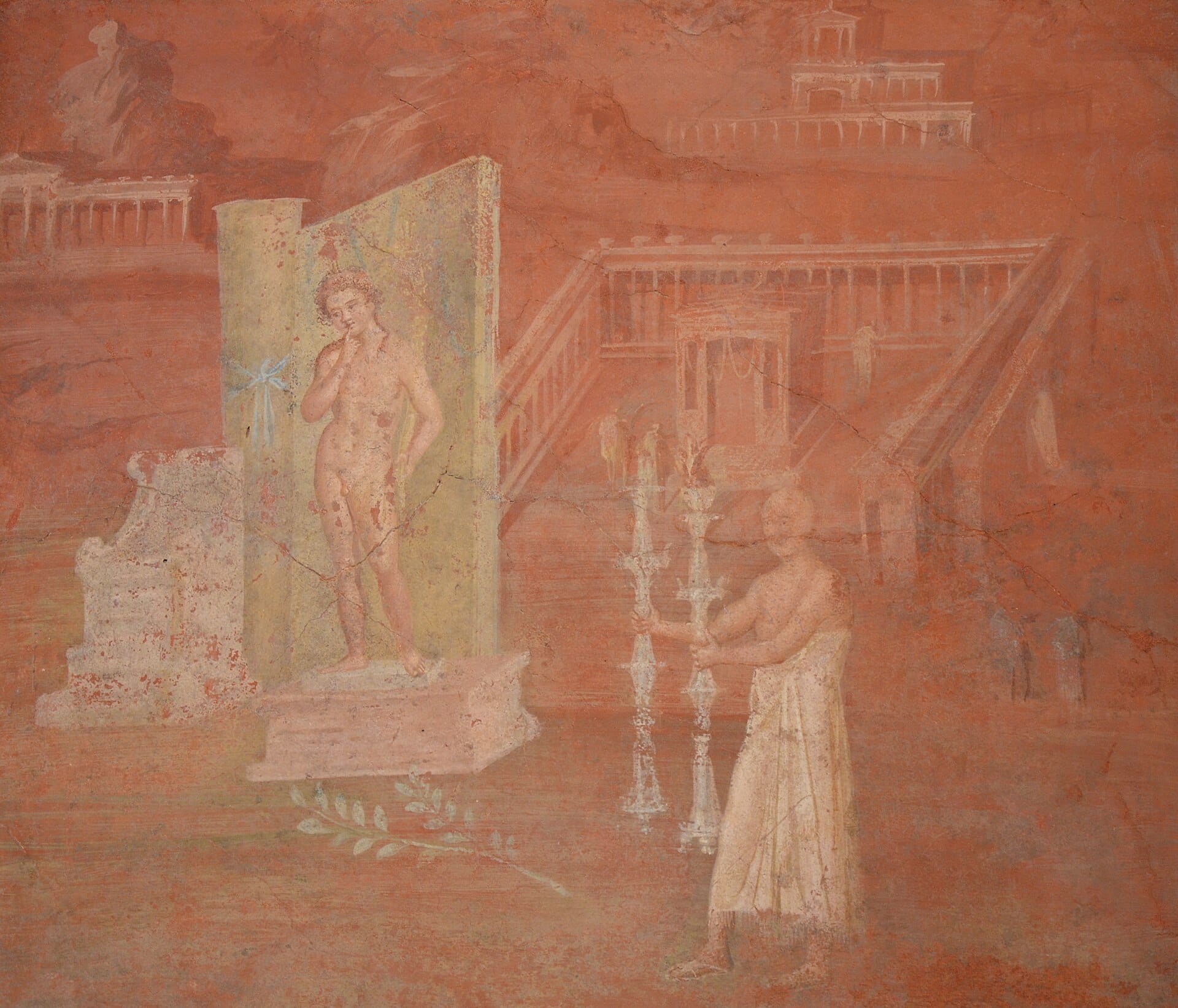
Insider tip: Go here before Pompeii, not after. Seeing the mosaics and frescoes intact first means that when you stand in the empty houses at Pompeii, you'll actually picture what was on the walls. Open 9:00–19:30 (last entry 18:30), closed Tuesdays. The top-floor Campania room with the scale model of Pompeii is often empty — head up there when tour groups clog the ground floor.
3. Naples Underground (Napoli Sotterranea)
Forty metres beneath the traffic is a second city: Greek-era quarries the Romans turned into aqueducts, later used as WWII bomb shelters. The standard Napoli Sotterranea tour from Piazza San Gaetano 68 runs about 90 minutes and takes you through cisterns and passages that narrow to shoulder-width — you carry a candle through one stretch. It ends at a small excavated Greco-Roman theatre reached through someone's apartment building. Tickets are €15, guided only, with hourly departures in English.
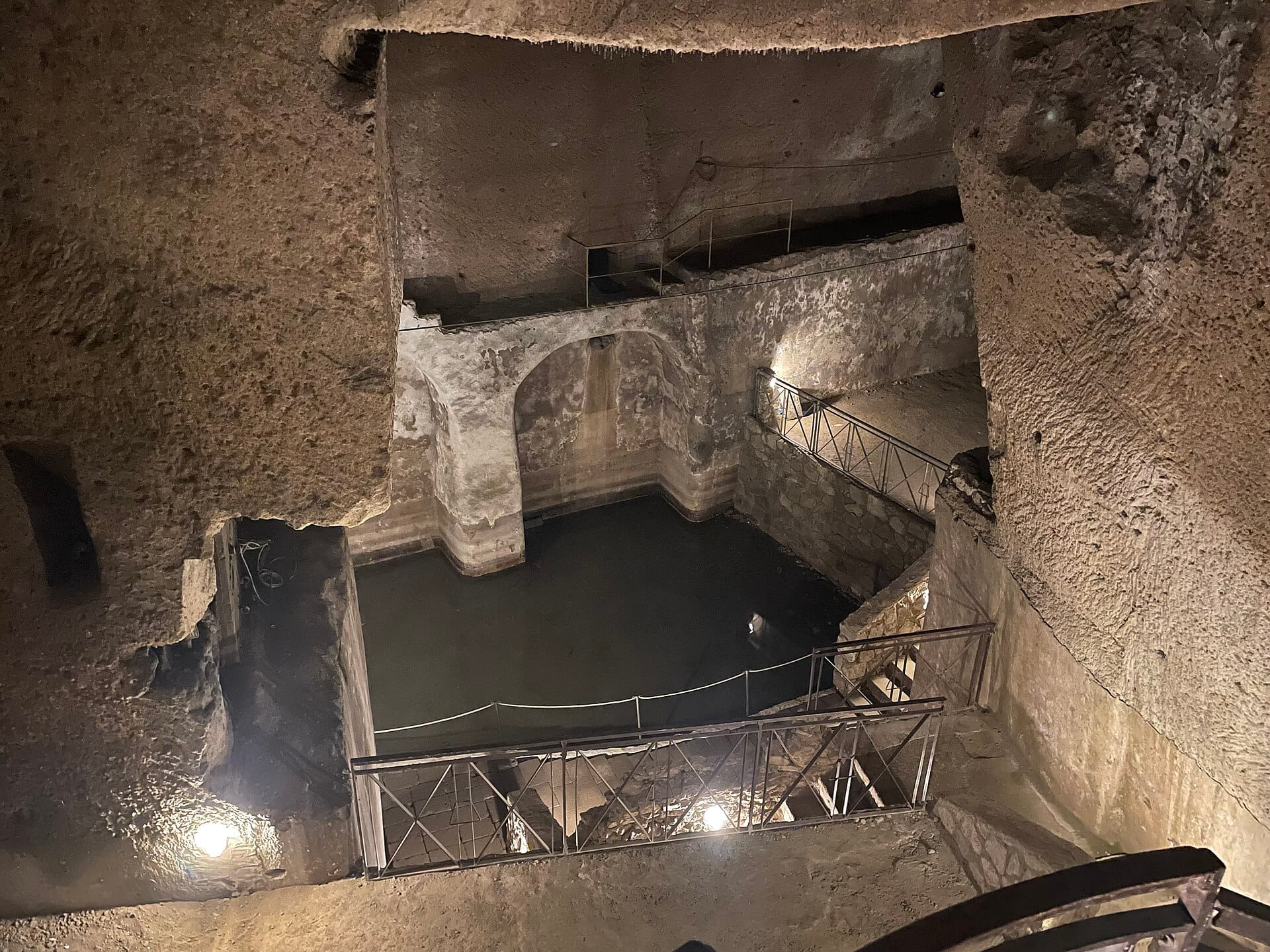
Insider tip: The narrow-passage section is genuinely tight and pitch dark — skippable if you're claustrophobic, and the guides will show you the bypass. Bring a light layer; it's a constant cool 15–17°C down there regardless of the August heat above.
4. The Catacombs of San Gennaro
The largest early-Christian burial site in southern Italy sits under the Rione Sanità district, carved across two levels with frescoes going back to the 2nd century. What makes a visit here worth it beyond the archaeology: the site is run by La Paranza, a cooperative of young locals who turned a neglected neighbourhood into a functioning tourism economy, and your €13 ticket funds that work directly. Tours are guided and run roughly hourly.
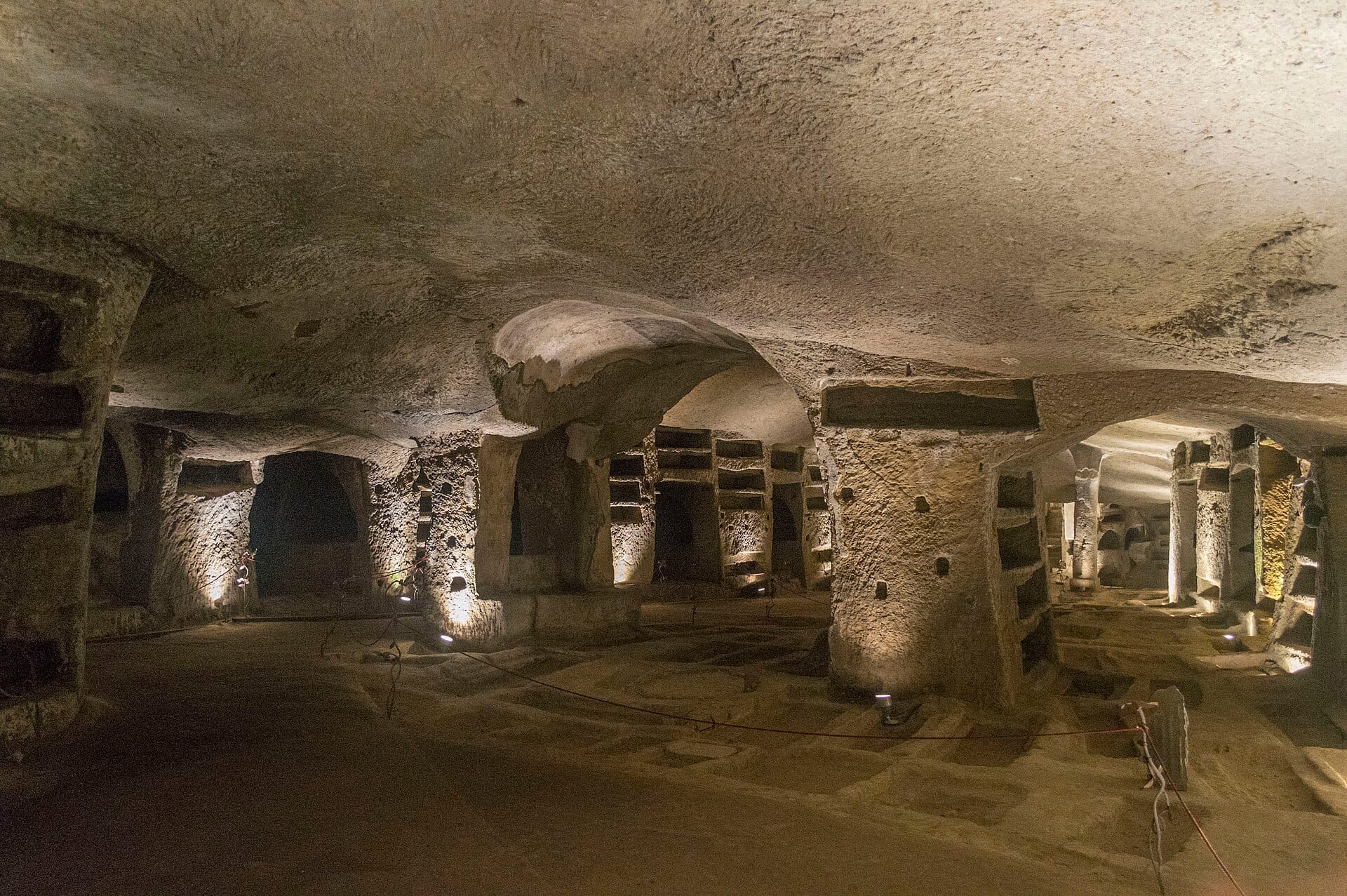
Insider tip: Combine the catacombs with a walk through Rione Sanità itself (see "Beyond the Tourist Trail" below) rather than taxiing straight out. The district around the catacombs holds the Baroque staircase of Palazzo dello Spagnolo and some of the city's best street food, and it's far less touristed than the centre.
5. Certosa di San Martino and the Vomero Hilltop
The best view in Naples — the whole bay, Vesuvius, the rooftops of the old town — is from the Vomero hill, and the Certosa di San Martino is a former Carthusian monastery turned museum right at the edge of it. Inside are a dizzying Baroque church, a serene marble cloister, and the finest collection of Neapolitan presepi (nativity scenes) anywhere, including the enormous 18th-century Cuciniello crib. Entry is just €6. Next door, Castel Sant'Elmo (a separate ticket) has the highest terrace of all.
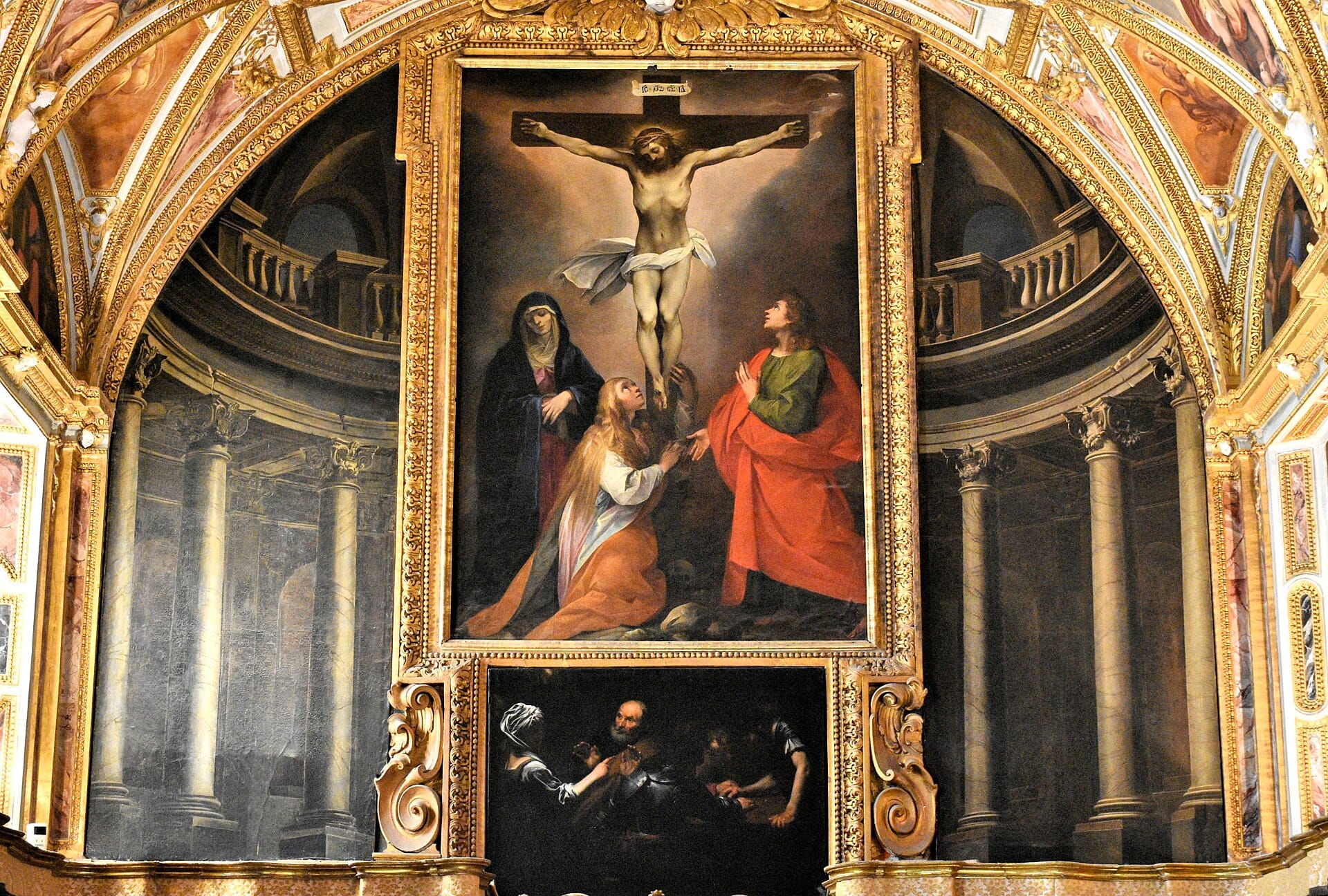
Insider tip: Take the funicular up (it's covered by a standard €1.50 transit ticket) rather than sweating up the hill — the Montesanto line drops you closest. The Certosa is closed Wednesdays (otherwise open from 8:30, with the ticket office closing an hour before the museum), so go for the belvedere terrace first, then the church.
6. Spaccanapoli and the Historic Centre
Spaccanapoli is the dead-straight, sun-starved street that slices the old town in a line you can trace from the Vomero above — the name literally means "Naples-splitter." Walking it end to end is the single best free thing to do in the city. Off it branches Via San Gregorio Armeno, the artisans' street where workshops make handmade nativity figurines year-round (including, reliably, a satirical figure of whichever politician or footballer is in the news). The Duomo di Napoli, free to enter, holds the chapel of San Gennaro and the vials of his blood.
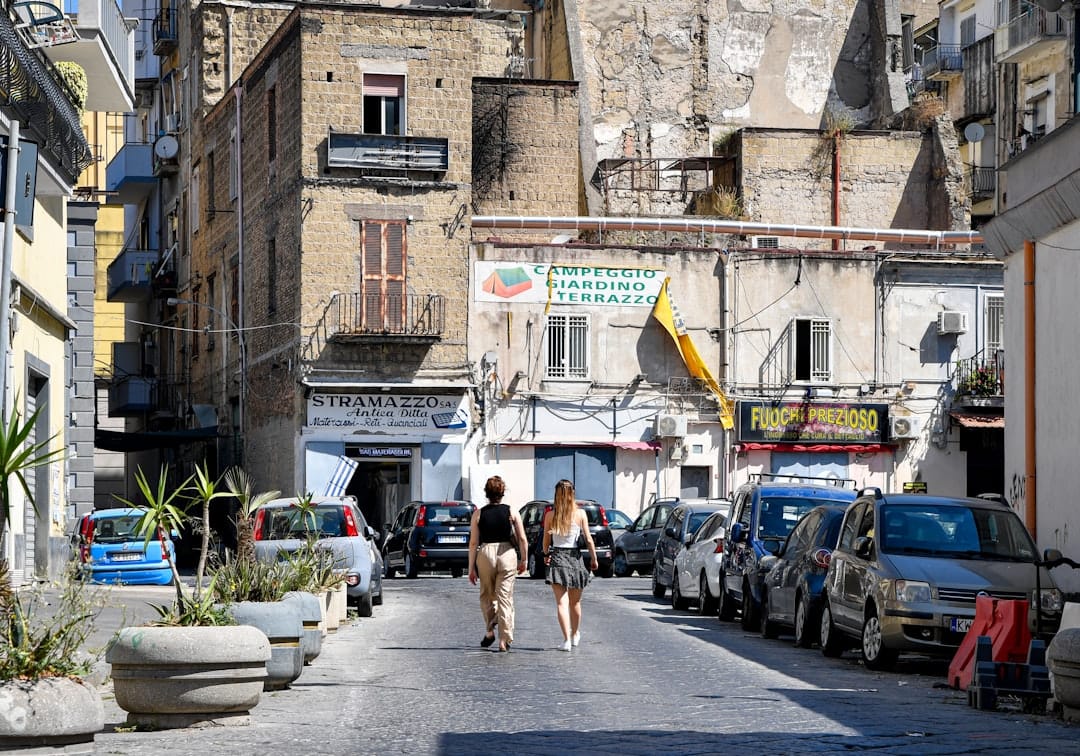
Insider tip: Duck into the Cloister of Santa Chiara (€7), where the columns and benches are covered in 18th-century hand-painted majolica tiles — it's a pocket of total quiet a minute off the loudest street in the city. Do the whole walk in the morning; by afternoon the crowds on San Gregorio Armeno make it shuffle-pace.
7. Pompeii (a Day Trip Worth Doing Right)
The ruins are 35 minutes away and there's no excuse to skip them. Take the Circumvesuviana train from Napoli Garibaldi toward Sorrento and get off at Pompei Scavi–Villa dei Misteri (not "Pompei" — that's the modern town) — the fare is about €3.30 each way and the entrance is 50 metres from the platform. Park entry is €20. Prioritise the Villa dei Misteri (for its near-complete frescoes), the Forum with Vesuvius framed behind it, the Stabian Baths, and the plaster casts of the victims.
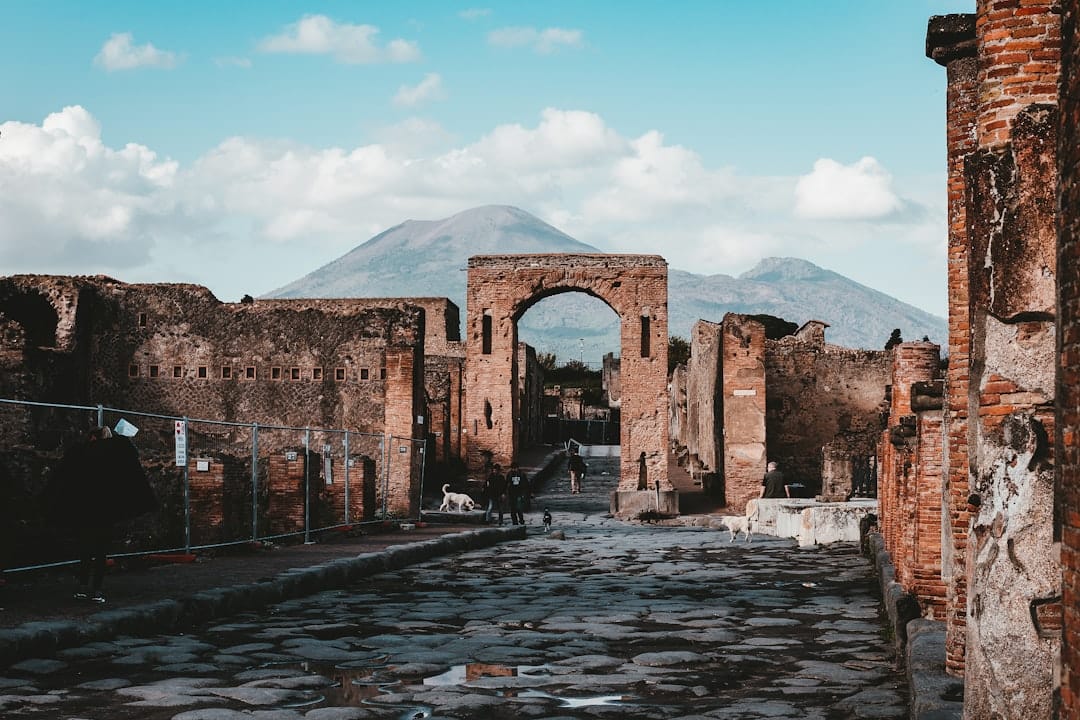
Insider tip: The Circumvesuviana is a basic regional commuter train and a known pickpocket spot — keep bags in front of you and don't flash a phone near the doors. If you want reserved seats and air-conditioning, the tourist Campania Express runs the same route for a supplement (around €15 on top of the fare). Start early: Pompeii opens at 9:00 and there is almost no shade by midday. If the scale of Pompeii sounds exhausting, Herculaneum (Ercolano Scavi, two stops closer on the same line) is smaller, better preserved — wooden beams and upper floors survived — and walkable in half the time.
🗓️ A 3-Day Naples Itinerary
Day 1 — The Historic Centre
Start with an espresso standing at a bar (about €1.20). Walk Spaccanapoli from Piazza del Gesù Nuovo eastward, detouring into the Cloister of Santa Chiara (€7) and up Via San Gregorio Armeno. Hit Cappella Sansevero on your pre-booked 11:00-ish slot (€12). Lunch: a margherita at L'Antica Pizzeria da Michele (Via Cesare Sersale 1, about €5–6, cash) — expect a wait and a numbered ticket. Afternoon: the Duomo (free) and then descend into Napoli Sotterranea (€15). Dinner in the centre, then a passeggiata. Total spend beyond food: roughly €34 / $37.
Day 2 — Museum, Views and the Vomero
Open the MANN at 9:00 (€20) and give it two to three hours. Take the metro two stops and ride the funicular up to the Vomero (covered by a €1.50 ticket). Do the Certosa di San Martino (€6) and step onto the Castel Sant'Elmo terrace for the full-bay panorama. Late afternoon, funicular back down and walk the Lungomare Caracciolo seafront toward sunset — Vesuvius turns pink and the whole city is out walking. Dinner of fried street food (a cuoppo cone runs €5–8). Total beyond food: about €28 / $30.
Day 3 — Pompeii and the Sanità
Early Circumvesuviana to Pompeii (€3.30 each way, €20 entry); be at the gate by 9:00 and give it three to four hours before the heat wins. Back in the city by mid-afternoon, take a guided tour of the Catacombs of San Gennaro (€13) and then wander the Rione Sanità for street art and a final sfogliatella. Total beyond food: around €40 / $43. Across three days you'll spend roughly €100–110 / $108–120 on attractions and transit — Naples is one of the cheapest major cities in Western Europe to sightsee.
🧠 Essential Tips
Best Time to Visit
Go mid-April to mid-June or September to early October. May averages around 19°C and September around 22°C — warm, dry, and swimmable without the crush. Avoid August: it's the hottest month (averages near 26°C, highs regularly hitting 35°C), brutally humid in the stone-walled centre, and many family-run restaurants and shops simply shut for Ferragosto as locals leave town. If you can time it, be here on 19 September for the Feast of San Gennaro, when the faithful pack the Duomo to watch the city's patron saint's dried blood (supposedly) liquefy — a ritual repeated on the first Saturday of May and 16 December.
Getting Around
From Capodichino airport (unusually close to the centre), the Alibus shuttle costs €5 and reaches Piazza Garibaldi in 15–20 minutes and the port in about 30. Official taxis run fixed airport fares — roughly €21 to the station and €24 to the historic centre or port — but you must ask for the tariffa predeterminata before you get in, because drivers "forgetting" the fixed rate is the classic Naples scam. In town, a single TIC ticket is €1.50 (valid 90 minutes across metro, bus and funicular) and a day pass is €4.50. Don't miss riding Metro Line 1 to Toledo station, whose "Crater de Luce" mosaic shaft is regularly called the most beautiful metro station in Europe — it costs the price of a normal ticket. For taxis, the Free Now app works citywide and spares you the fare argument.
Staying Safe
Naples' reputation is worse than its reality, but petty theft is real. Pickpocketing concentrates around Napoli Centrale/Piazza Garibaldi, on the packed R2 bus, and on the Circumvesuviana — keep bags zipped and in front of you. Bag-snatching from scooters (scippo) does happen, so walk with your bag on the building side of the pavement, not the street side, and keep your phone out of your outer hand near traffic. The Quartieri Spagnoli is fine and fascinating by day; it's simply busier and darker at night, so stay on populated streets. And treat crossing the road as a negotiation — step out steadily and predictably, and the scooters will flow around you (they will not stop for hesitation).
What to Eat
Pizza first: the two temples are Da Michele (margherita and marinara only, that's the whole menu) and Gino Sorbillo on Via dei Tribunali 32 — both cheap, both worth the queue. Beyond pizza, eat pizza fritta (deep-fried, stuffed with ricotta and pork) from a street window, and a cuoppo cone of fried seafood and vegetables. For pastry, the sfogliatella riccia — a crisp shell of hundreds of pastry layers filled with sweet ricotta — is best fresh and warm from Attanasio near the station or Pintauro on Via Toledo. Get a babà (rum-soaked sponge) at Scaturchio in Piazza San Domenico Maggiore. Buy your fruit and mozzarella at the Pignasecca, Naples' oldest street market. One local ritual worth adopting: order coffee al banco (standing at the bar), drink it in two sips, and pay a euro or so — sitting at a table can double the price, and Neapolitans consider the standing espresso a small daily sacrament, often sweetened before it reaches you unless you ask for it amaro.
🏨 Where to Stay
Budget (around €60–110 / $65–120 a night): The Centro Storico is packed with B&Bs and small guesthouses (such as B&B I Maestri) that put you inside the action for very little — just know it's loud until late. Hostels near the university run cheaper still. It's the best-value base if you plan to be out all day.
Mid-range (around €130–230 / $140–250): Chiaia is the elegant, quieter choice — leafy streets, good restaurants, boutique hotels like Palazzo Albardieri, and a short walk to the seafront. Near Piazza Municipio, La Ciliegina Lifestyle Hotel and the MGallery Palazzo Caracciolo (a converted historic palazzo) are handy for the port and metro.
Luxury (around €350–800 / $380–870): The grande dames sit on the Lungomare in Santa Lucia — the Grand Hotel Vesuvio has faced the Castel dell'Ovo and the bay for over a century. For something contemporary, the Romeo Hotel near the port has a rooftop pool and a Michelin-starred restaurant, and Grand Hotel Parker's in Chiaia climbs the hillside for the views.
❤️ Beyond the Tourist Trail
Spend a half-day in the Rione Sanità, the district just north of the centre that most guidebooks still tell you to avoid. It's had a genuine turnaround, largely driven by the same La Paranza cooperative that runs the catacombs, and it's now one of the most alive parts of Naples: Baroque palazzo staircases, bold street art, and food that hasn't been priced for tourists. Nearby, the Cimitero delle Fontanelle — a vast tufa cave holding the anonymous bones of plague and cholera dead, and the folk "cult of the skulls" that grew around them — is free to enter and genuinely unlike anywhere else you'll go.
For a change of pace, skip Capri's crowds and take the ferry to Procida instead — the smallest, least developed island in the bay, all pastel fishermen's houses stacked around a harbour, and Italy's Capital of Culture back in 2022. It's about an hour by ferry from the Beverello or Calata Porta di Massa terminals and makes an easy, cheap day away from the city noise.
🐻 Let VoyaBear Plan Your Naples Trip
Naples rewards travellers who know which door to knock on, which train stop to get off at, and which pizzeria is worth the wait — and that's exactly what VoyaBear builds for you. Tell us how many days you have, what you're into, and your budget, and we'll turn all of the above into a day-by-day plan with your bookings, timings, and reservations sorted — personalised, and ready before you land. Start planning your Naples trip with VoyaBear today.