VoyaBear


Salvador was Brazil's capital for 214 years, from its founding in 1549 until the crown moved the seat of government to Rio in 1763, and the city still behaves like a place that remembers being the center of an empire. It sits on a bluff above the Baía de Todos os Santos, split into a Cidade Alta (upper town) and Cidade Baixa (lower town) that a 72-metre Art Deco elevator has connected since 1873. Roughly 80 percent of the 2.5 million people here have African ancestry, and that isn't a museum fact: it's audible in the berimbau twang of a capoeira circle, edible in a R$12 acarajé fried in palm oil on a street corner, and visible in the white lace of the baianas who sell it. Locals call the city "Roma Negra" — Black Rome — and mean it as a statement of cultural weight, not tourism copy.
This guide is built for a real trip: what each place costs in 2026, when to show up to avoid the crowds, which famous church is currently shut, and how to get from the airport without paying tourist-taxi rates. Prices are given in reais with US-dollar and euro equivalents at September 2026 rates (about R$5.1 to the dollar, R$5.9 to the euro).
🏛️ Essential Experiences
1. Pelourinho and the Terreiro de Jesus
The Pelourinho is the 17th-to-19th-century core of the upper town, named — bluntly — for the whipping post that once stood where enslaved Africans were punished. UNESCO listed it as a World Heritage Site in 1985, and there are more than 800 restored colonial buildings painted in the yellows, blues and greens that show up on every postcard. Start at the Terreiro de Jesus, the plaza ringed by the Cathedral Basilica and the Igreja de São Domingos, then walk downhill to the Largo do Pelourinho, the sloping cobbled square that opens toward the bay. Duck into the Igreja de Nossa Senhora do Rosário dos Pretos, the blue church built by enslaved and freed Africans over decades because they were barred from the city's other churches — entry is free and it's the most moving building in the district. The Museu Afro-Brasileiro on the Terreiro de Jesus (R$10 / about $2 / €1.70) has a room of carved wooden orixá panels by Carybé that is worth the ticket alone.
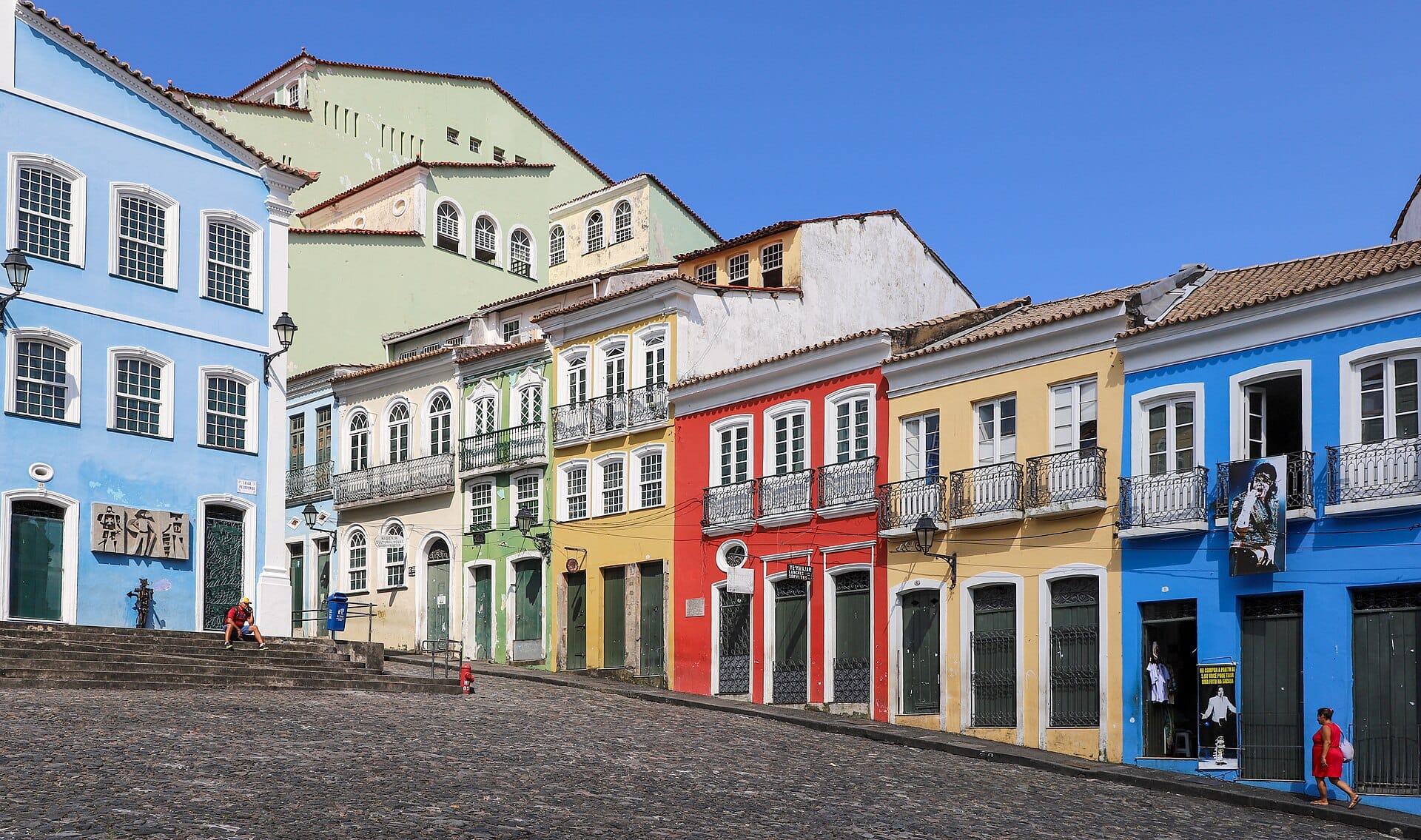
Insider tip: The cobblestones are steep and uneven — wear real shoes, not flip-flops. Come mornings, when tour groups haven't arrived and the light hits the eastern facades. After dark the main squares stay lively and policed during events, but the side alleys empty out fast; don't wander them alone at night.
2. Igreja da Ordem Terceira de São Francisco
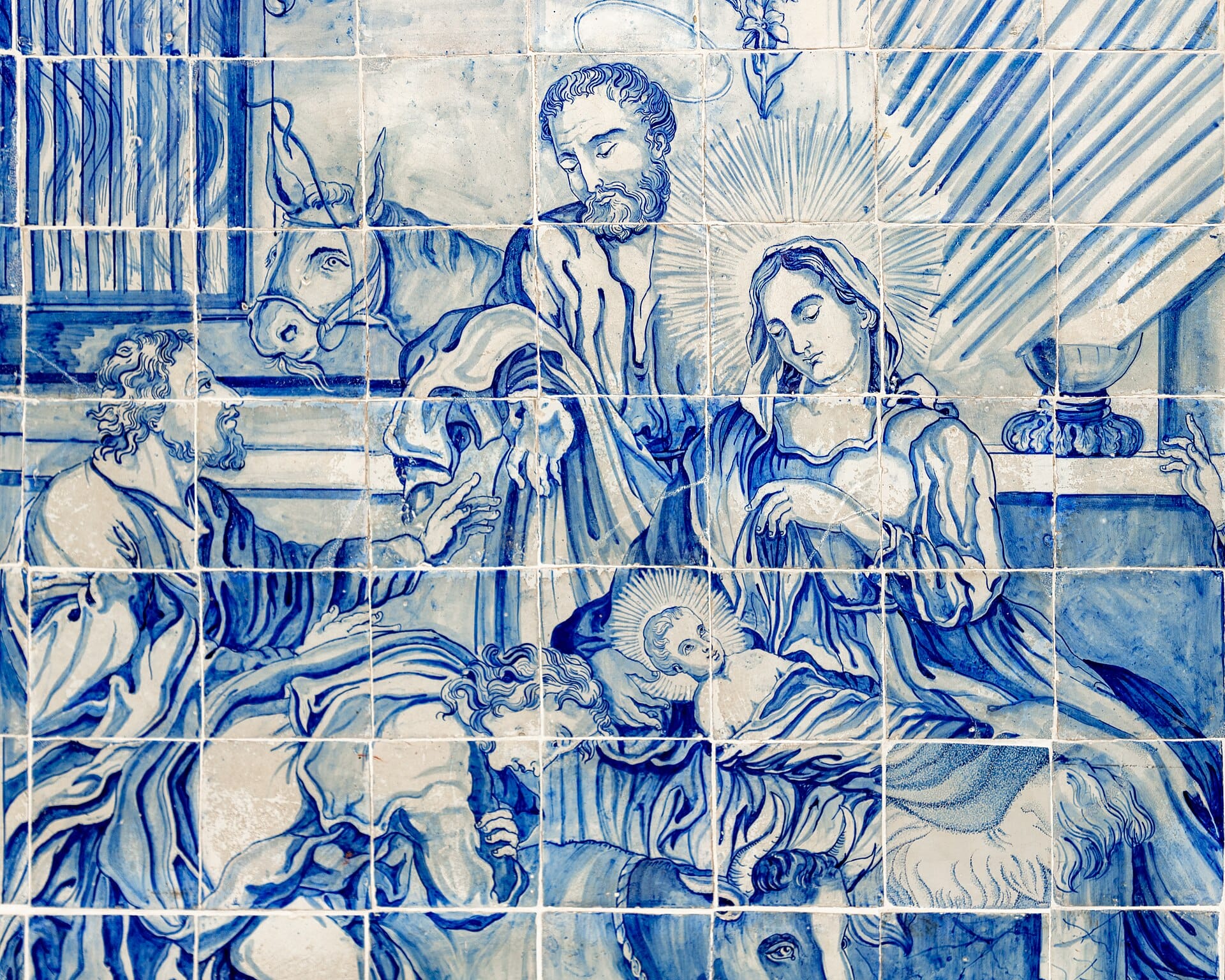
Here's the tip that saves your afternoon: the world-famous Igreja e Convento de São Francisco — the one with the ceiling drowning in gold leaf and roughly 55,000 blue-and-white Portuguese azulejo tiles, the most gilded church interior in Latin America — is closed for restoration with no announced reopening. Don't queue for it. Next door, the Igreja da Ordem Terceira de São Francisco is open and arguably the more unusual building anyway: its entire facade is carved from soft sandstone in dense Spanish-colonial-baroque relief, the only sculpted stone church front of its kind in Brazil, hidden for two centuries under plaster until a 1930s electrician rediscovered it. Entry is R$10 (about $2 / €1.70), daily 9am to 4:30pm.
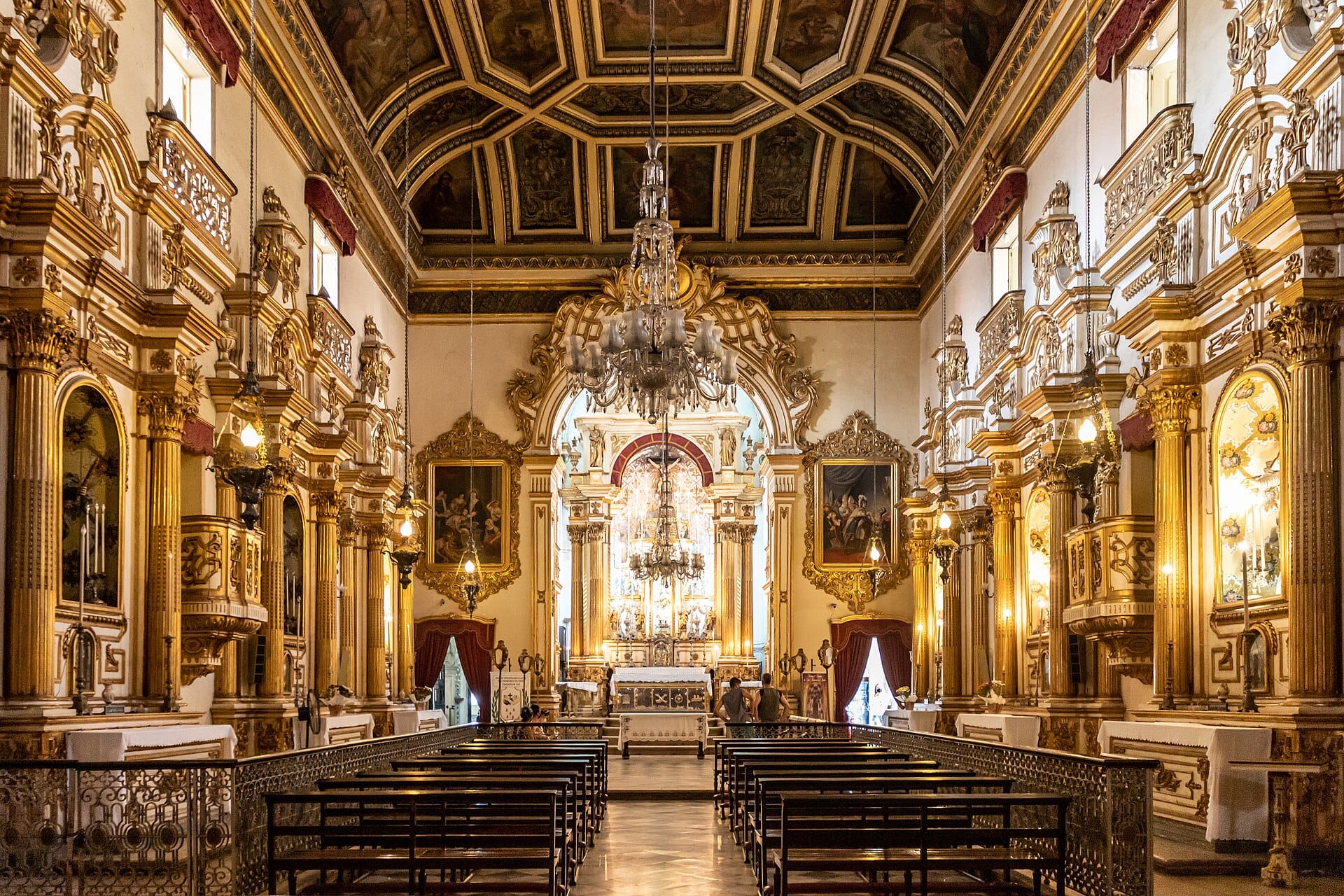
Insider tip: Combine it with the Cathedral Basilica on the same square (also R$10) and you've seen the two best church interiors still open, in under 90 minutes, for R$20 total. Skip the touts outside offering "free" Bonfim ribbons — they'll ask for money after tying one to your wrist.
3. Elevador Lacerda
The Elevador Lacerda is both transport and monument. Opened in 1873, it was the world's first urban public elevator; the current Art Deco towers date from a 1930 rebuild. Four cabins drop 72 metres between Praça Tomé de Sousa in the upper town and Praça Cairu next to the Mercado Modelo below, in about 30 seconds, and the fare is a gloriously unchanged R$0.15 — roughly three US cents, paid in cash at the booth. It runs 6am–11pm on weekdays and 7am–10pm on weekends.
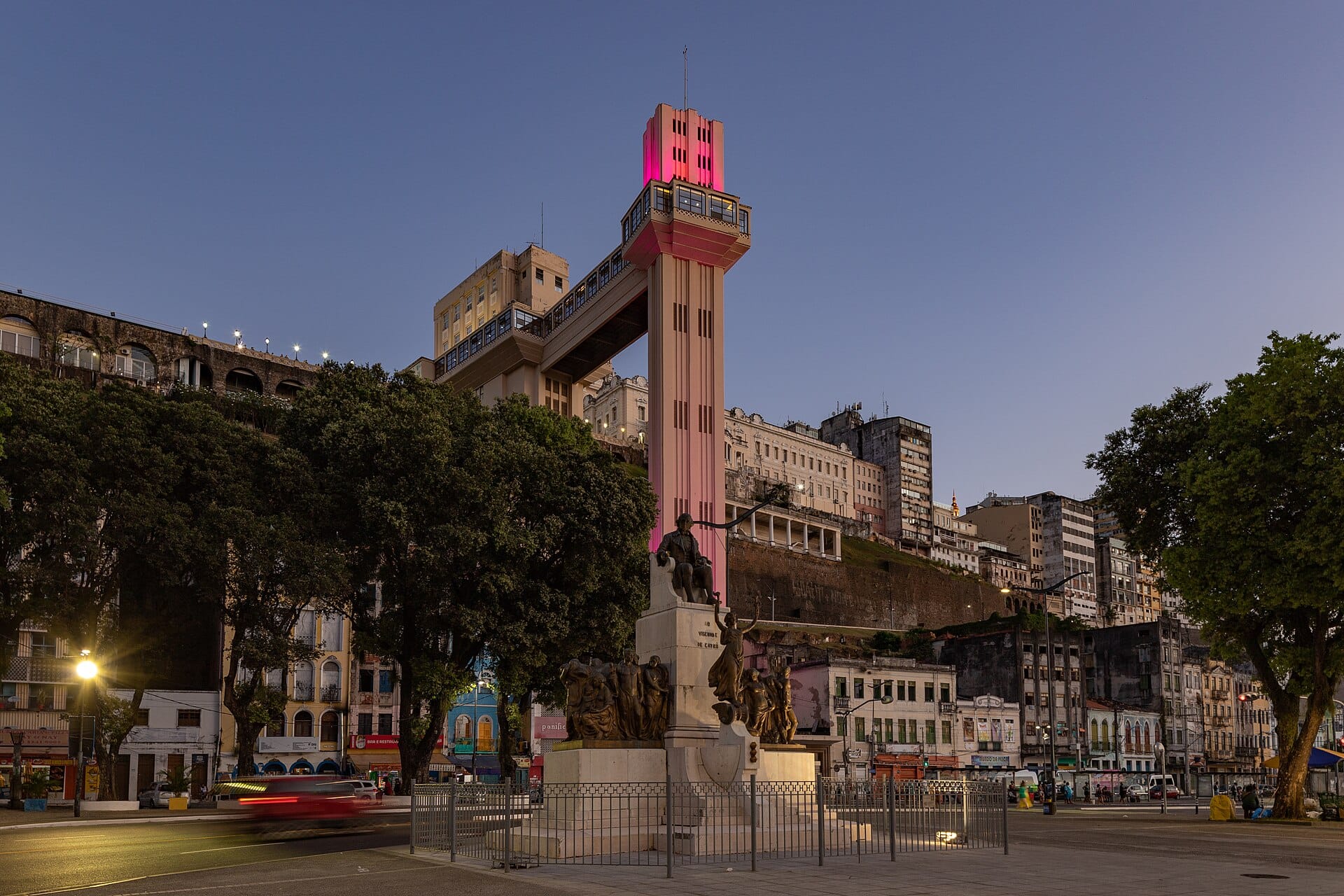
Insider tip: Ride down late afternoon for the view over the Baía de Todos os Santos, but keep your phone in a zipped pocket — the upper viewing platform and the queue are a known spot for opportunistic grab-and-run theft. The view from the free walkway beside it is just as good if the line is long.
4. Mercado Modelo
At the base of the elevator sits the Mercado Modelo, Salvador's handicraft market, housed since 1971 in a neoclassical former customs house on the waterfront. Its 260-odd stalls sell the good, the touristy and the genuinely local — berimbaus, hammocks, lace, leather, cachaça, figa charms and Candomblé ritual goods. Prices are negotiable and marked up for visitors, so haggle. The two upstairs restaurants, Camafeu de Oxóssi and Maria de São Pedro, have been serving moqueca and bobó de camarão to generations of locals, with bay views.
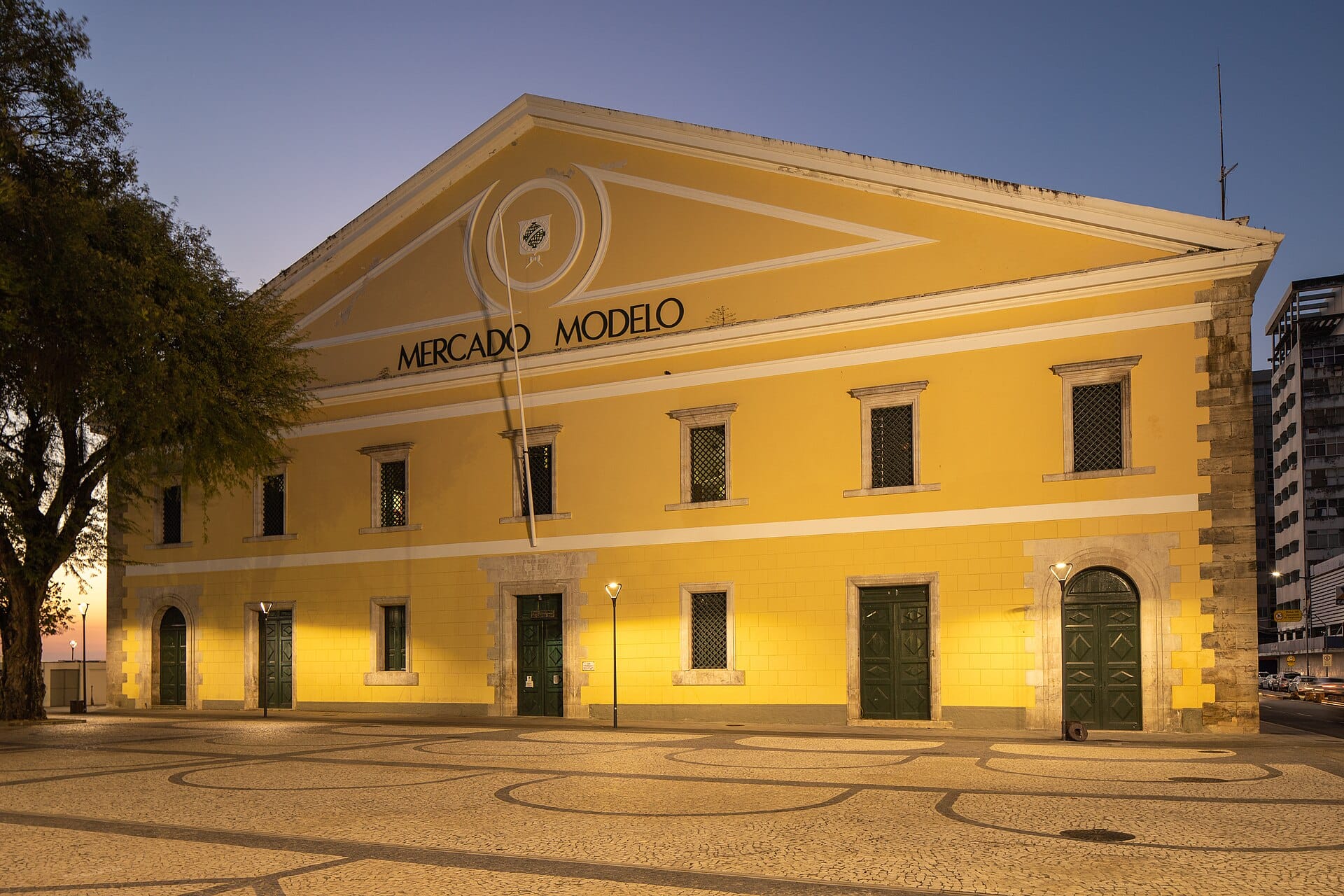
Insider tip: Capoeira groups perform in the open area out front and will absolutely expect a tip (R$5–10) if you film them — agree on it before, or just watch and move on. For actual souvenirs at better prices, the stalls deeper inside and upstairs undercut the ground-floor ones facing the entrance.
5. Igreja do Senhor do Bonfim
On the Colina Sagrada (Holy Hill) out on the Itapagipe peninsula stands the Igreja de Nosso Senhor do Bonfim, the most important church in Bahia's fusion of Catholicism and Candomblé — here the crucified Christ is also honoured as the orixá Oxalá. Its iron railings are tied with tens of thousands of colored fitas, the ribbons printed "Lembrança do Senhor do Bonfim da Bahia"; tradition says you knot one on with three wishes and it grants them as it frays away. Entry is free. Don't miss the Sala dos Milagres (Room of Miracles), hung with wax replicas of healed body parts left in thanks — one of the strangest, most human rooms in the city.
Insider tip: If your trip lands in mid-January, the Lavagem do Bonfim — the second Thursday after Epiphany (January 6) — sees baianas in white ritually wash the church steps with scented water while a crowd of hundreds of thousands follows an 8km procession from the Comércio. It's one of Brazil's great street events and completely free. A ribbon costs a few reais from vendors at the gate; buy from them, not the wrist-tying touts in Pelourinho.
6. Farol da Barra and the Museu Náutico
The black-and-white Farol da Barra marks the southern tip of the peninsula where the Bay of All Saints meets the open Atlantic. A fort has guarded this point since 1698, making it one of the oldest lighthouse sites in the Americas; the present English-built tower and its Fresnel lens date from 1839. Inside the Forte de Santo Antônio da Barra is the Museu Náutico da Bahia, small but well done, with shipwreck finds and navigation instruments from five centuries of Atlantic trade. Admission is R$20 full / R$10 reduced (about $4 / €3.35), open daily 9am–6pm with last entry at 5:30pm.
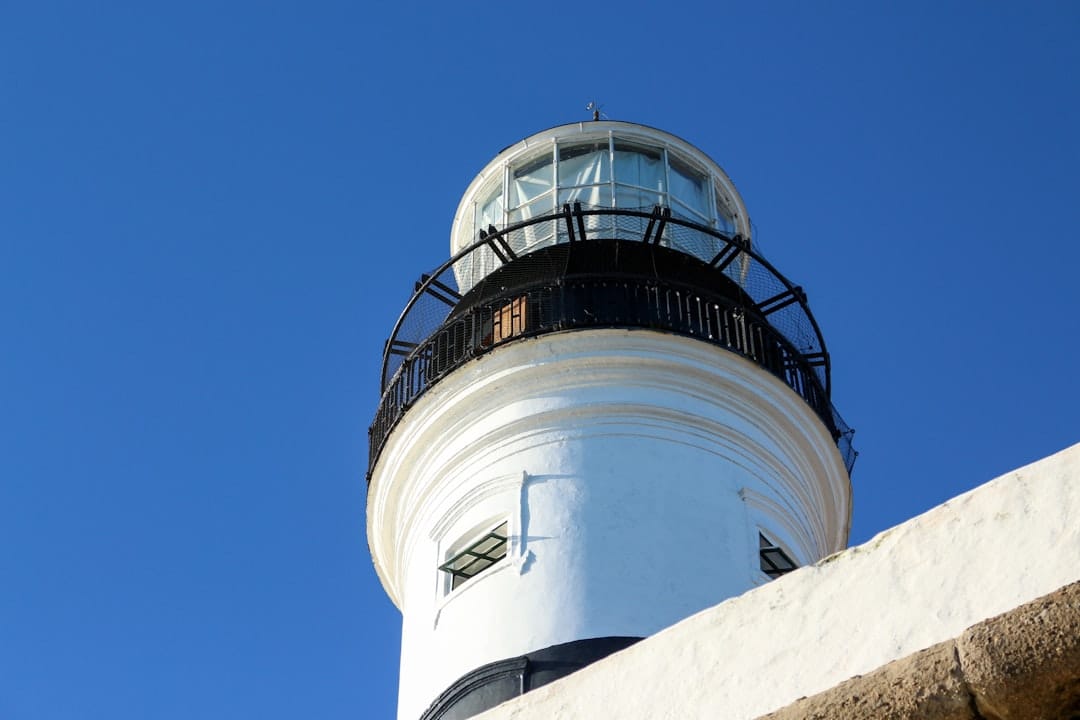
Insider tip: Come 90 minutes before sunset. Porto da Barra beach, a short walk north, is one of the few west-facing urban beaches in Brazil — CNN once ranked it among the world's best city beaches — and the whole neighbourhood gathers on the sand with cold Skol and caipirinhas to watch the sun drop into the bay. Buy a beer from a walking vendor rather than the pricier beach kiosks.
7. Dique do Tororó
An easy antidote to church fatigue: the Dique do Tororó is an 18th-century reservoir, a 110,000-square-metre lagoon ringed by a walking and cycling path near the Arena Fonte Nova stadium. Rising out of the water are twelve towering steel sculptures of the Candomblé orixás — Iemanjá, Oxum, Xangô and the rest — created by Bahian artist Tatti Moreno and floating on platforms, robes catching the wind. It's free, rarely crowded, and photographs best in the morning with the water still.
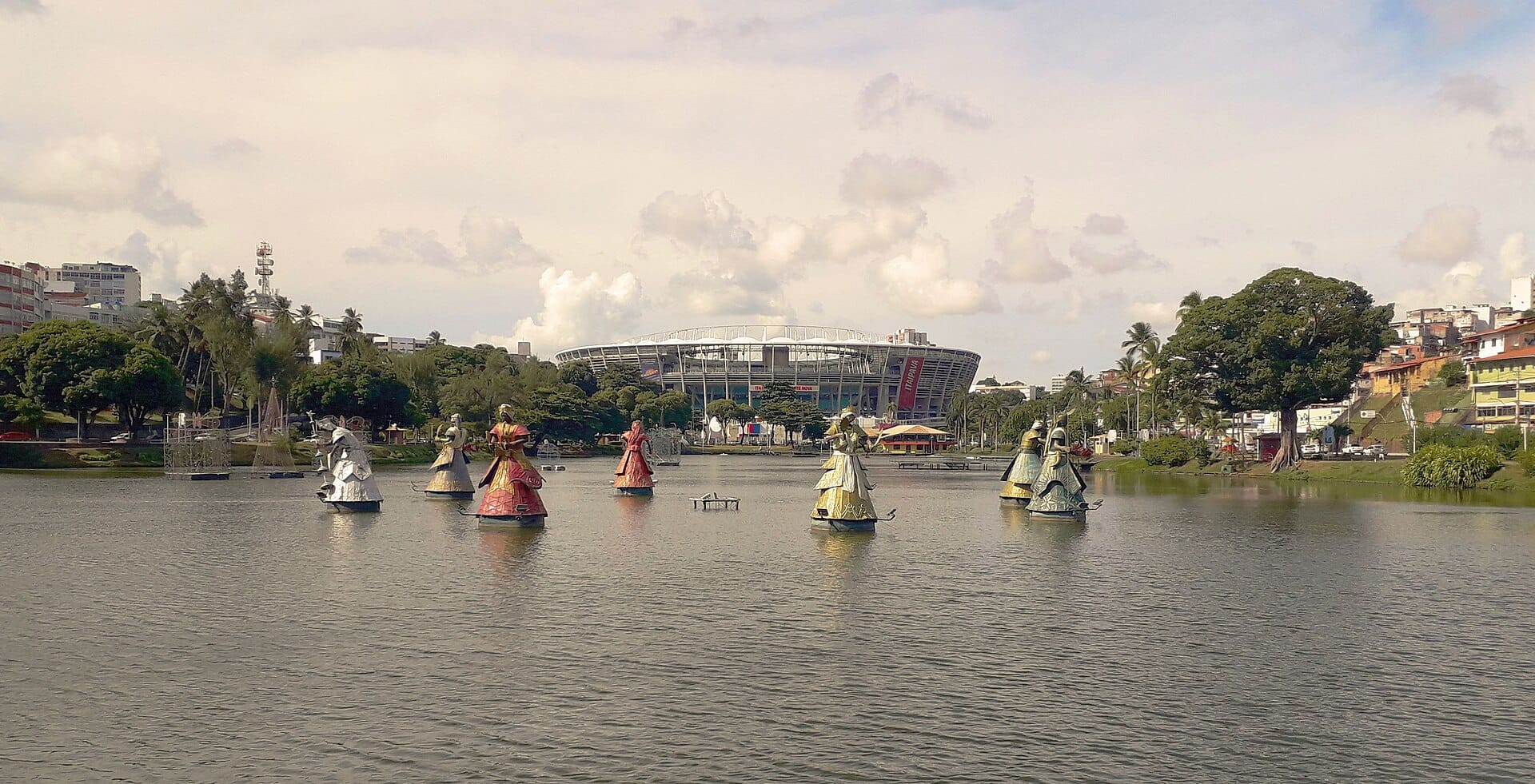
Insider tip: It's a 15-minute walk from the Campo da Pólvora metro station, which makes it a cheap, low-hassle stop. Go by day — the surrounding avenues are quiet and not a place to linger after dark.
8. Rio Vermelho
Rio Vermelho is Salvador's bohemian quarter and the antidote to Pelourinho's daytime tourism — a coastal neighbourhood of bars, live music and the city's best street food that only really wakes up after 7pm. This is where you eat acarajé at its source: the legendary stands of Acarajé da Cira and Acarajé da Dinha both work the Largo de Santana, frying black-eyed-pea fritters to order and splitting them to stuff with vatapá, caruru, dried shrimp and as much malagueta pepper as you dare. It's also where the novelist Jorge Amado lived; his house is now the Casa do Rio Vermelho museum (R$20 / about $4 / €3.35).
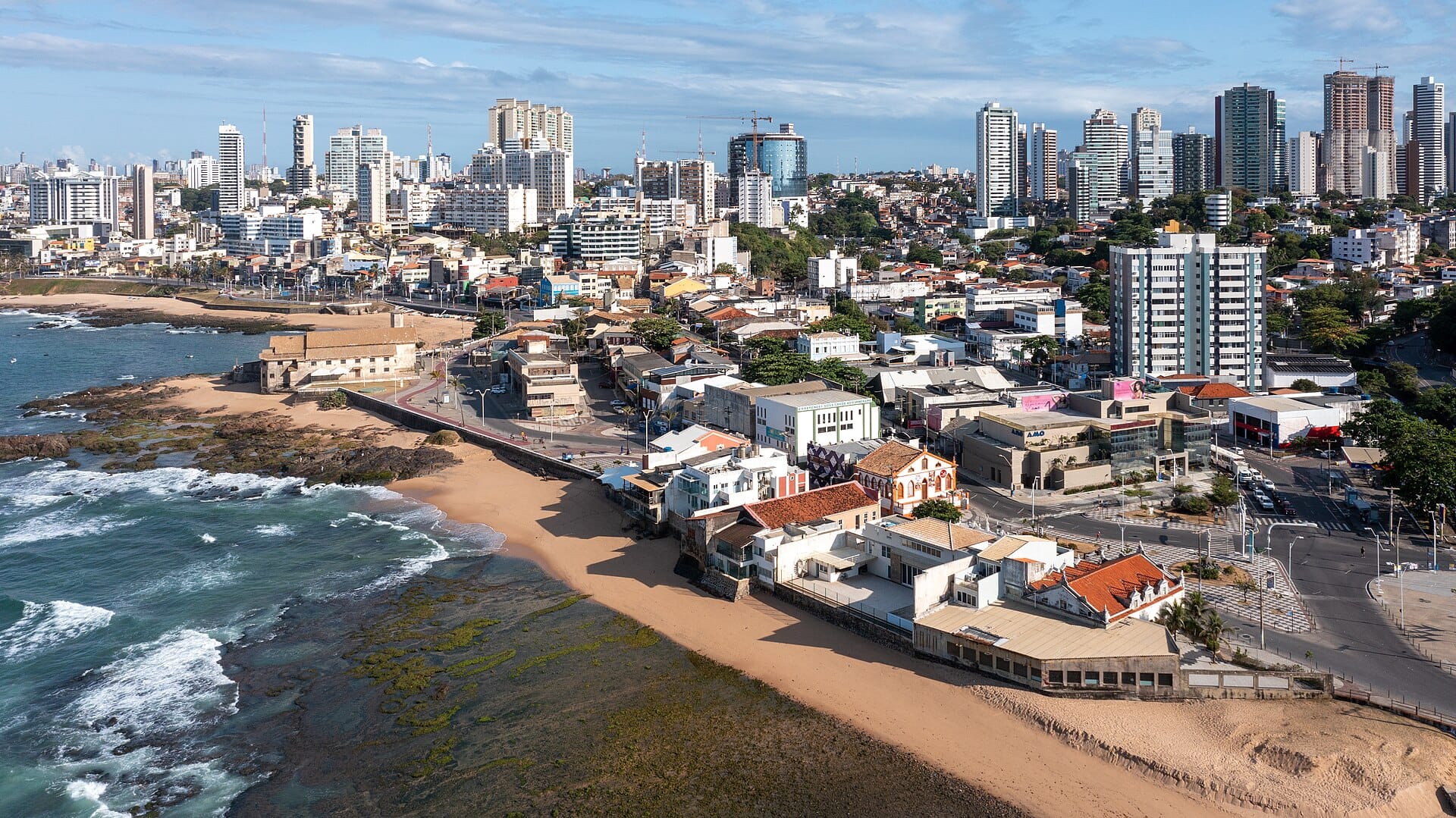
Insider tip: On the night of February 2 the neighbourhood hosts the Festa de Iemanjá, when thousands of devotees carry flowers and gifts to the sea goddess at the fishermen's colony by Largo da Mariquita — the biggest Candomblé festival of the year, and free to witness respectfully. Any other night, the bars around Largo de Santana fill up around 9pm; an acarajé and a cold beer runs about R$25 ($5).
🗓️ A 3-Day Itinerary
Day 1 — The Historic Core
Start in Pelourinho by 9am while it's quiet. Work the Terreiro de Jesus, the Largo do Pelourinho, and the Rosário dos Pretos church (free), then the Igreja da Ordem Terceira de São Francisco and the Cathedral Basilica (R$10 each). Break for lunch at a comida a quilo (pay-by-weight) buffet — expect R$45–60 ($9–12) for a full plate. Early afternoon, ride the Elevador Lacerda down (R$0.15) to the Mercado Modelo for souvenirs and a bay-view coffee. Ride back up and spend late afternoon in the Museu Afro-Brasileiro (R$10). Stay in the upper town for dinner and, if it's a performance night, catch the Balé Folclórico da Bahia at the Teatro Miguel Santana (tickets around R$60–90 / $12–18). Roughly R$180 / $35 for the day, excluding dinner.
Day 2 — Faith, Water and Sunset
Taxi or Uber out to the Igreja do Bonfim on the Itapagipe peninsula (about R$25 / $5 each way, free entry) — go early, tie your ribbon, see the Room of Miracles. Head back via the Dique do Tororó to see the orixá sculptures (free), which is roughly on the way. Afternoon: base yourself in Barra. Tour the Farol da Barra and Museu Náutico (R$20), then settle onto Porto da Barra beach for the sunset ritual. Dinner in Barra or Rio Vermelho — a proper moqueca for two, the seafood stew cooked in palm oil and coconut milk, runs about R$150–200 ($29–39). Roughly R$120 / $24 in fares and tickets, plus dinner.
Day 3 — Beyond the City
Two good options. For beaches and turtles, drive or bus 80km north up the Linha Verde to Praia do Forte, a car-free fishing village with the flagship base of Projeto TAMAR, Brazil's sea-turtle conservation project (entry around R$45 / $9), plus the ruined 16th-century Castelo Garcia d'Ávila. For the bay, take a schooner cruise across the Baía de Todos os Santos to Ilha dos Frades and Itaparica island — full-day trips with hotel pickup run roughly R$120–200 ($24–39) and stop for swimming and lunch. Back in the city, spend your last evening in Rio Vermelho over acarajé and live samba. Budget R$150–250 / $30–49 for the day plus lunch.
🧠 Essential Tips
When to go
Salvador has a tropical climate that's warm year-round — daily highs sit around 28–30°C (82–86°F) whatever the month — so timing is about rain and events, not temperature. The wettest stretch is April, May and June, each averaging 20cm-plus of rain; the driest and sunniest months are roughly September through March. The sweet spot for a beach-and-city trip is September to early December: reliable sun, warm sea, and prices well below the summer peak. Avoid the week around New Year and, unless you're specifically coming for it, Carnival — in 2027 the main days run Thursday February 4 to Fat Tuesday February 9, when Salvador throws what's billed as the largest street party on the planet along the 25km Barra–Ondina circuit, and accommodation triples in price and books out months ahead.
Getting in and around
From Luís Eduardo Magalhães International Airport (SSA), the cheapest smooth option is the Metrô Bahia: Line 2 runs from the airport (a free shuttle links the terminal to Aeroporto station), you change to Line 1 for the centre, and the fare is R$4.10 (about $0.80) on a rechargeable Cartão Integração card (R$7 issuance). The air-conditioned executive airport bus to Praça da Sé in the old town costs R$30 (about $6) and takes 45–60 minutes. An Uber to the centre is R$100–130 (about $20–25) and about 20 minutes in light traffic. Uber and 99 both work well and reliably in Salvador — use them instead of street taxis, which don't always run the meter for visitors. The metro is modern and safe by day but doesn't reach Pelourinho, Barra or Rio Vermelho directly, so you'll lean on ride apps for the tourist neighbourhoods.
Staying safe
Salvador rewards street smarts. The specific, repeated advice from locals: don't walk with your phone or camera out, wear a cross-body or waist bag rather than a backpack, and leave the good watch at the hotel. The Feira de São Joaquim market is worth seeing but is a known hotspot for phone-snatching — thieves grab from the hand and vanish into the stalls, so keep it pocketed. Pelourinho is well-policed and fine during the day and on busy event nights, but its side streets empty out and turn sketchy late; stick to the lit main squares or take an Uber the short distance. Beaches: don't leave bags unattended, and don't bring anything you can't carry into the water.
Eating well
Bahian food is its own cuisine, African-rooted and built on dendê (palm oil). The essentials: acarajé, the black-eyed-pea fritter (R$10–18 at the famous Rio Vermelho stands); moqueca baiana, seafood simmered with coconut milk, dendê, tomato and coriander, served bubbling in a clay pot; vatapá and caruru, the shrimp-and-nut pastes that also fill acarajé; and bobó de camarão, prawns in a cassava-and-coconut cream. Wash it down with a caipirinha or fresh água de coco. For moqueca with a view, the Mercado Modelo restaurants deliver; for acarajé, only the street stands count.
🏨 Accommodation Guide
Budget (roughly R$60–250 / $12–49 a night): Hostels cluster in Pelourinho and Barra. Laranjeiras Hostel puts you in the middle of the old town; Che Lagarto and the smaller pousadas in Barra trade a bit of atmosphere for the beach and a safer late-night walk home. Expect R$60–110 for a dorm bed, R$150–250 for a basic private room.
Mid-range (roughly R$350–650 / $70–130 a night): Rio Vermelho is the best base for food and nightlife — the boutique Zank by Toque Hotel sits on the coast there. Barra and neighbouring Ondina (try Vila Galé Salvador) suit beach-first travellers who still want to reach the centre in 15 minutes by Uber.
Luxury (roughly R$800–2,000+ / $160–390+ a night): The Pestana Convento do Carmo, a Relais & Châteaux hotel inside a restored 16th-century convent in the historic Santo Antônio district, is the atmospheric choice. The Fera Palace Hotel on Rua Chile in the upper town has a small rooftop pool looking straight over the bay, and the Fasano Salvador brought serious design to Praça Castro Alves. All three put you walking-distance from Pelourinho.
🎭 Beyond the Tourist Trail
Two neighbourhoods reward stepping past the postcards. Santo Antônio Além do Carmo, the ridge just north of Pelourinho, is where much of the old town's creative energy has moved — colonial houses turned into small guesthouses, ateliers and quiet rooftop bars with the same bay view as the tourist zone but a fraction of the crowds. Walk up Rua Direita de Santo Antônio at golden hour. Further out, the Solar do Unhão on the waterfront houses the Museu de Arte Moderna da Bahia in a 17th-century sugar estate; on Saturday evenings it hosts the long-running Jam no MAM, an open-air jazz session by the sea that draws locals far more than visitors (small cover, usually around R$20–30). And if you want to understand the city's spiritual core, ask your hotel about visiting a terreiro — a Candomblé house of worship — during a public ceremony; the Casa Branca do Engenho Velho, one of the oldest in Brazil, is a national heritage site. Go respectfully, dress modestly in light colours, and never photograph without explicit permission.
❤️ Let VoyaBear Plan Your Salvador Trip
Salvador rewards travellers who know which church is open, which beach faces the sunset, and which market to keep their phone pocketed in — and that's exactly the kind of detail that's hard to assemble on your own. VoyaBear builds personalised, day-by-day itineraries tuned to how you actually travel: your dates, your budget, your pace, and whether you're here for the Candomblé festivals, the beaches, the food, or all three. Tell us when you're going and we'll handle the timing, the routing and the reservations. Start planning your Bahia trip with VoyaBear today — and arrive knowing exactly where the good acarajé is.