VoyaBear


Kathmandu is the rare capital where a UNESCO World Heritage temple, a rush-hour scooter, and a wandering cow share the same intersection. The 2015 earthquake flattened chunks of its old squares, and for years the city was a maze of scaffolding and timber props. By 2026 the reconstruction is essentially done: the Kasthamandap pavilion that gave the city its name is rebuilt and open again, the Durbar Squares stand restored, and the nine-tiered temples in Bhaktapur are back on their plinths. The result is a valley of medieval Newari brick-and-wood architecture that still functions as living religious space rather than an open-air museum. Add near-daily Himalayan views in autumn, dumplings for under a dollar, and one of the cheapest luxury-hotel scenes in Asia, and you have a city worth far more than the two nights most trekkers give it before flying to Lukla.
This guide covers what to actually see, a workable three-day plan with real prices, and the transport, food, and neighborhood details that make the difference between fighting Kathmandu and enjoying it. Prices are 2026 figures; the rupee sits around 140 to the US dollar and 160 to the euro, so a 1,000-rupee ticket is roughly $7 or €6.50.
🏙️ Essential Experiences
The Kathmandu Valley holds seven UNESCO World Heritage sites within about 20 kilometers of each other, which is both the appeal and the logistical puzzle. Here are the ones worth your ticket money, with the practical details that guidebooks tend to fudge.
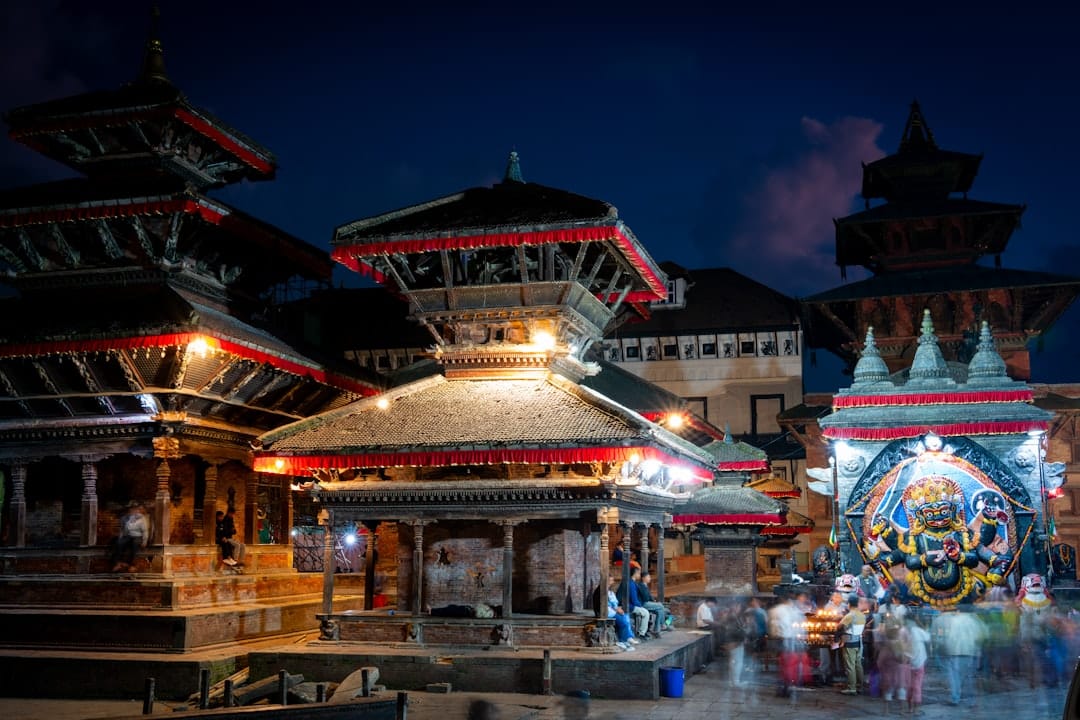
Kathmandu Durbar Square (Hanuman Dhoka)
The old royal square in the heart of the city is a dense cluster of pagoda temples, courtyards, and the Hanuman Dhoka palace, named for the monkey-god statue guarding its gate. Entry for foreigners is NPR 1,000 (about $7), which also covers the palace museums and the Kumari Ghar, home of the Kumari — a young girl worshipped as a living goddess who occasionally appears at a carved upper window. Photographing her is forbidden; watching her appear is free, so ignore any "guide" who claims you must pay for access. Come at 8am before the tour groups and the light is better on the brick. The museums inside (the Tribhuvan and Mahendra collections in Nasal Chowk) keep shorter hours, roughly 10am to 4pm, and close on public holidays.
Swayambhunath (the Monkey Temple)
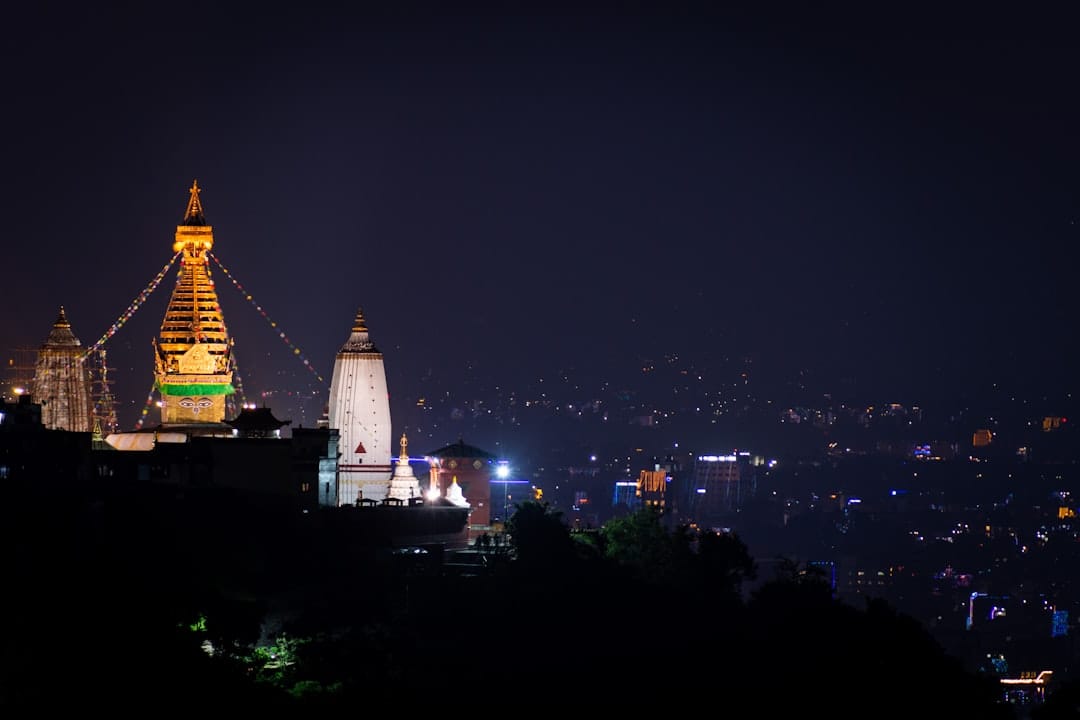
This white stupa with its painted Buddha eyes sits on a hilltop west of the center and is the best cheap panorama in the city — on a clear morning you can see the whole valley and, in autumn, snow peaks beyond it. Entry is just NPR 200 (around $1.50). The classic approach is the eastern staircase of 365 stone steps, steep enough to earn the view; if your knees object, a road on the west side lets a taxi drop you near the top. The nickname is literal — rhesus macaques run the place and will snatch anything that looks like food, plus sunglasses and loose plastic bags, so keep snacks zipped away. Sunrise and the hour before sunset are the quietest and most photogenic times.
Boudhanath Stupa
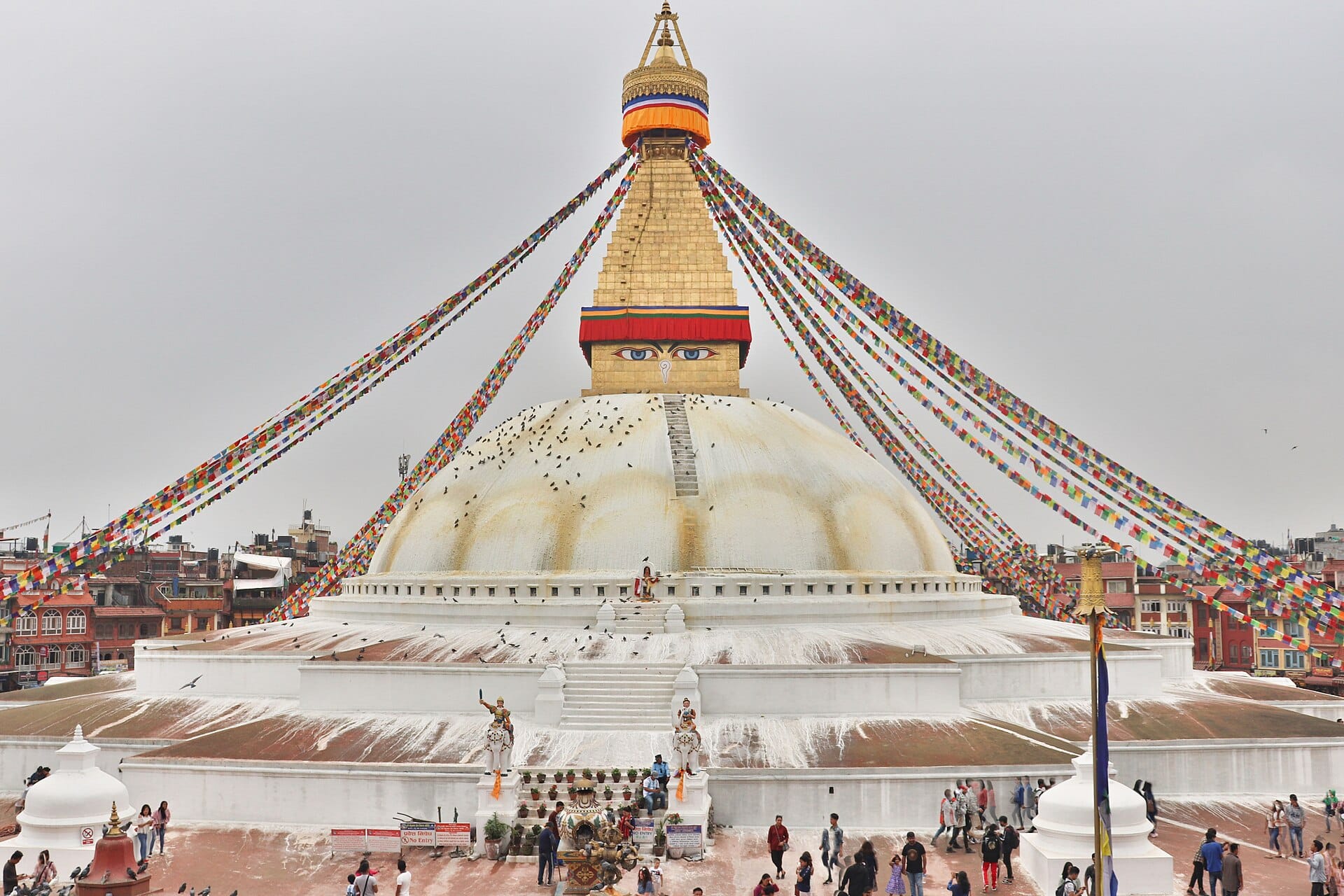
Boudhanath is one of the largest stupas in the world and the spiritual center of Nepal's Tibetan Buddhist community, ringed by monasteries and rooftop cafes. Entry to the plaza is NPR 400 (about $3). The thing to do here is join the kora — the clockwise walk around the base — at dawn or dusk, when hundreds of pilgrims, maroon-robed monks, and elderly locals circle the dome spinning prayer wheels and murmuring mantras. It is quietly moving and costs nothing beyond the entry ticket. Grab a coffee on one of the terrace cafes on the ring for a dome's-eye view, then explore the monasteries in the surrounding lanes. This is also the calmest neighborhood to stay in if central Thamel sounds exhausting.
Pashupatinath Temple
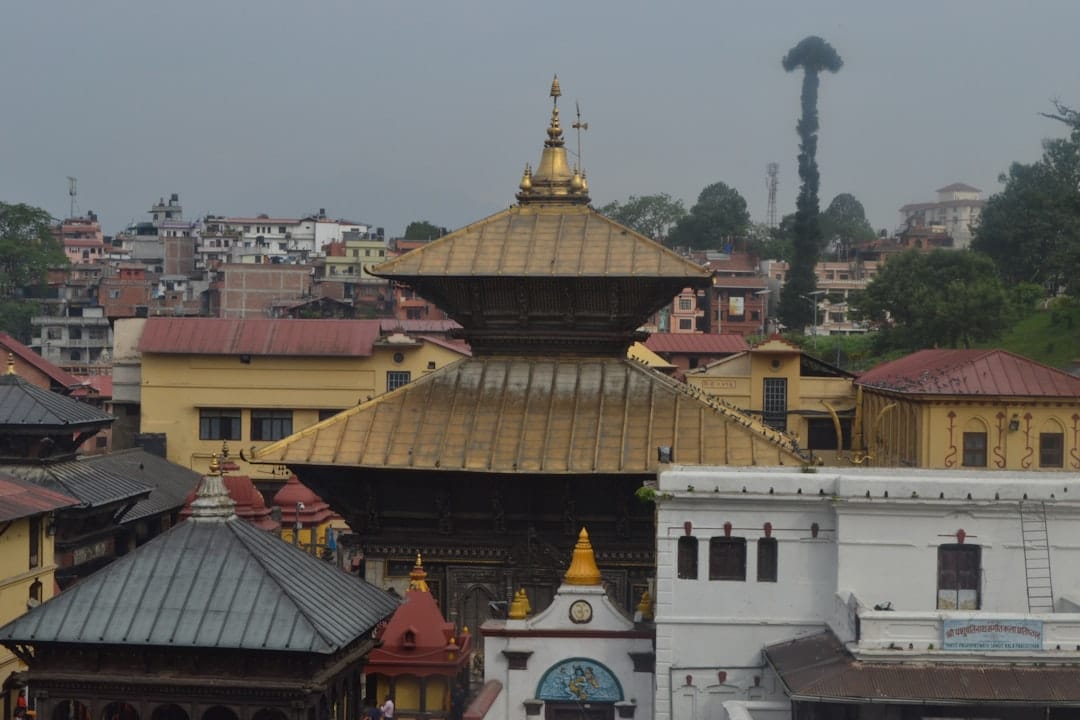
Nepal's holiest Hindu site sprawls along the Bagmati River and is, frankly, an intense place: it is the country's most important cremation ground, and open-air funeral pyres burn on the ghats most of the day. Entry is NPR 1,000 (about $7). Non-Hindus cannot enter the main golden-roofed temple, but the ticket lets you into the wider complex, and the standard view is from the terraces on the east bank across the river, where you can watch the rituals from a respectful distance. Photograph the cremations with restraint or not at all — these are real families in real grief. Come around 6pm for the evening Bagmati aarti, a fire-and-chanting ceremony on the riverbank. The resident sadhus (holy men) will pose for photos and then firmly request a tip, so agree on that first.
Patan Durbar Square (Lalitpur)
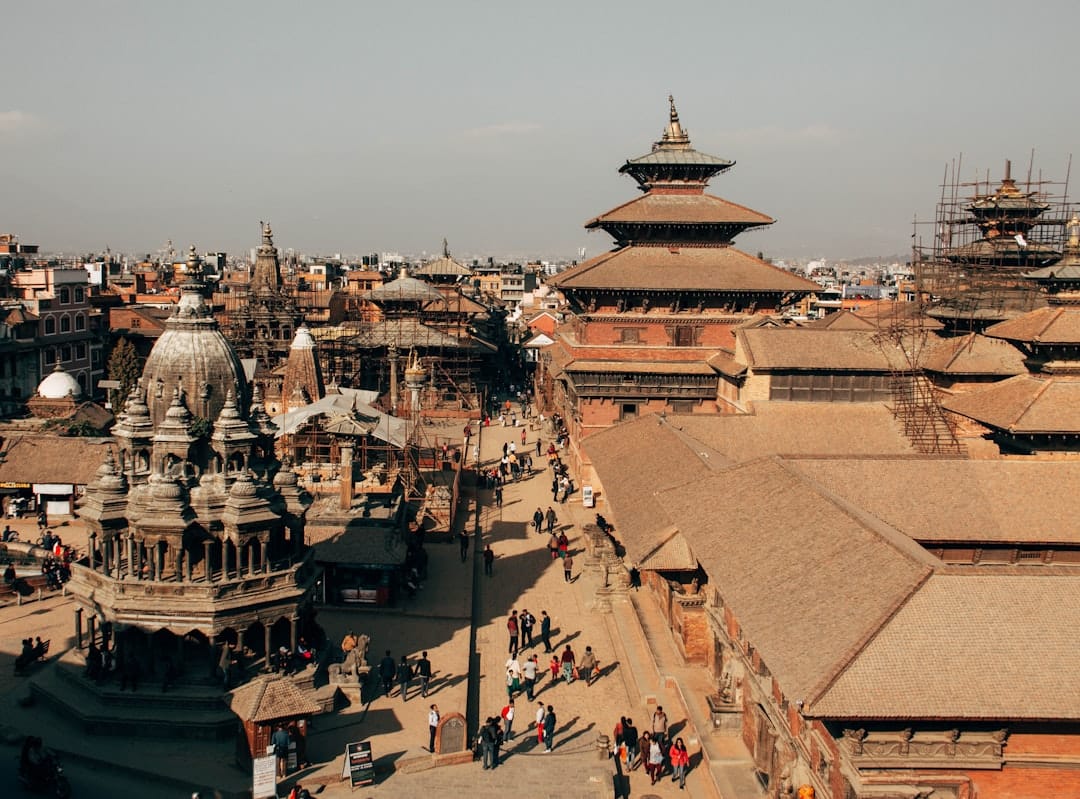
Just across the Bagmati from central Kathmandu, Patan — officially Lalitpur, "city of beauty" — has the valley's most refined Durbar Square, a compact row of stone and bronze temples facing the old royal palace. Entry is NPR 1,000 (about $7). The standout is the Patan Museum inside the palace, widely rated one of the best museums in South Asia, with a beautifully lit collection of Hindu and Buddhist bronzes in a restored Newari courtyard; the museum cafe in the garden is a quiet lunch spot. Patan is also the city's living craft center — the surrounding lanes are full of metalworkers and thangka painters — so it rewards aimless wandering more than any other square. Late afternoon light on the Krishna Mandir, the stone shikhara-style temple, is the shot.
Bhaktapur Durbar Square
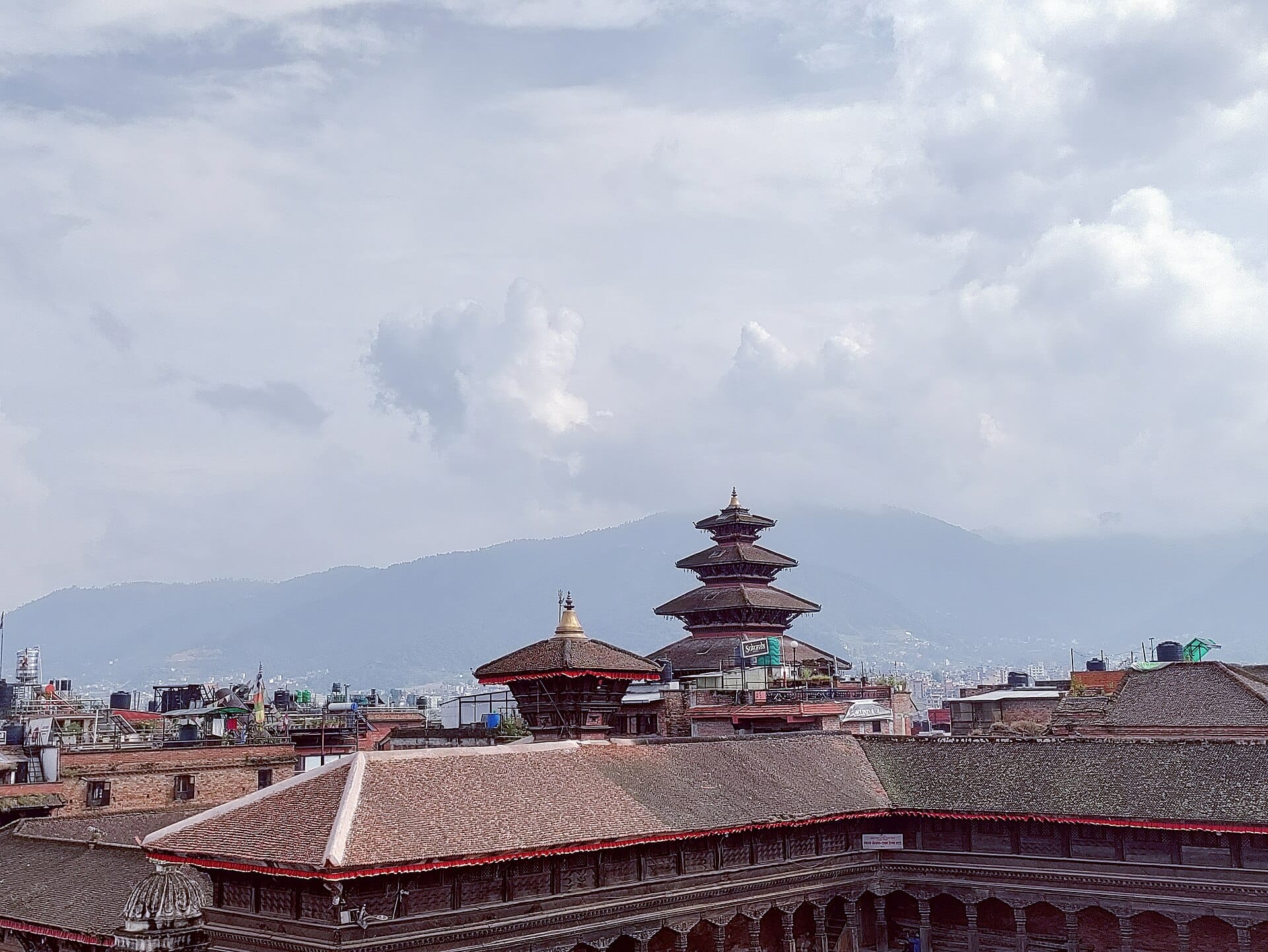
Thirteen kilometers east of the center, Bhaktapur is the best-preserved of the three old royal cities and the one that feels least like the 21st century — cars are largely kept out of the core, and potters still dry clay in the aptly named Pottery Square. Foreign entry is NPR 1,500 (US$15), the priciest ticket in the valley, but it funds the ongoing restoration and, with your passport, can be extended for multiple days. The five-tiered Nyatapola temple is the tallest in Nepal and survived 2015 intact. Budget at least half a day; the square opens around 7am and the ticket booths run to about 7pm. Reward yourself with a clay cup of juju dhau, Bhaktapur's famous "king curd," sold from shops around the square for NPR 100–200.
Nagarkot for the Himalaya
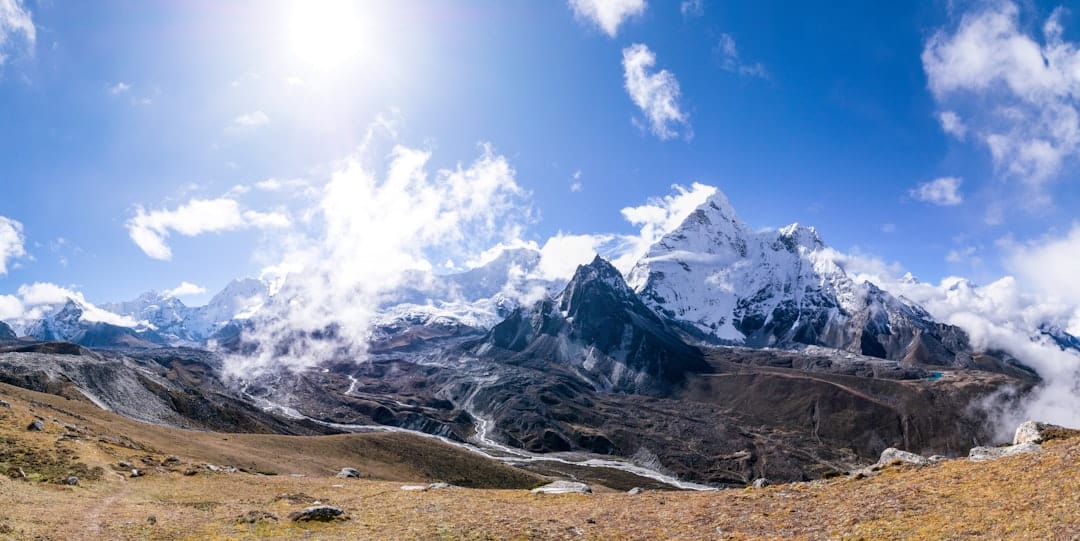
Kathmandu itself only teases the mountains, so if you want the full Himalayan wall, ride out to Nagarkot, a ridge village about 32 km northeast at 2,175 m. On a clear autumn or winter morning the panorama stretches across the Langtang and Ganesh Himal ranges, and on the very clearest days you can pick out Everest on the far horizon. The move is to sleep there overnight and catch sunrise from the view tower rather than attempting a pre-dawn drive; a taxi from Kathmandu runs roughly NPR 3,000–4,000 (around $22–29) one way, or join a shared sunrise tour. Skip it entirely during the June–September monsoon, when cloud swallows the view and you'll pay for a wall of gray.
🗓️ A 3-Day Itinerary
Day 1 — Kathmandu's old core and the Monkey Temple
Start at Kathmandu Durbar Square (NPR 1,000) around 8am while it's quiet, and give it a couple of hours — the palace, the Kumari Ghar, and the surrounding temples. Walk 15 minutes north into Ason and Indra Chowk, the frantic old market bazaars where locals buy spices, textiles, and marigold garlands; this is free and the best street theater in the city. Grab a plate of momos for lunch (NPR 150–250). In the afternoon, taxi or ride-app over to Swayambhunath (NPR 200, about a 20-minute ride) and time the climb so you're at the top for late-afternoon light and the valley view. Head back to Thamel for dinner. Rough cost: $12–18 including tickets, food, and two short taxi rides.
Day 2 — Boudhanath and Pashupatinath
These two sit close together on the east side, so pair them. Start mid-morning at Boudhanath (NPR 400), do the kora, and have a long coffee on a rooftop terrace overlooking the stupa. Walk or take a five-minute ride to Pashupatinath (NPR 1,000) in the early afternoon, and stay for the 6pm Bagmati aarti. Both are calmer and more meaningful than the guidebooks' rushed "temple-hopping" pace suggests, so don't cram anything else in. Dinner back in the center — this is a good night for a Newari khaja set. Rough cost: $14–22 including tickets, cafe, food, and transport.
Day 3 — Patan and Bhaktapur, the two other kingdoms
Devote the day to the valley's other two royal cities. Start in Patan (NPR 1,000, ~20 minutes from Thamel), focusing on the Durbar Square and the excellent Patan Museum, and eat lunch in the museum garden cafe or at a Newari joint like Honacha beside the square. Early afternoon, ride across the valley to Bhaktapur (NPR 1,500, ~45 minutes depending on traffic) and spend the rest of the day in its car-free lanes and Pottery Square, ending with a clay pot of juju dhau. If you'd rather chase the mountains, swap Bhaktapur for an overnight in Nagarkot and a sunrise. Rough cost: $22–32 including both tickets, food, and transport. With more time, add Kirtipur or the woodcarving village of Bungamati.
🧠 Essential Tips
Best time to visit
Autumn — October and November — is the prime window: skies are washed clean by the just-ended monsoon, temperatures are mild (roughly 10–24°C), and Himalayan views are at their most reliable. The catch is that Nepal's two biggest festivals fall here — Dashain peaks on 21 October 2026 and Tihar, the festival of lights, runs 8–11 November 2026 — which means the city is dressed up and joyful but many shops and offices close and prices climb, so book ahead. Spring (February to April) is the second-best season, warmer and dry, with rhododendrons on the hills and Holi falling on 3 March 2026. Winter (December to February) is dry and cheap but the mornings are cold and a pollution haze often dulls the views. Avoid the June–September monsoon unless you don't mind daily downpours, humidity, and mountains hidden behind cloud.
Getting there and getting around
You'll land at Tribhuvan International Airport (TIA), about 5.5 km from Thamel — a 15 to 30 minute drive depending on traffic. The prepaid taxi counter inside the terminal charges a fixed NPR 1,000 (about $7) and saves you a fight; taxis in the parking lot will open at NPR 1,500–2,000 and expect haggling. If you have a local SIM and don't mind walking to the Ring Road just outside the airport gate (ride apps aren't allowed to pick up inside), Pathao or InDrive will do the same run for NPR 500–600 ($4).
Kathmandu has no metro. Locals get around with the ride-hailing apps Pathao and InDrive — download both. InDrive lets you name your own fare and haggle with drivers in-app, which keeps prices honest; Pathao also offers cheap motorbike pillion rides that cut through gridlock. Street taxis exist but drivers ignore their meters, so agree the price before getting in or you'll overpay every time. For short hops in the old city, just walk — Thamel to Durbar Square is a 15-minute stroll.
Safety and scams
Kathmandu is generally safe for tourists, including solo travelers, and violent crime against visitors is rare. The everyday hazards are money and monkeys, not danger. Taxi overcharging is the most common one — always use an app or fix the fare first. Around the Thamel tourist strip, expect touts pushing unlicensed trekking guides and "special deals"; book treks through a registered agency, not a man who approaches you on the street. The macaques at Swayambhunath and Pashupatinath will grab food, bags, and sunglasses, so keep them stowed. Two practical health notes: tap water isn't safe to drink — stick to filtered or bottled and refill where you can — and in winter the traffic-and-dust air quality is poor enough that a light mask is worth packing. Occasional political strikes (bandh) can briefly halt traffic, but they're announced in advance and rarely target tourists.
Food worth crossing town for
Nepali food is built for travelers on a budget. Momos — steamed or fried dumplings stuffed with buffalo, chicken, or vegetables — are the national snack; Newa Mo:Mo in Thamel and Yangling Tibetan in Satghumti do excellent versions from NPR 90–250. Dal bhat — lentils, rice, curried vegetables, and pickle, with free refills — is the everyday meal, and the Thakali version from the mountains is the best; try it at a dedicated Thakali kitchen for NPR 400–900. For the local specialty, order a Newari khaja set (or samay baji): beaten rice, spiced choila meat, a lentil patty, soybeans, and pickles, best at old-school spots like Honacha by Patan Durbar Square or Newa Lahana in Kamaladi. For a splurge, Bhojan Griha, set in a restored 150-year-old Rana mansion in Dillibazar, serves a multi-course Nepali thali with a live cultural dance show for roughly $15–25. And don't leave without a clay pot of Bhaktapur's juju dhau.
🏨 Accommodation Guide
Kathmandu delivers unusual value: dorm beds cost a few dollars and genuine heritage luxury runs a fraction of what it would in Europe or Japan.
Budget — Thamel
The backpacker district of Thamel has hundreds of options within walking distance of the old city. Hostels like Zostel Kathmandu and Yakety Yak run dorm beds around NPR 800–1,500 ($6–11) with rooftop terraces and social bars; simple guesthouse doubles such as Hotel Holy Lodge go for roughly $10–20. It's central and cheap but noisy, so ask for a room off the main lanes.
Mid-range — Thamel, Lazimpat, Jhamsikhel
The Kathmandu Guest House, a Thamel institution with a walled garden that has hosted travelers since the 1960s, is the classic mid-range pick at roughly $40–90. For something quieter, look at boutique hotels in leafy Lazimpat or across the river in Patan's arty Jhamsikhel ("Jhamel") district, where cafe-lined streets make a calmer base. Expect $40–100 for a comfortable double.
Luxury — heritage and five-star
The standout is Dwarika's Hotel, a property built around a courtyard of rescued centuries-old Newari woodcarvings — a museum you can sleep in, from around $300 a night. The Hyatt Regency sits beside Boudhanath with the stupa on its doorstep; the Hotel Yak & Yeti and Hotel Shankar (a restored 1894 palace in Lazimpat) offer old-world grandeur; and the Kathmandu Marriott covers modern five-star comfort. Rates generally run $150–450 depending on season — a bargain by international luxury standards.
🎭 Beyond the Tourist Trail
Once you've done the squares, the valley opens up. Cross to Patan and get lost in its backstreets, where hidden Buddhist courtyards (bahals) sit behind unmarked doorways, then decompress in Jhamsikhel, the cafe, craft-beer, and gallery quarter that's become the city's most creative pocket. Kirtipur, a hilltop Newari town on the southwestern edge, gets almost no tour buses and offers old temples plus valley views for the price of a taxi. South of Patan, the woodcarving villages of Bungamati and Khokana still work in the medieval trades, and you can watch craftsmen chisel timber the way they have for centuries. Back in Thamel, the walled neoclassical Garden of Dreams is a real escape from the chaos for a few hundred rupees.
Time your trip to a festival and the city transforms. Indra Jatra (around 25 September 2026) fills Kathmandu Durbar Square with masked dances and the chariot procession of the living goddess. Bisket Jatra in Bhaktapur, on Nepali New Year (14 April 2026), features a giant chariot hauled through the streets in a raucous tug-of-war. And during Tihar in early November, homes and temples across the valley glow with oil lamps and marigolds — the single most beautiful time to see the city after dark.
❤️ Plan Your Kathmandu Trip with VoyaBear
Kathmandu rewards travelers who slow down — who linger for the dawn kora at Boudhanath instead of racing between ticket booths, and who know which Thakali kitchen is worth the detour. That's exactly the kind of trip VoyaBear builds. Tell us your dates, your budget, and whether you're here for the temples, the trekking gateway, or the momos, and we'll craft a personalized day-by-day Kathmandu itinerary with the routes, timings, and reservations sorted — so you spend your time in the valley, not planning it. Start planning your Nepal trip with VoyaBear today.