VoyaBear


Most people come to Siem Reap for one sunrise and stay for a week. The town sits five kilometres south of Angkor, the capital of the Khmer Empire from the 9th to the 15th centuries and, at its peak, one of the largest cities on earth. What survives is roughly 400 square kilometres of stone temples, reservoirs, and causeways in various states of collapse and restoration — Angkor Wat alone covers about 160 hectares, which makes it the largest religious monument ever built. You do not "see Angkor" in a day. You pick a strategy.
The other thing to know before you book: the airport moved. Since October 2023 all flights land at Siem Reap–Angkor International (SAI), 45 kilometres east of town, so the days of a $6 tuk-tuk from the terminal to your guesthouse are over. Plan the transfer, buy the right length of Angkor pass, and get your temple order right, and Siem Reap rewards you more than almost anywhere in Southeast Asia. Here is how to do it in 2026 without wasting a morning stuck behind forty tour buses.
🏛️ Essential Experiences
1. Angkor Wat — go at sunrise, then again in the afternoon
Angkor Wat is the reason the pass exists. Built for King Suryavarman II in the early 12th century as a temple to Vishnu, it is a scale model of the Hindu cosmos: five towers for the peaks of Mount Meru, a moat 190 metres wide standing in for the cosmic ocean. The bas-relief galleries on the lower level run for hundreds of metres — the "Churning of the Sea of Milk" on the east wall is the one to find. The classic sunrise shot is from the left-hand reflecting pool, where the towers double in the water.
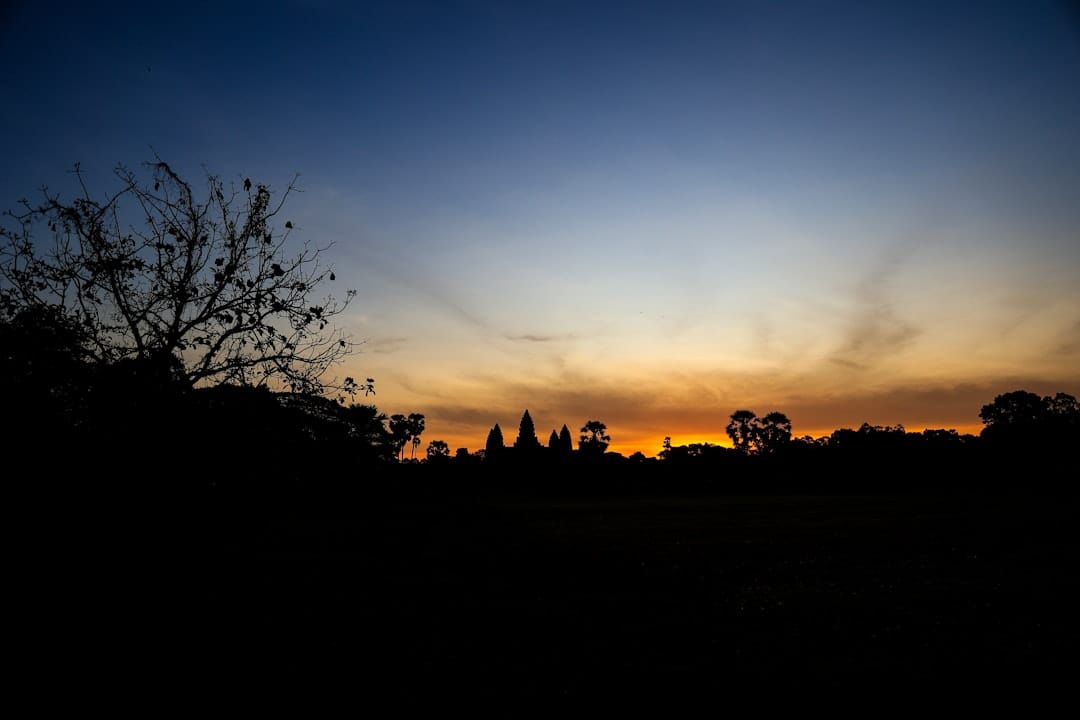
Insider tip: everyone crowds the pools at 5:30am, then leaves for breakfast by 8. Do the opposite for the temple interior — climb to the upper level (the Bakan) after 2pm when the tour groups have gone. The upper tower has a modest-dress rule that is actually enforced: shoulders and knees covered, no exceptions, and it is closed to children under 12. Cost: covered by the Angkor Pass — $37 for one day, $62 for a three-day pass (see the tips section).
2. Angkor Thom & the Bayon — the faces
Angkor Thom was the last great capital of the empire, a walled city of nine square kilometres laid out by Jayavarman VII around 1200. You enter through the South Gate, where a causeway is lined by 54 gods on one side and 54 demons on the other, each row hauling a giant serpent. At the exact centre stands the Bayon, bristling with more than 200 enormous stone faces gazing out from its towers — serene, slightly smiling, and unforgettable at close range. Nearby are the Baphuon, the Terrace of the Leper King, and the 300-metre Terrace of the Elephants.
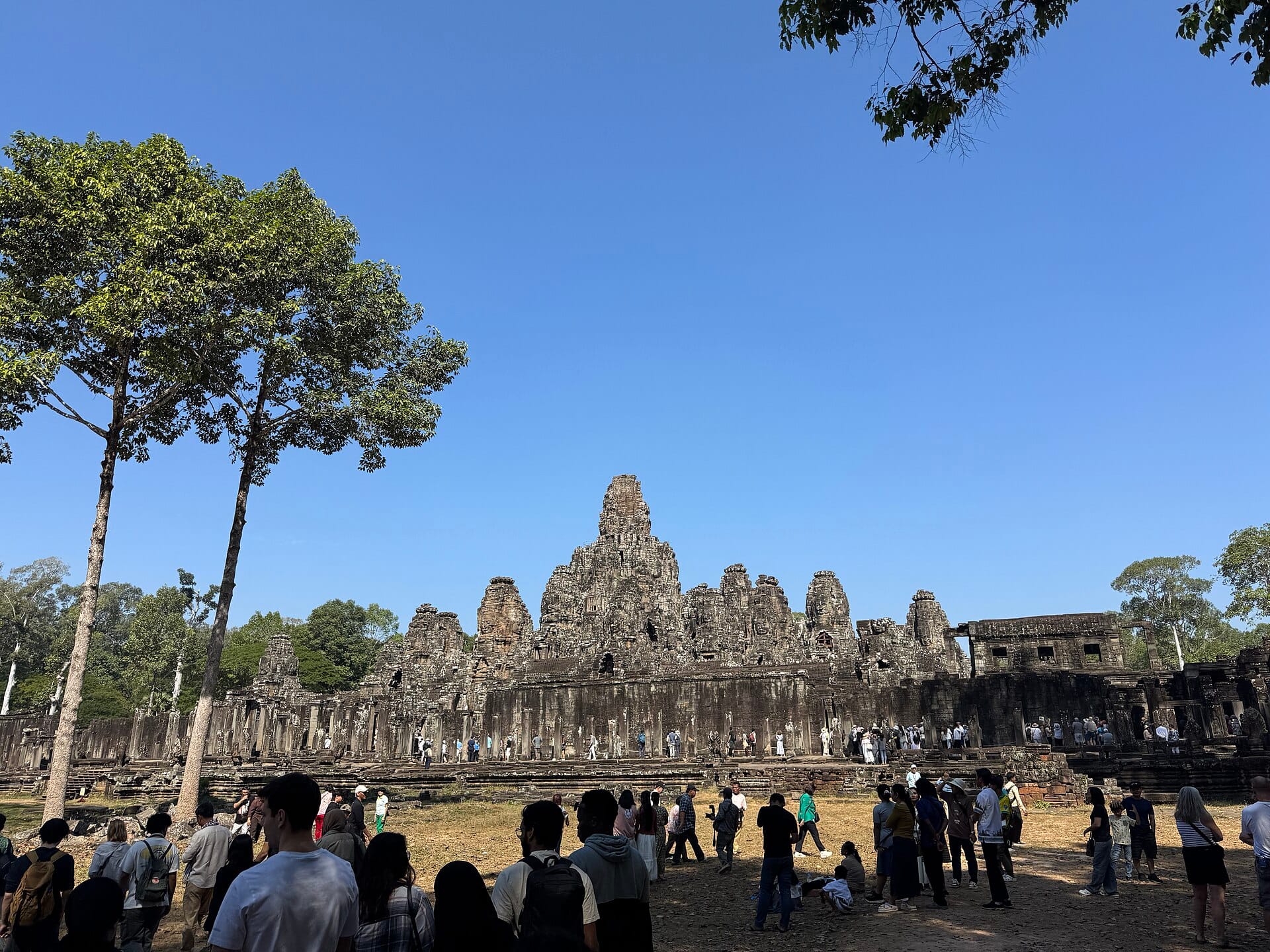
Insider tip: the Bayon photographs best in mid-morning, roughly 9–10am, once the sunrise crowd has moved on but before midday flattens the light. Walk the upper terrace clockwise and look up — the faces line up in threes and fours from certain angles.
3. Ta Prohm — the temple the jungle kept
When the French cleared Angkor in the early 20th century, they deliberately left Ta Prohm as they found it: half-swallowed by strangler figs and silk-cotton trees whose roots pour over the galleries like wax. It is the most atmospheric ruin in the park and, since it stood in for the 2001 Tomb Raider film, the most photographed after Angkor Wat. Wooden walkways now route you past the famous root formations.
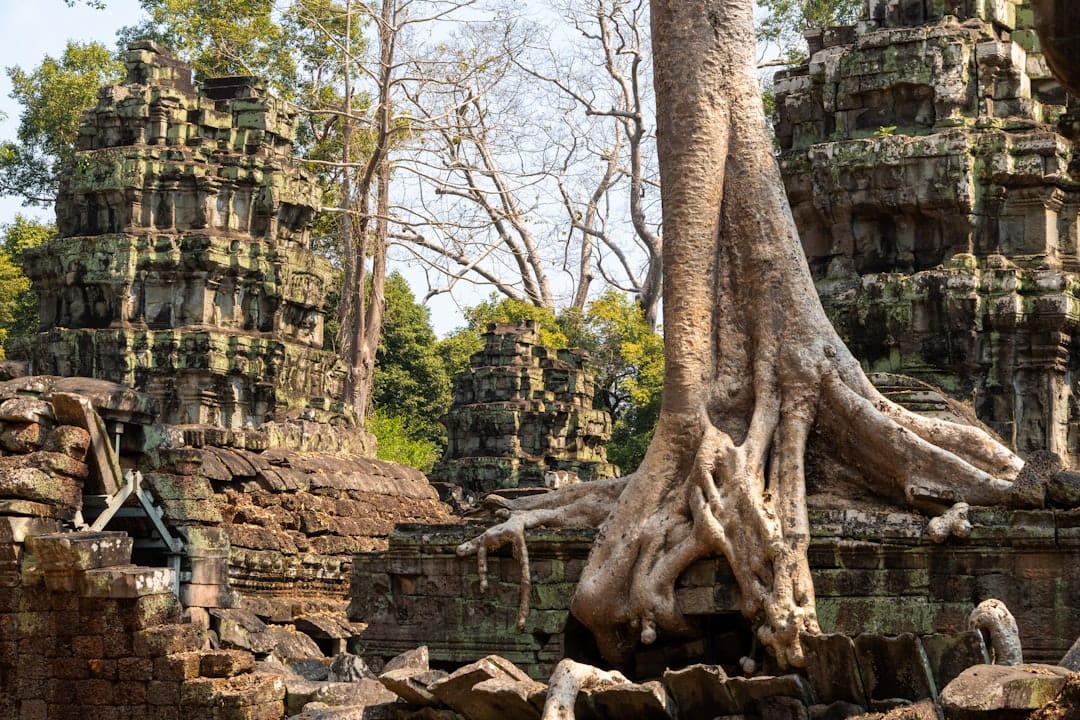
Insider tip: the signature tree near the eastern entrance draws a queue for photos by 9am. Arrive at the 7:30am opening and enter from the east, or come in the last hour before 5:30pm — the light through the canopy is better and the walkways nearly empty out.
4. Banteay Srei — the carvings worth the drive
Banteay Srei sits about 37 kilometres northeast of Siem Reap, a 45-minute drive most people skip. They are wrong to. Consecrated in 967 AD and built not by a king but by a Brahmin courtier, it is cut from rose-pink sandstone that holds detail like almost no other stone at Angkor. The carving is so fine and so deep it looks like woodwork — the pediments showing scenes from the Ramayana are the finest bas-reliefs in the entire park. The name means "citadel of the women," a nod to that delicacy.
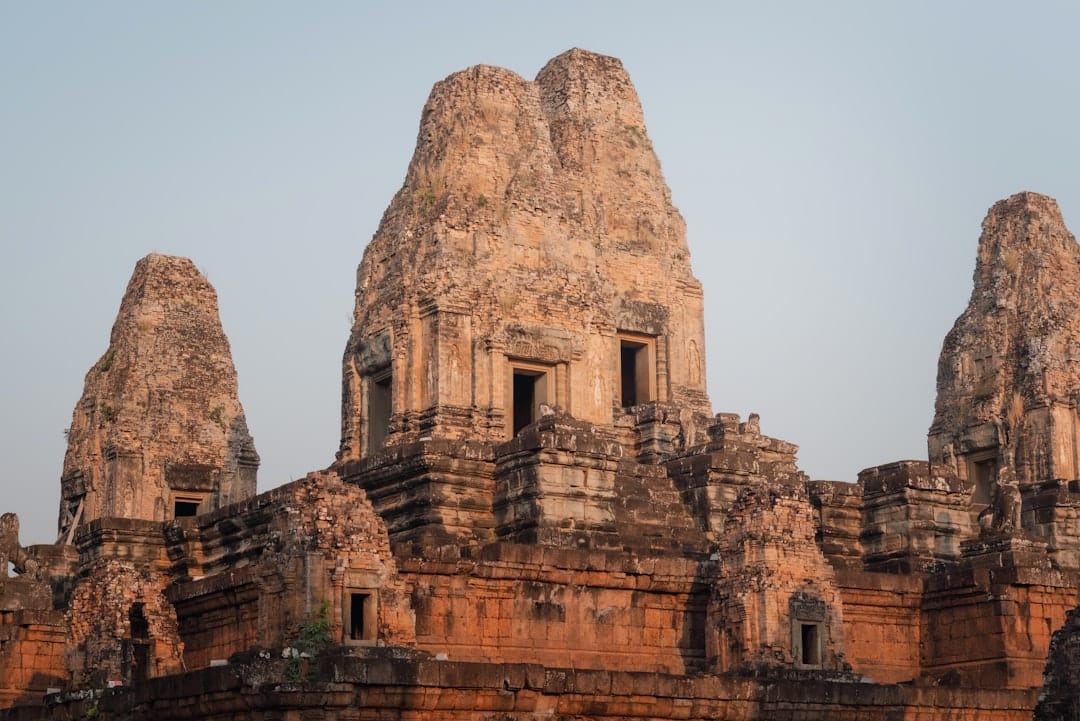
Insider tip: pair it with the Cambodia Landmine Museum, 6 kilometres back toward town, and the Kbal Spean "river of a thousand lingas" carvings further up the same road — a natural half-day loop. Go early; the pink stone glows warmest in the first two hours after opening, and afternoon tour buses clog the small site.
5. Preah Khan — Ta Prohm without the crowds
Preah Khan ("sacred sword") was built by Jayavarman VII in 1191 and dedicated to his father. It is a sprawling, flat, still-unrestored complex on the Grand Circuit, and it gives you much of Ta Prohm's jungle-and-stone drama with a fraction of the visitors. A long causeway flanked by god-and-demon figures leads in, and near the eastern entrance stands a curious two-storey building with rounded columns — unique at Angkor and thought to have held a sacred relic.
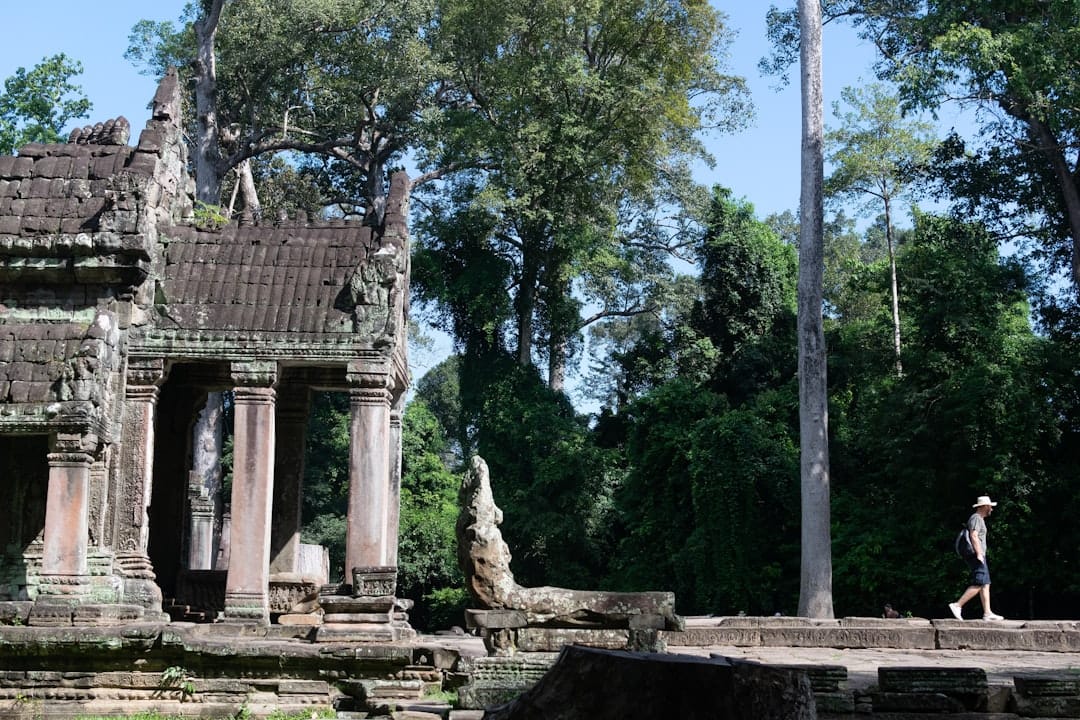
Insider tip: enter from the west gate and walk straight through to the east — it is a through-route, not a loop, so have your driver meet you at the far side. You will often have whole corridors to yourself, something impossible at Ta Prohm.
6. Phnom Bakheng — sunset, if you plan for it
Phnom Bakheng is a 9th-century temple-mountain on a 65-metre hill, and its summit is the classic sunset spot because you can see Angkor Wat rising from the forest to the southeast. The catch: authorities cap the summit at 300 people at a time to protect the structure, and in high season that quota fills well before sunset.
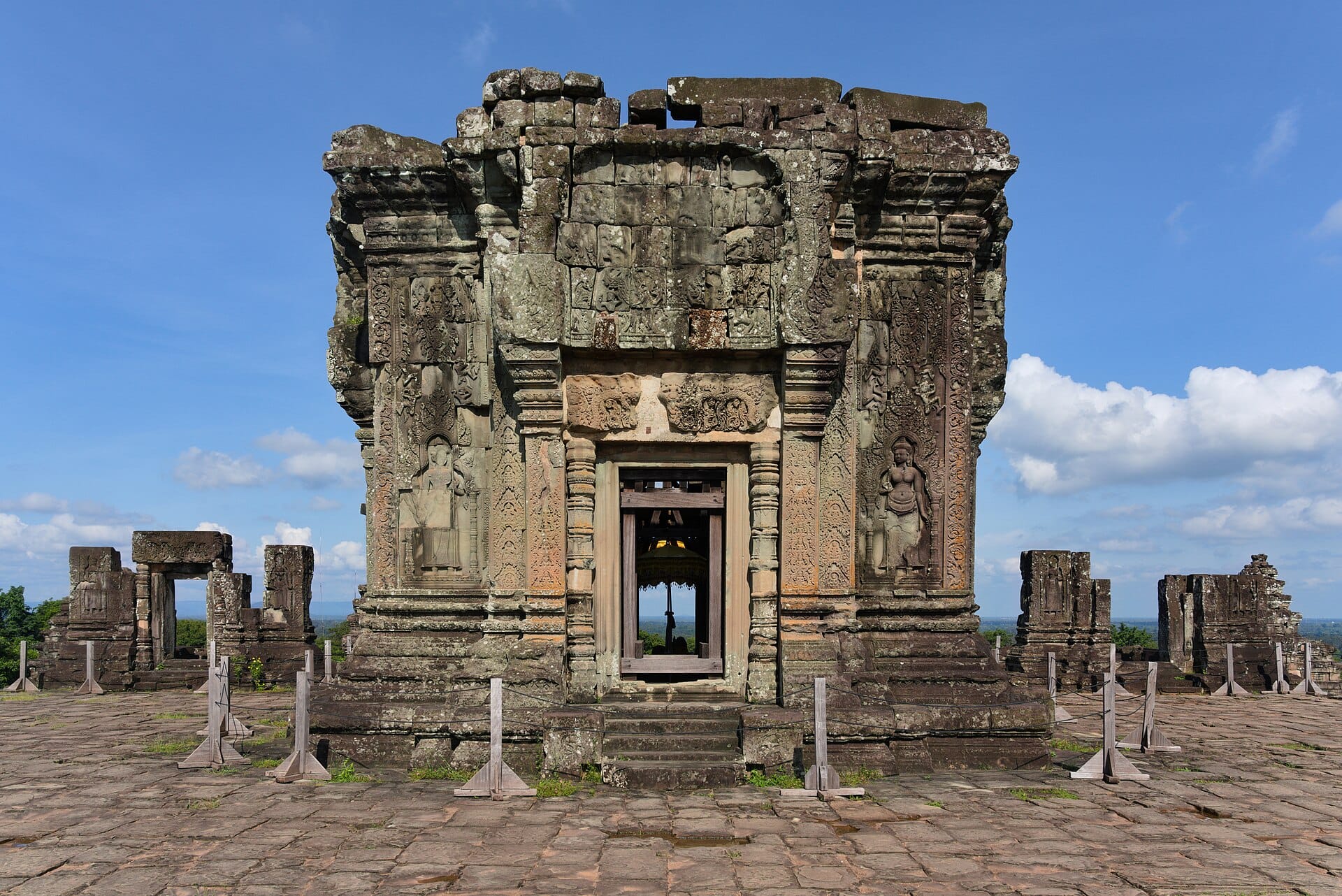
Insider tip: the walk up takes 15–20 minutes on an unpaved path, so factor that in. In peak season (November–January) start climbing by 3:30pm to be sure of a spot before the 7pm closing; in the wet season 4:30pm is usually fine. If the queue looks hopeless, the upper level of Pre Rup to the east is a lower-stress sunset alternative.
7. Tonlé Sap — the floating villages (choose the right one)
Southeast of town lies Tonlé Sap, Southeast Asia's largest freshwater lake, which swells to several times its dry-season size when the monsoon reverses the river's flow. Communities here live in houses on stilts or on rafts that rise and fall with the water. Kampong Phluk (about 30km, stilted houses towering over the dry lakebed in the dry months) and Kampong Khleang (the largest village, roughly 50km and 2–2.5 hours out, and the least touristy) are the ones worth your time.
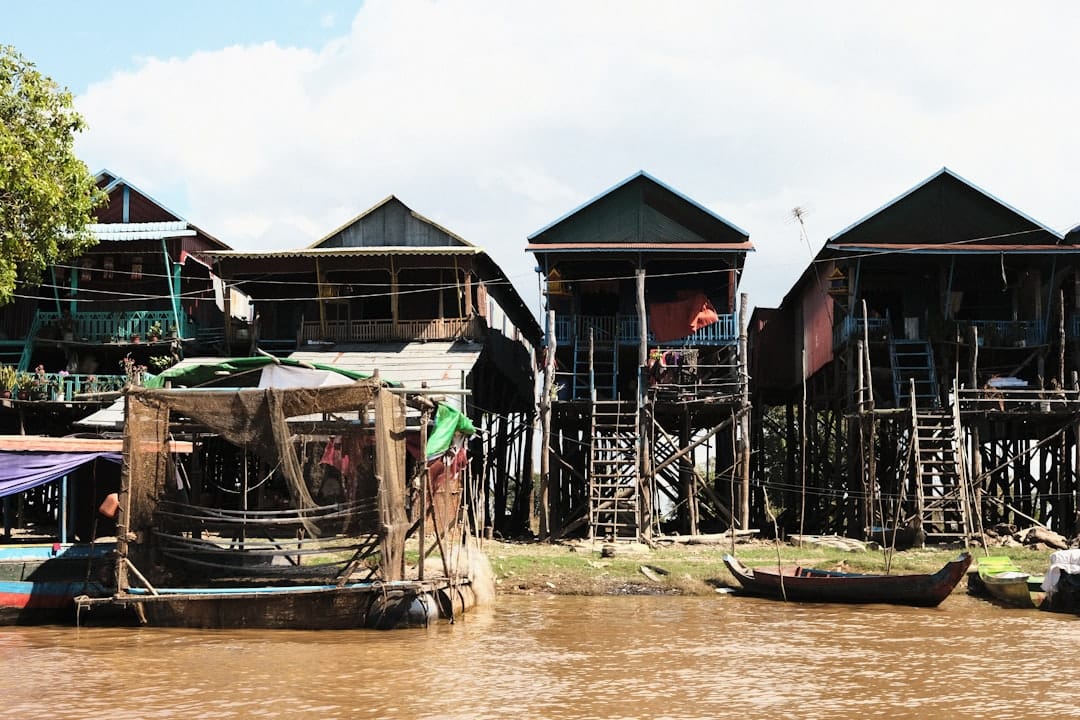
Insider tip: do not go to Chong Kneas, the closest village. It is a well-documented tourist trap where visitors get pressured into buying "$40 bags of rice for the school" that never reach anyone. Book a Kampong Khleang or Kampong Phluk trip instead (roughly $20–30 per person including the boat), and skip any "crocodile farm" or orphanage add-on.
8. Phare, The Cambodian Circus — the best night out in town
Phare is not a temple, and after three days of stone you will be grateful. It is a modern circus — acrobatics, live music, theatre, and painting woven into a story — performed by graduates of Phare Ponleu Selpak, an arts school in Battambang founded in 1994 by young Cambodians who had grown up in refugee camps after the Khmer Rouge. The performers are extraordinary, and ticket revenue funds the school.
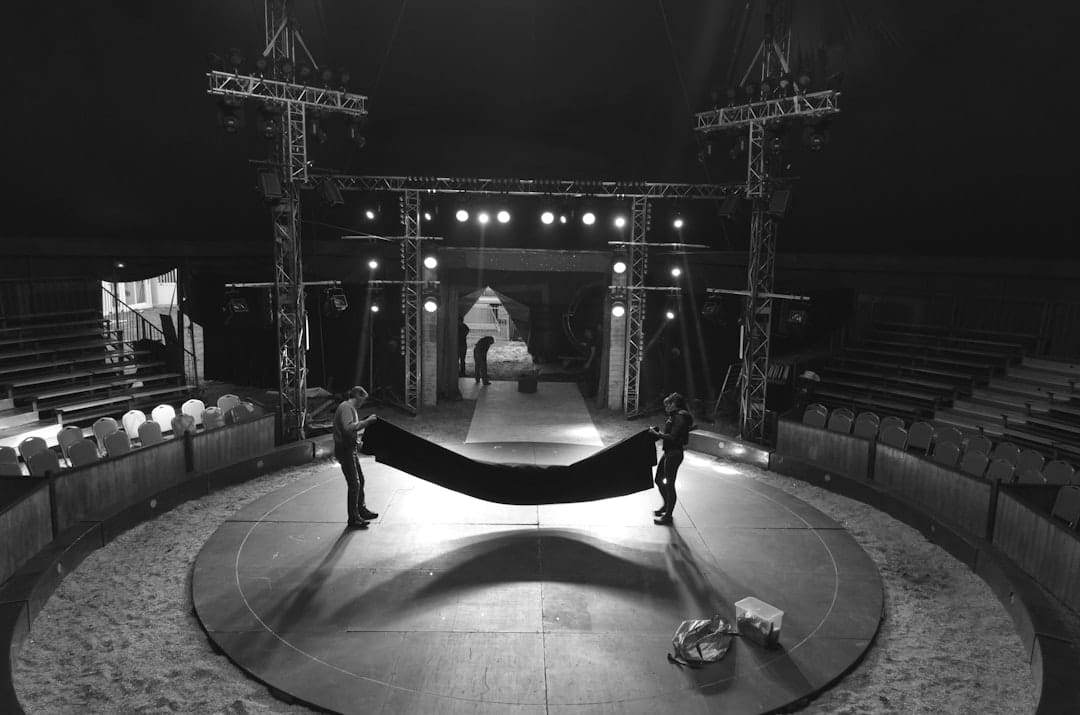
Insider tip: shows run nightly at 8pm under the big top near the Angkor National Museum; arrive by 7:30 for the food stalls and to grab your seat. Tickets are $18 (Section C, side seating), $28 (Section B), or $38 (Section A, reserved front-and-centre with a souvenir). Book a day ahead in high season.
🗓️ A 3-Day Itinerary
Day 1 — The classics (Small Circuit)
Buy your three-day pass the evening before at the official Angkor Enterprise ticket office; if you turn up after 4:45pm you can use it for that same evening's sunset and still get all three days. Start with the Angkor Wat sunrise (be at the reflecting pool by 5:15am), then explore the galleries before the heat. Mid-morning, move to Angkor Thom for the Bayon and the Terrace of the Elephants. Break for lunch at one of the shophouse restaurants near the Bayon (a plate of lok lak runs about $5–6), then finish at Ta Prohm in the late afternoon. A tuk-tuk driver for the whole Small Circuit day costs roughly $15–18. Back in town, dinner on Pub Street, where a draft Angkor beer is often $0.50.
Day 2 — The far temples (Banteay Srei + Grand Circuit)
Drive out to Banteay Srei first thing (45 minutes; the pink stone is best in early light), stopping at the Landmine Museum on the way back. In the afternoon, loop the Grand Circuit — Preah Khan, Neak Pean (a temple on an island in a baray), and Ta Som, whose east gate has its own strangler-fig embrace with none of Ta Prohm's crowds. A tuk-tuk day covering Banteay Srei plus the Grand Circuit runs about $25–30 because of the distance. End at Phnom Bakheng for sunset, or head back for the 8pm Phare show ($28 for a Section B seat).
Day 3 — Lake, museum, and town
Use the morning for a Tonlé Sap trip to Kampong Khleang before the midday heat (about $20–30 per person; a half-day). Back in town, cool off in the air-conditioned Angkor National Museum ($12, open 8:30am–6:30pm) — its Gallery of 1,000 Buddhas and clear timelines make far more sense of what you have been walking through than any guidebook. Spend the late afternoon in Kandal Village on Hap Guan Street, browsing the boutiques and drinking iced coffee, then have a proper Khmer dinner at Pou Restaurant or Malis. Total on-the-ground spend for three days — passes, tuk-tuks, food, one show, the lake — lands around $150–200 per person (roughly €140–185), not counting your room.
🧭 Essential Tips
When to go
The dry season, November to February, has the most comfortable weather — daytime highs around 30–31°C and little rain — which is exactly why it is also the most crowded and the priciest, peaking over Christmas and New Year. If you can handle heat, June to October is the underrated window: yes it rains, but usually as a heavy hour in the late afternoon rather than an all-day washout, the moats and forests turn green, room rates drop, and the temples are far quieter. Two dates to plan around: the Water Festival (Bon Om Touk) falls on 24–26 November 2026, when the river's flow reverses and boat races are held (the biggest are in Phnom Penh, but Siem Reap runs its own on the river); and Khmer New Year in mid-April, when the country empties into the streets for three days of water fights but the heat tops 35°C.
Getting in and getting around
From Siem Reap–Angkor International Airport (SAI), 45km east, your options are the official airport shuttle bus ($8 one-way, $15 return, hourly, dropping at 7 Makara Road where a $2 tuk-tuk finishes the trip), a pre-booked private car ($30–35 for a sedan), or a ride-hailing app ($25–35). Note that local three-wheel tuk-tuks are barred from picking up inside the airport grounds. In town, download PassApp or Grab — both work in Siem Reap and show the fare before you accept, which ends the haggling. For temple days, hire a tuk-tuk driver directly (about $15–18 for the Small Circuit, $25–30 for the far temples); a good one becomes your guide, waits at each stop, and is easily worth it.
Money
Cambodia runs on the US dollar for anything over a dollar or two, with Cambodian riel (about 4,000 to the dollar) handed back as small change — pay $3 with a $10 note and you will get riel. Bring clean, untorn dollar bills; damaged ones are refused. QR payments via the KHQR system are now everywhere, and foreign visitors can use the Bakong Tourist app to pay by scan without a Cambodian bank account. Keep some cash for tuk-tuks and market stalls.
Staying safe and not getting scammed
Siem Reap is a low-crime town, but a few specific traps recur. The Chong Kneas floating-village "rice for the school" scam is the big one (covered above). Watch for tuk-tuk drivers who claim your chosen temple is "closed today" and steer you to a gem or souvenir shop where they earn commission — it is not closed. Dress codes at the temples are real: shoulders and knees covered, strictly enforced on Angkor Wat's upper level. At remote, unrestored temples, stay on marked paths — parts of rural Cambodia are still being cleared of landmines. And skip orphanage visits entirely; reputable organisations, including ConCERT Cambodia, have spent years warning that "orphanage tourism" does more harm than good.
What to eat
Cambodian food is milder and more herbal than its Thai neighbour, built on kroeung, a lemongrass-and-turmeric paste. The dish to try first is fish amok — freshwater fish steamed with coconut and kroeung into a soft mousse in a banana-leaf cup. Then lok lak (cubed beef seared and served with a black-Kampot-pepper-and-lime dip), Khmer red curry, and, for breakfast, num banh chok — fresh rice noodles under a pale green fish gravy, sold from morning stalls. For sit-down Khmer, Pou Restaurant, The Sugar Palm, and Chanrey Tree are reliable; Malis does refined Cambodian cooking; and Marum is a training restaurant for at-risk youth serving genuinely good food for a cause. For street food, graze the Angkor Night Market and the stalls around Phsar Chas (the Old Market), where a full local meal runs $3–6.
🏨 Accommodation Guide
Budget ($5–25/night): The hostels clustered around Pub Street and the riverside are excellent value — dorm beds run roughly $5–10 and private guesthouse rooms $15–25. Onederz Siem Reap (rooftop pool), Mad Monkey, and Lub d are the dependable names, all walkable to the night markets.
Mid-range ($50–120/night): The Wat Bo Road area east of the river and the French Quarter are the sweet spot — quiet, leafy, and a short walk or tuk-tuk from the action. Look at Viroth's Hotel (a design-led boutique with a pool) or The Embassy Angkor Resort. You get a pool, a garden, and breakfast for well under three figures.
Luxury ($150–450+/night): The grande dame is the Raffles Grand Hotel d'Angkor, open since 1932, with a garden pool the size of a small lake. Park Hyatt Siem Reap sits right in the centre near the Old French Quarter; Shinta Mani Angkor (a Bill Bensley design) and the riverside, plastic-free Jaya House River Park are the boutique favourites; and Anantara Angkor rounds out the top tier. Nightly rates climb steeply over the December–January peak, so book early.
🌾 Beyond the Tourist Trail
When you have had your fill of stone, the most rewarding hours in Siem Reap are the ones spent in town. Kandal Village, a short stretch of Hap Guan Street tucked between the Old Market and the French Quarter, has quietly become the city's best neighbourhood for independent shops and cafés — start with a flat white at Little Red Fox Espresso and browse Trunkh for retro Cambodian design pieces, all without a single tuk-tuk tout.
For temples the tour buses forget, drive about 65 kilometres northeast (1.5–2 hours) to Beng Mealea, a vast 12th-century ruin left almost entirely unrestored — you clamber over collapsed galleries with barely another soul around, and as of 2024 it is folded into the standard Angkor Pass, so there is no longer a separate fee. Serious temple-hunters with a full day can head much further to Koh Ker, a briefly-royal capital about two hours northeast built around a seven-tiered sandstone pyramid, inscribed as a UNESCO World Heritage Site in 2023. And if your visit lands in late November, the Water Festival boat races on the Siem Reap River are a rare chance to see the town celebrating for itself rather than for visitors.
❤️ Plan Your Siem Reap Trip with VoyaBear
Angkor rewards a plan and punishes improvisation — the difference between a magical dawn and a hot, crowded slog usually comes down to which temple you chose at which hour, and which pass you bought. That is exactly what VoyaBear is built for. Tell us how many days you have, whether you want sunrise crowds or empty afternoon corridors, and how hard you want to push in the heat, and we will build you a personalised Siem Reap itinerary — temple order, tuk-tuk routing, restaurant bookings, and the right length of Angkor Pass — down to the hour. Start planning your Cambodia trip with VoyaBear today.