VoyaBear


Ljubljana is the rare European capital you can cross on foot in the time it takes to finish a coffee. The historic center was closed to cars in stages between 2007 and 2008, so the streets along the Ljubljanica River now belong to pedestrians, cyclists, and a fleet of free electric buggies called Kavalir that will run elderly or footsore visitors from one end of the old town to the other for nothing. The city won the European Green Capital award in 2016 and has leaned into it ever since. What makes the place worth a detour in 2026, though, is the architecture: in 2021 UNESCO inscribed "The works of Jože Plečnik in Ljubljana" as a World Heritage site, which means the bridges, embankments, market colonnade, and library you'll walk past without trying are the actual reason people fly in.
It's also cheap by Western European standards, walkable to a fault, and small enough that three days is genuinely enough to see the center and still take a day trip to the Alps. Here's how to spend that time without wasting any of it.
🏙️ Essential Experiences
1. Ljubljana Castle
The castle sits on a wooded hill directly above the old town, and it has been there in some form since the 11th century, though most of what you see is 15th-to-17th-century. The reason to go up isn't the building so much as the viewing tower and the walk along the ramparts, which give you the full red-roof-and-river panorama with the Kamnik Alps behind. Inside there's a decent exhibition on Slovenian history, a 4D film, and the small but genuinely charming Museum of Puppetry.
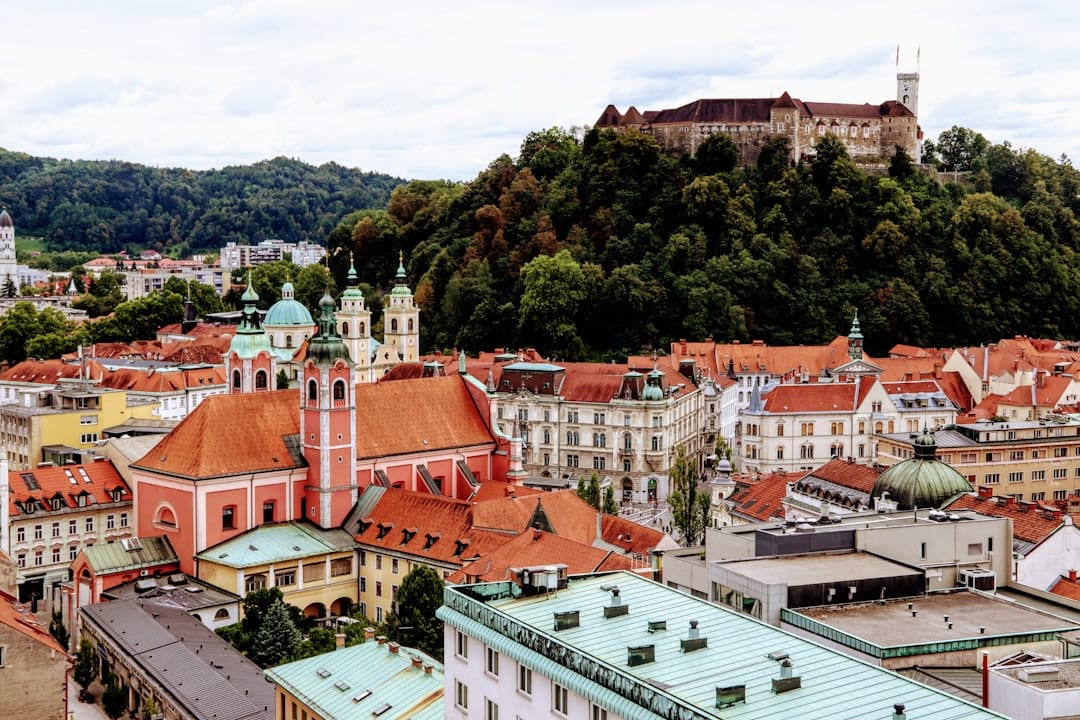
What to do: Take the funicular up (it climbs from Krekov trg by the market in about a minute) and walk down through the woods afterward — the descending path takes ten minutes and is free. Insider tip: skip the combined "Castle Experience" ticket unless you actually want the museums; if you only care about the view, the funicular alone plus the free-to-enter courtyard and outer walls will do. Cost: the full Castle ticket with return funicular is €17.10 (about $20) booked online; a return funicular ride on its own is €6 (~$7), one-way €3.30 (~$3.85). In summer (May–September) the castle is open 9:00–20:00 and the funicular until 22:00; in winter the castle closes at 18:00. Go up around 8:00 pm on a summer evening for sunset without the tour-bus crowds — last tickets sell one hour before closing.
2. The Old Town, Triple Bridge & Prešeren Square
Prešeren Square is the hinge the whole city turns on. On it stand the salmon-pink Franciscan Church of the Annunciation (built 1646–1660) and a monument to France Prešeren, the 19th-century poet whose verse became the Slovenian national anthem. Facing the church is Jože Plečnik's Triple Bridge (Tromostovje): he took a single stone bridge from 1842 and, between 1929 and 1932, flanked it with two pedestrian bridges fanning out at slight angles, lined with stone balustrades. It's the single best example of how Plečnik treated the whole riverbank as one connected stage set.
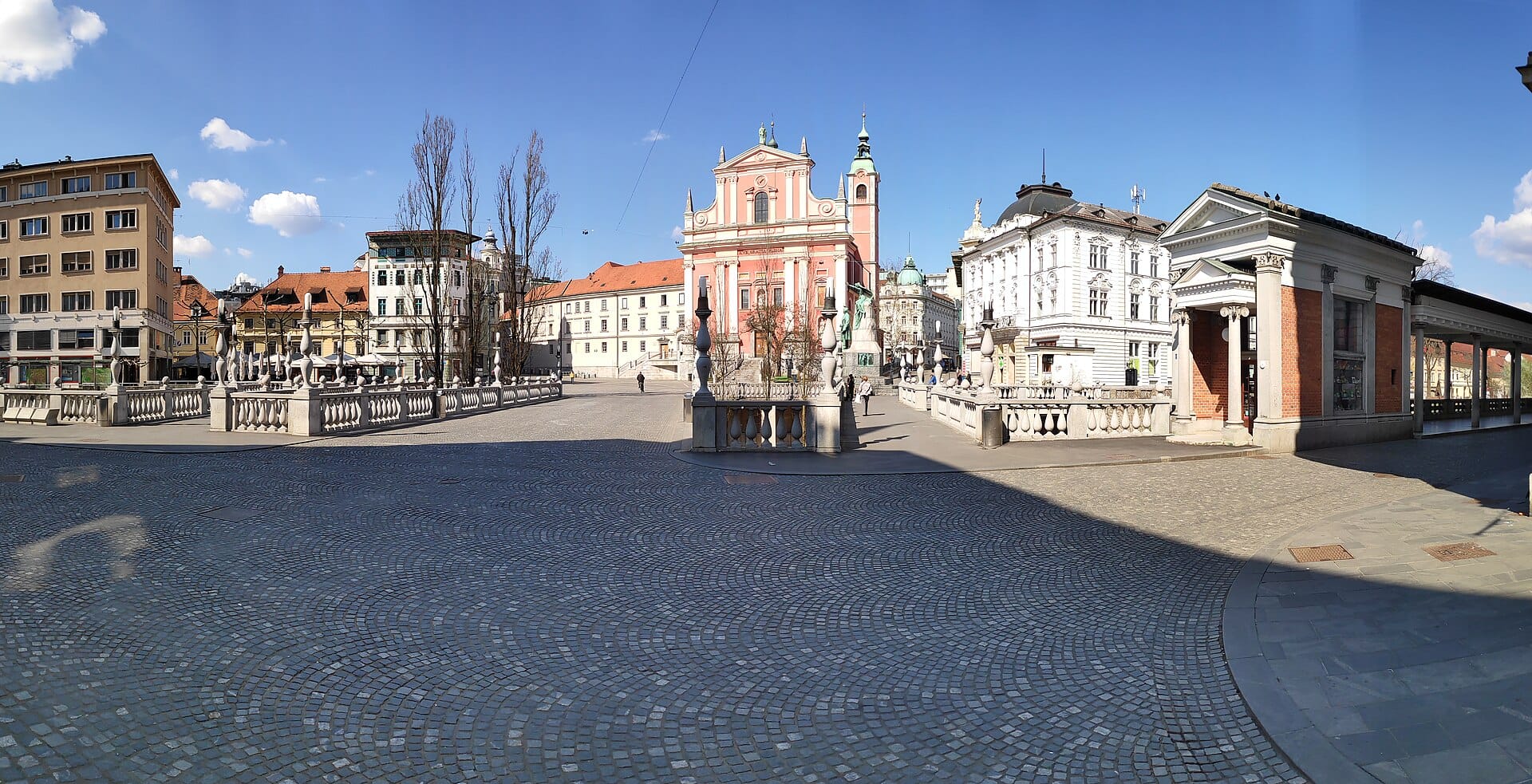
What to do: Cross the Triple Bridge into the old town and follow the three linked squares — Mestni trg, Stari trg, and Gornji trg — that run below the castle hill, past the Town Hall and Robba's Fountain. Insider tip: the balconies and stairs down to the water on the Plečnik-designed embankments are the best free photo spots in the city, and almost nobody uses them because they're a half-level below the street. Cost: free. Come at 8:00 am and you'll have the squares essentially to yourself before the day-trippers arrive from the coast and Bled.
3. The Dragon Bridge (Zmajski most)
The dragon is Ljubljana's mascot — it's on the city coat of arms — and the Dragon Bridge is where you meet it in copper. Built in 1900–1901 in the Vienna Secession style, it was one of the first reinforced-concrete bridges in Europe, and four large dragon statues guard its corners with wings up and mouths open. Local legend says the dragons wag their tails when a virgin crosses; the more reliable fact is that they've been photographed several million times and haven't moved yet.
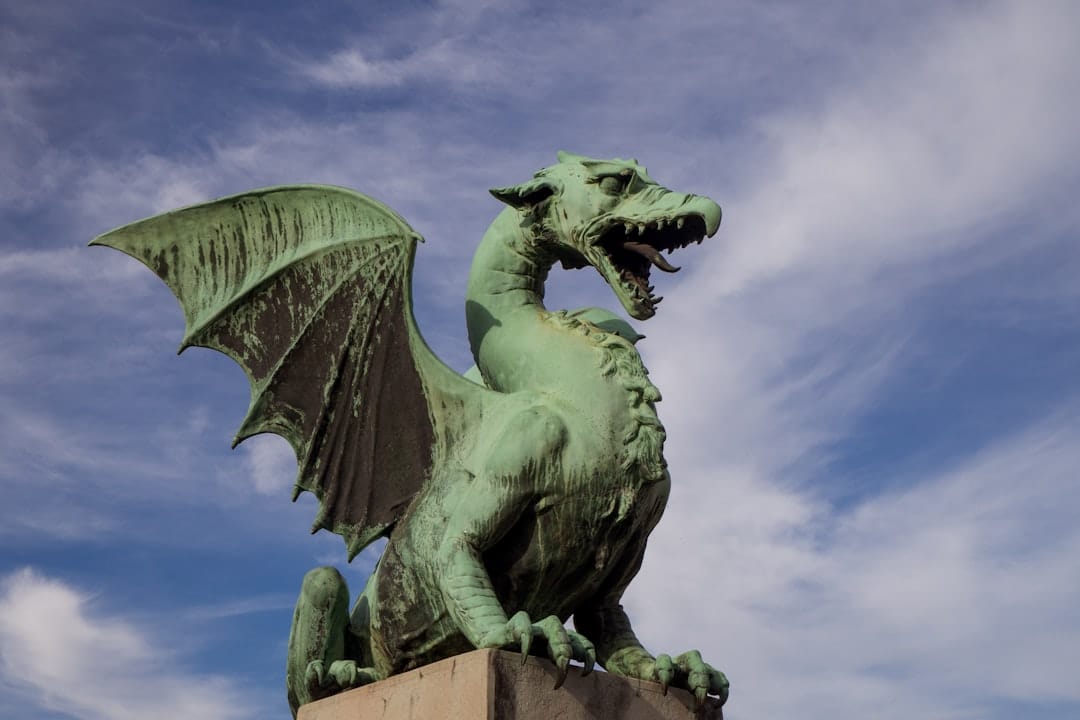
What to do: It's a two-minute walk northeast of the Central Market, so pair it with a market visit. Insider tip: the best shot of a single dragon against the sky is from the corner nearest the market on the town-hall side, framed low; the wide bridge shot from the riverbank below is worth the short scramble down. Cost: free.
4. The Central Market & the Open Kitchen
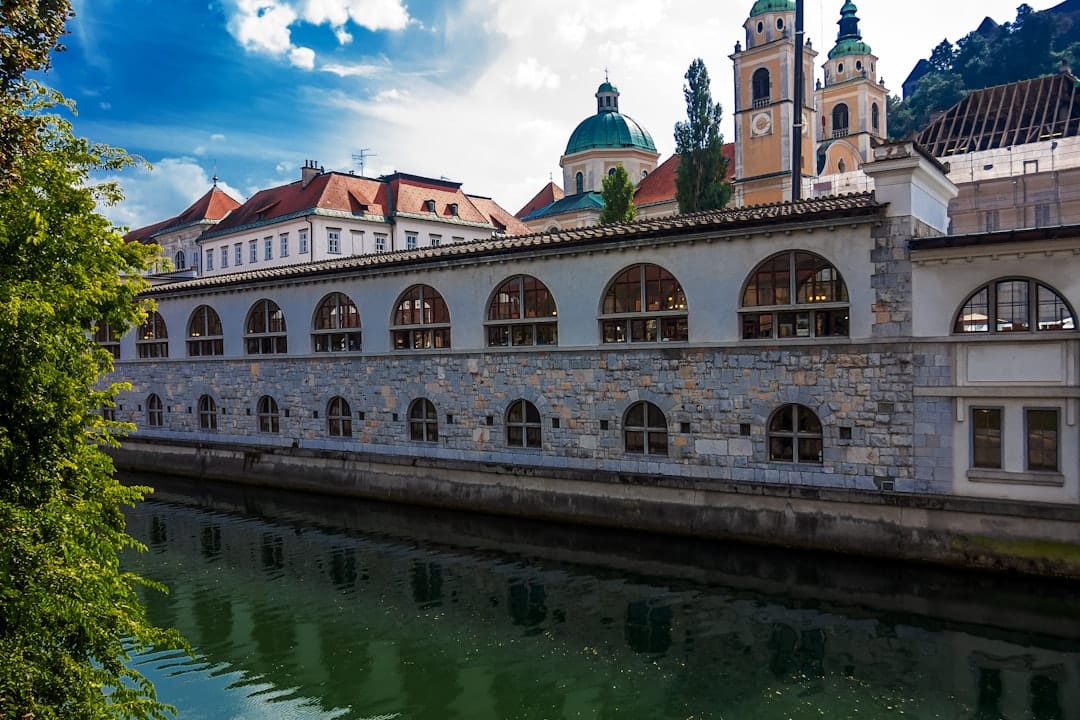
Ljubljana's Central Market spreads across Vodnikov trg and Pogačarjev trg between the cathedral and the river, and part of it — the elegant riverside colonnade with the arched, half-open loggia facing the water — is another Plečnik design, built in the early 1940s. On weekdays it's a working produce, cheese, bread, and honey market. On Fridays from mid-March through November, it transforms into Odprta kuhna (Open Kitchen), an open-air food market where dozens of Ljubljana restaurants cook outdoors from 10:00 to 21:00.
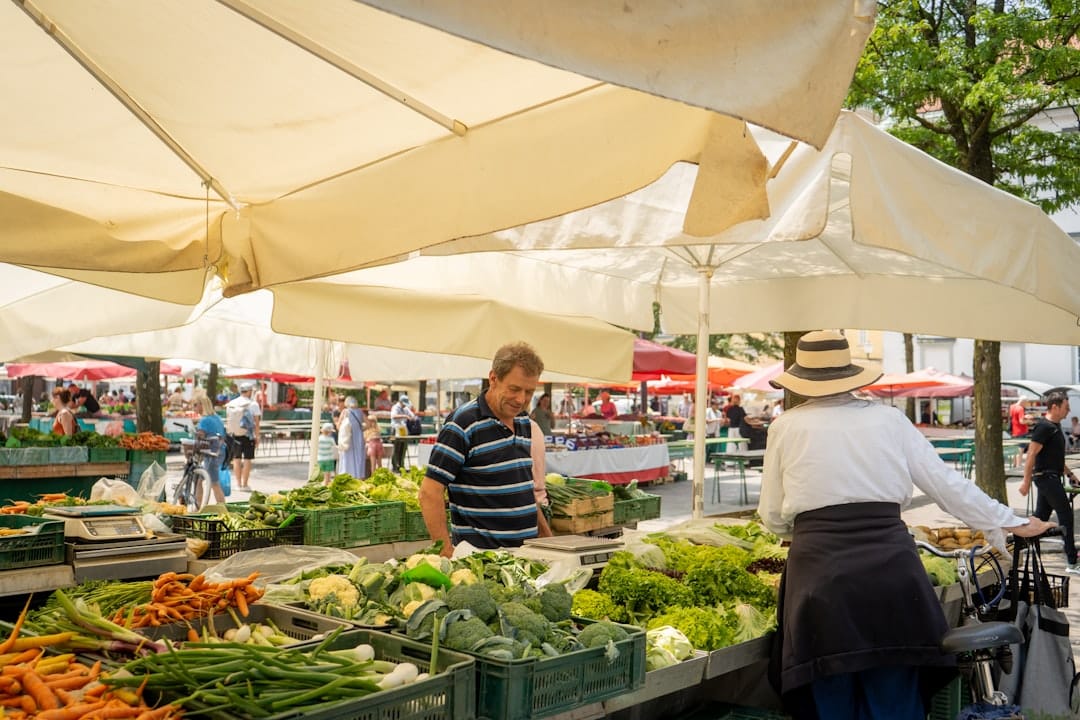
What to do: Come hungry on a Friday and graze — one plate at a time, cash or card, most dishes in the €5–10 range (about $6–12). Expect everything from Slovenian classics to Vietnamese and Argentine grills. Insider tip: Open Kitchen is weather-dependent and gets cancelled in heavy rain, so check the forecast; and go closer to 12:30 than 1:30 to beat the office lunch rush. In 2026 it runs every Friday into November, weather permitting. Cost: free to enter; you pay per dish.
5. Plečnik's Ljubljana
You can't really understand this city without spending an hour on Jože Plečnik, the architect who reshaped it between the two world wars. Beyond the Triple Bridge and the market colonnade, his fingerprints are on the National and University Library (NUK) — a dark brick-and-stone block whose grand internal staircase leads up into the light — and the willow-lined Cobblers' Bridge (Čevljarski most). To go deeper, visit the Plečnik House (Plečnikova hiša) in the Trnovo district, where he lived and worked; it's preserved almost exactly as he left it, down to his tools and hand-designed furniture.
What to do: Book the guided tour of the Plečnik House — the interiors are only accessible with a guide, and it's the good part. Insider tip: the NUK's main reading room is normally closed to non-students, but the staircase up to it is open and free to climb; go for that alone. Cost: Plečnik House guided tour €12 (~$14), permanent exhibition only €8 (~$9); open Tuesday–Sunday 10:00–18:00, closed Mondays, tours on the hour with the last at 17:00.
6. Metelkova Mesto
A five-minute walk from the train station, Metelkova is a former Austro-Hungarian army barracks that squatters occupied in 1993 — some 200 people moved in overnight to stop the city demolishing it — and never left. Three decades on it's an autonomous cultural zone: every wall is covered in mosaics, sculpture, and murals that change constantly, and by night its clubs and bars (Gala Hala, Channel Zero) host some of the city's best alternative live music. It's the deliberate scruffy opposite of the manicured old town, and it's one of the most photographed corners of the country.
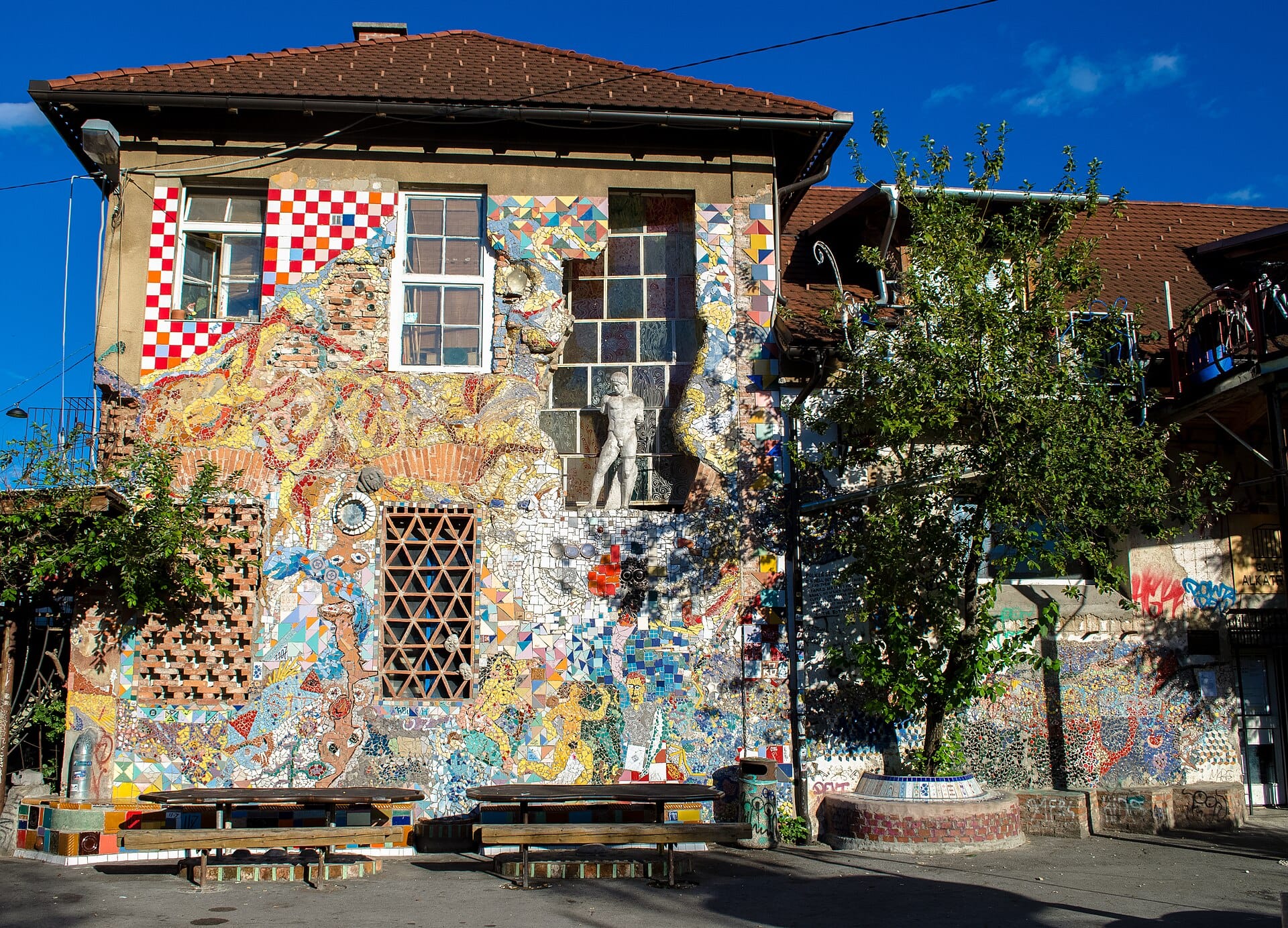
What to do: Wander the courtyard by day for the art (free, and quiet in the morning), then come back after 22:00 on a weekend if you want the actual atmosphere — a gig or a drink among students and artists. Insider tip: it's safe but genuinely gritty; it's not a manufactured tourist attraction, so read it as a working squat-turned-arts-space and behave accordingly. The excellent Museum of Contemporary Art (+MSUM) sits right next door if you want the polished counterpart. Cost: free to walk through.
7. Tivoli Park
Tivoli is the city's biggest park — around five square kilometres of it running right up to the edge of the center — and its spine is the Jakopič Promenade, a broad tree-lined avenue that Plečnik landscaped in the 1920s. For most of the year the promenade hosts large-format open-air photography exhibitions, hung along both sides, that are free to walk through. At the top of the axis sits the pink Tivoli Mansion, now home to the International Centre of Graphic Arts (MGLC).
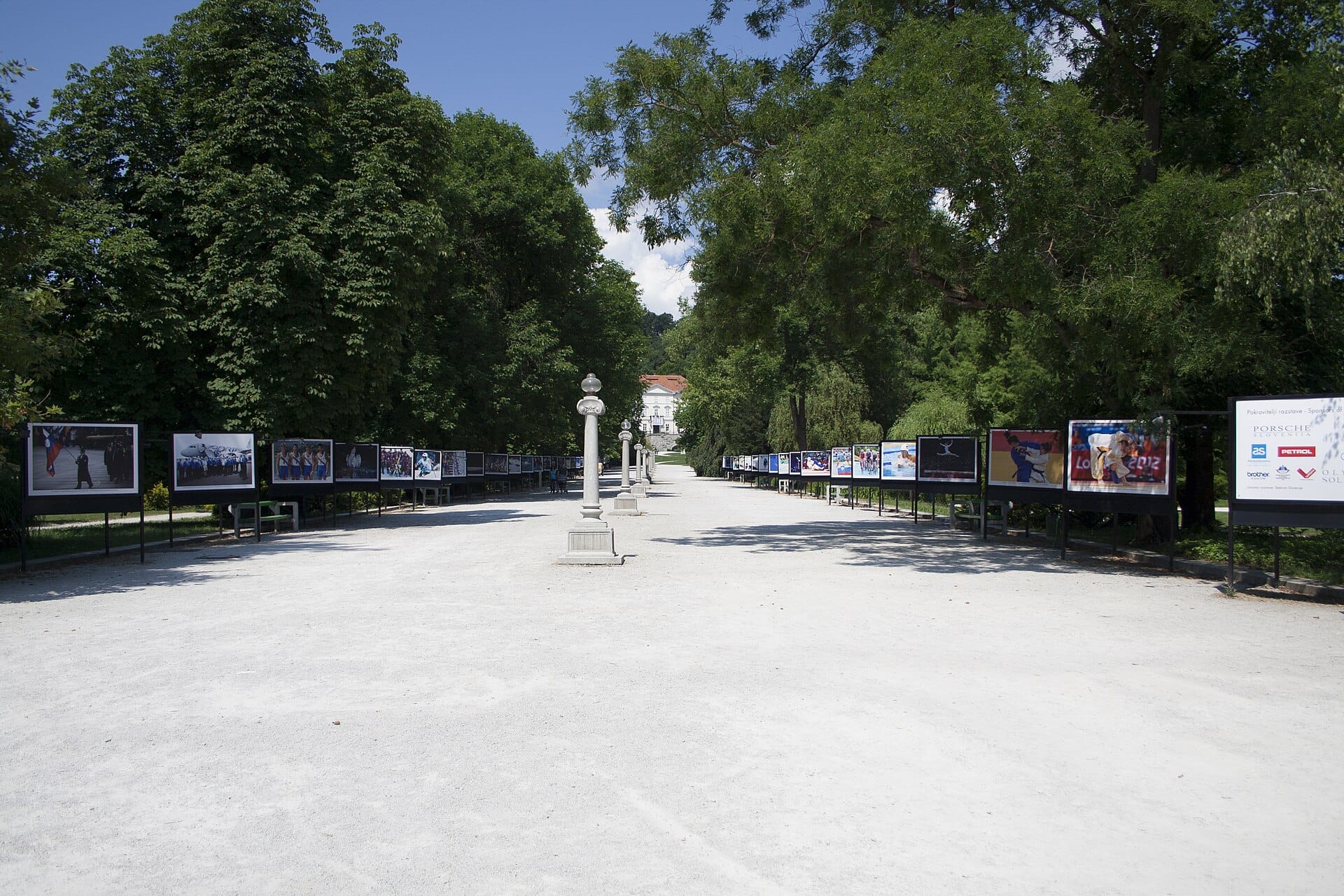
What to do: Enter via the pedestrian underpass from the center, walk the promenade and its current exhibition, then climb the wooded paths behind the mansion toward Rožnik Hill for a view back over the city. Insider tip: the hilltop Gostilna Čad na Rožniku is a genuine local tavern, not a tourist trap, and a good spot for a mid-walk beer. Cost: the park and the promenade exhibitions are free.
🗓️ A 3-Day Itinerary
Day 1 — The Center, the River, and the Castle
Start at Prešeren Square around 8:00 am while it's empty. Cross the Triple Bridge and walk the three old-town squares (Mestni, Stari, Gornji trg) — about 20 minutes end to end at a stroll. Detour to the Cathedral of St. Nicholas to see its bronze doors, cast for Pope John Paul II's 1996 visit. Mid-morning, take the funicular up to Ljubljana Castle (€17.10 / ~$20 with the full ticket) and spend 90 minutes on the tower and ramparts. Walk back down through the woods. Lunch at Klobasarna — a €5 (~$6) plate of kranjska klobasa. In the afternoon, do a 45-minute boat cruise on the Ljubljanica (typically around €12–15 / $14–17) to see Plečnik's embankments from the water. Finish with dinner in the old town and a drink on the riverbank; the stretch below the Cobblers' Bridge is where locals gather. Total spend, excluding hotel: about €50–65 ($58–75).
Day 2 — Plečnik, the Market, and Metelkova
If it's a Friday, build the day around Open Kitchen at the Central Market for lunch. Otherwise start at the National and University Library, climb the staircase, then walk 15 minutes south into Trnovo for the Plečnik House guided tour (€12 / ~$14; open Tue–Sun). Walk back through the Krakovo garden district, the oldest working market gardens in the city. Afternoon at the Central Market and the Dragon Bridge, then the National Gallery or the Museum of Contemporary Art if you want art. As the light goes, walk to Metelkova — 10 minutes from the market — for the murals, and if it's a weekend, stay for a gig. Total spend: about €40–55 ($46–64).
Day 3 — Day Trip to Lake Bled
Ljubljana is 55 km from Lake Bled, and the trip is genuinely easy. Take the direct bus from the main bus station: about €7 (~$8) booked online at arriva.si, 1 hour to 1 hour 15 minutes, departing roughly every 30 minutes and dropping you a five-minute walk from the water. Rent a rowboat or take a traditional pletna boat to the island church, walk the lakeshore (about 6 km all the way round), and hike up to Ojstrica or Mala Osojnica for the postcard view down onto the island — 20–30 minutes up, and worth every step. Eat a slice of kremšnita (Bled cream cake) at the Park Hotel café, where the recipe originated. Clever variation: take the bus out and return on the scenic Bohinj railway from the Bled Jezero station for an Alpine rail finish. Budget €40–70 ($46–81) for the day including boat and food.
🧠 Essential Tips
When to go
The sweet spot is late May and early September: warm days, open terraces, and none of the July–August crush. Summer is the liveliest stretch thanks to the Ljubljana Festival (July–August, with classical music, theatre, and dance in the castle and outdoor venues), but it's also the most crowded and expensive, and June is the wettest month of the year. Autumn is quiet and golden but rainier from October. December brings a genuinely good Christmas market strung along the river and around Prešeren Square, with mulled wine and lights, if you don't mind the cold and the fog that settles over the basin in winter.
Getting around
The center is entirely walkable — you rarely need transport within it. For city buses, run by LPP, buy a plastic Urbana card (€2 refundable deposit) from a kiosk or tourist office and top it up; a single ride is €1.50 (~$1.75) and covers 90 minutes with free transfers. Cash isn't accepted on board. For taxis, use the Bolt app rather than hailing on the street — it's what locals use and it removes any haggling. From Ljubljana Airport (Jože Pučnik / Brnik), 26 km out, the public bus (line 28, run by Arriva) is €3.30 on weekdays and €1.30 on weekends and takes 45–55 minutes but runs only about hourly; a shared shuttle (GoOpti or Nomago) is €12–15 (~$14–17) per seat and faster at 30–45 minutes; a taxi is €35–50 (~$41–58).
Safety and money
Ljubljana is one of the safer capitals in Europe, and violent crime against visitors is rare. The realistic risks are ordinary: keep an eye on your bag in the Friday market crush and on crowded buses, and be aware that a handful of old-town restaurants near Prešeren Square list some fish and steak dishes "by the 100 grams," which can produce a nasty surprise bill — ask the total price before ordering. Slovenia uses the euro, cards are accepted almost everywhere including at market stalls, and tipping is modest: rounding up or 10% for good service is plenty.
Food worth crossing town for
Start with kranjska klobasa, the protected Carniolan sausage, at Klobasarna near the market — a tiny counter that also does ričet, a hearty barley-and-bean stew. For štruklji (rolled dumplings, sweet or savory) and other traditional plates like jota (sauerkraut and bean stew) and buckwheat žganci, go to Druga Violina on Stari trg, a social-enterprise restaurant with fair prices and local wine by the glass. Save room for potica (rolled walnut cake) and prekmurska gibanica (a dense layered pastry of poppy seed, walnut, apple, and curd). For a cheap, excellent late-night fix, get a burek — flaky filled pastry — from one of the walk-up spots near the center.
🏨 Accommodation Guide
Budget: The obvious pick is Hostel Celica in the Metelkova quarter — a former military prison where each of the 20 cells was redesigned by a different artist. Dorm beds run roughly €25–35 (~$29–41) a night, and it's a five-minute walk from the train station and ten from the old town. Plenty of other hostels cluster in and around the center for similar money.
Mid-range: Stay in the Center/Old Town so everything is on foot. Hotel Cubo is a sleek, well-run boutique a few minutes from Prešeren Square; the Vander Urbani Resort is a design hotel tucked into the old town with a small rooftop pool over the river. Expect roughly €110–190 (~$128–220) a night in shoulder season, more in July–August.
Luxury: The InterContinental Ljubljana occupies one of the tallest buildings in the city, and its 20th-floor bar and restaurant have the best rooftop view in town; the historic Grand Hotel Union, open since 1905 on Miklošičeva Street, is the grande-dame option with an Art Nouveau facade. Rates generally sit around €200–380 (~$232–440) a night depending on season.
🎭 Beyond the Tourist Trail
South of the center, Trnovo and Krakovo are where Ljubljana slows down: low houses, allotment gardens that have supplied the city's markets for centuries, and the Trnovo Church — Jože Plečnik's parish church, fronted by another of his bridges, this one planted with two rows of birch trees. The riverbank promenade here, Trnovski pristan, and the wide Špica embankment at the southern edge of the old town are where students and families actually hang out on warm evenings — bring a drink and sit on the steps down to the water.
For contemporary culture, head to Šiška, a residential district northwest of the center, and Kino Šiška, a converted cinema that's now the city's main venue for indie and international live music. And don't overlook the University Botanic Gardens near the river south of the center: founded in 1810, they're the oldest in Slovenia, cover a compact but dense collection, and cost nothing to walk through. If you're here in July or August, the Ljubljana Festival puts world-class classical and stage performances in the castle courtyard and open-air venues most nights — check the programme and book a single evening; it's the best way to see the castle after dark with a purpose.
❤️ Plan Your Ljubljana Trip with VoyaBear
Ljubljana rewards people who know which Friday to be at the market, which hour to climb the castle, and which bus actually gets you to Bled without a two-station detour — and that's exactly the kind of detail that's easy to get wrong from afar. VoyaBear builds personalized, day-by-day itineraries around how you actually travel: your pace, your budget, your taste in food and art, and the dates you're going. Tell us when you're coming and what you're into, and we'll hand you a plan that turns three days in Slovenia's capital into three days you'd repeat. Start planning your trip with VoyaBear today.