VoyaBear


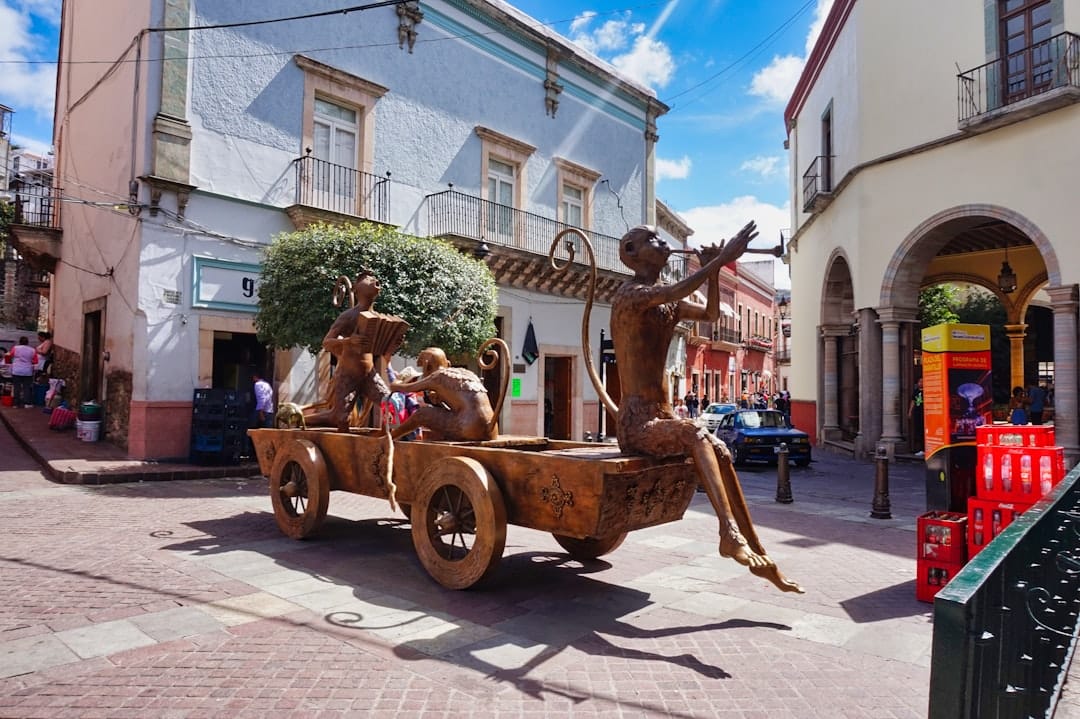
Guanajuato is built inside a ravine, which means the city never gave itself room for a normal grid. Cars run under the center through the Túneles de Guanajuato, a network of former river tunnels and old mining channels now used as roads, so the surface belongs almost entirely to pedestrians. Above ground, houses in mango, cobalt and rose climb the canyon walls in no particular order, stitched together by callejones — alleys so narrow that two of them, at the Callejón del Beso, leave just 68 centimeters between facing balconies. This is a UNESCO World Heritage silver town at roughly 2,000 meters in Mexico's Bajío highlands, and for two and a half weeks every October it becomes the loudest stage in Latin America during the Festival Internacional Cervantino. Here's how to spend three days here without wasting a single one.
🎭 Essential Experiences
Jardín de la Unión & Teatro Juárez
The triangular Jardín de la Unión is the social spine of the city — a small tree-shaded plaza where estudiantina bands in medieval capes gather before their evening callejoneadas (walking musical tours through the alleys). Sit at a bench in the early evening and you'll hear them tuning up. On the plaza's edge stands the Teatro Juárez, opened in 1903, with a row of bronze muses on its roofline and a Moorish-Art Nouveau interior that looks like the inside of a jewel box. You can tour the auditorium and lobbies for around 30 pesos (about $1.60 / €1.50); guided visits generally run mornings to early afternoon, roughly 9:00 a.m. to 1:45 p.m., and the theater closes to visitors when there's a rehearsal or show, so go early in the day.
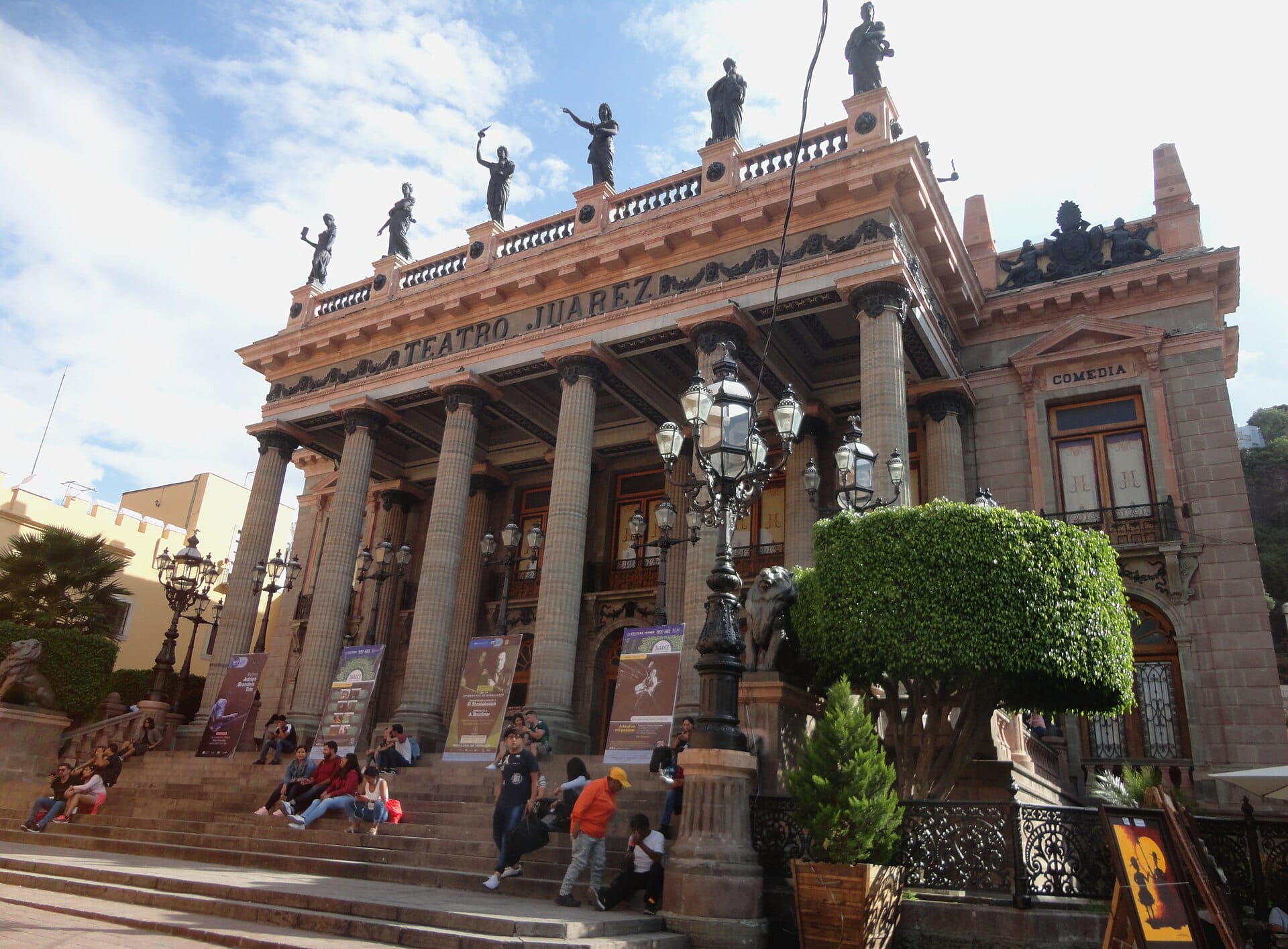
Insider tip: The best free seat in the house is the Teatro Juárez steps at dusk — the muses light up and the plaza fills with musicians. If you want to actually see a performance, the theater is the main formal venue during the Cervantino festival, and those tickets sell out weeks ahead.
Monumento al Pípila & the Funicular
The single best view of Guanajuato is from the Monumento al Pípila, a giant statue of the miner José de los Reyes Martínez — nicknamed "El Pípila" — who, according to local history, strapped a stone slab to his back and set fire to the door of the Alhóndiga during the 1810 independence uprising. The terrace at his feet gives you the whole painted bowl of the city at once. The easy way up is the Funicular Panorámico, which climbs the hillside from behind the Teatro Juárez: 35 pesos one-way or 70 round-trip (roughly $2 / €1.75 each way). It runs weekdays from 8:00 a.m. to about 9:50 p.m., Saturdays from 9:00 a.m., and Sundays from 10:00 a.m. to about 8:50 p.m.
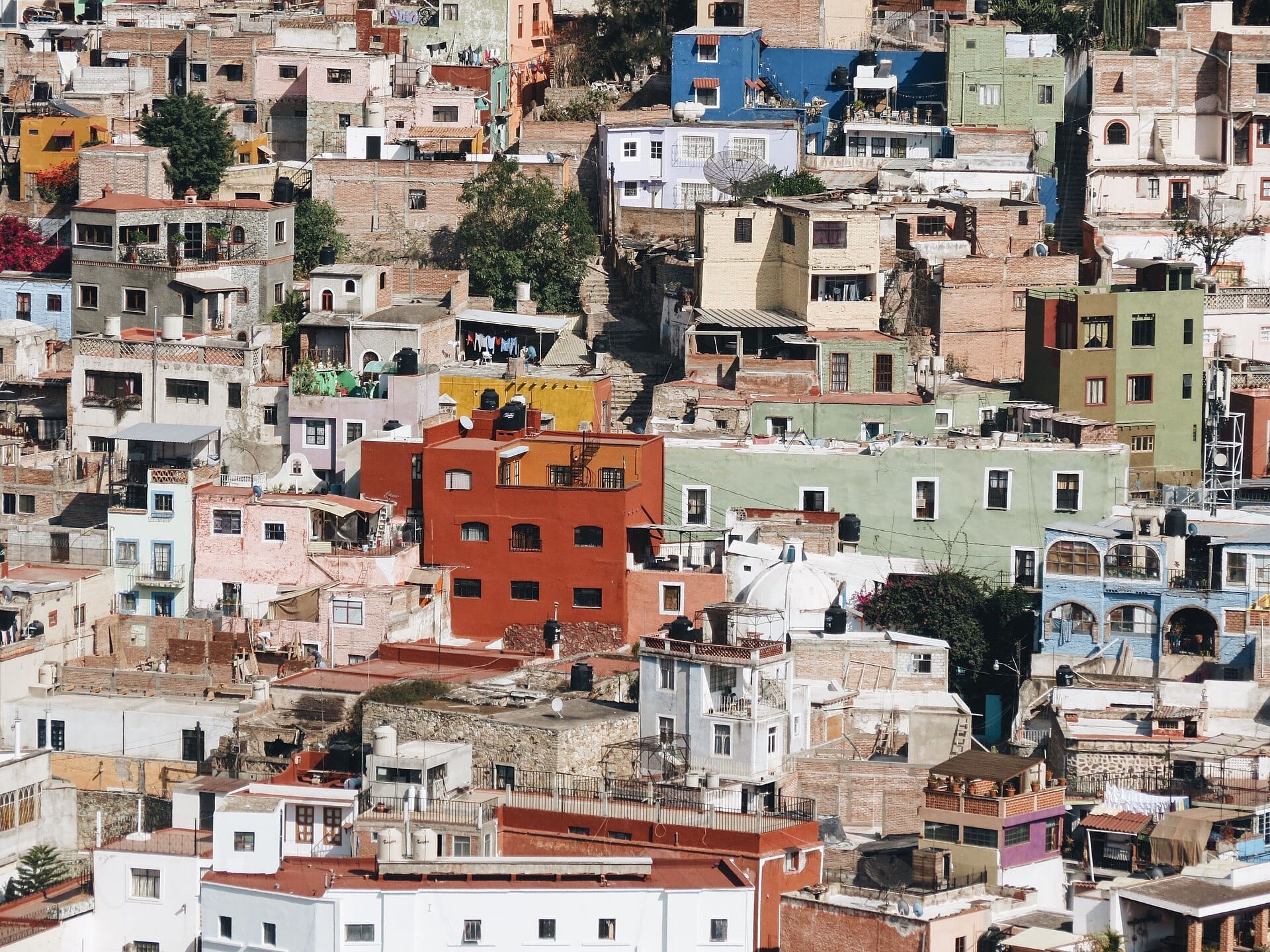
Insider tip: Take the funicular up, then walk down through the callejones instead of riding back — the descent past the backs of houses and tiny corner shops is half the reason to come. Time it for about an hour before sunset: you get the city in daylight, then the lights coming on as you walk down.
Callejón del Beso
The "Alley of the Kiss" is a set of steps where the balconies of two houses nearly touch — 68 centimeters apart. The legend goes that a wealthy man's daughter and a poor miner exchanged kisses across the gap, and that couples who kiss on the third step earn seven years of luck. It's folklore, the alley is a short, steep dead-end, and it gets crowded — but it's genuinely one of the tightest inhabited alleys you'll ever stand in. It's free; you'll find it off the Plaza de los Ángeles on Avenida Juárez, about a 10-minute walk from the Jardín de la Unión.
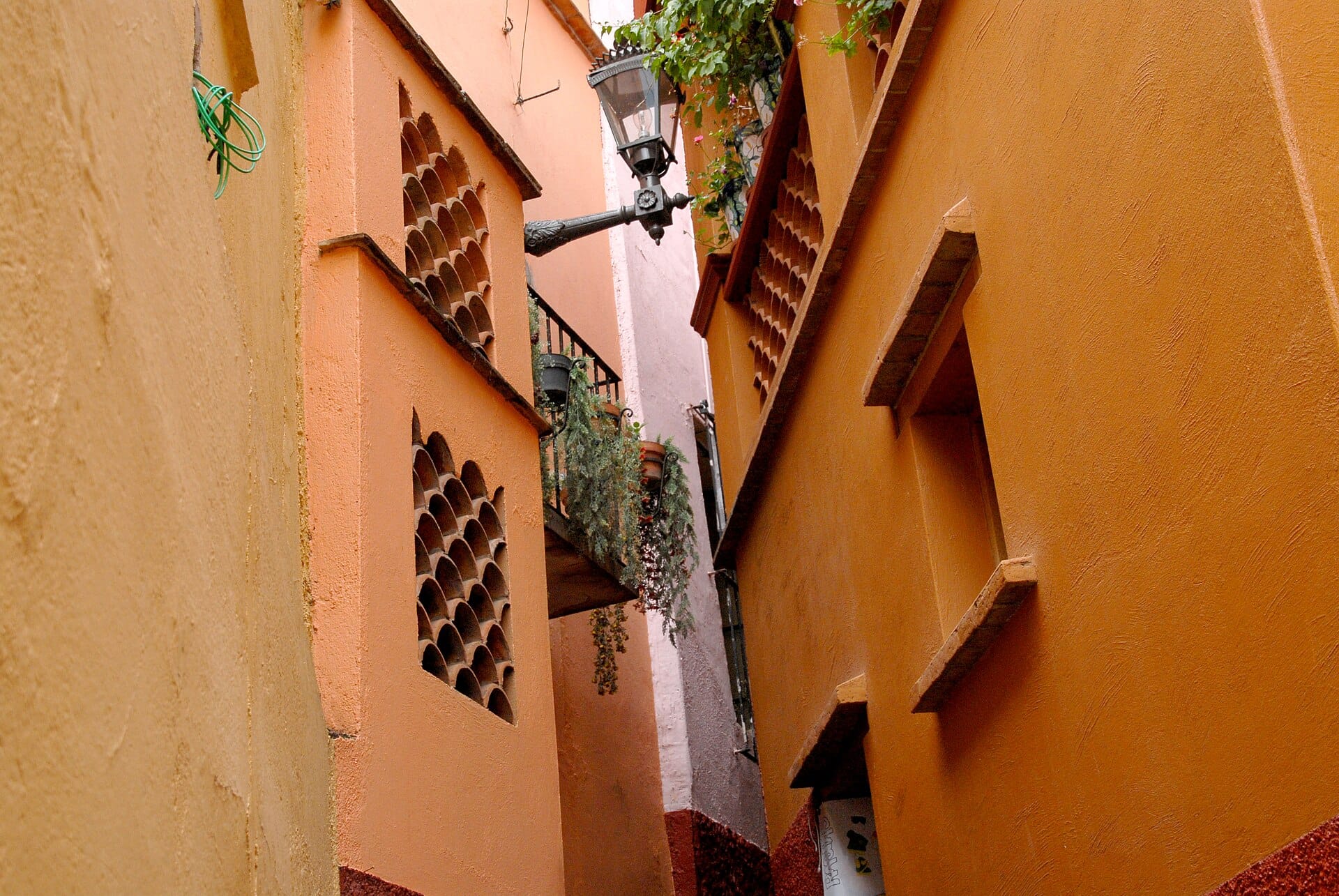
Insider tip: Come before 10:00 a.m. or after 7:00 p.m. to actually see the alley rather than the backs of a tour group. The vendors offering to "tell the legend" or take your photo for 50–100 pesos are entirely optional — nothing here requires a guide or a ticket.
Museo de las Momias
Guanajuato's most infamous attraction is its mummies — naturally desiccated bodies first exhumed in 1865, when families who couldn't keep paying a cemetery tax had their relatives disinterred from the Santa Paula pantheon. The dry, mineral-rich soil had preserved them, and the museum now displays over a hundred, including some of the smallest mummies in the world. It's macabre and not remotely subtle, which is exactly why it's stuck around for over 150 years. Entry is 106 pesos general admission, 62 pesos for children, students and teachers with ID (about $6 / €5.20), and it's open every day from 9:00 a.m. to 6:00 p.m.
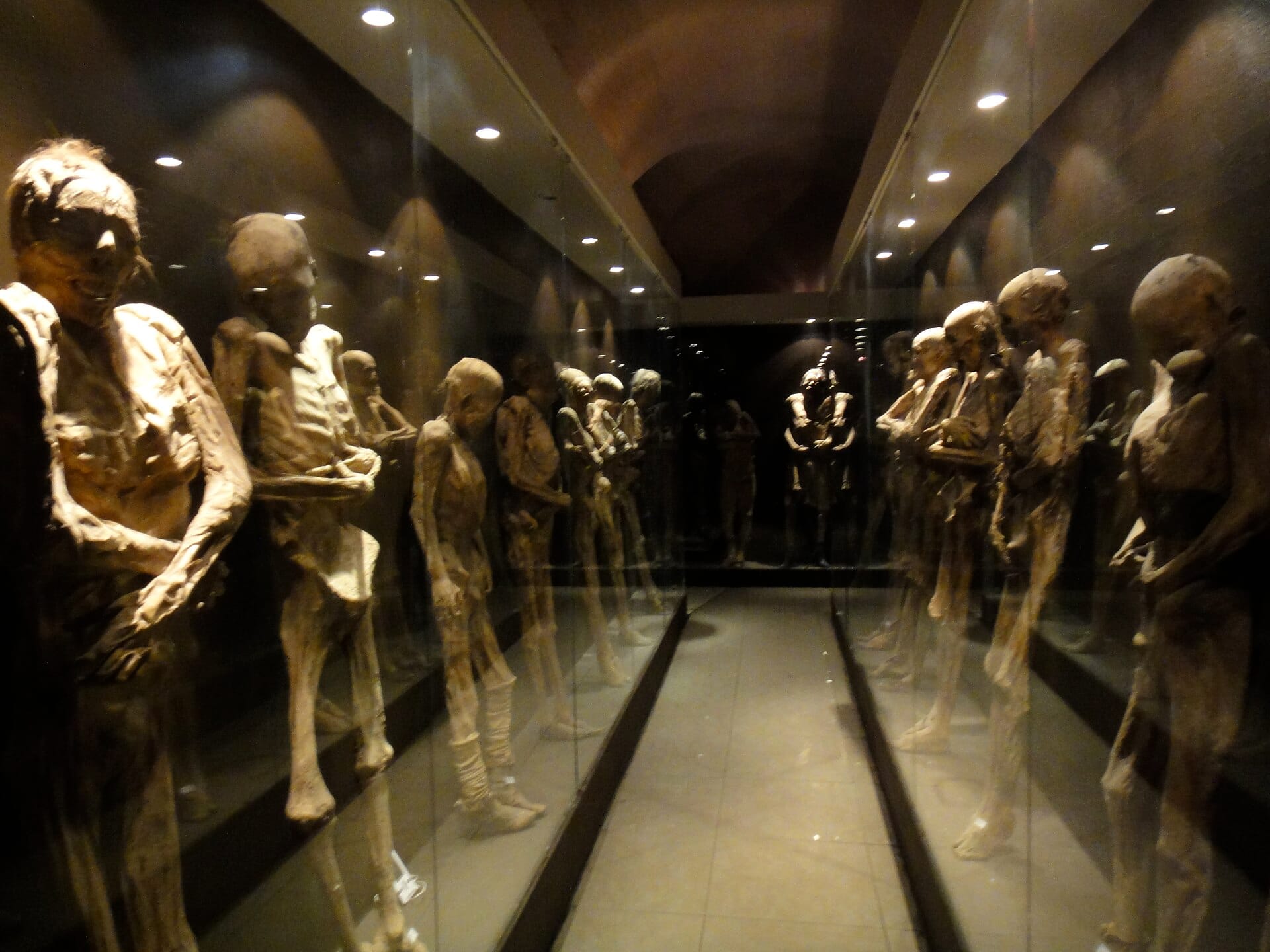
Insider tip: The museum sits at the Panteón Municipal de Santa Paula, west of the center — a 20-minute walk or a short taxi. Go right at opening; midday brings tour buses, and the corridors are narrow. Skip the adjacent wax-museum add-ons unless you're traveling with kids who want the full carnival.
Alhóndiga de Granaditas
This heavy stone building started life as a grain exchange and became the site of the first major battle of Mexico's War of Independence in September 1810, when insurgents stormed it — the moment El Pípila is said to have burned the door. After the rebellion's early leaders were executed, the Spanish hung the heads of Hidalgo, Allende, Aldama and Jiménez in iron cages on the building's four corners for a decade as a warning. Today it's the Museo Regional de Guanajuato, with strong pre-Hispanic and independence-history collections and two staircases muraled by José Chávez Morado. Admission runs about 80 pesos for Mexican nationals and 145 pesos for foreign visitors (roughly $8 / €7); it opens Tuesday to Saturday 10:00 a.m.–6:00 p.m. and Sunday 10:00 a.m.–3:00 p.m.
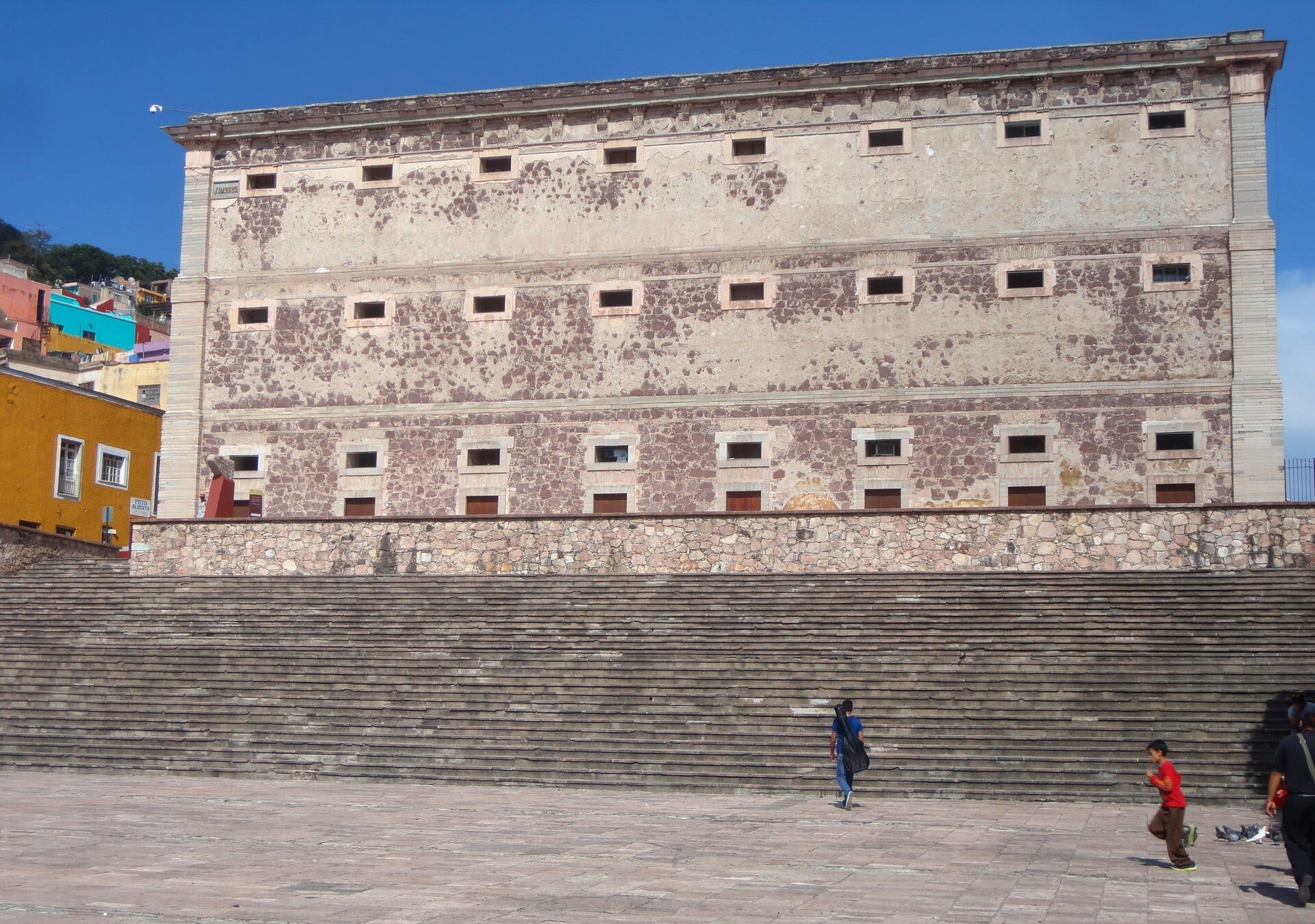
Insider tip: Entry is free for Mexican nationals on Sundays, which also makes it the busiest day. Look for the four small iron hooks still visible near the roofline corners — that's where the cages hung. It's closed Mondays, a common trip-up.
La Valenciana & the Templo de San Cayetano
Guanajuato's silver built half of colonial Mexico, and nowhere shows the money like La Valenciana, a hillside district about 4 kilometers above the center. The Templo de San Cayetano, finished around 1788 with mine profits, is one of the country's finest Churrigueresque churches — a pink-stone facade so densely carved it looks like lace, and three gold-leaf altarpieces inside. Entry to the church is free. Next door, the Bocamina de San Ramón lets you descend a short way into a real 18th-century mine shaft for a small fee, with the original stone hoist works still in place.
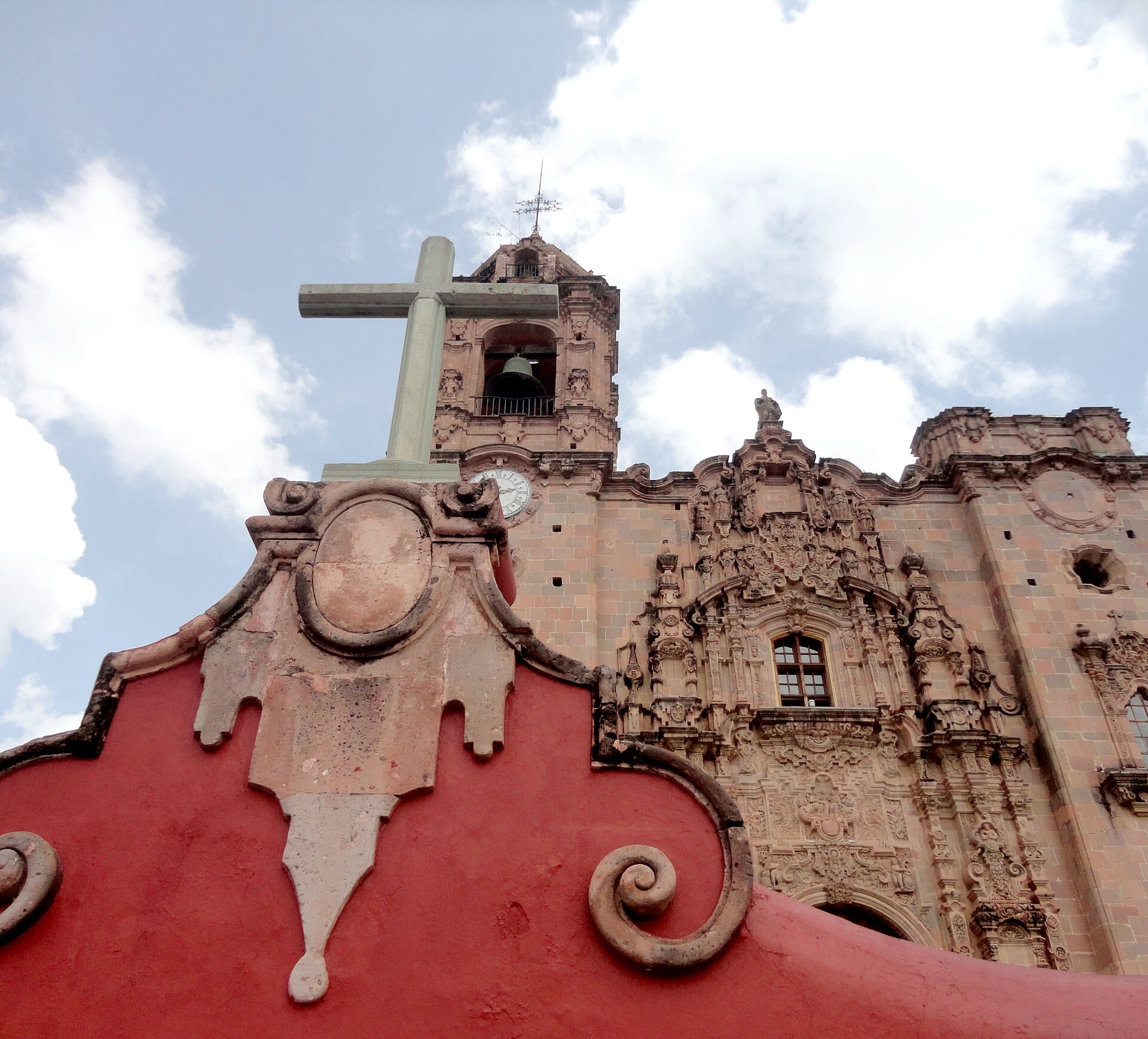
Insider tip: Take a "Valenciana" or "Cristo Rey" bus from the center for around 12 pesos, or a taxi (10 minutes). Photography inside the church is restricted, so put the phone away and actually look up at the altarpieces — the gold is real and the detail is the point.
Universidad de Guanajuato & the Templo de la Compañía
The University of Guanajuato's main building throws a wide sweep of white steps down into the old town — the escalinata that shows up on every postcard. You can't wander the classrooms, but the staircase is a public landmark and a favorite student hangout, and it's free to sit on and take in. Right beside it rises the Templo de la Compañía de Jesús, a mid-1700s Jesuit church with a tall neoclassical dome and a pale pink Baroque front that glows at golden hour.
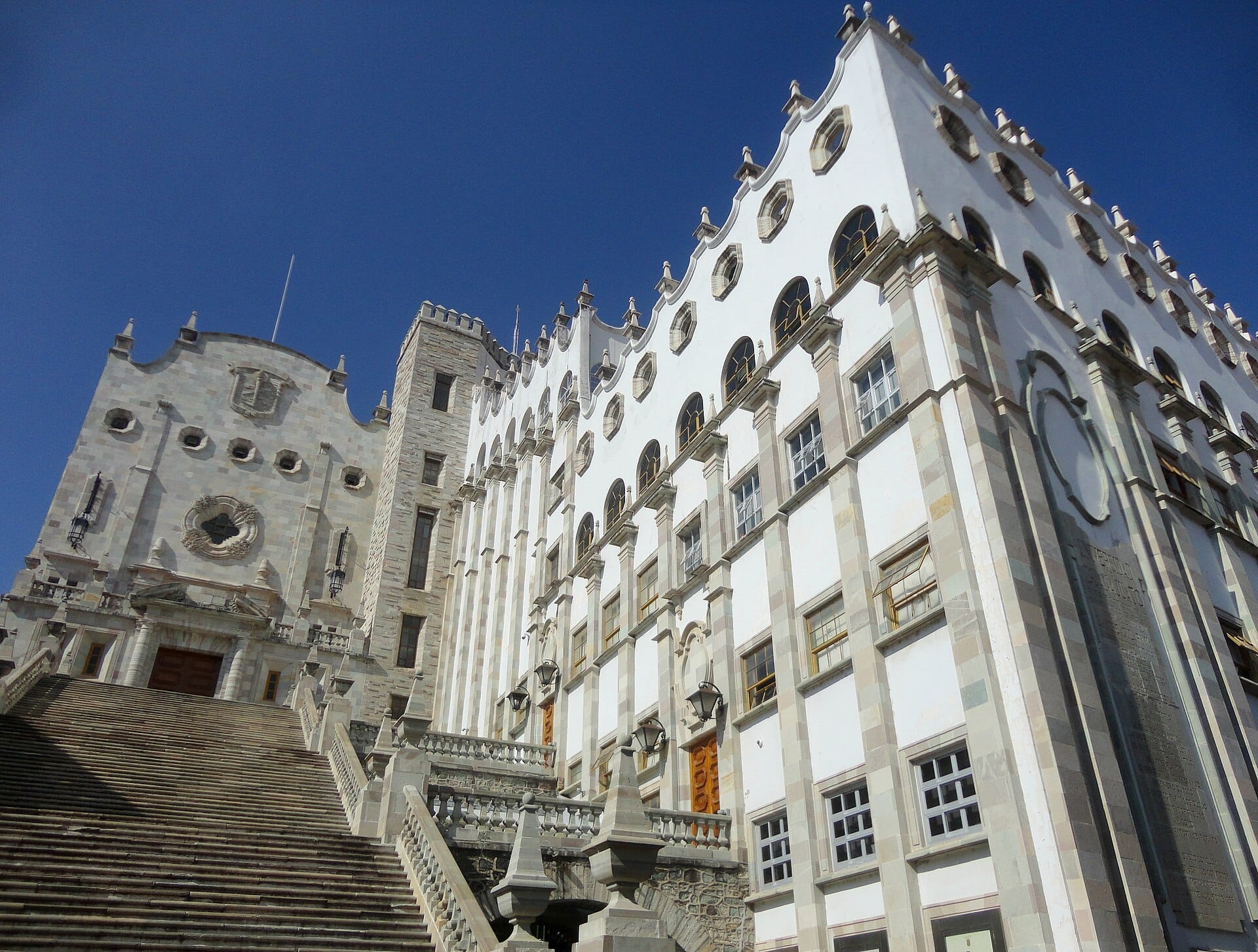
Insider tip: Climb the escalinata and cut into the lanes directly behind the university — this is where the callejoneada groups form up in the evenings, and where you'll find student cafés at a fraction of Jardín de la Unión prices.
🗓️ A Three-Day Itinerary
Guanajuato's center is small and steep; almost everything below is walkable, but "walkable" here means stairs and slopes, so pack real shoes and pace yourself.
Day 1 — The center on foot
Start at the Jardín de la Unión with a coffee, then tour the Teatro Juárez (30 pesos) before the midday rehearsals close it. Walk five minutes to the Plaza de la Paz and the yellow Basílica de Nuestra Señora de Guanajuato (free), then up to the Universidad escalinata and the Templo de la Compañía. Break for enchiladas mineras at Truco 7 (80–150 pesos, about $4–8 / €4–7). In the late afternoon, walk or ride the funicular (35 pesos) up to the Pípila for sunset, then descend on foot through the alleys. Total spend beyond meals: roughly $5 / €4.50.
Day 2 — History and the macabre
Open the day at the Museo de las Momias (106 pesos) right at 9:00 a.m., before the buses. Walk back toward the center via the Mercado Hidalgo, the 1910 iron-framed market — grab a guacamaya (a bolillo roll stuffed with chicharrón, cucumber and lime, 35–50 pesos) from a cart on the way. Spend the afternoon at the Alhóndiga de Granaditas (80–145 pesos; closed Mondays) for the independence history, then detour to the Callejón del Beso in the early evening. Cap the night with an 8:00-ish callejoneada — the student-led musical alley walks that leave from near the Jardín, around $8 / €7 per person.
Day 3 — Silver, gardens and slow time
Catch a bus (12 pesos) up to La Valenciana for the Templo de San Cayetano and a descent into the Bocamina de San Ramón mine. Back down, spend a lazy afternoon in the gardens of the Ex-Hacienda San Gabriel de Barrera in Marfil (open daily 9:00 a.m.–6:00 p.m.), then walk the Presa de la Olla reservoir, where locals picnic on Sundays. If you have energy for one more museum, the Museo Casa Diego Rivera at Positos 47 — the muralist's birth house — is a compact, worthwhile stop in the center.
🧠 Essential Tips
When to go
The dry season runs roughly November to May, with cool, crisp days (about 7–22°C in winter, warming toward 28–31°C by April–May) and reliable sun. Afternoon rains arrive June through September, with July the wettest month — showers are usually short, but the alleys get slick. The headline event is the Festival Internacional Cervantino, Latin America's biggest performing-arts festival; the 2026 edition runs October 10–26. It's spectacular and it also triples hotel prices and fills every room in the city, so book months ahead or come deliberately in the shoulder weeks. Día de Muertos (October 31–November 2) is the other peak, with altars and night processions.
Getting in and around
The nearest airport is Del Bajío International (BJX), about 45 kilometers away near Silao. An authorized airport taxi to Guanajuato runs roughly 400–550 pesos ($22–30 / €20–27) and takes 40–60 minutes; you pay at the stand inside arrivals. The budget option is the UNEbus at about 50 pesos ($2.70 / €2.50) each way, but it drops you at the Central de Autobuses on the city's edge, so you'll add a local bus or taxi to reach the center. Uber and DiDi both operate. In town, the historic center is walkable to the point that a car is a liability — remember the traffic runs underground through the tunnels. Local buses cost around 12 pesos; taxis are cheap but unmetered, so agree the fare before you get in.
Staying safe
The colonial capital of Guanajuato is one of the calmer cities in the region and is generally comfortable for visitors day and night, but two practical notes: the state of Guanajuato has had cartel-related violence in industrial cities like Celaya, Irapuato and León — that's a different world from the tourist center, but it's why you skip long-distance road travel after dark. Locally, watch for pickpockets in the crush of the Mercado Hidalgo and during festival crowds, and don't get talked into an unmetered taxi without a price. The real everyday hazard is mundane: the alleys are steep, the cobbles are uneven, and the stairs are unlit at night, so a phone flashlight earns its keep.
What to eat
Guanajuato's signature plate is enchiladas mineras — "miner's enchiladas," tortillas dipped in a guajillo-chile sauce, filled with queso fresco and onion, and served with potatoes and carrots browned in the same sauce. Try them at Truco 7 (Calle del Truco 7) or El Jardín de los Ángeles on the Plaza de la Paz. The great street snack is the guacamaya, sold from carts near the Jardín de la Unión from mid-morning. For a full cheap meal, head to the upper level of the Mercado Hidalgo, where fondas serve set lunches for 60–120 pesos. Save room for cajeta, the goat-milk caramel from nearby Celaya, and the twisted charamuscas candies sold in the market — some shaped, inevitably, like mummies.
🏨 Accommodation Guide
Stay in the Centro Histórico if you can — you'll walk to everything, though you'll also haul your bag up some stairs and hear the callejoneadas until late. The hills above the center trade quiet and views for taxi rides down.
Budget ($15–90 / €14–83 per night): Hostels cluster around the university and center. Hostel Cantarranas and Hostal Dragón offer dorm beds from around $15–25 and private rooms from roughly $50–90, most with rooftop terraces over the tiled roofs.
Mid-range ($80–230 / €74–210 per night): For a room on the main plaza, Posada Santa Fe has operated on the Jardín de la Unión for over a century, and Hotel Edelmira nearby adds a small pool and rooftop views. Boutique colonial conversions like Hotel 1850 put you steps from the Teatro Juárez.
Luxury ($200+ / €185+ per night): Villa María Cristina, a restored 19th-century mansion on the Paseo de la Presa, is the city's grande dame, with rates from about $365 a night. Casa del Rector, near the university, offers an intimate 20-room stay with a rooftop terrace over the center.
🌆 Beyond the Tourist Trail
Most day-trippers never leave the ravine, which is a mistake. The gardens of the Ex-Hacienda San Gabriel de Barrera in the Marfil district — a 17th-century silver estate on the highway toward Marfil, open daily 9:00 a.m. to 6:00 p.m. — hold more than a dozen themed formal gardens and are one of the few genuinely quiet, green spaces near the city. In the center, the Museo Casa Diego Rivera at Positos 47 occupies the house where the muralist was born in 1886; the ground floor is furnished to the period and the upper floors show his early work, including studies that never make the big Mexico City retrospectives. And for an ordinary local evening, walk out to the Presa de la Olla, the small reservoir east of the center where families rent rowboats and set up on the grass on weekends — no ticket, no legend, just the city on its day off.
❤️ Let VoyaBear Plan It for You
Guanajuato rewards a plan — the funicular hours, the Monday museum closures, the Cervantino calendar, the buses up to Valenciana — but it shouldn't cost you your whole trip to figure out. That's what VoyaBear does: tell us how many days you have, whether you're chasing the festival or dodging the crowds, and how much you want to walk, and we'll build you a day-by-day itinerary with real times, real prices and real reservations — tuned to you, not to a template. Start planning your Guanajuato trip with VoyaBear today, and spend your time on the steps at dusk instead of in a spreadsheet.