VoyaBear


🏙️ Colombo in 2026: Sri Lanka's Capital Stops Being a Layover
For decades, travelers treated Colombo as the place you endure between the airport and somewhere better — a night near the terminal before the train to Kandy or the drive south to Galle. That reflex is now out of date. Since the 350-metre Lotus Tower opened its observation deck to the public in late 2022, giving the skyline its first genuine landmark, and since the Fort district's Dutch and British-era warehouses were scrubbed up into restaurant precincts, the city has become worth its own two or three days rather than an afternoon of killing time.
Colombo is compact, flat, and cheap by any international standard: a plate of kottu costs under two dollars, a metered tuk-tuk crosses downtown for the price of a bus ticket back home, and the National Museum charges foreigners about $3.30. It is also a genuinely multi-religious city — Buddhist temples, a candy-striped bazaar mosque, Hindu kovils and colonial churches sit within a few kilometres of each other, and you can visit all of them in a morning. What follows is a grounded guide to doing Colombo well: the eight things actually worth your time, a workable three-day plan, and the transport, food and safety specifics that save you money and hassle.
🎭 Essential Experiences
1. Gangaramaya Temple & Seema Malaka
Colombo's most important working Buddhist temple is also its most cluttered — in the best way. Gangaramaya crams a golden pagoda, a bodhi tree, a relic chamber and a frankly bizarre museum of donated objects (vintage Rolls-Royces and Mercedes, carved ivory, a library of palm-leaf manuscripts) into one dense compound. A short walk away on Beira Lake is its serene counterpoint: Seema Malaka, a set of three connected pavilions floating on the water, designed by Sri Lanka's great modernist architect Geoffrey Bawa in the 1970s and lined with rows of bronze Buddhas. It is the single most photographed structure in the city and, unusually, lives up to it.
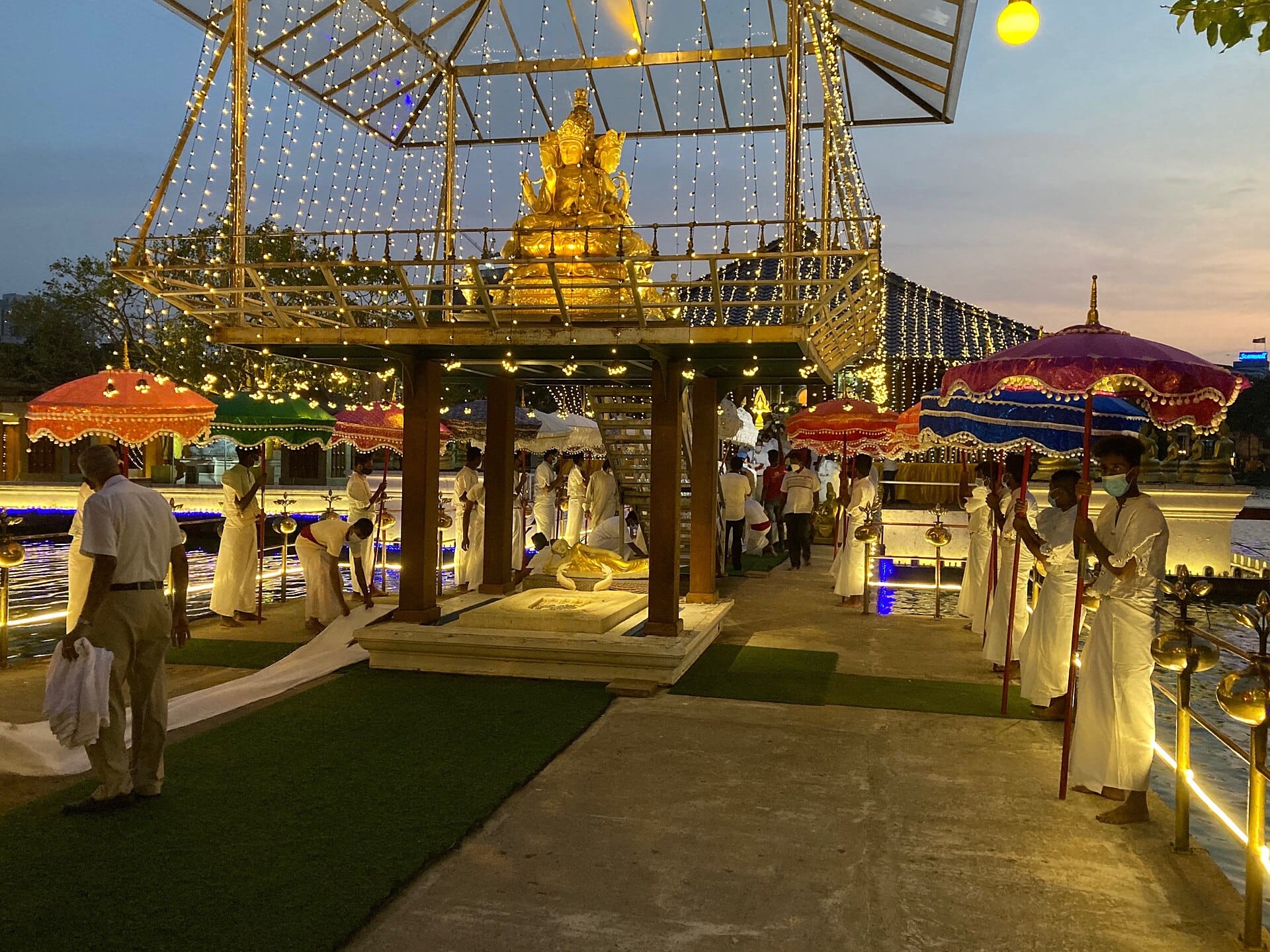
What to do: Start at Gangaramaya, then walk five minutes to Seema Malaka for the lake views. Insider tip: Come at opening (6am) or in the last hour before dusk — midday sun on the exposed Seema Malaka platform is brutal, and the golden hour light on the bronze Buddhas is the whole point. Shoulders and knees must be covered at both; sarongs are lent at the Gangaramaya entrance. Cost: Gangaramaya admission is a donation of roughly LKR 300–500 (about $1–1.60 / €0.90–1.50); Seema Malaka is a small separate donation. Hours 6am–10pm daily.
2. Galle Face Green
This half-kilometre strip of lawn along the Indian Ocean is where Colombo goes at dusk. Kite-sellers, courting couples, cricket games and — the real reason to come — a line of street-food carts that fire up after 6pm. The signature bite is isso vadai: a crisp deep-fried lentil cake topped with whole prawns, eaten standing up while the sun drops into the sea. It costs a few hundred rupees. At the green's southern end stands the Galle Face Hotel, open since 1864 and one of the oldest hotels east of the Suez Canal; its seafront terrace serves a colonial-style afternoon tea if you want the ceiling fans and gin-and-tonic version of the same sunset.
What to do: Arrive around 5:30pm, walk the promenade, eat isso vadai and grilled corn from the carts. Insider tip: Buy from the busiest cart — turnover means fresher oil — and carry small notes (LKR 100s and 500s); vendors rarely have change for a 5,000 note. Cost: Free to enter; street snacks LKR 200–600 ($0.65–2 / €0.60–1.85).
3. Colombo National Museum
Housed in a white Italianate building from 1877, this is the country's flagship museum and the best hour you can spend understanding what you'll see everywhere else in Sri Lanka. The headline object is the royal throne and crown of the last king of Kandy, surrendered to the British in 1815, alongside the Toluwila stone Buddha and a bronze Avalokiteshvara Bodhisattva. Rooms run chronologically through the Anuradhapura, Polonnaruwa and Kandy periods, so a visit here first makes the ancient cities later actually legible.
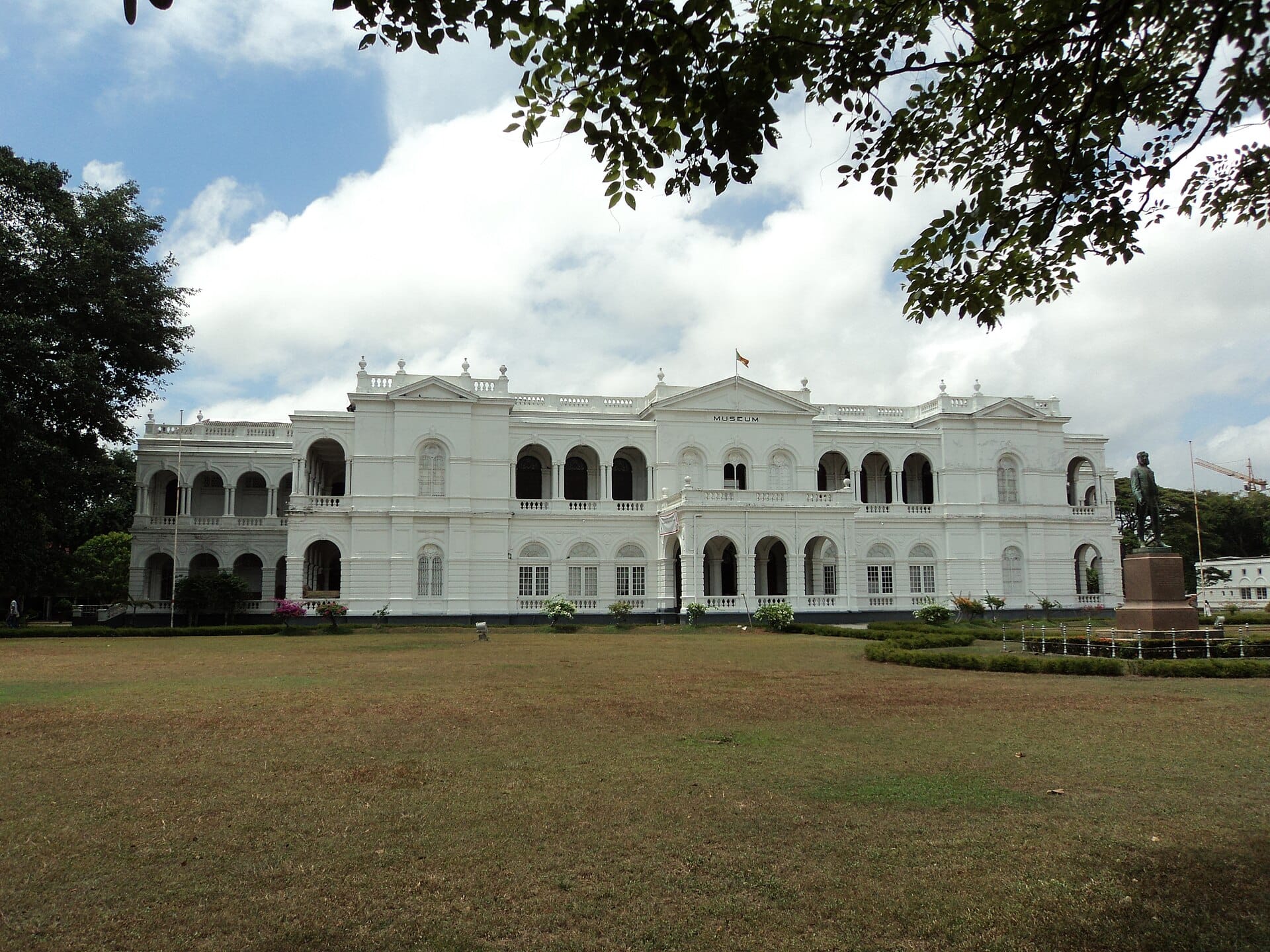
What to do: Allow 90 minutes; the ground-floor sculpture and Kandyan regalia rooms are the priority if you're short on time. Insider tip: Buy the LKR 300 photography permit at the desk if you want to shoot inside, and go early — the upper floors shut 30 minutes before the building does. Cost: LKR 1,000 for foreigners (about $3.30 / €3). Open 9am–6pm, last entry 5pm.
4. Colombo Lotus Tower
At 350 metres, the lotus-shaped Nelum Kuluna is the tallest self-supported structure in South Asia and the only place to see Colombo laid out whole. Its enclosed observation deck, high inside the flower-shaped crown, is the one place on a clear evening where you can trace the whole coastline, the port, the new Port City reclamation and the grid of the old Fort in a single sweep. It's touristy and it's worth it, mostly because the city has no other high vantage point.
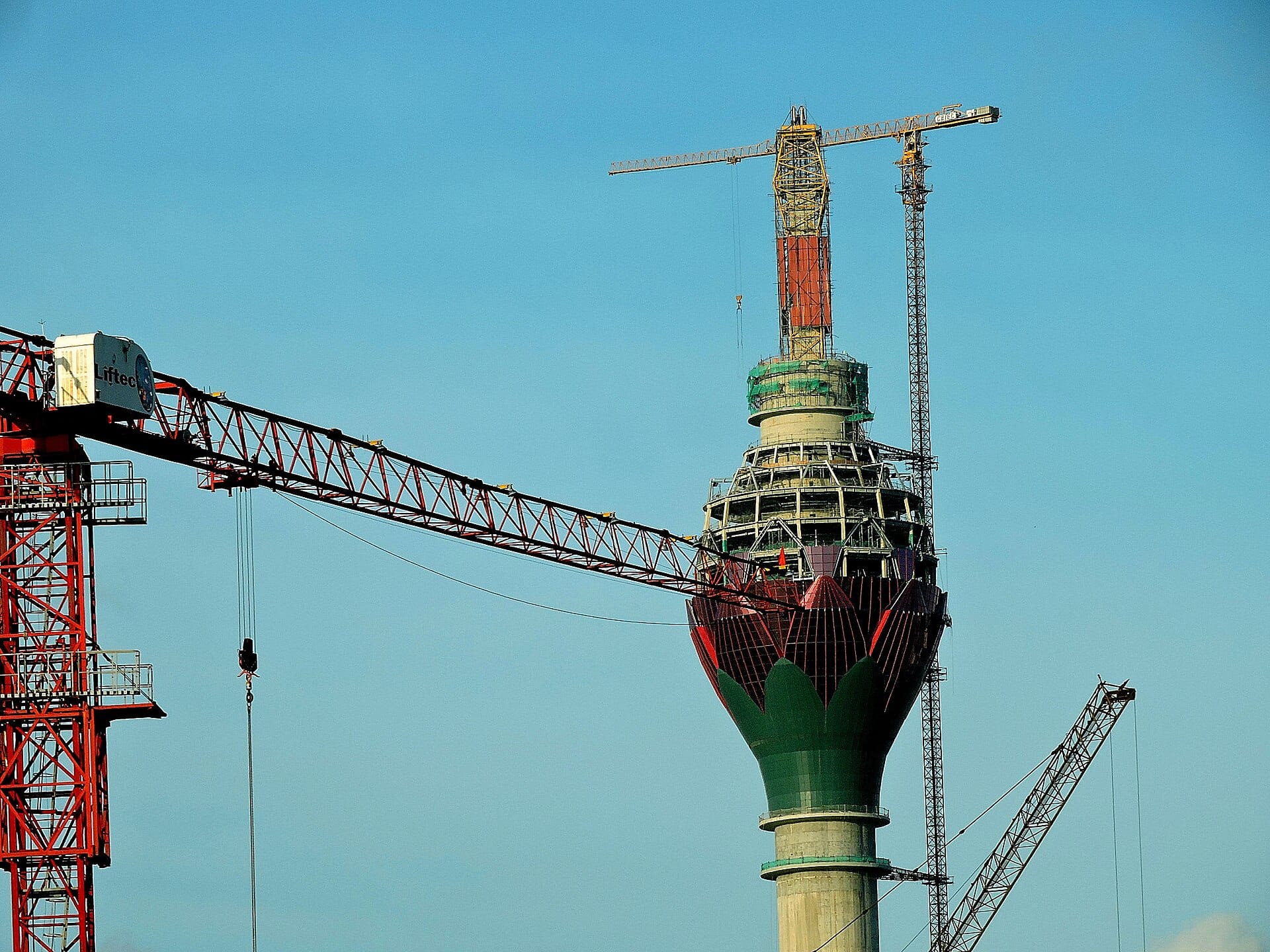
What to do: Go up about 45 minutes before sunset to catch both daylight and the switch-on of the city lights. Insider tip: The foreigner ticket bundles the observation deck with the "Pixel Bloom" light show, so you don't need to buy add-ons at the base — skip the touts selling packages outside. Cost: $20 for foreign adults (about €18.50), $10 for children 3–10. Open 9am–10pm weekdays, until 11pm weekends.
5. Pettah Market & the Red Mosque
Pettah is the wholesale heart of the city: a grid of streets where each block specialises in one thing — First Cross Street for electronics, others for textiles, hardware, dried fish, spices. It is loud, crowded and completely authentic. Rising out of the chaos on Second Cross Street is the Jami Ul-Alfar Mosque, better known as the Red Mosque, a 1908 building in candy-striped red-and-white brick that looks like a wedding cake designed by someone having a very good day.
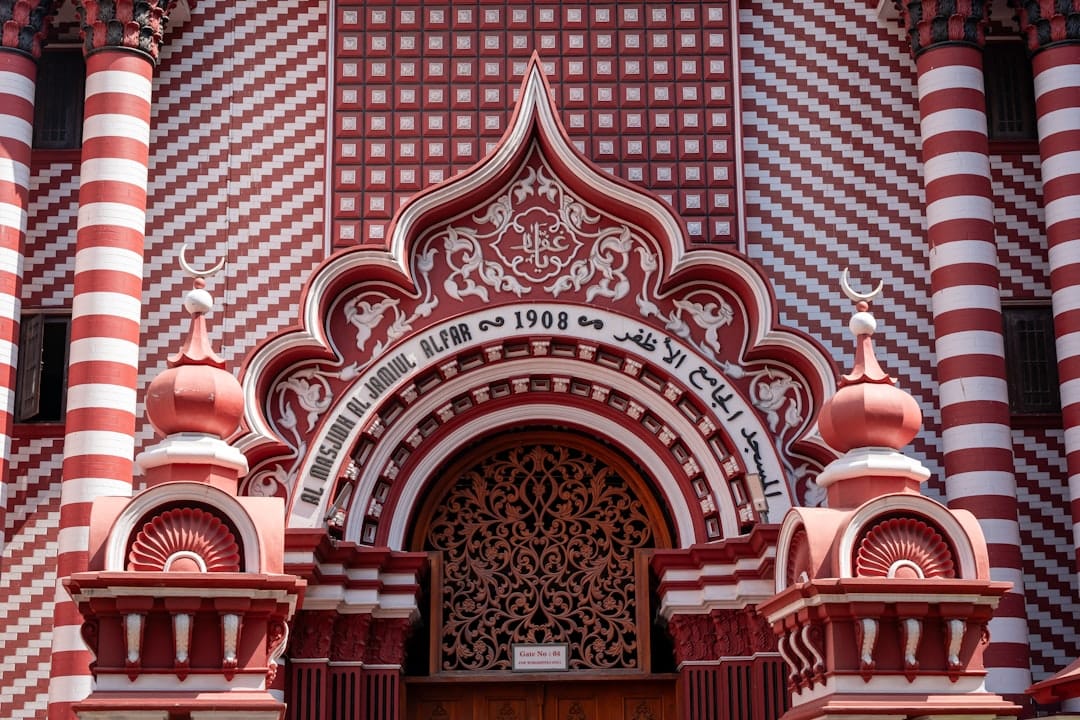
What to do: Wander Pettah's cross streets, then visit the mosque via gate no. 3, where a guide will show you around free of charge. Insider tip: Non-Muslim visitors are welcome outside prayer times only — Saturday to Monday 9:30am–5:30pm, and Friday from 3pm. Dress conservatively (long trousers and sleeves for men; a headscarf and covered arms and legs for women) and leave large bags at the counter. Cost: Free.
6. Independence Square & Arcade Independence Square
In leafy Cinnamon Gardens (Colombo 7), the Independence Memorial Hall is a 1953 open-sided pavilion modelled on the royal audience hall of Kandy, built to mark the end of British rule in 1948 and ringed by stone lions. The surrounding square is where Colombo jogs and walks at dawn and dusk. Steps away, the Arcade Independence Square — a restored colonial-era building, once a mental asylum, now a white-and-red-roofed shopping and dining complex — is a good, air-conditioned place to escape the afternoon heat.
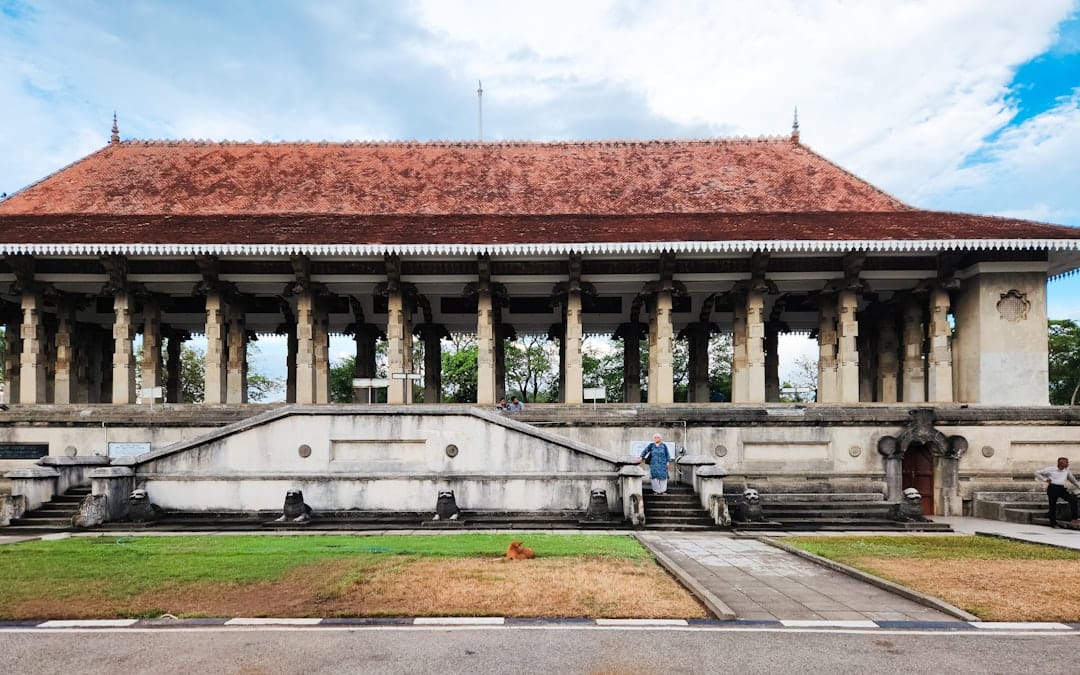
What to do: Visit the Memorial Hall, read the panels on independence, then browse the Arcade. Insider tip: Come at 6–7am if you're an early riser — this is where locals exercise, the light is soft, and you'll dodge both crowds and heat. Cost: The monument and square are free; the Arcade is free to enter.
7. Old Dutch Hospital Shopping Precinct
The oldest building in the Fort district — parts date to the 1600s, when the Dutch ran it as a hospital — has been converted into Colombo's most pleasant eating-and-drinking courtyard. Thick colonnaded verandas now hold restaurants, bars and a few boutiques. It's the address of Ministry of Crab, the restaurant from cricketers Mahela Jayawardene and Kumar Sangakkara that regularly lands on Asia's best-restaurants lists, serving Sri Lankan lagoon crab sold by weight.
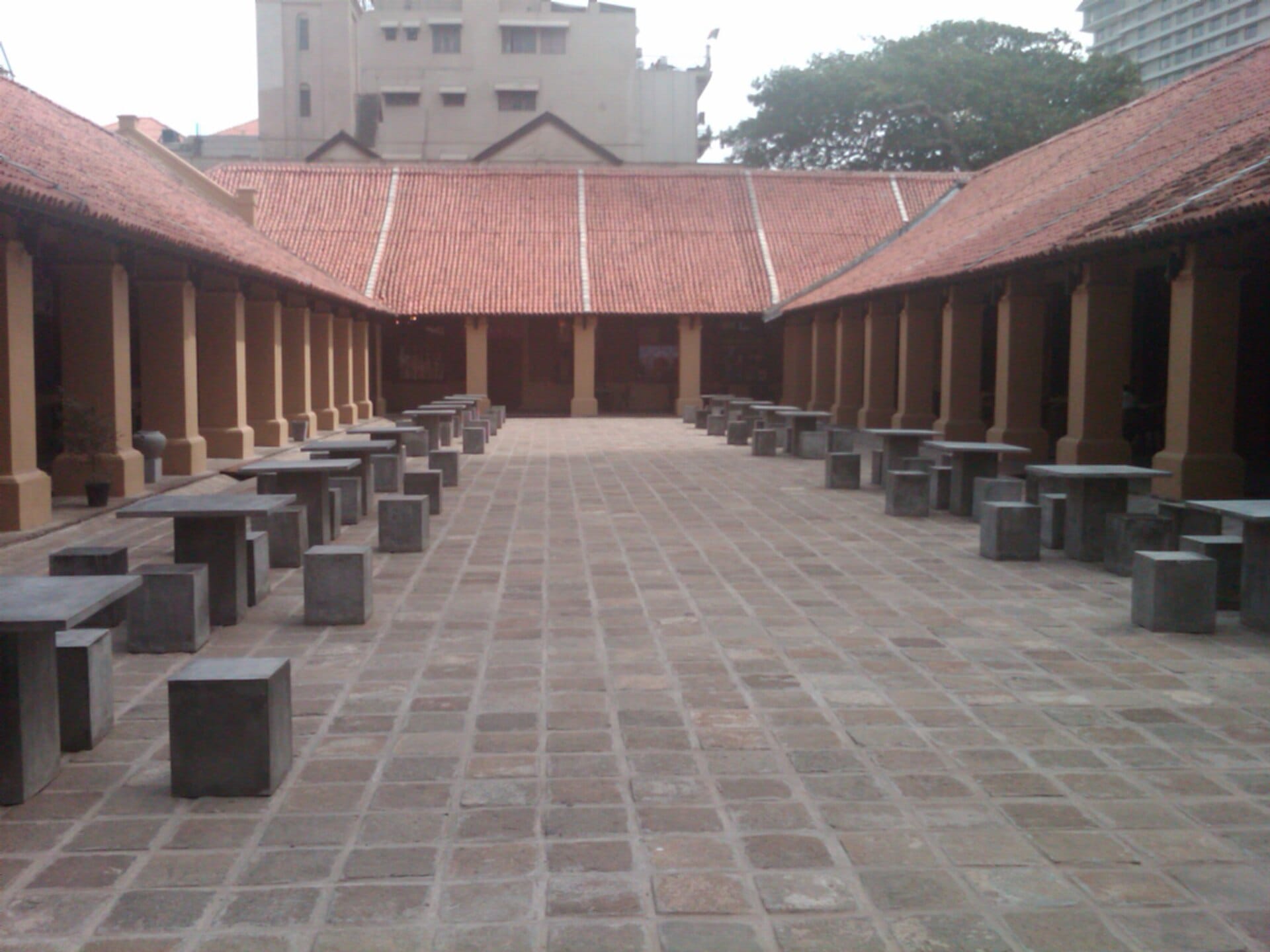
What to do: Come for a sundowner or dinner; the courtyard is pedestrianised and calm even when Fort's streets aren't. Insider tip: Ministry of Crab books out days ahead and is genuinely expensive by local standards — reserve online in advance, or skip the crab and just have a drink in the courtyard, which costs nothing to enjoy. Cost: Free to wander; meals vary widely from casual cafés to splurge dinners.
8. Mount Lavinia Beach
Colombo proper has a working port, not a swimming beach — for sand you head about 12km south to Mount Lavinia, reachable in 20 minutes by coastal train. The beach is framed by the Mount Lavinia Hotel, the 1806 seafront mansion built by a British governor for, so the story goes, his affair with a local dancer. It's the standard Colombo sunset-and-seafood escape, with a strip of beachfront restaurants doing grilled fish in the evening.
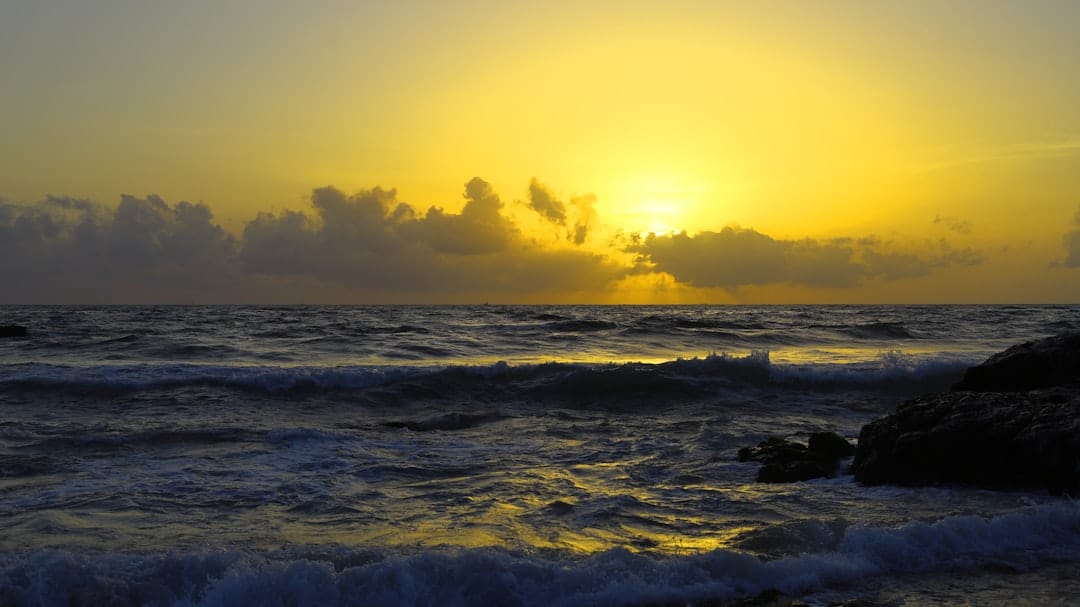
What to do: Take the coastal-line train from Fort or Secretariat station down to Mount Lavinia, spend the afternoon on the sand, eat grilled seafood at sunset. Insider tip: Ride the train early or mid-morning and sit on the right-hand (ocean) side — the track hugs the coast the whole way and the ride itself is the attraction. The sea here has rip currents; swim where locals do and don't go out far. Cost: Second- or third-class train fare is under LKR 100 ($0.35 / €0.30) each way.
🗓️ A Three-Day Colombo Itinerary
Day 1 — Fort & Pettah
Start in the Fort district mid-morning, walking past the British-era colonnades to the Old Dutch Hospital for coffee. Walk 10 minutes into Pettah and lose an hour in the market's cross streets, ending at the Red Mosque (remember: closed to visitors Friday morning through midday). Break for a rice-and-curry lunch — the buffet-style spots around Pettah run LKR 400–800 ($1.30–2.65 / €1.20–2.45). In the late afternoon, tuk-tuk or walk south to Galle Face Green (about 15 minutes by tuk-tuk, LKR 300–500) for isso vadai and the sunset over the sea. Total spend beyond food and transport: roughly $0.
Day 2 — Culture & the Skyline
Open with the Colombo National Museum at 9am (LKR 1,000) while it's cool and quiet, then walk across into leafy Cinnamon Gardens to Independence Square and the Arcade for lunch out of the heat. Early afternoon, taxi to Gangaramaya Temple and Seema Malaka on Beira Lake (donation entry). As the day cools, head to the Lotus Tower and go up around 5:15pm ($20) to watch the city light up. Dinner back near the lake or in Fort. Day's fixed costs: about $24 / €22 in entry fees.
Day 3 — Coast & Slow Colombo
Take the morning coastal train to Mount Lavinia (under LKR 100), swim and lounge on the beach, and have a long seafood lunch on the sand. Back in the city by late afternoon, spend the evening at Barefoot Garden Café on Galle Road (704 Galle Rd, Colombo 3) — an open courtyard behind a design store and bookshop, with live jazz on Sunday lunchtimes. If it's not Sunday, an afternoon tea on the terrace of the Galle Face Hotel is the elegant alternative. Day's fixed costs: under $5 / €4.60 plus food.
🧠 Essential Tips
Best time to visit
Aim for December through March, Colombo's dry season, when daytime temperatures sit around 27–32°C, humidity eases and rain is occasional rather than daily. The southwest monsoon (roughly May to September) is the wet, sticky season on this coast — not a washout, but expect heavy afternoon downpours that flood streets fast. If you can time it, the two-night Navam Maha Perahera, organised by Gangaramaya Temple around the February full moon (31 January–1 February in 2026), is Colombo's biggest festival: a procession of caparisoned elephants, Kandyan dancers, drummers and fire-twirlers circling Beira Lake.
Getting from the airport
Bandaranaike International Airport (CMB) is about 30km north of the city. The cheapest sane option is the air-conditioned expressway shuttle bus (route 187) to Colombo Fort, roughly LKR 290 ($1 / €0.90) and 50–60 minutes via the motorway; it runs around the clock. A PickMe or Uber from the airport runs LKR 2,500–4,000 ($8–13 / €7.50–12) and takes 45–75 minutes; the official airport taxi desk charges more, around LKR 4,500–6,000. Ignore the freelance taxi touts in arrivals, who quote two to three times the app rate.
Getting around the city
Colombo has no metro. You'll move by tuk-tuk and taxi, and the app that runs both is PickMe (Sri Lanka's home-grown Uber rival, generally cheaper than Uber locally) — download it before you arrive and let it set the fare, which sidesteps the whole negotiation. Metered tuk-tuk rates run roughly LKR 100 for the first kilometre and LKR 80–100 per kilometre after. For street-hailed tuk-tuks, agree the price before you get in. The coastal railway is the pleasant exception: cheap, scenic and the fastest way south to Mount Lavinia.
Safety and scams
Colombo is generally safe for visitors; the risks are to your wallet, not your person. The classics: tuk-tuk drivers claiming a broken meter and quoting an inflated flat rate (use PickMe), and the gem-shop hustle, where a friendly stranger or driver steers you to a shop selling "investment" stones with fake certificates — never buy gems on a recommendation. Be wary of anyone announcing a "special one-day-only festival" or a temple that's conveniently closed but whose friend runs a shop nearby; both are commission scams. Decline flowers or bracelets pressed on you near temples as "blessings," which come with a demand for cash. Use bank-attached ATMs and change money only at banks or hotels.
Food worth crossing town for
Colombo's national dish is kottu — chopped roti stir-fried with vegetables, egg and meat, announced by the machine-gun clatter of the cook's blades; Hotel de Pilawoos on Galle Road is the late-night institution for it. For hoppers (bowl-shaped fermented pancakes, superb with an egg cracked in) and string hoppers, the veteran Green Cabin on Galle Road is a safe bet. Seek out lamprais — a Dutch-Burgher parcel of rice, meat and sambols baked in a banana leaf, served at lunch only. Splurge on lagoon crab at Ministry of Crab in the Old Dutch Hospital, and don't leave without a genuine Sri Lankan rice and curry, a spread of a dozen little dishes around a mound of rice, which you can eat for a couple of dollars at any local canteen.
🏨 Where to Stay
Budget
Colombo has a solid hostel and guesthouse scene, with dorm beds from around $10–18 (€9–17) and simple private rooms from about $25–35 (€23–32). Look in Fort and Kollupitiya (Colombo 3) to stay central and walkable to Galle Face Green, or in quieter Cinnamon Gardens (Colombo 7) for a residential feel near the museum and Independence Square.
Mid-range
Expect roughly $60–130 (€55–120) a night for a comfortable business or boutique hotel with a pool. Jetwing Colombo Seven in Cinnamon Gardens has a rooftop pool and puts you among embassies and old mansions; Cinnamon Red in Kollupitiya is a reliable modern high-rise with a rooftop bar. This band buys a lot of comfort in Colombo.
Luxury
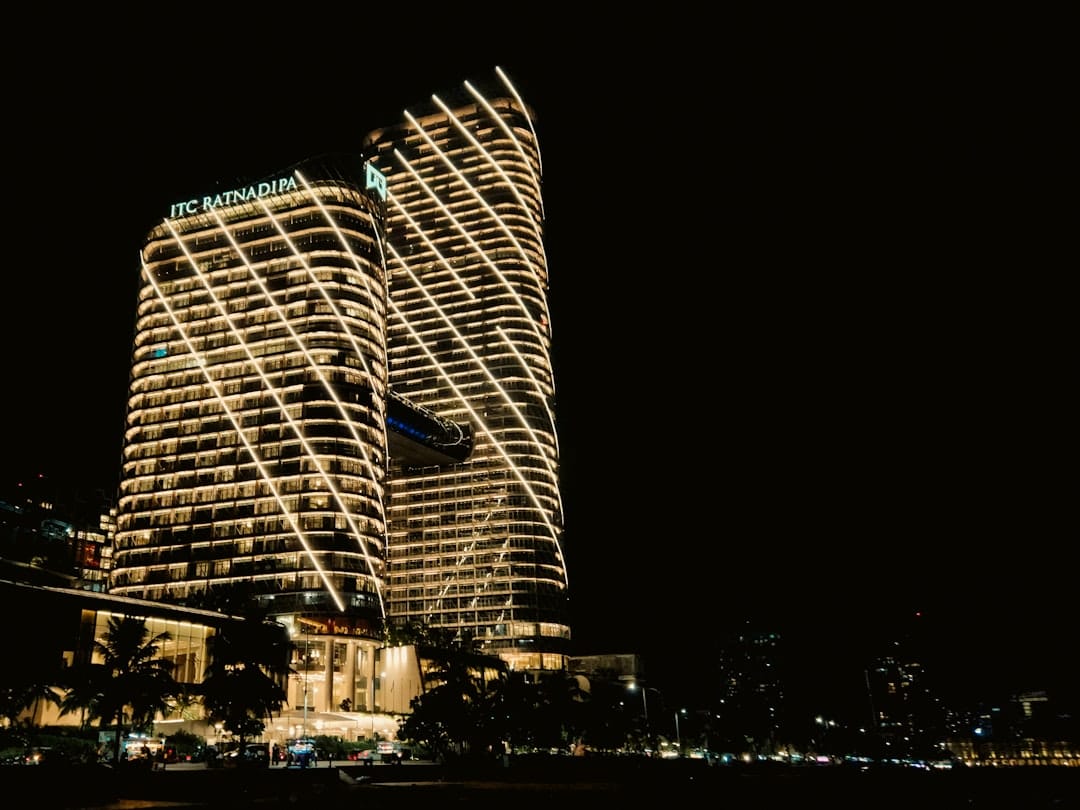
The top tier clusters along the seafront in Kollupitiya and around Beira Lake, generally $150–350+ (€140–320+) a night. The Shangri-La Colombo and the newer ITC Ratnadipa (opened 2024) anchor the oceanfront; Cinnamon Grand and Cinnamon Lakeside are long-standing five-stars; and for heritage over gloss, the Galle Face Hotel trades in 1864 seafront grandeur. In Cinnamon Gardens, the small Paradise Road Tintagel is a design-led boutique in a former prime minister's mansion.
❤️ Beyond the Tourist Trail
To see where Colombo is actually heading, walk the Pettah Floating Market along the canal near the Fort railway station — a stretch of waterside stalls and food shacks that most itineraries skip — or spend an hour at the Gangaramaya-linked Sri Lanka Ports Authority coastline at dusk, where the vast Port City Colombo reclamation is rising on land pulled from the sea. For a slower afternoon, the Barefoot Garden Café (704 Galle Rd, Colombo 3) remains the city's best-loved bohemian hangout — a leafy courtyard behind a handloom-textile shop and bookshop, with that Sunday-lunch jazz. And if your visit lands in late January or early February 2026, reorganise your evenings around the Navam Maha Perahera (31 January–1 February): standing on the Beira Lake shore as a hundred lantern-draped elephants and fire dancers pass is the single most memorable thing Colombo offers, and it's free.
🐻 Plan Your Colombo Trip with VoyaBear
Colombo rewards a traveler who knows which temple opens at six, which tuk-tuk app to trust, and which night the elephants march — the difference between a smooth two days and a frustrating one. That's exactly what VoyaBear builds: personalized, fact-checked itineraries tuned to your dates, your budget and your pace, whether Colombo is your whole trip or the first stop before the hill country and the south coast. Tell us when you're going and what you love, and we'll map the days for you — bookings, timings, meals and all. Start planning your Sri Lanka trip at VoyaBear.