VoyaBear


Seville does not do subtle. In April the whole city smells of orange blossom, by July the pavement hits 40°C and locals vanish indoors until 8pm, and at any hour a wrong turn in the old town drops you in front of the largest Gothic cathedral on earth. This is Andalusia's capital, a flat, walkable city of roughly 680,000 people on the Guadalquivir River, and it rewards travellers who plan around its rhythms rather than fighting them. Here is what to see, what to eat, when to come, and how not to overpay — all checked against 2026 prices.
🏛️ Essential Experiences
Real Alcázar — the palace that upstages the guidebook photos
The Alcázar is a working royal residence (the Spanish royal family still uses the upper floor) and the oldest royal palace still in use in Europe. What you actually come for is the 14th-century Palacio de Don Pedro, a masterpiece of Mudéjar craftsmanship built by Muslim artisans for a Christian king — carved stucco, tiled dados, and the Patio de las Doncellas reflecting pool. The gardens ran as the Water Gardens of Dorne in Game of Thrones, so parts will look oddly familiar. General admission is €15.50 (about $17), reduced €8, open daily 9:30–19:00.
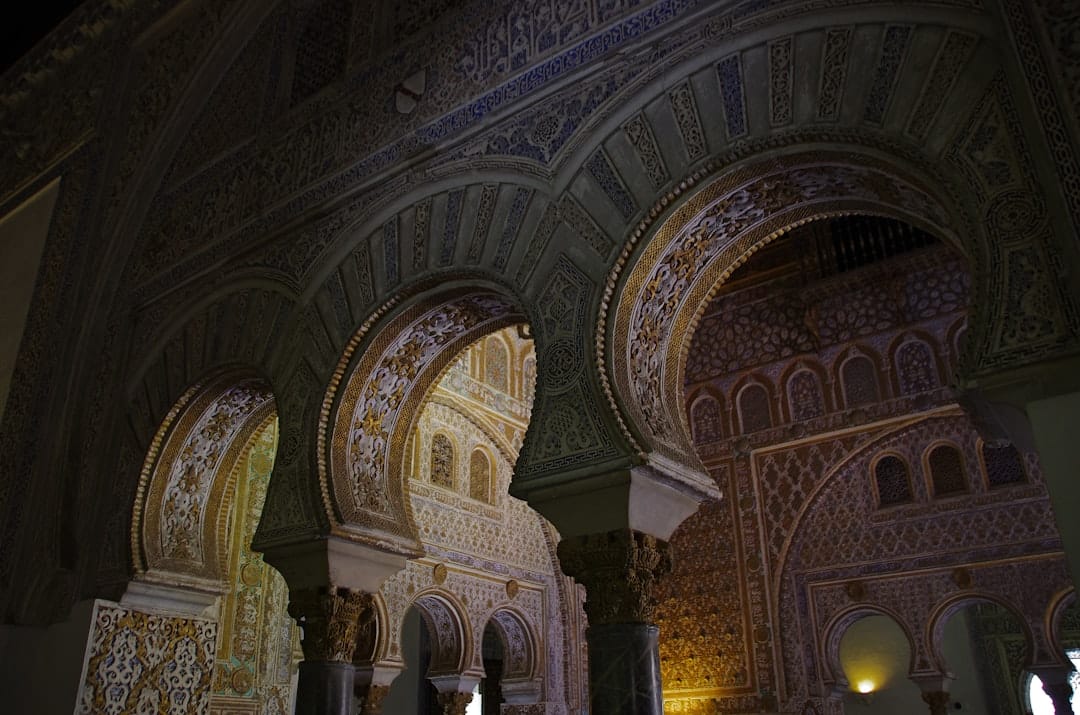
Insider tip: book a timed ticket online days ahead and take the very first 9:30 entry slot. The queue at the Puerta del León regularly tops an hour by mid-morning, and the Patio de las Doncellas is only photographable-without-strangers in that first half hour. Skip the paid audio guide and download the free one; spend the saved time in the gardens, where the crowds thin out fast.
Seville Cathedral & La Giralda — the world's biggest Gothic church
Built on the site of the city's main mosque after the 1248 Christian reconquest, the cathedral is the largest Gothic cathedral in the world by volume, and it holds what is claimed to be the tomb of Christopher Columbus, carried by four heralds representing the kingdoms of Spain. The Giralda bell tower is the old minaret — you climb it not by stairs but up 35 gently sloping ramps, originally built so a guard could ride a horse to the top. From 70-odd metres up you get the best free-of-obstruction view of the old town. Tickets are €14 (€13 online, about $15), reduced €7, open Mon–Sat 10:45–17:00 and Sun 14:30–18:00.
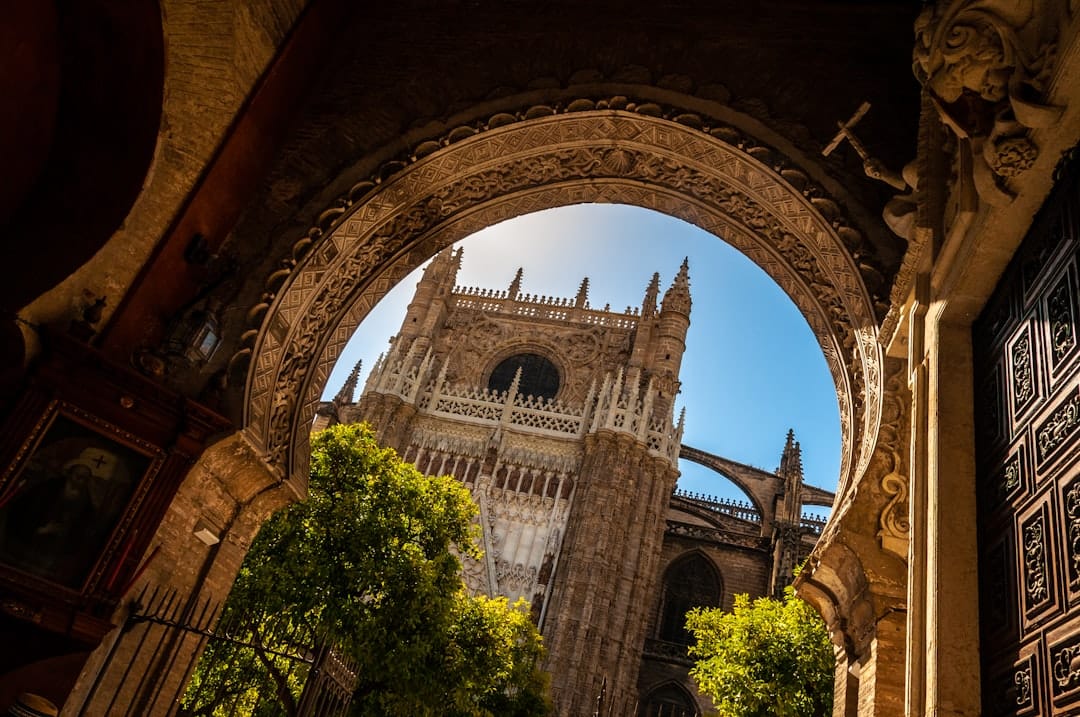
Insider tip: the ticket also covers the Iglesia del Salvador nearby, so keep the stub. Go at opening or in the last 90 minutes; the tour-group crush peaks between noon and 2pm. The Giralda ramp is a slow single-file shuffle at busy times, so climb it first, then see the cathedral floor.
Plaza de España — the most photographed square in Spain
Built for the 1929 Ibero-American Exposition, this half-circle of brick and tile is genuinely enormous: a 200-metre-wide plaza ringed by a canal, with 48 tiled alcoves, one for each Spanish province, arranged alphabetically. Spaniards still pose at their home province's bench. You will recognise it — it stood in for the planet Naboo in Star Wars: Attack of the Clones. Entry is free, open daily 8:00–midnight, a 15-minute walk south of the cathedral inside Parque de María Luisa.
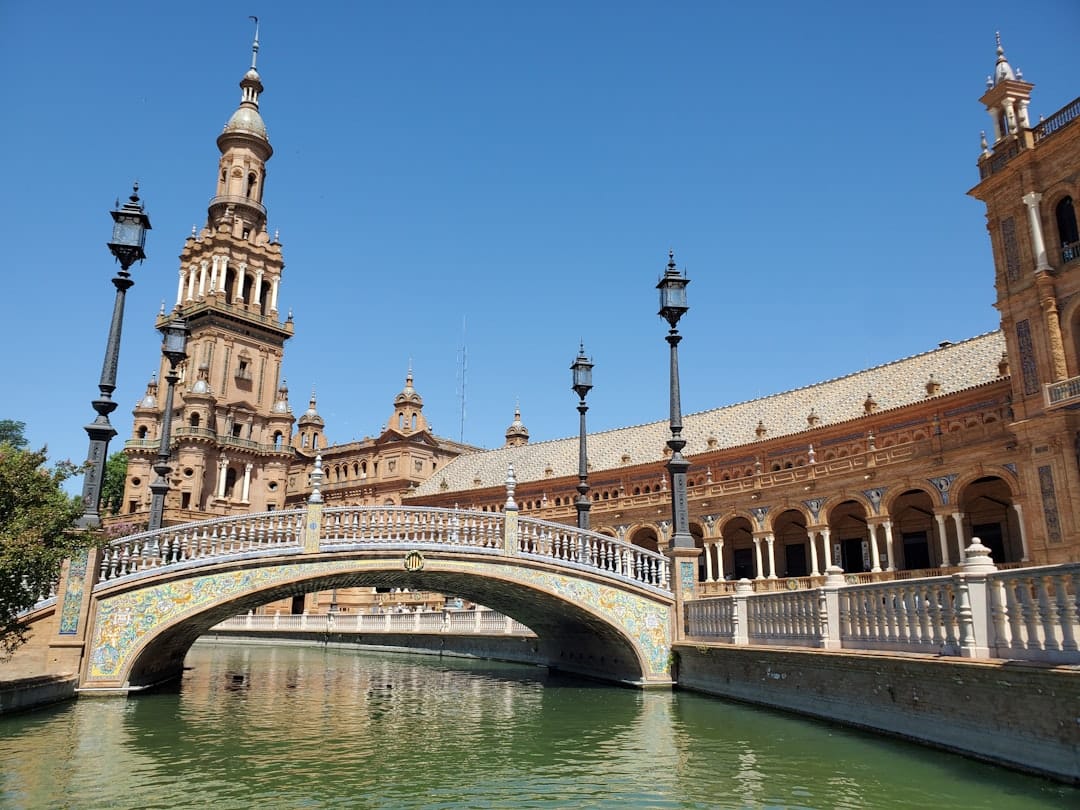
Insider tip: come at 8:30–9am. By late morning the tiled bridges are shoulder-to-shoulder and the light is flat. Rent one of the little wooden rowboats on the canal for €6 (plus a €4 refundable deposit), 35 minutes, up to four people — it is the cheapest fun in the city and gets you the arches from the water. Ignore anyone offering to "watch your boat" for a tip.
Setas de Sevilla (Metropol Parasol) — the giant wooden mushrooms
Locals nicknamed this the "mushrooms" (setas) and the name stuck. Finished in 2011, it is one of the largest wooden structures in the world, and beneath it the Antiquarium preserves Roman and Moorish ruins uncovered during construction. The reason to pay is the rooftop: a curving walkway across the top with a 360° view over the old town. Admission is €16 (about $17), reduced €13, open daily 9:30–midnight.
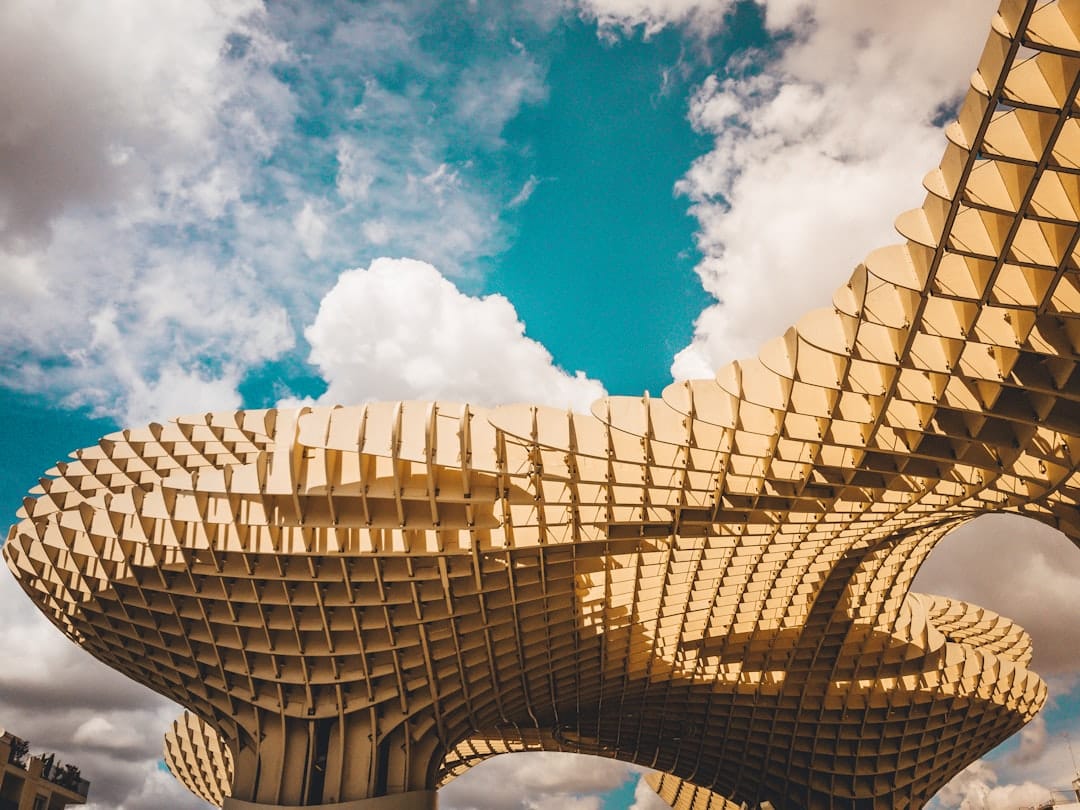
Insider tip: your ticket usually includes a drink at the rooftop bar, and it is one of the only paid attractions open late — go about 30 minutes before sunset, watch the sky turn, and you have beaten both the heat and the day crowds. The Plaza de la Encarnación below has a good produce market for a cheap breakfast beforehand.
Barrio Santa Cruz & a real flamenco show
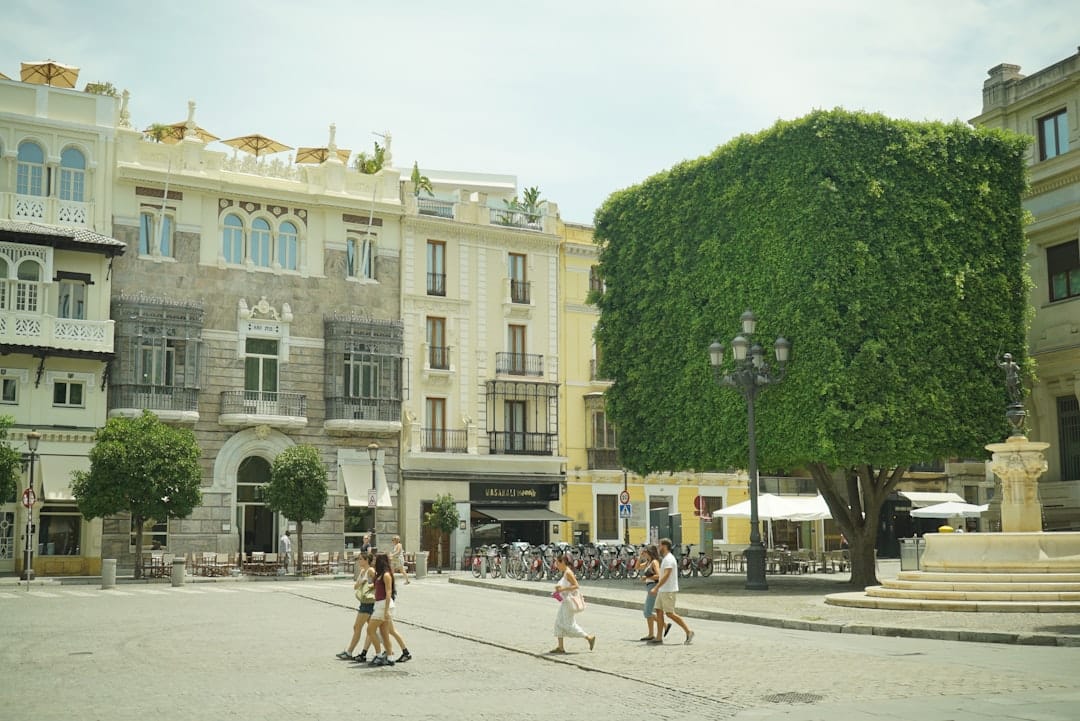
Santa Cruz is the old Jewish quarter, a maze of whitewashed lanes barely wide enough for two people, built narrow on purpose to keep out the sun. Wander Calle Agua, the tiny Plaza de Doña Elvira, and the Callejón del Agua behind the Alcázar walls. It is also where to see flamenco done properly. Skip the dinner-and-show tourist traps and book Casa de la Memoria, an intimate courtyard venue with no microphones; tickets run €24 (about $26) and shows sell out.
Insider tip: reserve Casa de la Memoria a day or two ahead online — walk-ups are often turned away. For something rawer and free, hunt down a flamenco peña (members' club) in Triana on a weekend night, where the singing is for locals, not cameras. In Santa Cruz itself, note your route in; the lanes are a deliberate labyrinth and GPS sulks between the tall walls.
Triana — the ceramics quarter across the river
Cross the Puente de Isabel II (everyone calls it the Triana bridge) and the tone changes: Triana is the old potters' and flamenco barrio, prouder and less polished than the centre. The Mercado de Triana sits on the ruins of the Castillo de San Jorge, once the headquarters of the Spanish Inquisition — there is a small free museum in the basement. Above ground it is a proper food market. The neighbourhood still makes the painted azulejo tiles you have been seeing all over the city; the Centro Cerámica Triana explains how.
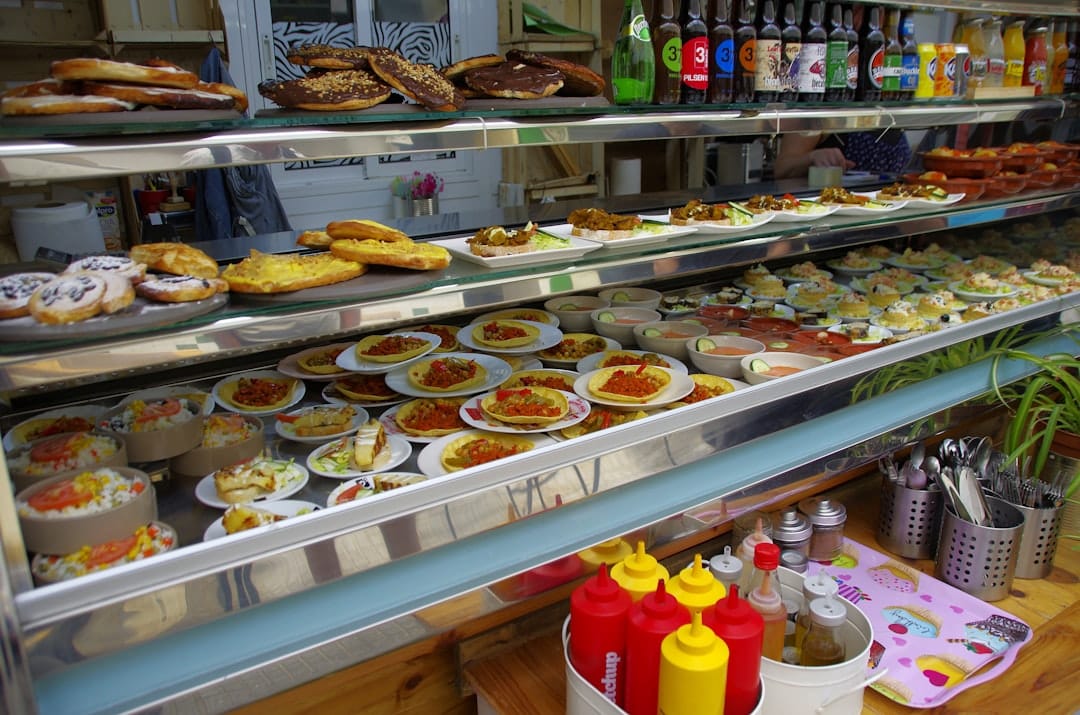
Insider tip: walk the riverfront Calle Betis at dusk for the postcard view back across the Guadalquivir to the Torre del Oro and the Giralda, then drink where the locals do. Buy tiles from the workshops on Calle Alfarería and Calle San Jorge rather than the souvenir stalls downtown — same craft, roughly half the price.
Casa de Pilatos — the palace the tour buses miss
If the Alcázar's queues put you off, this 16th-century Andalusian palace delivers a similar Mudéjar-meets-Renaissance courtyard with a fraction of the crowd. It belongs to the Dukes of Medinaceli and mixes Roman statues, Italian marble, and some of the finest tilework in Seville around a central patio. The ground floor is €12; add the first floor (a guided visit of the family's private apartments) for €6 more. Open daily 9:00–18:00.
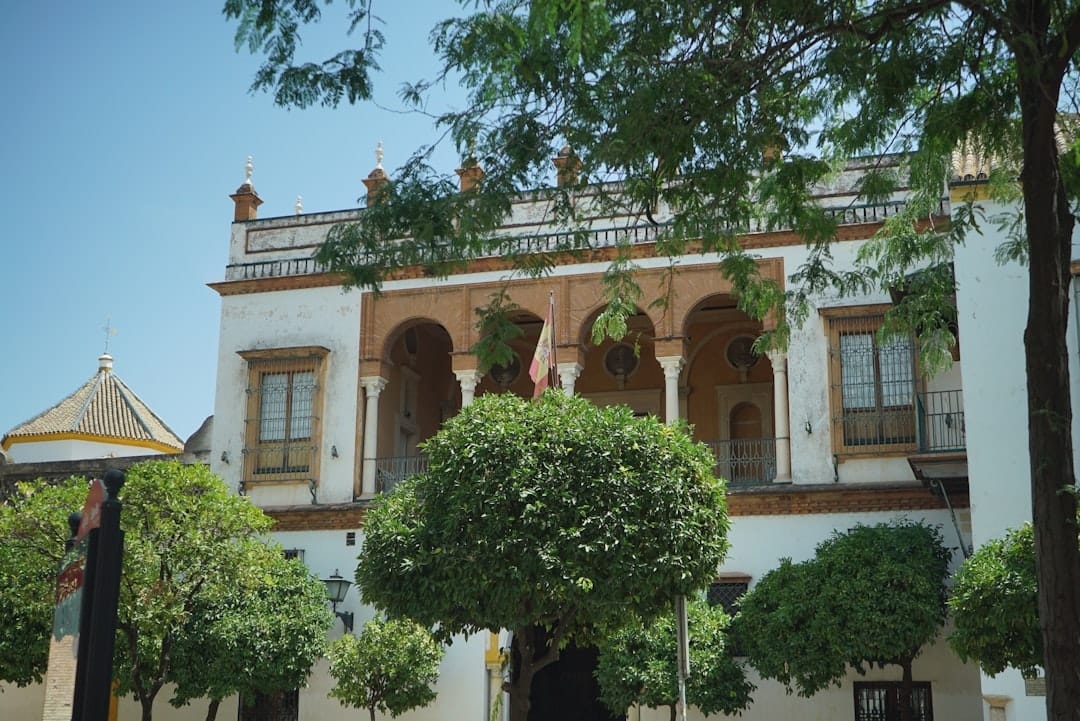
Insider tip: the ground-floor courtyard is the highlight, so if you are counting euros the €12 ticket is enough. Late afternoon is nearly empty. It is a 10-minute walk northeast of the cathedral, an easy pairing with Setas.
Torre del Oro & the Guadalquivir riverbank
This 13th-century Almohad watchtower on the river once anchored a chain that could be drawn across the Guadalquivir to block enemy ships. Inside is a compact naval museum, but the tower is best treated as a landmark and a walking anchor: the riverbank path from here down to Triana is flat, shaded in parts, and lined with rowing clubs. Entry is free (a voluntary €3 contribution), open Mon–Fri 9:30–18:30 and weekends 10:30–18:30.
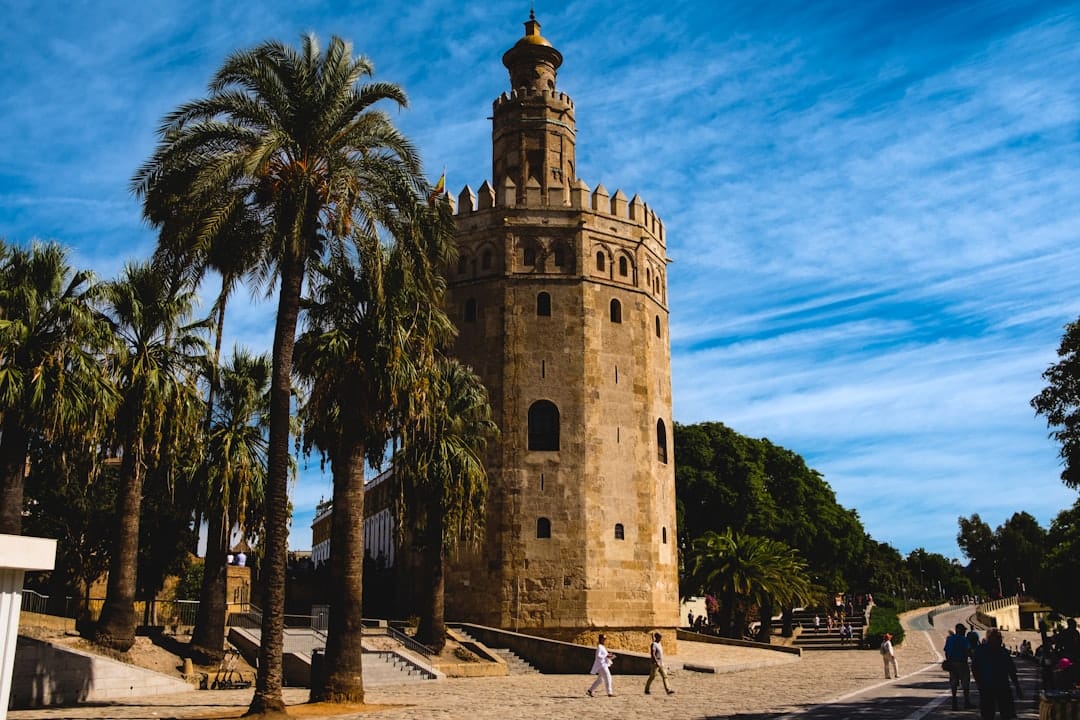
Insider tip: a one-hour river cruise leaves from the quay beside the tower for around €18, but honestly the free walk along the bank gives you the same views. Come near sunset, when the sandstone genuinely does glow gold and the rowers are out on the water.
📅 A 3-Day Itinerary
Day 1 — The monumental core
Start at the Real Alcázar on the 9:30 first entry (€15.50); give it two to three hours including the gardens. Walk five minutes to the cathedral and Giralda (€14) and climb the ramps before the midday groups arrive. Break for lunch at Bodega Santa Cruz "Las Columnas" a couple of streets away, where montaditos run €2.50–3 and you eat standing at the bar. Spend the afternoon getting lost in Barrio Santa Cruz, then walk 15 minutes to Plaza de España for late-afternoon light and a €6 rowboat. Cap the night with the Casa de la Memoria flamenco show (€24, booked ahead). Roughly €60/$65 in tickets, all on foot.
Day 2 — Triana, the river, and rooftops
Cross to Triana mid-morning, poke around the Mercado de Triana and the Inquisition-castle museum beneath it, then browse the tile workshops on Calle Alfarería. Lunch at Las Golondrinas on Calle Antillano Campos — order the punta de solomillo (pork tips) and a montadito of grilled mushroom, a few euros each. Walk the Calle Betis riverfront back toward the centre, passing the Torre del Oro. In the late afternoon head to the Setas de Sevilla (€16) and time the rooftop for sunset. Dinner around Alameda de Hércules, the buzziest square after dark.
Day 3 — Palaces, tapas, and a slower pace
Visit Casa de Pilatos (€12) when it opens at 9:00, while it is quiet. Mid-morning, do a proper tapas crawl through the centre: El Rinconcillo (Calle Gerona), open since 1670 and the oldest bar in the city, for espinacas con garbanzos and jamón cut behind the marble counter, with your tab chalked straight onto the wood; then Casa Morales near the cathedral, pouring wine from giant clay tinajas since 1850. Use the afternoon for whatever you shortchanged — a return climb, a María Luisa Park stroll, or a Guadalquivir river cruise (€18). If it is a hot day, do as locals do and disappear for a siesta between 3 and 6pm; the city reopens for the evening paseo.
🧠 Essential Tips
When to visit
Aim for March to May or late September to November. Spring is the prize: temperatures in the low-to-mid 20s°C, orange trees in blossom, and the two great festivals. Semana Santa (Holy Week) falls 29 March–5 April 2026, when hooded processions carry ornate floats through the streets nightly; the Feria de Abril runs 21–26 April 2026, a week of flamenco dresses, sherry, and horse carriages on the fairground across the river. Both are extraordinary and both spike hotel prices and fill rooms months out, so book early or come the weeks around them. Avoid July and August unless you are heat-proof: daytime highs sit around 36°C and regularly break 40°C, which is why Seville reliably ranks as the hottest major city in continental Europe.
Getting in and getting around
From Seville airport (SVQ, 10km east), the EA airport bus runs to the centre for €5 one-way (€6 same-day return), taking 35–50 minutes and stopping at Santa Justa train station and Plaza de Armas. A fixed-fare taxi is about €25 by day, roughly €28 at night and on weekends. In town you will mostly walk — the historic centre is compact and flat. The one tram line, the MetroCentro (T1), runs a short hop from Plaza Nueva past the cathedral to San Bernardo for €1.40 a ride. Locals get around by bike: the Sevici public bike-share has hundreds of stations and the city has over 180km of flat cycle lanes. For a car, use Cabify, the Spanish ride-hailing app, rather than hailing on the street.
Staying safe and not getting fleeced
Seville is a safe city; violent crime against tourists is rare and you can walk the centre at night without worry. The real risk is pickpocketing in the crush around the cathedral, on packed buses, and during festival crowds — keep your bag zipped and in front of you. Near the cathedral and Alcázar, women will press a sprig of rosemary into your hand "as a gift," then demand €20 to read your palm; a firm "no, gracias" and keep walking is all it takes. Restaurants right on the tourist squares mark up hard, so walk two or three streets back for better food at half the price. Steer clear of the outlying Las Tres Mil Viviendas district, which has nothing for visitors anyway.
What to eat
Tapas here are a verb — you graze bar to bar rather than sit for one meal. Order salmorejo (a thick, cold Cordoban-style tomato cream topped with jamón and egg), espinacas con garbanzos (spinach and chickpeas, a Moorish holdover), solomillo al whisky (pork tenderloin in a garlic-and-whisky sauce — try it at Los Coloniales), and in cooler months cola de toro (braised oxtail). Wash it down with an ice-cold Cruzcampo, the beer brewed in Seville since 1904, or a tinto de verano (red wine and lemon soda) — the local drink that gazpacho-hot afternoons were made for. For fried fish, look for pescaíto frito at any Triana bar.
🏨 Accommodation Guide
Budget (€60–110 / $65–120 a night): Base yourself around Alameda de Hércules or the Macarena district north of the centre, where guesthouses and small hotels stay cheaper and the nightlife is local rather than touristy. It is a 15-minute walk to the cathedral and the best area for a first-timer on a budget who still wants atmosphere.
Mid-range (€120–250 / $130–270 a night): Barrio Santa Cruz puts you inside the postcard but at a premium; El Arenal (between the cathedral and the river) and central Centro are quieter and better value. Reliable options in this band include Hotel Rey Alfonso X in Santa Cruz, H10 Casa de la Plata in the centre, and La Parada del Marqués in El Arenal — several with the rooftop pools you will want in warm months.
Luxury (€300–600+ / $330–650+ a night): The grande dame is the Hotel Alfonso XIII in Santa Cruz, a 1928 neo-Mudéjar palace built for the Ibero-American Exposition, with a tiled courtyard and garden pool. For something smaller and more discreet, the Mercer Sevilla occupies a restored mansion in El Arenal.
🎭 Beyond the Tourist Trail
Spend an evening on Alameda de Hércules, a long tree-lined square that was a marshy backwater a generation ago and is now the city's most alive after-dark space, ringed with bars that fill up around 10pm; a small flea and produce market sets up here on Sunday mornings. Across the river, Calle Betis in Triana gives you the best free view in Seville — the whole old-town skyline reflected in the Guadalquivir — from a string of copa bars where a drink costs a third of what the centre charges. For craft, the workshops on Calle Alfarería still throw and paint tiles by hand. And if your 2026 trip lands in September, time it for the Bienal de Flamenco, the world's largest flamenco festival, held every even-numbered year across the city's theatres and courtyards — the real thing, watched mostly by Andalusians.
❤️ Let VoyaBear Plan Your Seville Trip
Seville rewards timing — the right entry slot, the right season, the right two streets back from the square — and that is exactly the kind of detail that is tedious to line up on your own. VoyaBear builds personalised, day-by-day itineraries around how you actually want to travel: your pace, your budget, your appetite for queues and heat. Tell us when you are going and what you love, and we will map the flamenco tickets, the tapas crawl, and the siesta-friendly afternoons into a plan you can just follow. Start planning your Seville trip with VoyaBear →