VoyaBear


Ho Chi Minh City runs on two clocks. There's the one the coffee shops keep — a ca phe sua da at a plastic stool by 7am, dripping through a metal filter while the motorbikes stack up at the lights — and there's the one the calendar keeps, where in December 2024 the first metro train finally pulled out of Ben Thanh station after more than a decade of construction, and Vietnam's largest city finally got the mass-transit spine it had been promised since the 2000s. Come in 2026 and you get both: a place that still eats breakfast on the sidewalk and now lets you skip the traffic to Suoi Tien for the price of a coffee. This is a working city of nine million people and roughly seven million motorbikes, not a museum, and that's exactly the point of coming.
Locals still call it Saigon, especially the central districts, and you'll hear it far more than the official name. It's flat, hot, and dense, which makes it a walking city for about three blocks at a time before you duck into air conditioning. Below is what's actually worth your time, what things cost in mid-2026 (the dong sits around 26,200 to the US dollar and 28,800 to the euro), and how to move through it without getting fleeced at the market.
🏙️ Essential Experiences
War Remnants Museum
Start here, and go early. The War Remnants Museum at 28 Vo Van Tan in District 3 is the most affecting three hours you'll spend in the city, and it does not soften anything — the American War is told from the Vietnamese side, with US aircraft and a captured tank in the courtyard and, upstairs, the Requiem photography collection and a hard room documenting the effects of Agent Orange. Entry is 40,000 VND (about $1.50 / €1.40), and it's open daily 7:30am to 4:30pm with last admission at 4:00pm. Insider tip: arrive right at opening — by 10am the tour buses land and the narrow upper galleries turn into a queue. Give yourself two hours minimum, and know going in that the Agent Orange room is genuinely upsetting; it's meant to be.
Cu Chi Tunnels
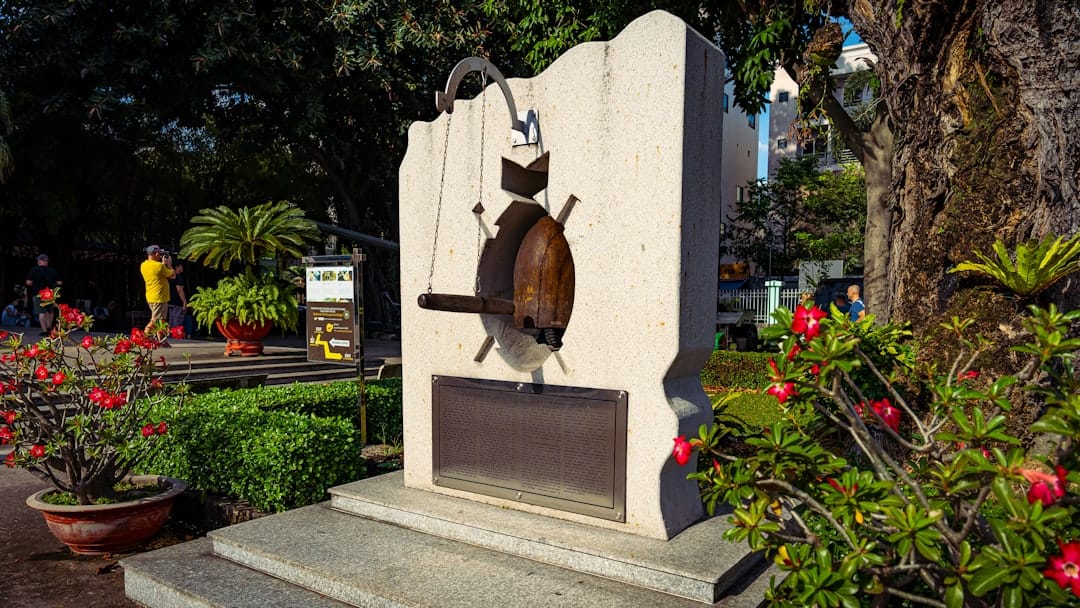
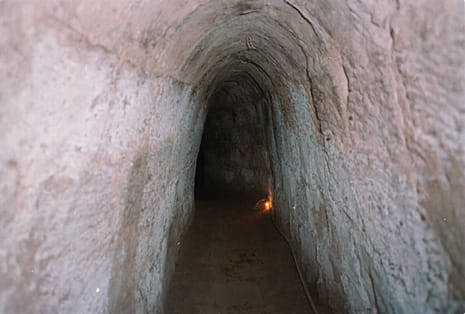
Forty-some kilometers northwest of the city sits the Cu Chi tunnel network — over 200km of hand-dug passages the Viet Cong used to live, move, and fight beneath the Americans. You crawl through a widened section (claustrophobes, this is a real warning), see the trapdoors and improvised booby traps, and can pay to fire an AK on the on-site range if that's your thing. Two sites take visitors: Ben Dinh is closer and busier, Ben Duoc is farther, larger, and quieter. Foreigner entry is 110,000–150,000 VND ($4.20–5.70 / €3.80–5.20), open 7:00am–5:00pm. Insider tip: book the earliest tour you can and aim for Ben Duoc — arriving before 8am beats both the heat and the crowds, and the tunnels are 1.5–2 hours out each way, so a mid-morning start means you're crawling underground at noon with fifty other people. A half-day group tour runs roughly $15–25 including transport.
Independence Palace (Reunification Palace)
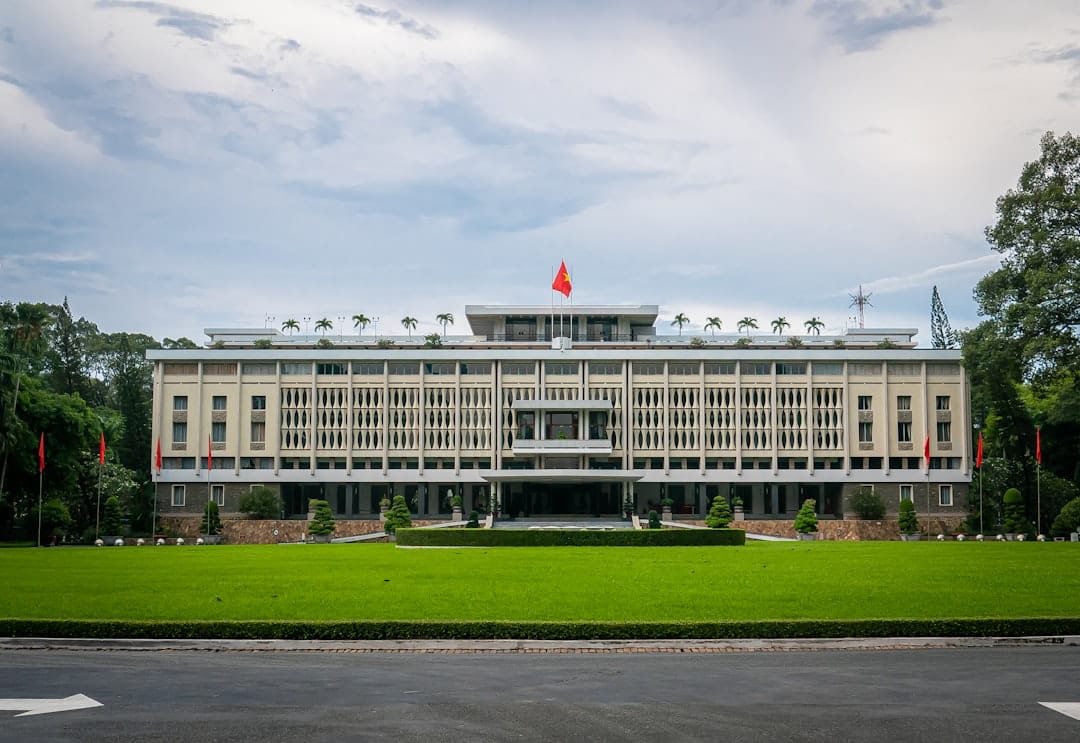
This is the building where the war ended — on 30 April 1975 a North Vietnamese tank crashed through the gates, and the palace has been frozen in that era ever since. It's a time capsule of 1960s design: the president's rotary phones, the war command room in the basement with its wall maps and radios, a rooftop helipad, and a cinema. Ticketing is a bit fiddly — general admission covering the palace and the exhibit is 80,000 VND ($3 / €2.80) for adults and 20,000 for children; a palace-only ticket is 40,000 VND. Open daily 7:00am–6:00pm; enter from the Nam Ky Khoi Nghia gate. Insider tip: the free-flow route skips the basement bunker, which is the best part — follow the signs down to the command center rather than looping the grand reception rooms and leaving.
Saigon Central Post Office
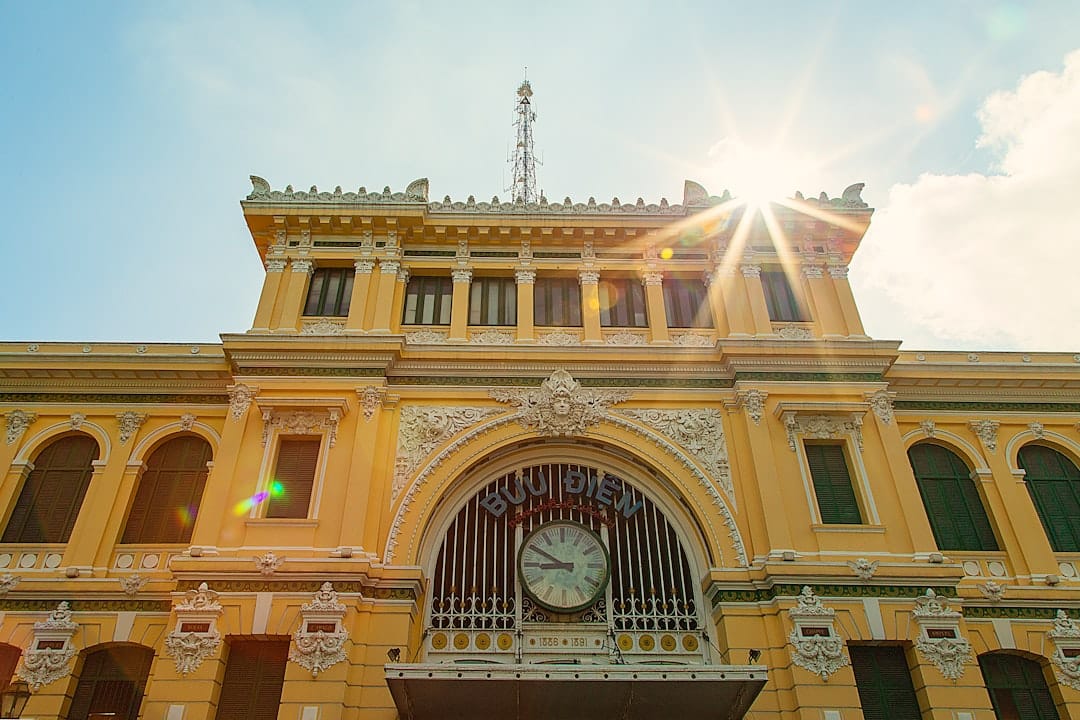
Ignore the guide who tells you Gustave Eiffel designed this — it's a myth that refuses to die. The Central Post Office at 2 Paris Commune Square was designed by Alfred Foulhoux and built between 1886 and 1891, and it's still a functioning post office, not a photo set. Under the vaulted iron roof you'll find two hand-painted 1892 maps — one of the telegraph lines of southern Vietnam and Cambodia, one of Saigon itself — and a large portrait of Ho Chi Minh at the far end. Entry is free. Insider tip: buy a postcard and actually mail it from the wooden counters at the back; it's the rare tourist ritual that costs almost nothing and uses the building for what it's for. It sits directly beside the Notre-Dame Cathedral, so pair the two.
Notre-Dame Cathedral (from the outside, for now)
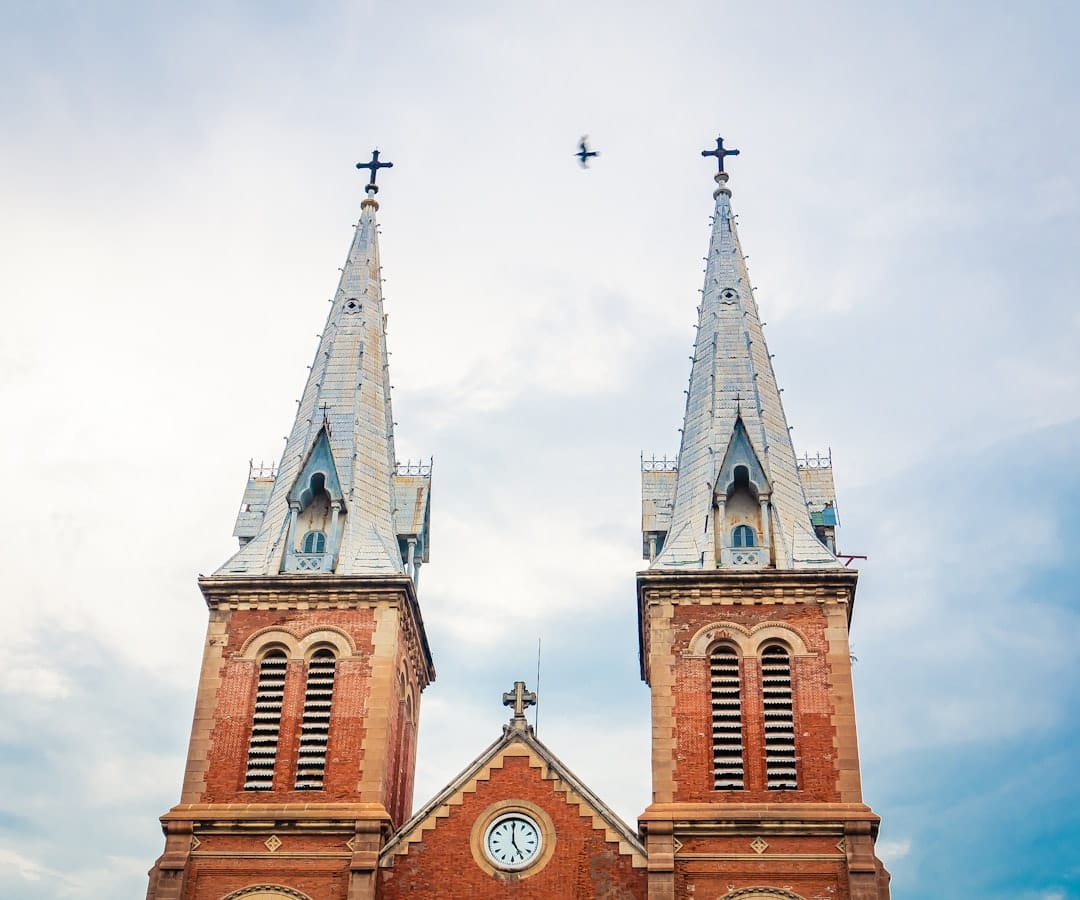
The neo-Romanesque cathedral on the same square, built by French colonists in the 1880s with bricks shipped from Toulouse, has been wrapped in scaffolding since a restoration began in 2017. That project was extended to 2027, so as of 2026 the interior remains closed to visitors and the exterior is only just emerging from its cladding. It's still worth the five-minute walk from the post office to see the twin 58-meter bell towers and the Virgin Mary statue out front. Insider tip: don't build your day around going inside — you can't yet. Treat it as a photo stop between the post office and the Dong Khoi shopping street, and check the current status before you visit in case the reopening slips again.
Bitexco Saigon Skydeck
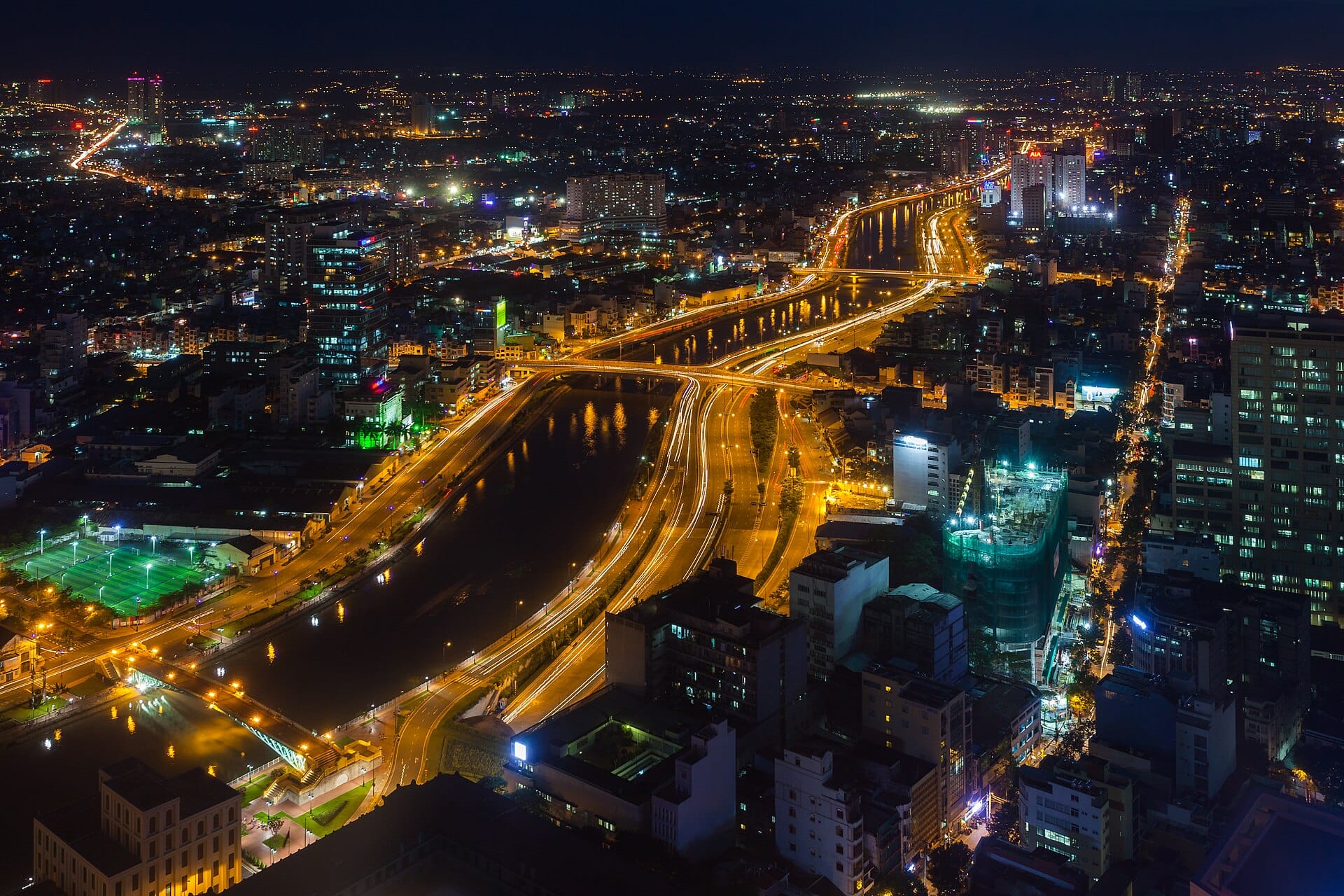
The 68-story Bitexco Financial Tower, the one shaped like a lotus bud with a helipad jutting out the side, has a public observation deck on floor 49. The Saigon Skydeck gives you a 360-degree read on how the city sprawls to the horizon and how the Saigon River loops around it — genuinely useful on your first day for orienting yourself. Tickets are 240,000 VND (about $9.15 / €8.30) for adults, open 9:30am–9:30pm with last entry 45 minutes before close. Insider tip: skip the ticket entirely and go up to EON Heli Bar on floor 52 instead — the price of a drink gets you three floors higher with a seat, and sunset from up there beats a daytime deck ticket. If you do want the deck, go about an hour before sunset to catch both daylight and the lights coming on.
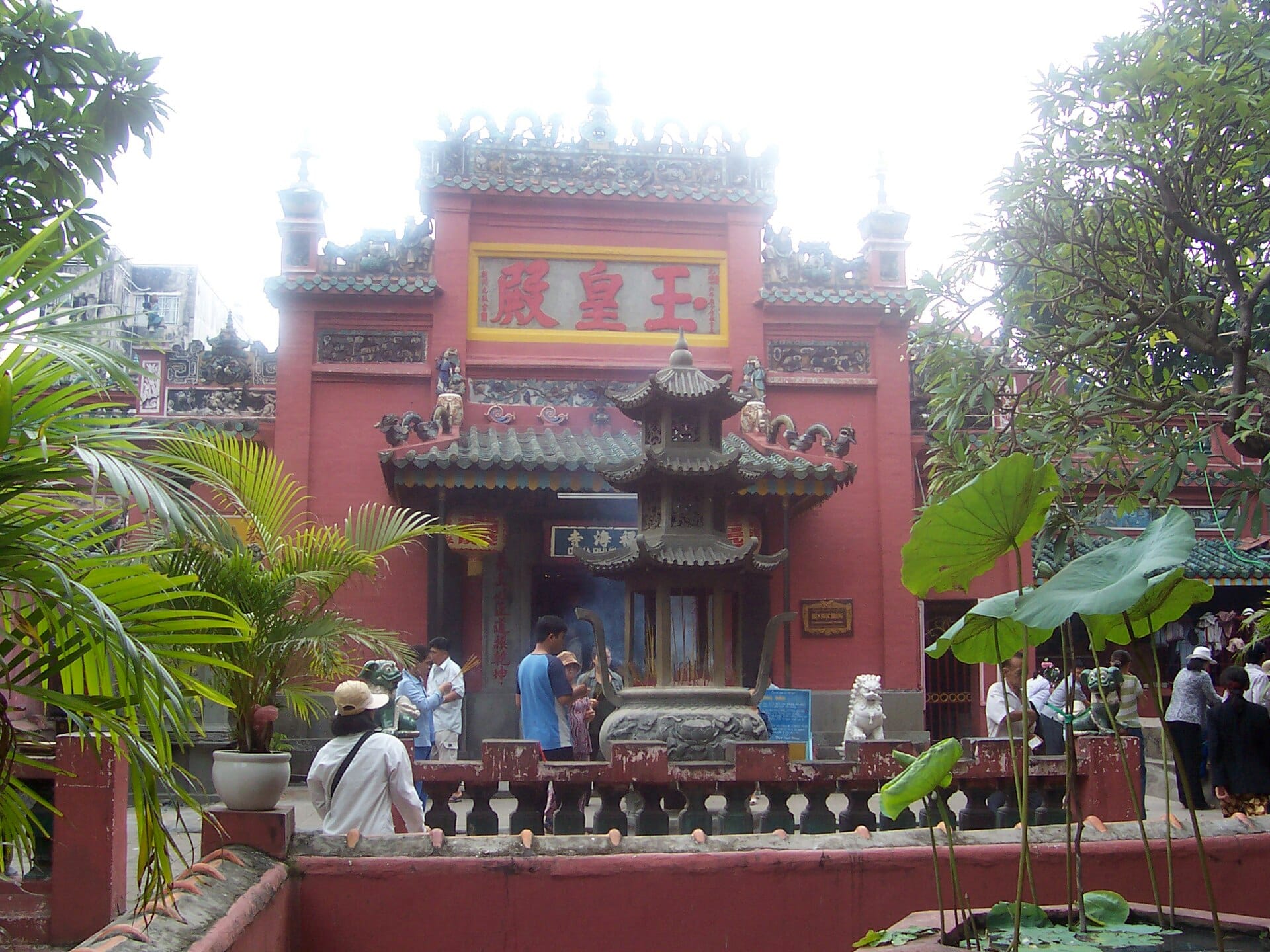
Jade Emperor Pagoda
Tucked on Mai Thi Luu Street in the Da Kao ward, this 1909 Taoist temple is the most atmospheric in the city — dim, thick with incense smoke, and crowded with carved wooden statues of the Jade Emperor and the gods of the underworld. There's a turtle pond in the courtyard and a "Hall of Ten Hells" with reliefs that get graphic about the punishments awaiting the wicked. Barack Obama stopped here on his 2016 visit, which the temple has not forgotten. Entry is free, open 8:00am–5:00pm. Insider tip: come mid-morning on the 1st or 15th of the lunar month if you can time it, when locals pack in to pray and the whole place fills with smoke and marigolds — but any weekday it's a quiet, genuine working temple rather than a staged one. Don't buy the caged birds or turtles sold outside for "release"; it fuels the trade rather than earning you karma.
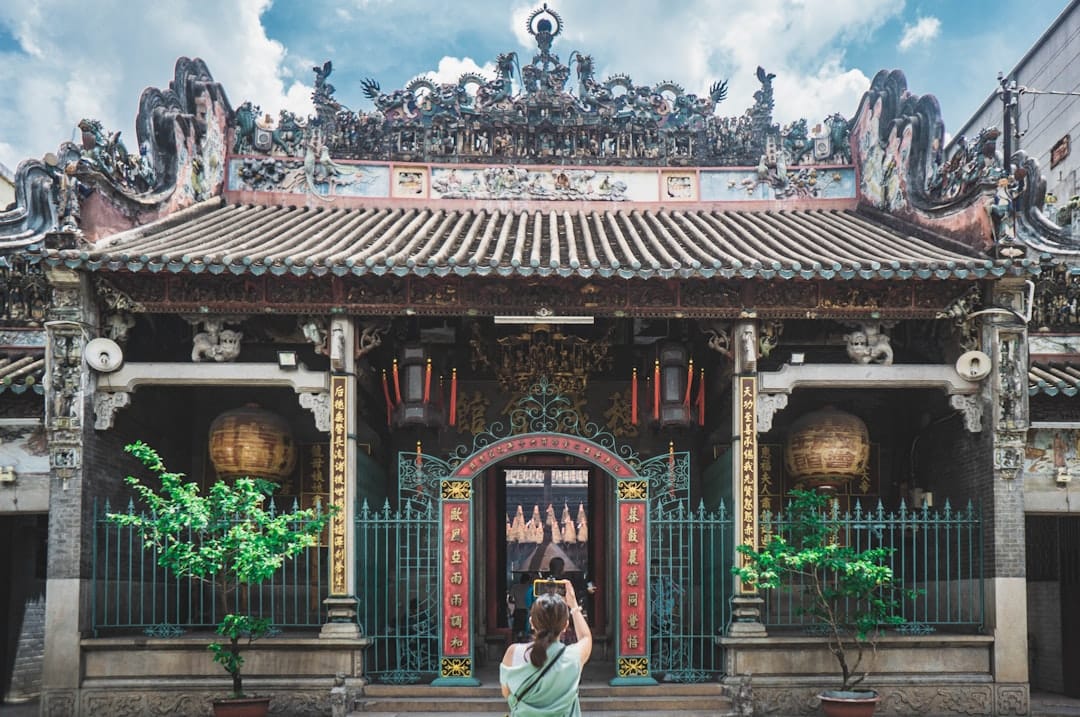
Cholon and Thien Hau Temple
Cholon, spread across Districts 5 and 6, is the largest Chinatown in Vietnam and where you go to escape the polished center. The anchor is Thien Hau Temple at 710 Nguyen Trai, a 19th-century Cantonese temple dedicated to the sea goddess Mazu, hung with enormous spiral incense coils that burn slowly overhead and drop ash for days. Entry is free. Nearby, the Binh Tay Market wholesale halls and the herb-and-medicine streets are the real working commerce of the city, not souvenir stalls. Insider tip: the metro doesn't reach here, so take a Grab from District 1 — about 60,000–90,000 VND and 20 minutes. Go in the morning when the market is trading and the temperature is survivable, and wander the side streets off Nguyen Trai — the pharmacies, the pagodas, the metalworkers — rather than beelining to one temple and leaving.
🗓️ A 3-Day Itinerary
Day 1 — Central Saigon and the war history
Start at the War Remnants Museum at 7:30am opening (40,000 VND, District 3) and give it two hours before the crowds. Walk 15 minutes southeast to Independence Palace (80,000 VND) and do the basement bunker. Break for lunch at a com tam (broken-rice) spot — Com Tam Moc at 85 Ly Tu Trong is around 95,000 VND ($3.60) for a plate of grilled pork over rice with a fried egg. In the afternoon, walk the Dong Khoi corridor: the Central Post Office (free), the exterior of Notre-Dame, and the Opera House. End at the Nguyen Hue walking street after dark, and ride the elevator (3,000 VND) up the Cafe Apartment at number 42 for a coffee with a view of the promenade. Total spend beyond food and hotel: roughly 125,000 VND ($4.80).
Day 2 — Cu Chi Tunnels and a night market
Book the earliest half-day tour to the Cu Chi Tunnels (roughly $15–25 with transport, or 110,000–150,000 VND entry if you go independently by bus #13). You'll be back in the city by early afternoon. Rest through the worst of the heat, then head to Ben Thanh Market on Le Loi as it winds down around 6pm and the night market fires up on the surrounding streets — grilled seafood, banh xeo, and cold Bia Saigon at plastic tables. Finish on Bui Vien Walking Street in the Pham Ngu Lao backpacker quarter if you want noise and neon, or a quiet rooftop if you don't.
Day 3 — Cholon, temples, and coffee culture
Grab out to Cholon (about 80,000 VND) in the morning for Thien Hau Temple and the Binh Tay Market halls. Loop back via the Jade Emperor Pagoda in Da Kao (free) for the incense and the turtle pond. Spend the afternoon on the thing Saigon does better than almost anywhere — coffee. Try a bac xiu (the local sweeter, milkier take on an iced coffee) at any of the third-wave shops in District 3, or a traditional ca phe sua da for 20,000–35,000 VND. If you have the energy, cross the river to Thao Dien in the evening for a craft beer at Pasteur Street or Heart of Darkness and dinner by the water.
🧠 Essential Tips
When to go
The dry season runs December to April, and December through February is the sweet spot: daytime highs of 28–34°C, low humidity, and almost no rain. January is the single most comfortable month. April is the hottest, pushing 38–40°C, and the rainy season (May–November) brings short, violent afternoon downpours rather than all-day gray — September and October are the wettest but a storm rarely lasts more than an hour. If your budget matters more than your comfort, May to September has the lowest hotel prices. One date to plan around: Tet, the Lunar New Year, falls on 6 February in 2027 (Year of the Goat), and for several days around it many shops, restaurants, and family-run businesses shut completely while the city empties out — beautiful and eerie, but check what's open before you count on it.
Getting in and getting around
Tan Son Nhat Airport (SGN) sits in Tan Binh district, only about 7–8km from District 1 — 20 to 30 minutes in light traffic, considerably more at rush hour. Book a Grab from inside the terminal rather than taking a curbside tout: expect 100,000–200,000 VND ($3.80–7.60) plus a 10,000–15,000 VND airport pickup fee. A metered taxi from a reputable company runs 200,000–300,000 VND; never agree to a flat quote above that. In the city, Grab is what everyone uses — for cars and for the cheaper GrabBike motorbike option — and the electric-taxi apps Be and Xanh SM are solid alternatives. For taxis flagged on the street, stick to Vinasun (white with red-and-green stripe) and Mai Linh (green); the rigged-meter cabs that swarm the tourist zones imitate these companies' colors, so check the exact logo and phone number.
The new Metro Line 1 (Ben Thanh to Suoi Tien, opened December 2024) is fast, clean, and air-conditioned, with 14 stations and useful central stops at Ben Thanh, the Opera House, and Ba Son. Single fares are 7,000–20,000 VND by distance (a 1,000 VND discount if you pay cashless), a one-day pass is 40,000 VND, and three days is 90,000. Pay by tapping a Visa/Mastercard contactless card, the HURC app, or MoMo/ZaloPay. It doesn't yet reach most tourist sights directly, but it's a genuinely useful spine and worth a ride out to the Suoi Tien end just to see it work.
Scams and safety
Saigon is safe for a city its size, and violent crime against tourists is rare — the real risk is your phone. Motorbike snatch-and-grab is the one to guard against: don't walk near the curb texting, and keep your bag on the shop side of the sidewalk, strap across your body. Beyond that, the classics: the coconut vendor who drops his shoulder pole on you for a photo and then charges ten times the price (a street coconut is 10,000–30,000 VND); the cyclo driver who quotes one fare and demands five times more "per person" at the end; and rigged taxi meters that sprint upward. Agree every price before you get in or start, and use Grab where you can so the fare is fixed in the app. At Ben Thanh Market, the first price is theater — counter at roughly a third to half, be ready to walk, and the seller will usually call you back.
What to eat
Saigon's food is southern Vietnamese — sweeter and herb-heavier than Hanoi's — and the best of it is on a stool, not in a restaurant. The essentials: banh mi, the baguette sandwich that's the city's edible souvenir of French rule; the legendary Banh Mi Huynh Hoa at 26 Le Thi Rieng loads it with cold cuts and pate for about 68,000 VND ($2.60) and there's usually a line. Com tam (broken rice with grilled pork) is the workingman's lunch. Banh xeo is a sizzling turmeric-yellow crepe you wrap in lettuce and herbs — Banh Xeo An Ghien at 74 Suong Nguyet Anh does a solid one around 85,000 VND. For noodle soup, seek out hu tieu, the southern tapioca-noodle answer to pho — the My Tho style at Hu Tieu Thanh Xuan, 62 Ton That Thiep, is a local institution. And drink the coffee: ca phe sua da (iced with condensed milk) or a bac xiu for 15,000–50,000 VND, and try the Saigon specialty of coffee poured over yogurt if you spot it.
🏨 Accommodation Guide
Budget — Pham Ngu Lao / Bui Vien (District 1). The backpacker quarter is walkable to the central sights and wall-to-wall with cheap beds, cheap beer, and travel agencies. Dorm beds run 300,000–500,000 VND ($12–20) and private rooms in a guesthouse are 800,000–1,500,000 VND ($32–60). It's loud until late — a feature if you came for Bui Vien's bar street, a bug if you didn't, so ask for a room off the front.
Mid-range — Dong Khoi (District 1) and District 3. The Dong Khoi area and the streets around Le Thanh Ton put you steps from the cathedral, the post office, and the best restaurants; District 3, with its converted French villas along Vo Van Tan and Nam Ky Khoi Nghia, trades a little walkability for more local texture and often better value. Expect $48–100 a night for a solid three- or four-star.
Luxury — Dong Khoi and Thao Dien. The grande-dame hotels cluster on Dong Khoi: the Park Hyatt Saigon, the colonial-era Hotel Continental and Caravelle, and the Rex with its famous rooftop bar, generally $140–320+ a night. For something quieter and greener, the riverside expat enclave of Thao Dien (across the river in Thu Duc) has boutique hotels in converted villas from $100–200, and full luxury villas climbing toward $600.
🎭 Beyond the Tourist Trail
Two neighborhoods reward the traveler who's done the checklist. The first is Thao Dien, the leafy riverside district across the Saigon River that's become the city's craft-beer and international-food hub — Pasteur Street Brewing and Heart of Darkness pour genuinely good IPAs, and the riverside restaurants are where expats decompress on a Sunday. The second is the vertical time capsule at 42 Nguyen Hue: a nine-story 1960s apartment block, once housing for US personnel, now stacked floor by floor with independent cafes, tea houses, and boutiques, each behind a different balcony overlooking the pedestrian promenade. Ride the tiny elevator up for 3,000 VND (refunded by many shops if you buy something) or take the stairs and browse your way down. Come at dusk, when the Nguyen Hue walking street below fills with families, buskers, and teenagers, and the whole facade lights up café by café. It's the city being itself — not a sight, just a Tuesday night — which is the version of Saigon you'll actually remember.
❤️ Plan Your Saigon Trip with VoyaBear
Ho Chi Minh City rewards a plan — the right early start at the War Remnants Museum, the right window before Tet, the right stool for banh mi. That's exactly what VoyaBear does: build you a personalized, day-by-day itinerary tuned to your travel dates, your budget, and how much crawling-through-tunnels versus coffee-on-a-balcony you actually want. Tell us when you're going and what you're into, and we'll handle the timing, the neighborhoods, and the reservations. Start planning your Ho Chi Minh City trip with VoyaBear today.