VoyaBear


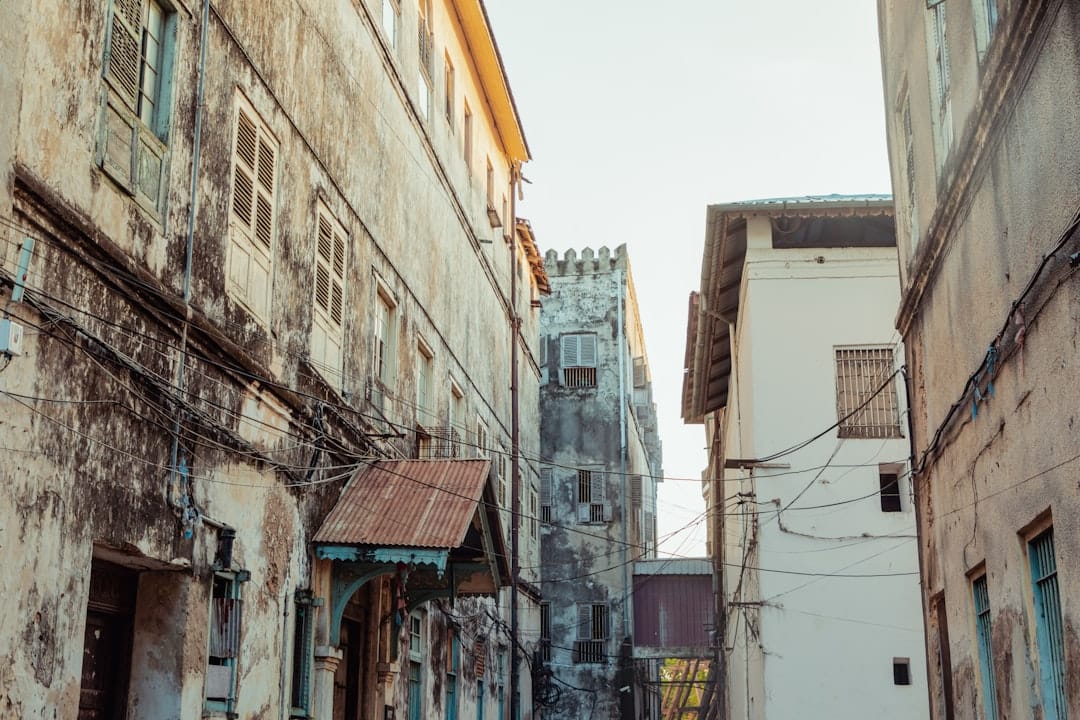
Nairobi is the only capital city on earth where you can watch a lion stalk a zebra with office towers on the horizon. Nairobi National Park sits 7 km from downtown, and a black rhino grazing against the skyline is a genuinely ordinary sight here, not a postcard trick. Most travelers treat the city as a one-night airport stop before flying to the Masai Mara. That is a mistake. Give Nairobi two or three full days and you get wild rhino, orphaned elephants at bottle-feeding time, hand-fed endangered giraffes, a first-rate national museum, and a food scene built on charcoal-grilled meat and Swahili-coast fish, all within a 30-minute Bolt ride of each other. This guide covers exactly where to go, what it costs in 2026, and how to skip the parts that waste your time.
🦁 Essential Experiences
Nairobi National Park
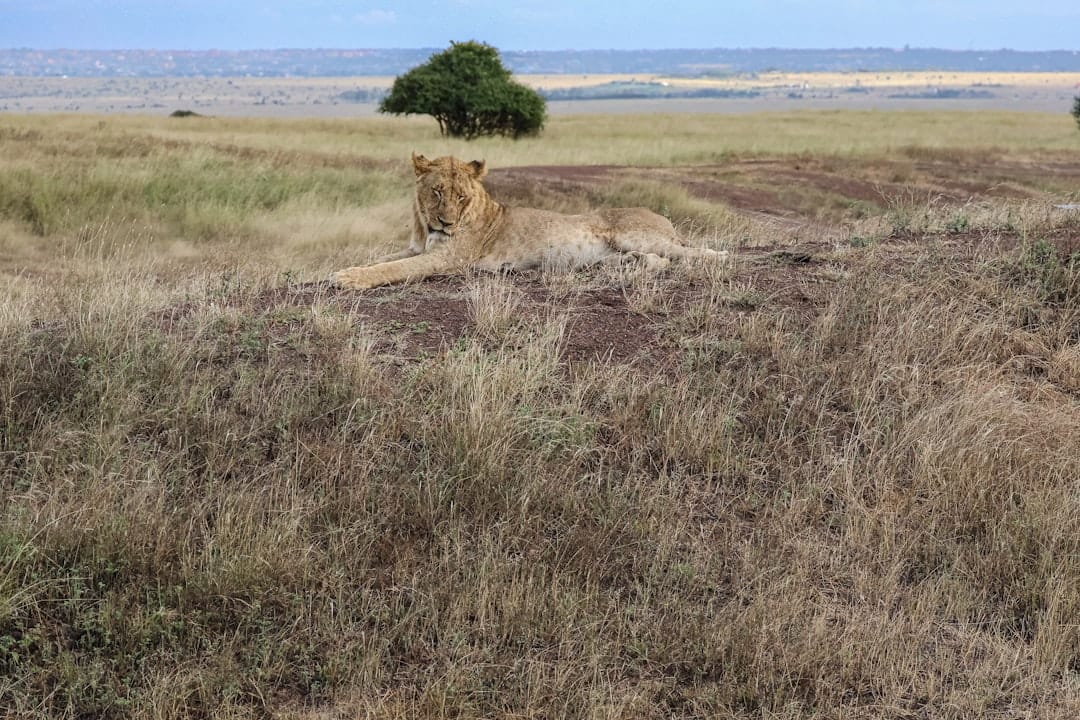
This is the reason to build a Nairobi stopover into your trip rather than treat it as dead time. The 117-square-kilometre park is fenced on three sides and open to the south, so wildlife moves in and out freely: lions, black and white rhino, buffalo, giraffe, zebra, and over 500 bird species live here, with the Nairobi skyline as the backdrop. There are no elephants (the park is too small), but the rhino population is one of Kenya's densest. A morning game drive of three to four hours is realistic, and you can be back in the city for lunch.
Insider tip: Enter at the main gate on Langata Road at 6:00 AM when it opens, not at 9:00 AM. Predators are active in the cool early hours and the tour vans haven't arrived yet. Pay your KWS conservation fee online through the eCitizen portal before you go to skip the queue at the gate.
Cost: Non-resident adults USD 80 (about €74), children USD 40, per day. If you self-drive you also pay a small vehicle fee (KES 600 for a car under six seats); on a guided tour the vehicle is included in your package.
Sheldrick Wildlife Trust Elephant Orphanage
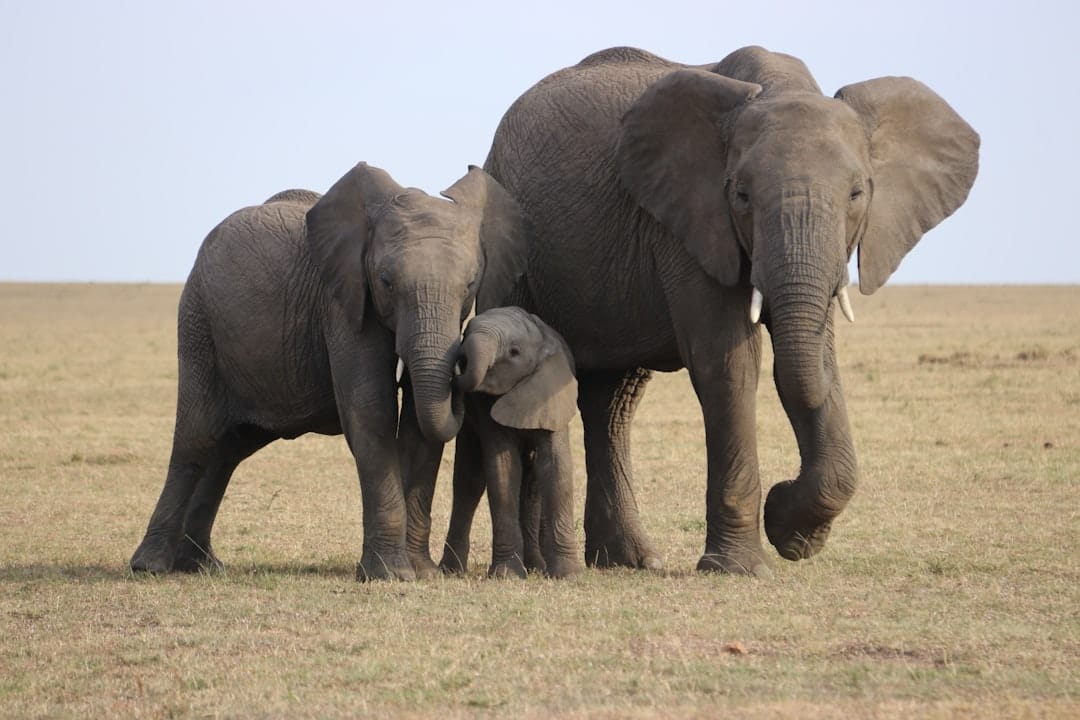
Inside the northern edge of Nairobi National Park, the Sheldrick Trust hand-raises orphaned elephant calves whose mothers were lost to poaching or drought, then rewilds them years later in Tsavo. The public visit is a single hour, and it is worth arranging your day around. Keepers lead the calves out for a mud bath and bottle-feed, narrating each animal's rescue story while the youngest ones barrel into visitors' legs.
Insider tip: Booking is mandatory and must be done by email in advance — same-day walk-ups are turned away. The visit runs every day except 25 December, from 11:00 AM to 12:00 noon only, so you cannot combine it with a full morning game drive; do the park first for a dawn drive, exit, and time your arrival for 11. Fostering a calf online (from USD 50/year) gets you into a quieter afternoon visit.
Cost: Minimum donation USD 20 (about €18) for adults 12 and over, USD 5 for children, paid in cash on arrival. You also pay the separate KWS park entry fee to reach the orphanage via the Mbagathi Gate.
Giraffe Centre
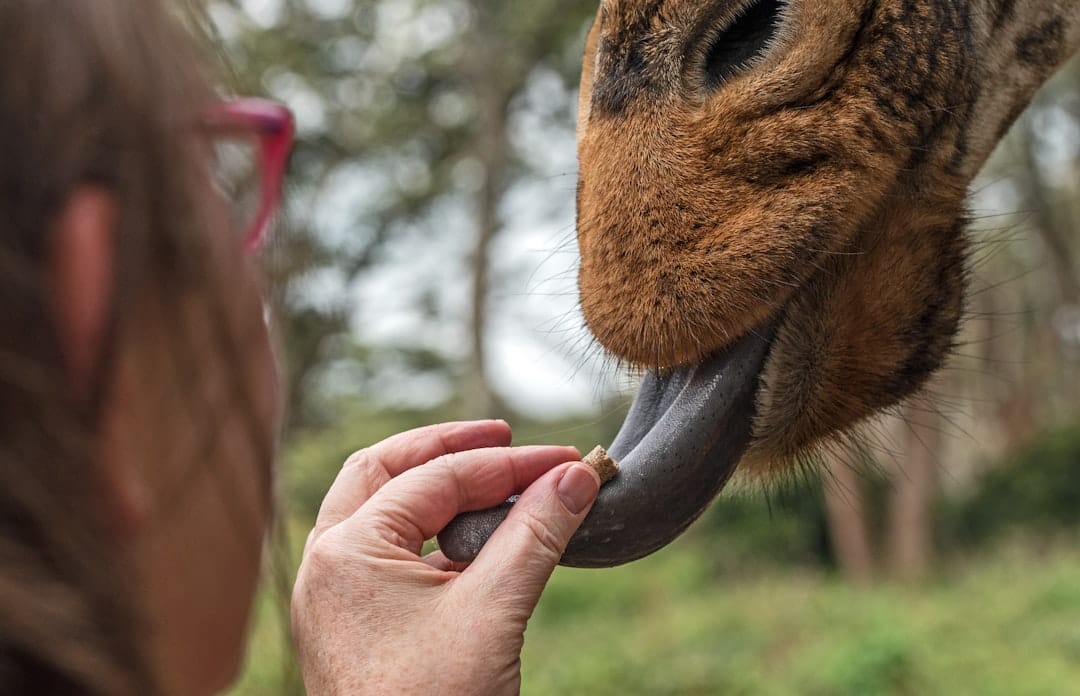
Run by the African Fund for Endangered Wildlife in Langata, this is a conservation programme for the Rothschild's giraffe, a subspecies down to a few hundred individuals in Kenya. You climb a raised wooden platform to eye level with the giraffes and feed them pellets from your hand — their 45-centimetre tongues do the rest. It is touristy and it is also genuinely charming, and the entry money funds the breeding programme.
Insider tip: Go right at 9:00 AM opening or after 3:30 PM; midday brings tour-bus crowds and the giraffes get full and lose interest in feeding. Skip the "giraffe kiss" (holding a pellet in your lips) unless you want giraffe saliva on your face — it is not more hygienic than it sounds. Warthogs root around under the platform for dropped pellets.
Cost: Non-resident adults KES 1,500 (about USD 12 / €11), children KES 750. Open daily 9:00 AM to 5:00 PM, last entry around 4:45 PM.
Karen Blixen Museum
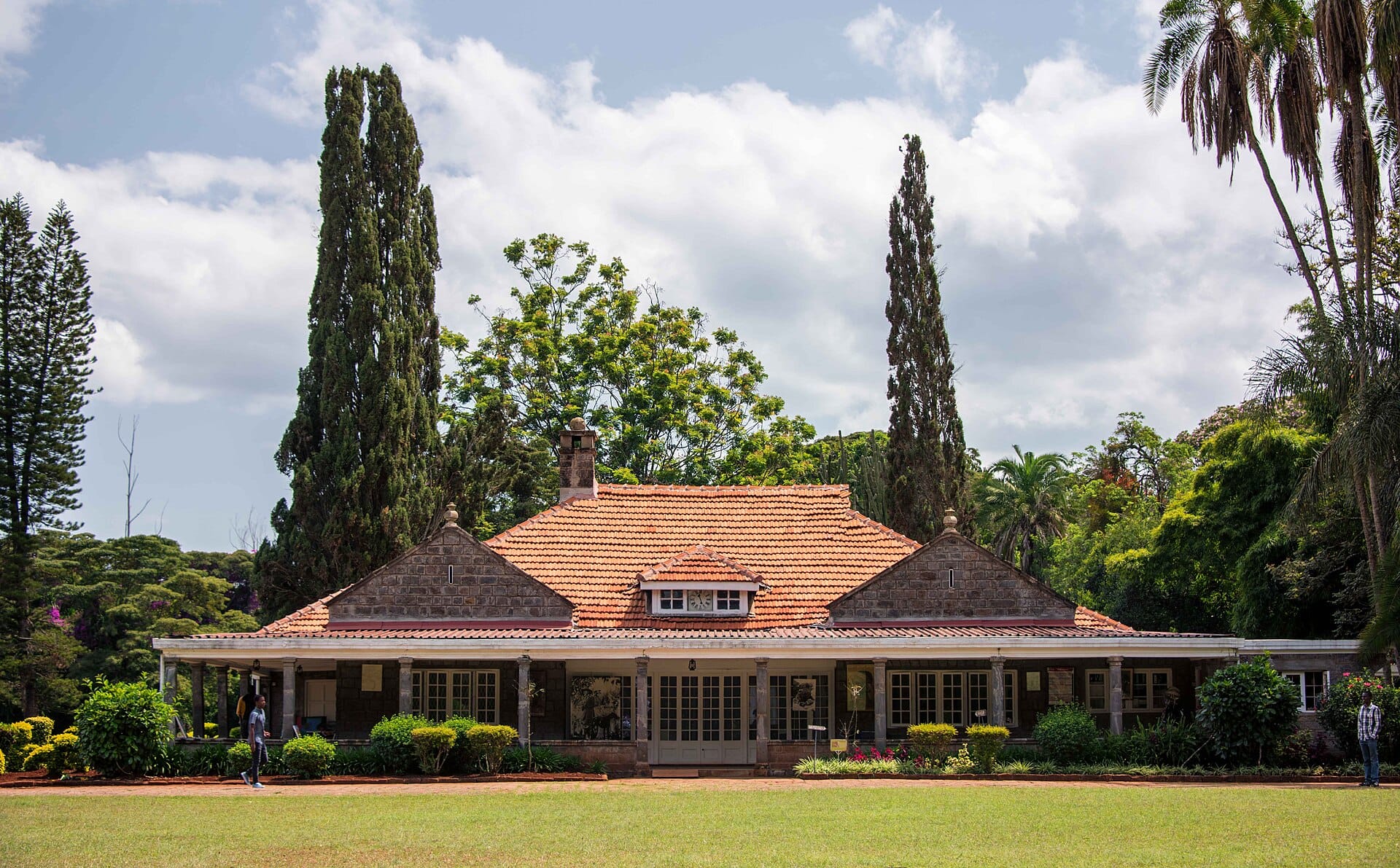
The 1912 farmhouse where the Danish author of Out of Africa ran a coffee plantation from 1917 to 1931 sits at the foot of the Ngong Hills in the leafy suburb that now bears her first name. The house is preserved with original furniture and Blixen's belongings, and the guided walk-through (included in the ticket) is short but well told. Even if you have never read the book or seen the Meryl Streep film, the grounds and the view toward the Ngong Hills are a calm counterpoint to the city.
Insider tip: The guides work for tips and give a much better tour if you show interest; budget 45 minutes. Photography inside the house is restricted, so save your battery for the garden. Combine it with Kazuri Beads and the Giraffe Centre — all three are within a few kilometres in Karen and Langata.
Cost: Non-resident adults USD 17 (about €16), children USD 8. Open daily 8:30 AM to 5:30 PM.
Nairobi National Museum
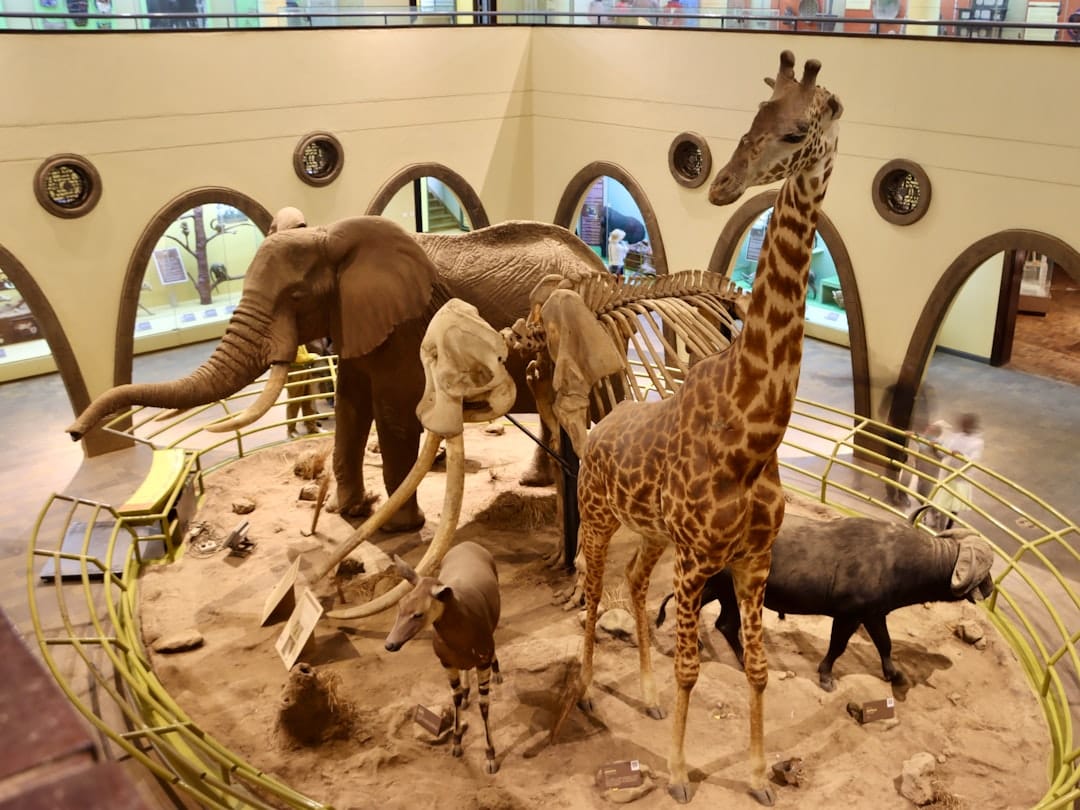
On Museum Hill, a 10-minute drive from the CBD, this is the best single primer on Kenya you can get in two hours. The human-origins hall displays casts of hominid fossils from the Turkana Basin — the Rift Valley is one of the richest fossil regions on the planet — alongside a strong ethnography section and the wildlife art of Joy Adamson. The bird gallery, with over 900 mounted specimens, is oddly hypnotic. An adjoining Snake Park houses live Kenyan reptiles for a small extra fee.
Insider tip: Start upstairs with the prehistory and Cradle of Humankind galleries before the school groups arrive around 10:30 AM. The garden café is a decent, safe lunch stop. Skip the Snake Park if you are short on time — the museum itself is the draw.
Cost: Non-resident adults USD 18 (about €17), children and students USD 10. Open daily 8:30 AM to 5:30 PM.
Bomas of Kenya
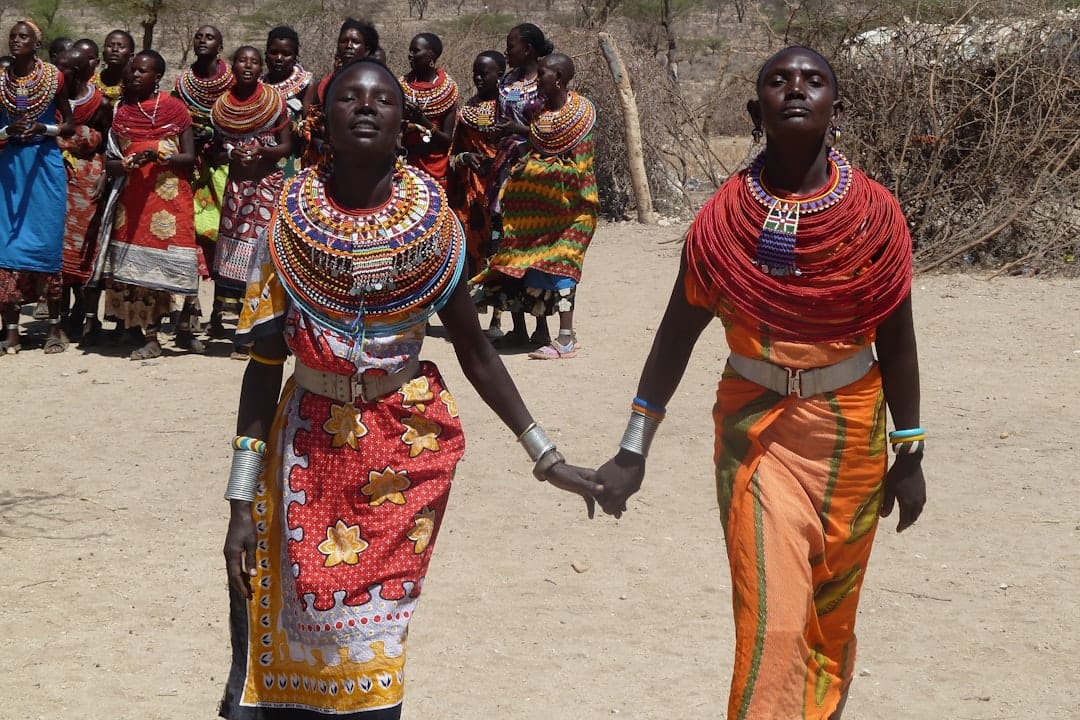
"Bomas" means homesteads, and this cultural centre near the Langata gate of Nairobi National Park reconstructs traditional villages of Kenya's major ethnic groups. The reason to come is the afternoon performance: a resident troupe runs through dozens of traditional songs and dances from across the country in a large domed theatre, including acrobatics and drumming. It is staged, but the musicianship is real and it is the most efficient way to see Kenya's cultural range in one sitting.
Insider tip: The show starts at 3:30 PM daily and runs about an hour — arrive by 3:00 PM for a seat near the front, because the back rows lose the detail. Walk through the reconstructed homesteads before the performance, not after, when everyone is leaving at once.
Cost: Non-resident adults KES 1,500 (about USD 12 / €11), children KES 800.
Kazuri Beads & Pottery Centre
In Karen, Kazuri (Swahili for "small and beautiful") started in 1975 as a workshop for two single mothers and now employs hundreds of women hand-rolling and hand-painting ceramic beads and pottery. The short factory tour walks you from raw Kenyan clay through rolling, kiln-firing, glazing and stringing, and it is one of the few tourist stops in the city that is also a functioning fair-trade employer. The workshop tour is free or a token fee; the point is the story and the shop.
Insider tip: Prices in the on-site shop are fixed and support the cooperative directly, so this is where to buy your ceramic jewellery rather than haggling for lower-quality copies at a market. Go on a weekday when the workshop is actually running — weekends the studios are quiet.
Cost: Workshop tour is complimentary or a nominal fee; purchases vary.
The Maasai Market
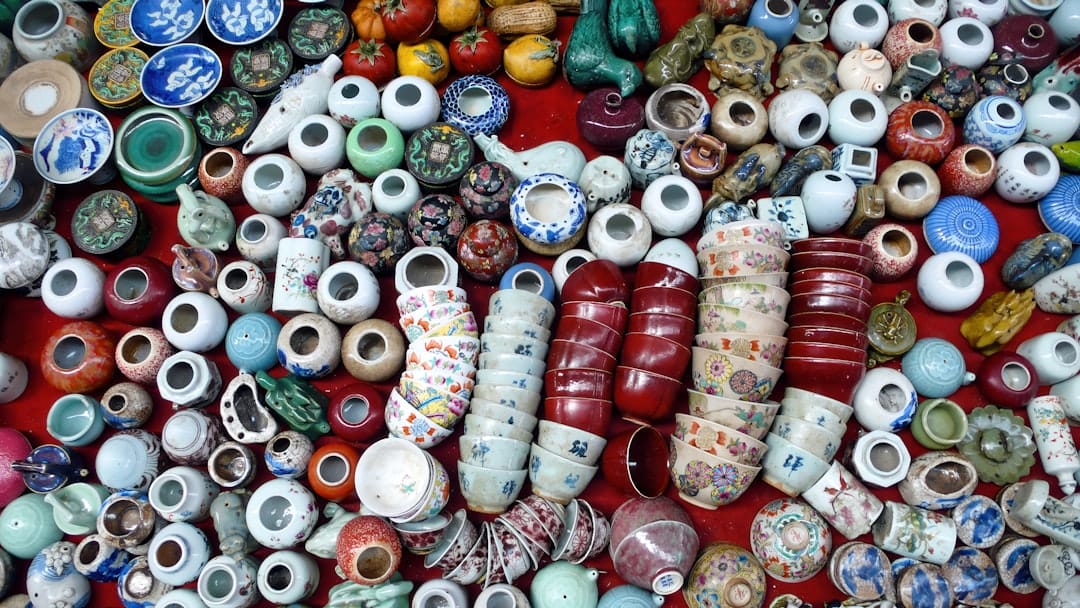
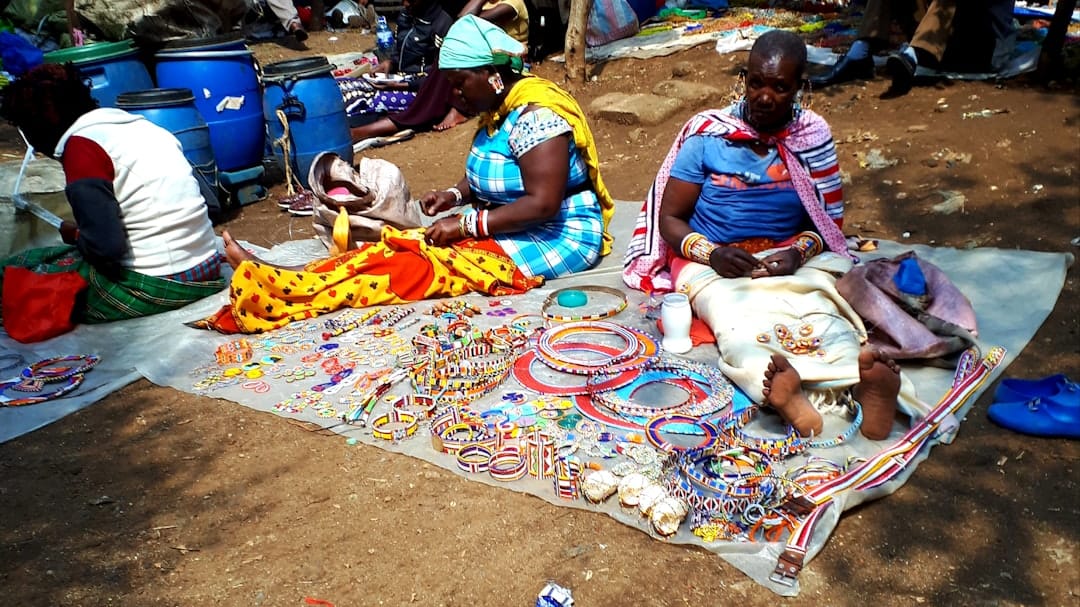
This is not a fixed building but a roving open-air craft market that sets up in a different location each day of the week: Tuesday on Kijabe Street in the CBD, Wednesday and Friday at Village Market in Gigiri, Thursday at the Junction Mall on Ngong Road, Saturday in the High Court parking lot downtown (the biggest), and Sunday around Yaya Centre. Expect beaded jewellery, soapstone carvings, Maasai shukas (the checked blankets), wood carvings and kikoi fabric.
Insider tip: Bargaining is expected and aggressive. Open at 40 to 50 percent of the first quoted price, stay friendly, and be willing to walk — vendors will call you back. Decide your ceiling before you start. The Saturday High Court market has the most selection but also the most hustle; a weekday market is calmer for first-timers.
Cost: Free to enter; a beaded bracelet runs KES 200–500 after bargaining, a soapstone carving KES 500–1,500, a shuka KES 500–1,000.
🗓️ A 3-Day Itinerary
Day 1 — Wildlife on the city's doorstep
Start before dawn. Be at the Nairobi National Park main gate for the 6:00 AM opening for a three- to four-hour game drive (non-resident entry USD 80). Exit by around 10:30 AM and drive 10 minutes to the Sheldrick Wildlife Trust for the 11:00 AM–12:00 noon elephant orphanage visit (USD 20, booked by email in advance; you re-enter through the Mbagathi gate). Grab lunch in Karen, then spend the afternoon at the Giraffe Centre (KES 1,500) feeding Rothschild's giraffes, a five-minute drive away. Dinner at Carnivore on Langata Road for the all-you-can-eat nyama choma feast (KES 4,800, about USD 38). Total for the day's entries: roughly USD 120 / €110 per person plus meals.
Day 2 — Colonial history and Kenyan culture
Late-morning start. Karen Blixen Museum (USD 17) for the Out of Africa farmhouse and Ngong Hills view, then Kazuri Beads a few minutes away for the workshop tour and fair-trade shopping. Have lunch at a Karen café, then head to Bomas of Kenya for the 3:30 PM cultural dance performance (KES 1,500) near the Langata park gate. In the evening, go to Westlands for dinner — Nyama Mama for a modern Kenyan menu, or drinks and a food-truck crowd at The Alchemist. Budget around USD 35 / €32 in entries plus meals and transport.
Day 3 — Museum, forest and markets
Begin at the Nairobi National Museum on Museum Hill (USD 18) when it opens at 8:30 AM, spending two hours on the human-origins and ethnography halls. Mid-morning, drive to Karura Forest (non-resident KES 700, about USD 5) for a two-hour walk to the Karura waterfall and caves — a genuine forest inside the city. In the afternoon, hit whichever Maasai Market is running that day for souvenirs and bargaining practice. If it is a Saturday, the big High Court market downtown is your stop. Close the trip with Swahili-coast seafood or a final plate of nyama choma. Entries about USD 25 / €23.
🧠 Essential Tips
Best months to visit
Nairobi sits at 1,795 metres, so it is mild year-round and never tropical-hot. The two dry windows are the sweet spots. January and February are warm and sunny (25–28°C) with good wildlife visibility and thinner crowds. July to October is the long dry season — cooler (20–25°C) and the peak safari period, since it overlaps the Great Migration in the Masai Mara, an easy add-on from Nairobi. Avoid the long rains of March to May, when April in particular brings heavy afternoon downpours that muddy the park tracks. The short rains of November and December are lighter and often just brief showers. One packing note: June to August mornings can drop to 11–13°C, so bring a fleece for dawn game drives.
Getting in from the airport and around town
From Jomo Kenyatta International Airport (JKIA), a Bolt or Uber to the city runs KES 800–1,500 (about USD 6–12) off-peak, though surge pricing during rush hour or holidays can push it to KES 2,500 or more. The new Nairobi Expressway (a toll road) has cut the airport-to-CBD run to as little as 20 minutes outside rush hour. A registered airport taxi is a fixed KES 2,500–3,000. Bolt and Uber are what to use for everything — they are cheap, metered, and far safer than the alternatives; the local app Little also works well. Nearly everything is paid via M-Pesa mobile money, so having a small M-Pesa float or cash on hand helps. Matatus (the painted minibuses) are the cheap local network but are pickpocket-prone and confusing for visitors — admire them, don't rely on them.
Safety, specifically
Nairobi's risks are real but manageable and mostly opportunistic. Phone snatching is the single most common crime against visitors — phones are grabbed from hands on the street, so don't walk and scroll, especially in the CBD. Avoid the Central Business District on foot after dark; it empties out and gets dodgy. Skip Eastleigh and the eastern low-income districts unless you have a local host. In slow traffic and at gates, keep car windows up and doors locked, as carjacking, while uncommon for tourists, does happen. Book safaris and day tours only through established operators with verifiable reviews — cut-price "safari deals" hawked on the street are a known scam. The simple rule that removes most risk: use Bolt or Uber door-to-door and don't flash valuables.
What to eat
Kenyan food centres on nyama choma, charcoal-grilled goat or beef ordered by weight and eaten with ugali (a stiff maize staple) and kachumbari (a tomato-onion relish). The famous tourist version is Carnivore in Langata, an all-you-can-eat carvery (KES 4,800) that grills lamb, pork ribs, chicken, and farm-raised ostrich and crocodile — theatrical and worth doing once. For the real thing, go where locals go: Mama Oliech in Hurlingham for whole fried tilapia and ugali, or K'Osewe Ranalo Foods in the CBD for Luo-style fish and traditional stews. Don't miss sukuma wiki (braised collard greens), mukimo (mashed potato, peas and greens), and street snacks like mandazi (fried dough), samosas and mutura (grilled sausage). Wash it down with Kenyan AA coffee, some of the best beans in the world, grown a few hours north.
🏨 Accommodation Guide
Budget (USD 18–90 / night): The CBD and the Milimani area have the cheapest beds — hostels, guesthouses and simple hotels. You trade neighbourhood polish for price and central access; fine if you are out at the parks all day. Book somewhere with secure parking and 24-hour reception.
Mid-range (USD 120–320 / night): Westlands is the best base for most travelers — walkable, full of restaurants and nightlife, and packed with solid hotels like the Sankara. In the CBD, the historic Sarova Stanley (home of the century-old Thorn Tree Café) and the Nairobi Serena deliver colonial-era grandeur with modern rooms. Gigiri's Tribe Hotel, in the diplomatic quarter, is a stylish mid-to-upper option near the UN.
Luxury (USD 300–900+ / night): For the classic Nairobi splurge, head to Karen. Hemingways Nairobi is a colonial-style all-suite hotel below the Ngong Hills; House of Waine is a smaller boutique manor; and the legendary Giraffe Manor — where resident Rothschild's giraffes poke their heads through the breakfast-room windows — commands top rates and books out months ahead. In Westlands, the Villa Rosa Kempinski is the city's leading business-luxury tower.
🎭 Beyond the Tourist Trail
Once you have done the wildlife circuit, Nairobi rewards a bit of wandering. Karura Forest, over 1,000 hectares of indigenous woodland ringed by the city, is the local weekend escape: walking and mountain-biking trails, caves used by Mau Mau fighters, and a waterfall, all for a KES 700 non-resident entry (open 6:00 AM–6:00 PM). Kitengela Glass, a recycled-glass art studio near the park's southern boundary, is a gloriously ramshackle compound of mosaic paths, hand-blown glassware and a rope-and-plank footbridge over the Mbagathi River — part workshop, part fever dream, and refreshingly uncurated.
For nightlife and creative Nairobi, The Alchemist in Parklands/Westlands is the cultural hub — food trucks, live music, art, and a Sunday market that draws the city's young crowd. Watch for Blankets & Wine, a long-running open-air music festival that rotates venues and pulls in top East African acts; check the current date before you travel, as it runs on selected Sundays rather than a fixed schedule. This is the Nairobi that residents actually spend their weekends in, and it costs a fraction of the wildlife attractions.
❤️ Let VoyaBear Plan Your Nairobi Trip
Nairobi packs wild rhino, hand-fed giraffes, orphaned elephants, deep history and a serious food scene into a few compact days — but the timing is the whole game. The elephant orphanage is one hour a day and needs advance booking; the best game drives start at dawn; and the Maasai Market moves venue every day of the week. Getting the sequence right is the difference between a smooth trip and a lot of Nairobi traffic. VoyaBear builds personalized, day-by-day itineraries that lock in your bookings, match the season to what you want to see, and stitch Nairobi into a wider Kenya safari if you want one. Tell us your dates and your pace, and we will handle the logistics so you can spend your time watching lions instead of refreshing a maps app. Start planning your Nairobi trip with VoyaBear today.