VoyaBear


Zanzibar is where you can eat a folded, pan-fried "pizza" for a dollar at a seafront night market, then walk five minutes to the underground chamber where enslaved people were held before auction on the same spot a cathedral now stands. This is Unguja, the main island of the Zanzibar archipelago, 25 miles off the Tanzanian coast in the Indian Ocean. Most people come for the postcard: bathwater-warm turquoise water and flour-white sand at Nungwi and Kendwa. That part is real. But the island earns its stripes in Stone Town, a labyrinth of coral-rag houses and 200-year-old carved doors that has been a UNESCO World Heritage Site since 2000, built on centuries of Omani, Indian, Persian, and African trade in cloves, ivory, and human beings.
Here is the honest framing for 2026. The famous House of Wonders — the giant white palace on the waterfront — partially collapsed in December 2020 and is still a scaffolded reconstruction site, so you admire it from outside, not in. The beaches on the east coast (Paje, Jambiani) mostly vanish at low tide, which is a feature if you kitesurf and a disappointment if nobody told you. And the island runs on cash and negotiation, not apps and meters. Get those expectations right and Zanzibar is one of the best-value tropical destinations on earth: a giant tortoise costs $4 to visit, a plate of octopus in coconut curry runs under $15, and a boutique room inside a restored merchant's mansion is a fraction of what the same character would cost in the Mediterranean. Here's how to do it properly.
🏛️ Essential Experiences
Get lost in Stone Town on purpose
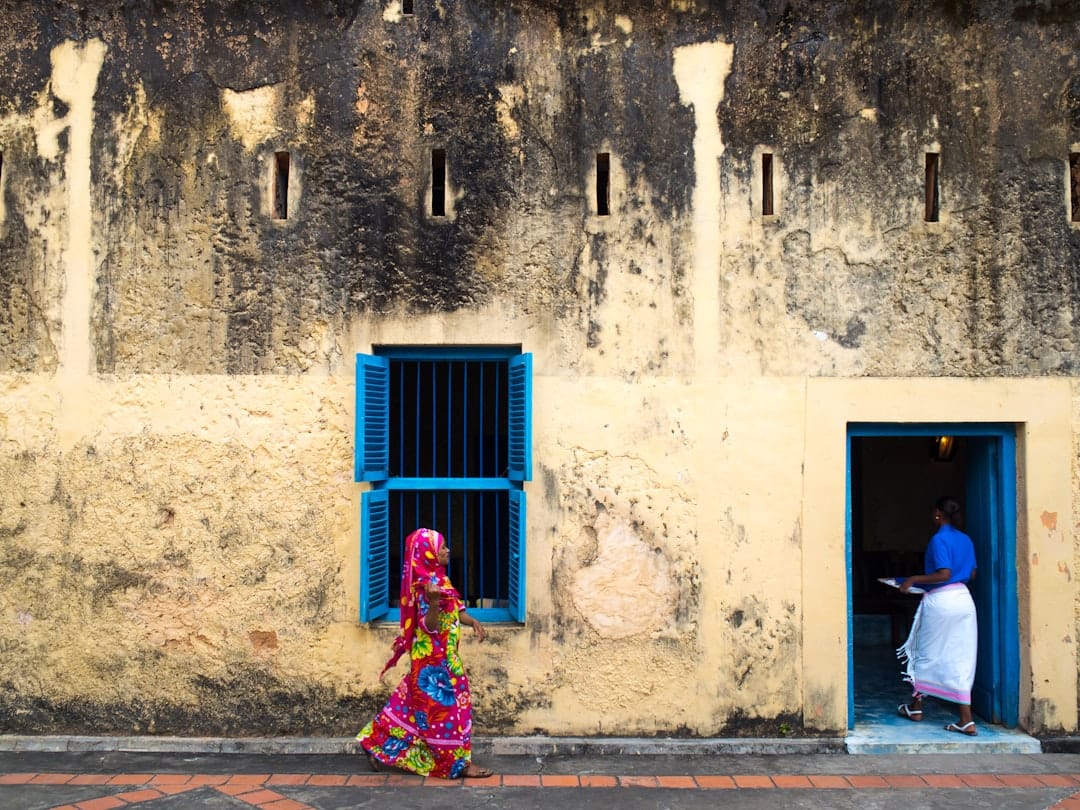
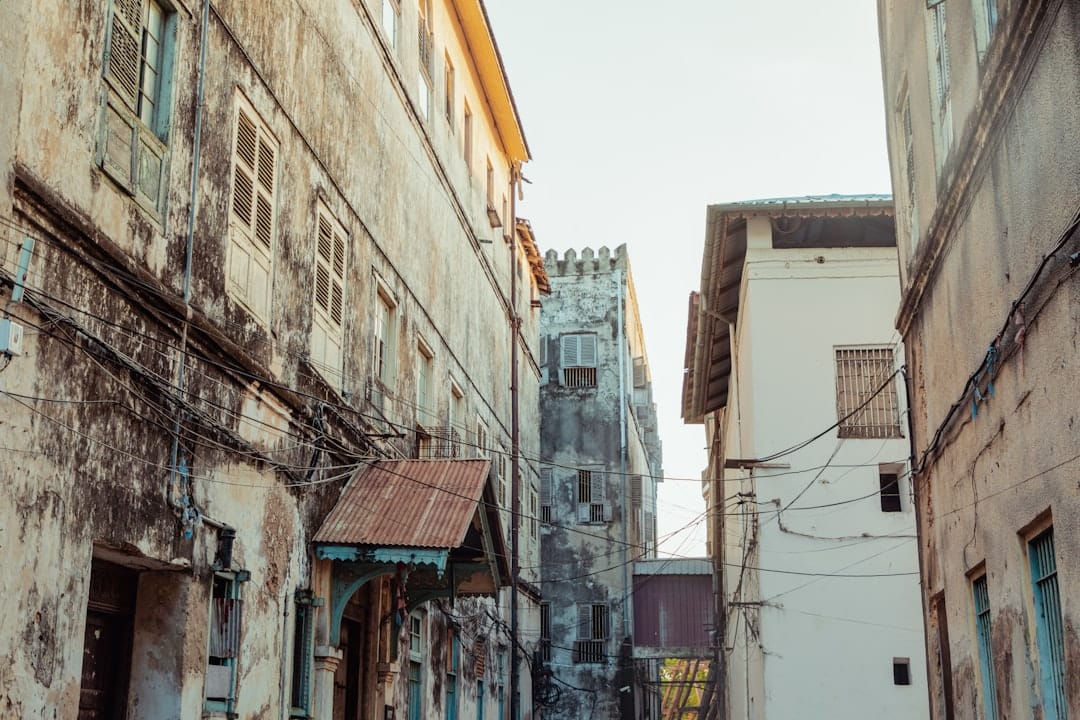
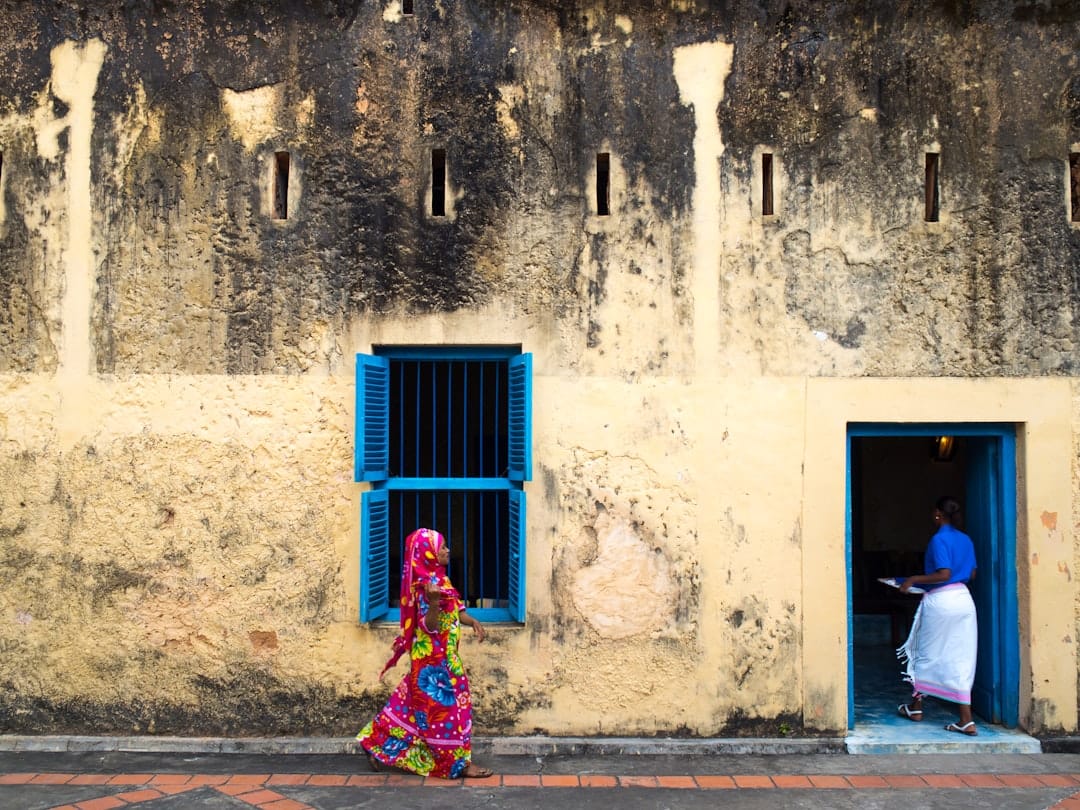
Stone Town isn't a single monument; it's the walking around. The old quarter is a deliberate maze — narrow lanes that don't run straight, built partly to confuse and slow down invaders and to keep the sun off. You will get lost, and that's the point. The signature detail is the doors: heavy carved wooden doors, some with brass spikes (an Indian design originally meant to stop war elephants, kept here purely for status), the rectangular frames typically Arab and the rounded tops typically Indian. The best density is around Kajificheni and the streets behind Forodhani. Insider tip: do this in the first two hours after sunrise or the last hour before sunset — midday heat is brutal and the light is flat. There's no ticket to the town itself; a half-day guided Stone Town walk runs about $20–$30 per person if you want the history decoded, but you can also just wander for free and let yourself get turned around.
The Old Slave Market and Christ Church Cathedral
This is the single most important stop in Zanzibar, and it is not a pleasant one. Christ Church Cathedral was built by the Universities' Mission to Central Africa in the 1870s directly on the site of East Africa's largest slave market, which the British pressured the Sultan into closing in 1873. The altar reportedly stands where the whipping post once did. Behind the cathedral, two low underground chambers survive where dozens of people were held in the dark before sale; a small East Africa Slave Trade Exhibition tells the fuller story with restraint. Outside is Clara Sornas's memorial sculpture of figures chained in a pit. Cost: around $4–$5 per person, open daily roughly 8:00–17:00, ticket covers the cathedral, the slave chambers, and the exhibition. Tip: take the guide offered at the ticket office — the chambers mean little without the context, and it's the one place on the island where a guide genuinely changes the visit.
Forodhani Night Market
Every evening from about 6pm, the seafront Forodhani Gardens fill with grills and folding tables. This is where you eat "Zanzibar pizza" — not a pizza at all, but a thin sheet of dough loaded with minced meat, onion, egg, and cheese, folded into a parcel and fried on a flat-top ($1.20–$2). Get one from the "Mr. Mango" stall, which has the reputation locals point you to. Also hunt down urojo, the so-called Zanzibar mix — a tangy turmeric-and-mango soup with fritters, potato, and coconut chutney ($1–$2) — and mishkaki, grilled meat skewers ($0.80–$1.60). Tip: skip the pre-cut seafood platters sitting out under lights; order things cooked to order in front of you, and carry small shilling notes because nobody at a grill is breaking a large bill or taking a card.
The Freddie Mercury Museum
Farrokh Bulsara — Freddie Mercury of Queen — was born in Stone Town in 1946 to a Parsi family, and this small museum near Kenyatta Road tells that story across a few rooms of family photos, a timeline from his Zanzibar childhood to London, record sleeves, and replica gold discs. Be clear-eyed: most items are reproductions, the exact house of his birth is disputed, and you'll be in and out in 20–30 minutes. It's worth it if you're a fan or curious about the island's cosmopolitan Parsi history, less so otherwise. Cost: about $10 for adults, $6 for children, open daily roughly 10:00–18:00. Tip: bring cash — card machines here are unreliable — and go around Friday midday prayers when the streets are quietest.
Prison Island (Changuu) and its giant tortoises
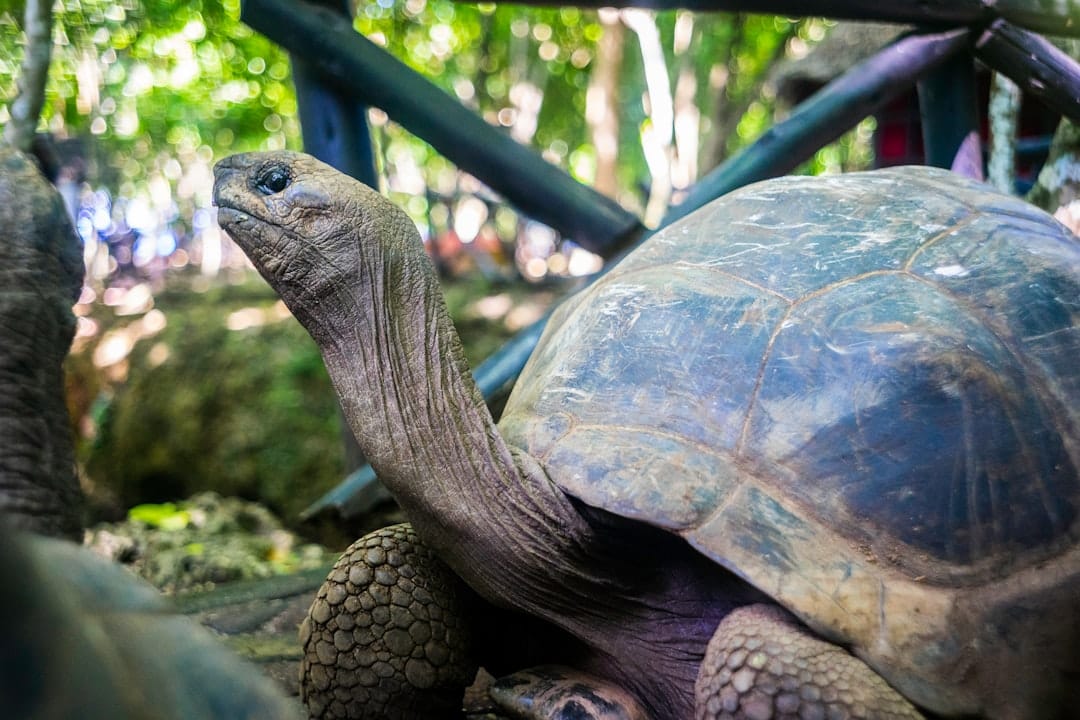
Twenty to thirty minutes by boat off Stone Town sits Changuu, built as a prison for "rebellious slaves" in the 1860s and later a quarantine station — but the reason to go is the colony of Aldabra giant tortoises, a gift from the Seychelles in 1919. Several are over 100 years old, tagged with their birth years; you can walk among them and feed them spinach. There's also decent snorkeling and a small beach. Cost: island entry is about $4 per person; there is no public ferry, so you negotiate a private wooden boat directly with captains on the beach by Forodhani, roughly $20–$30 for the boat (not per person), and they wait 2–3 hours to bring you back. Tip: don't book a $50+ packaged "tour" for this — arrange the boat yourself at the waterfront and pay the island fee on arrival. Combine it with the Nakupenda sandbank for about $50–$70 per boat if you want a half-day on the water.
Jozani Forest and the red colobus monkey
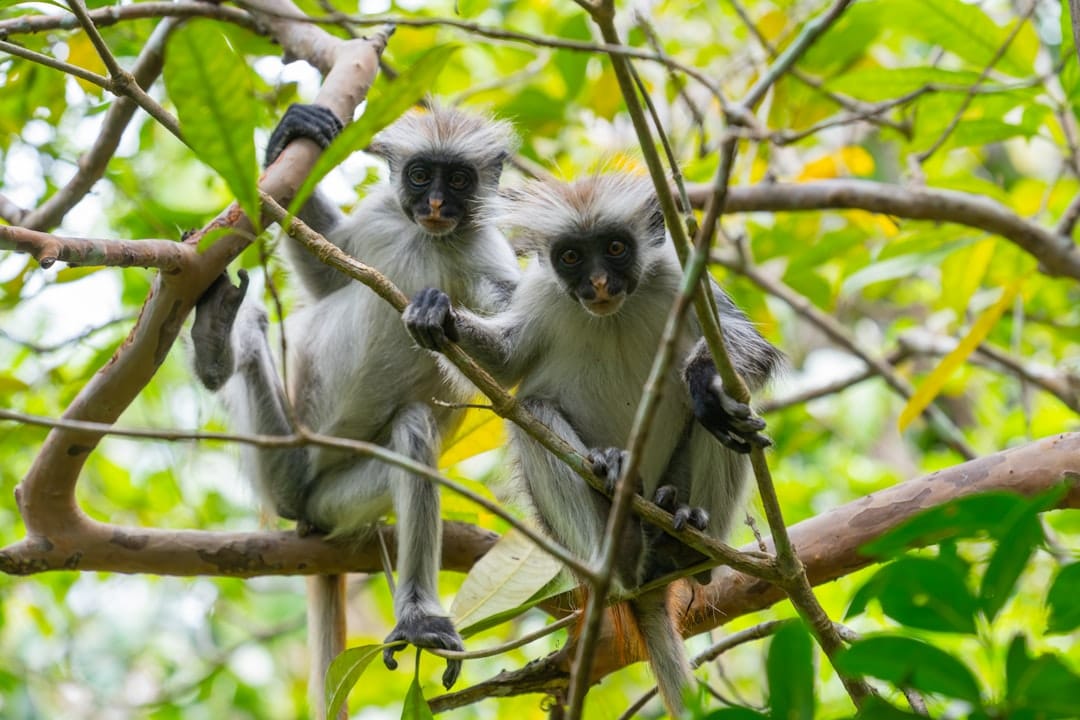
About 35 km south of Stone Town (45 minutes) is Jozani-Chwaka Bay National Park, the last stand of the Zanzibar red colobus — an endangered monkey found nowhere else on earth. They're habituated and unbothered by people, so you'll get within a few meters of troops feeding in the canopy. The ticket also includes a raised boardwalk through a mangrove forest that most visitors skip and shouldn't. Cost: around $10 per adult, which includes an official guide; open daily 7:30–17:00. Tip: arrive by 8:30am. The monkeys forage actively in the cool morning and retreat high into the trees by late morning, which is exactly when the tour buses pull in. Wear closed shoes for the mud, and don't hand money to unofficial "fixers" at the gate — your fee already covers the ranger.
A spice farm tour
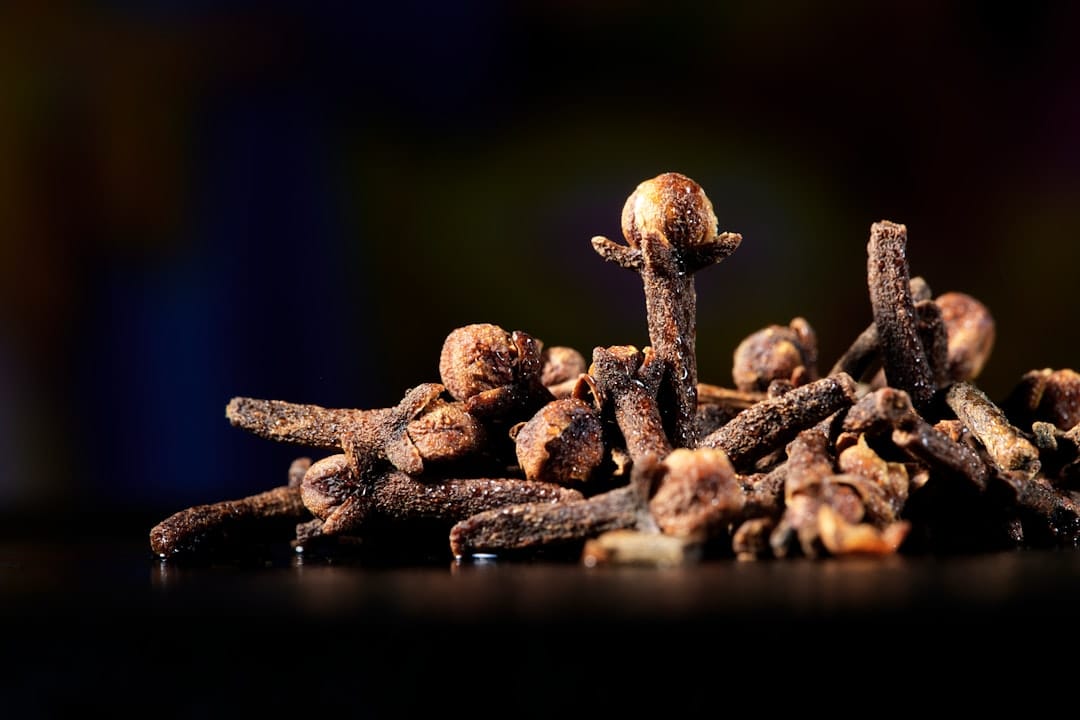
Zanzibar was the world's largest clove producer for a century, and the "Spice Islands" name still means something. A half-day spice farm tour — most run from Stone Town — walks you through growing cloves, nutmeg, cinnamon bark, cardamom, vanilla, and the lipstick-red annatto pod, with a guide who scratches and crushes leaves so you smell each one, usually ending with a tasting of tropical fruit and a spiced lunch. It's touristy and it's also genuinely informative about the crop that built the island's fortunes and its slave economy. Cost: roughly $10–$25 per person for a half day depending on group size and whether lunch is included. Tip: tip the young men who weave you palm-leaf hats and frogs at the end — it's their income, not a free add-on — and go in the morning before the heat peaks.
The northwest beaches: Nungwi and Kendwa
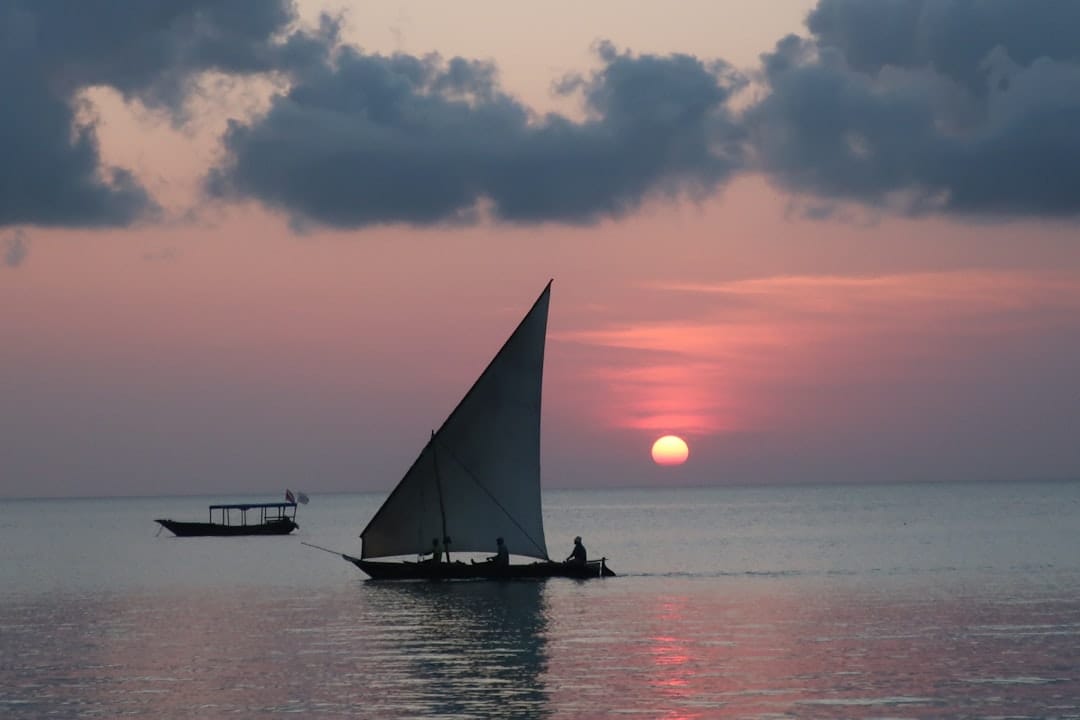
If you want to actually swim, go northwest. Unlike the east coast, Nungwi and Kendwa sit where the tide barely retreats, so the water stays deep and swimmable all day — the reason nearly every serious beach resort clusters here. Nungwi is busier, with a working dhow-building beach and dive shops; Kendwa, a 20-minute walk south, is calmer by day and hosts the famous Kendwa Rocks full-moon beach party. Sunsets face west over open ocean, which sounds obvious until you realize most of Zanzibar's beaches face east and don't get them. Tip: Kendwa for swimming and sunset drinks, Nungwi for diving and boat trips; the two are close enough to base in one and visit the other on foot at low tide. Beach clubs charge Western prices for cocktails ($6–$10) but the sand and water are free.
🗓️ A 3-Day Itinerary
Day 1 — Stone Town's history and its night market
Start early while it's cool. Walk to the Old Slave Market and Christ Church Cathedral for opening (~8:00, $4–$5) and give it a proper hour with a guide. From there, wander north through the lanes toward the Darajani Market — the chaotic covered market where locals buy fish, spices, and everything else; go before 10am when the fish is fresh and the crowds thinner. Loop past the exterior of the House of Wonders and the adjacent Old Fort (free to enter the courtyard). Break for lunch at Lukmaan Restaurant, a local canteen institution where a plate of pilau or biryani with kingfish runs $2–$5. Spend the hot afternoon slowly — the Freddie Mercury Museum ($10), a rooftop coffee, or a nap. As the sun drops, get to the Forodhani Night Market for Zanzibar pizza and skewers ($5–$8 will stuff you), and watch local kids backflip off the seawall into the harbor. Day total, excluding your room: roughly $25–$40.
Day 2 — Prison Island and a spice farm
Negotiate a boat at the Forodhani waterfront in the morning and cross to Prison Island (boat ~$20–$30, entry $4). Spend an hour or two with the giant tortoises and snorkeling off the beach, back by lunch. In the afternoon, join a spice farm tour ($10–$25) on the outskirts of town for the clove-and-cinnamon walk and fruit tasting. Back in Stone Town, splurge on dinner at a rooftop restaurant like Emerson Spice's Tea House (book ahead; a set dinner runs roughly $35–$45) for sunset over the rooftops, or keep it cheap at another Forodhani run. Day total: roughly $45–$90 depending on dinner.
Day 3 — Jozani Forest, then the beach
Leave Stone Town by 7:30am to reach Jozani Forest ($10) for the 8:30 window when the red colobus are active; a private taxi for the round trip is about $40–$50, or bundle it into a tour. From Jozani you're already on the road to the coast: continue southeast to Paje for lunch and to watch the kitesurfers, or transfer north to Nungwi/Kendwa for an afternoon swim and a west-facing sunset. If you're flying out, note the airport is only 15 minutes from Stone Town, so you can squeeze a full beach afternoon in. Day total: roughly $55–$80 including transport and lunch.
🧠 Essential Tips
When to go
The main dry season is June to October — clear skies, monthly rainfall around 35–53mm, days around 28–30°C, and it lines up with mainland safari season if you're combining the two. It's also the busiest and priciest stretch, especially July through September. January and February are an underrated short dry window: hot (often above 32°C) but roughly 30% cheaper, and February brings Sauti za Busara, East Africa's biggest music festival, staged inside Stone Town's Old Fort in mid-February. Avoid late March through May, the long rains, when April alone averages around 230mm across roughly 18 wet days and some smaller places close; November brings shorter rains (~102mm) and shoulder-season prices with mostly decent weather.
Getting around
The airport (ZNZ) is about 5–8 km from Stone Town — a 15-minute taxi for a fixed ~$15, arranged at the official rank outside arrivals. The cheapest option is the route 505 dala-dala (shared minibus) for around $0.15, running roughly 05:00–17:00, but with no luggage space it's impractical straight off a flight. For getting around, taxis have no meters — always agree the price before you get in. Bolt launched in Zanzibar and works reasonably well inside Stone Town (mostly tuk-tuks and motorbikes, cars are scarce), but it's unreliable in the beach areas like Nungwi and Paje, so don't count on it there. Between towns, dala-dalas are dirt cheap and an experience; for comfort and time, negotiate a private taxi or a shared transfer through your hotel.
Safety, scams, and etiquette
Zanzibar is generally safe, but two things matter. First, this is a conservative Muslim society: away from the beach and resorts, cover shoulders and knees — this isn't optional courtesy in Stone Town's residential lanes, and topless sunbathing is not acceptable on public beaches. Second, the common hassle is the "papasi" — freelance touts and unofficial guides who latch on offering tours, spice trips, or boats. They're rarely dangerous but persistent; a firm "hapana asante" (no thank you) and booking through your hotel or an established operator avoids inflated prices. Don't hand over full payment for a tour up front, watch for "closed today, but I know another place" redirects, and use ATMs inside banks. Tap water isn't safe to drink; stick to bottled or filtered.
Food worth crossing town for
Beyond the Forodhani night market, seek out pweza wa nazi — octopus simmered in coconut milk with lime, cardamom, and cinnamon ($8–$15), the island's signature dish. The most scenic place to eat it is The Rock, a tiny restaurant perched on a coral outcrop off Michamvi Pingwe on the east coast that you reach on foot at low tide or by boat at high tide (book ahead; it's a splurge and as much about the setting as the food). For everyday eating, Lukmaan in Stone Town does honest Swahili plates — pilau, biryani, kisamvu (cassava leaves) — for $2–$5. Don't leave without a mandazi, a cardamom doughnut sold from street carts, best bought warm before 9am.
🏨 Accommodation Guide
Budget ($15–$50/night): Stone Town and the southeast village of Paje are 30–50% cheaper than the northern resort beaches. Hostel dorms run $8–$15, simple guesthouses $20–$40, and basic beachfront bungalows in Paje or Jambiani $30–$50. You trade a pool for character and location.
Mid-range ($60–$200/night): This is Zanzibar's sweet spot. In Stone Town, boutique hotels inside restored merchant mansions — Emerson Spice is the standard-bearer, with a rooftop restaurant — run roughly $100–$200. On the beach, a hotel with a pool at Nungwi, Kendwa, or Matemwe lands around $60–$150. Paje and Jambiani suit kitesurfers and a younger, laid-back crowd.
Luxury ($200–$800+/night): The Park Hyatt Zanzibar sits on the Stone Town seafront with the town's best waterfront position. Out on the beaches, resorts run $200–$500 and private villas $400–$800+; the far northeast (Matemwe, Michamvi) buys you the most seclusion, while Nungwi and Kendwa put you closest to nightlife and swimmable water at any tide.
🎭 Beyond the Tourist Trail
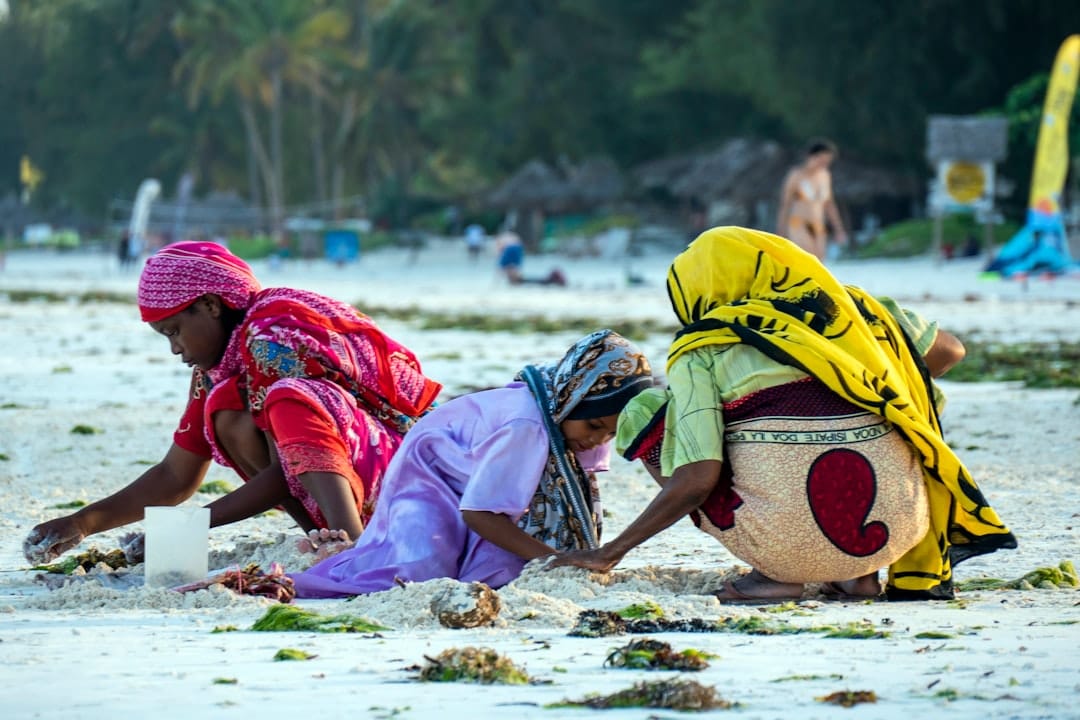
Skip nothing on the classic list, but leave room for the quieter island. Jambiani, just south of buzzy Paje on the southeast coast, is still a working Swahili fishing and seaweed-farming village where women harvest seaweed at low tide and a handful of family-run guesthouses and homestays let you actually meet people rather than watch them from a lounger. Further south at Kizimkazi, boats go out at dawn to find resident bottlenose and humpback dolphins — go with an operator that keeps distance rather than chasing them into the pod. For a dated event to plan around, Sauti za Busara takes over the Old Fort for four days in mid-February with East African bands until late — the single best time to see Stone Town alive after dark. And back in town, the Darajani Market at 8am — fish being auctioned, spices weighed on hand scales, the whole island buying breakfast — is the least curated, most honest hour you'll spend in Zanzibar, and it's free.
❤️ Let VoyaBear Plan Your Zanzibar Trip
Zanzibar rewards travelers who get the details right — the right beach for the tide, the right season for the price, the boat you negotiate yourself instead of the packaged tour. That's exactly what we do. VoyaBear builds personalized, fact-checked itineraries around how you actually want to travel, whether that's a Stone Town history deep-dive, a kitesurfing base in Paje, or a honeymoon split between the reef and the ruins. Tell us your dates and your style, and we'll handle the logistics — transfers, timing, and the spots worth your money. Start planning your Zanzibar trip with VoyaBear today.