VoyaBear


🏙️ Why Taipei Belongs on Your 2026 Itinerary
Taipei is the rare capital where you can eat a NT$60 plate of braised-pork rice at lunch, soak in a sulphur hot spring fed by the volcanic Tatun hills by late afternoon, and watch the sunset ignite a 508-metre skyscraper from a hiking trail 20 minutes from the subway — all on a metro system where the base fare is NT$20 and trains run to the second. The city sits in a basin ringed by mountains at the northern tip of Taiwan, which means green peaks are visible from most street corners and a hot-spring valley steams away inside the city limits.
What makes Taipei worth the flight in 2026 is the density of good, cheap, real things to do. The night markets are not tourist theatre — locals eat at them nightly. The National Palace Museum holds the world's best collection of Chinese imperial art because it was shipped here in 1949, one crate ahead of the Communist advance. And Taipei consistently ranks among Asia's safest large cities: violent crime is rare, women travel solo comfortably, and you can use your phone on the MRT without a second thought. This guide is built from verified 2026 prices, hours, and transit fares, so you can plan without guessing.
🗺️ Essential Experiences
Taipei 101 and its Observatory
From 2004 to 2010 this was the tallest building on Earth, and it still defines the skyline. The draw isn't just height — it's the 660-tonne golden tuned mass damper hanging between the 87th and 92nd floors, a giant pendulum that counteracts typhoon winds and earthquakes and is one of the few in the world visible to the public. The observatory ticket covers the indoor 89th floor and, weather permitting, the open-air 91st floor. A pressure-controlled elevator hauls you from the 5th floor to the 89th in about 37 seconds.
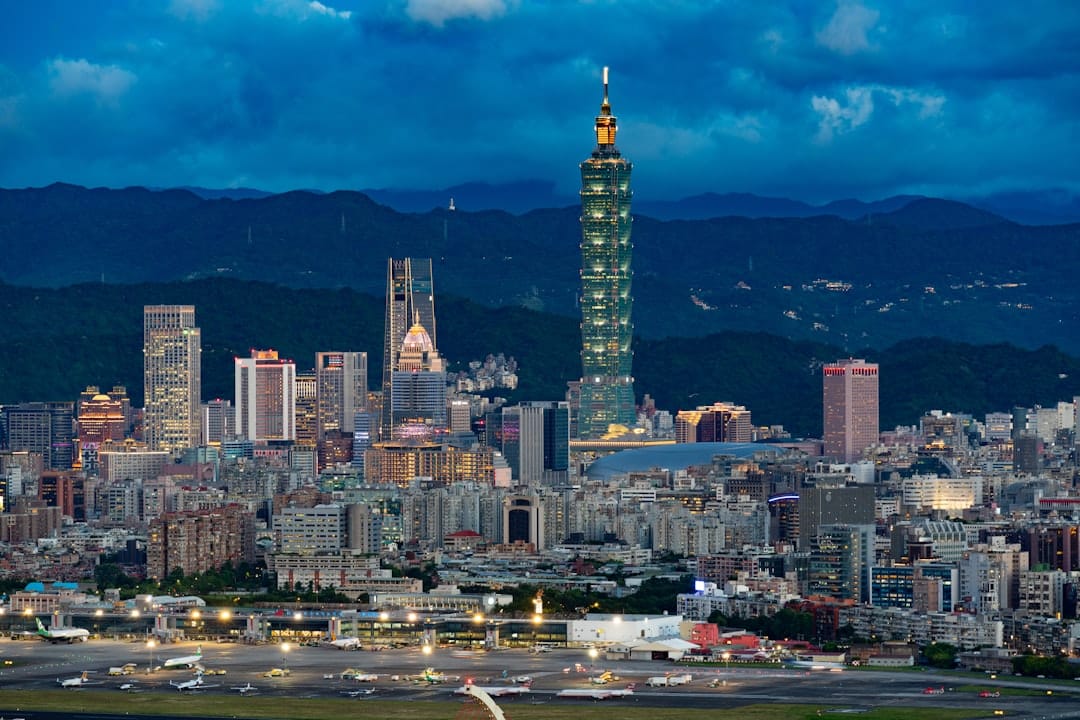
What it costs: Standard observatory admission is NT$600 (about US$19 / €17). The add-on Skyline 460 open-air deck on the 101st floor runs NT$980 (about US$31 / €28). Open daily 11:00–22:00, last entry 21:15.
Insider tip: Go about 45 minutes before sunset so you catch the city in daylight, the sky changing colour, and the lights coming on — then stay for the night view. Buy tickets online in advance and ignore any street tout selling cheap "Taipei 101 tickets," a known counterfeit scam. If you'd rather not pay at all, the 5th-floor food court and the mall's Din Tai Fung give you a sense of the building for free.
The National Palace Museum
This is the single best museum in Taiwan and arguably the finest collection of Chinese art anywhere: nearly 700,000 pieces of imperial jade, bronze, calligraphy, painting and porcelain, most of it evacuated from Beijing's Forbidden City in 1949. Because only a fraction can be shown at once, the displays rotate — but the two crowd-favourite carvings, the Jadeite Cabbage (a single piece of jade carved to look like a cabbage with a hidden grasshopper) and the Meat-shaped Stone, are the reason tour buses arrive in waves.
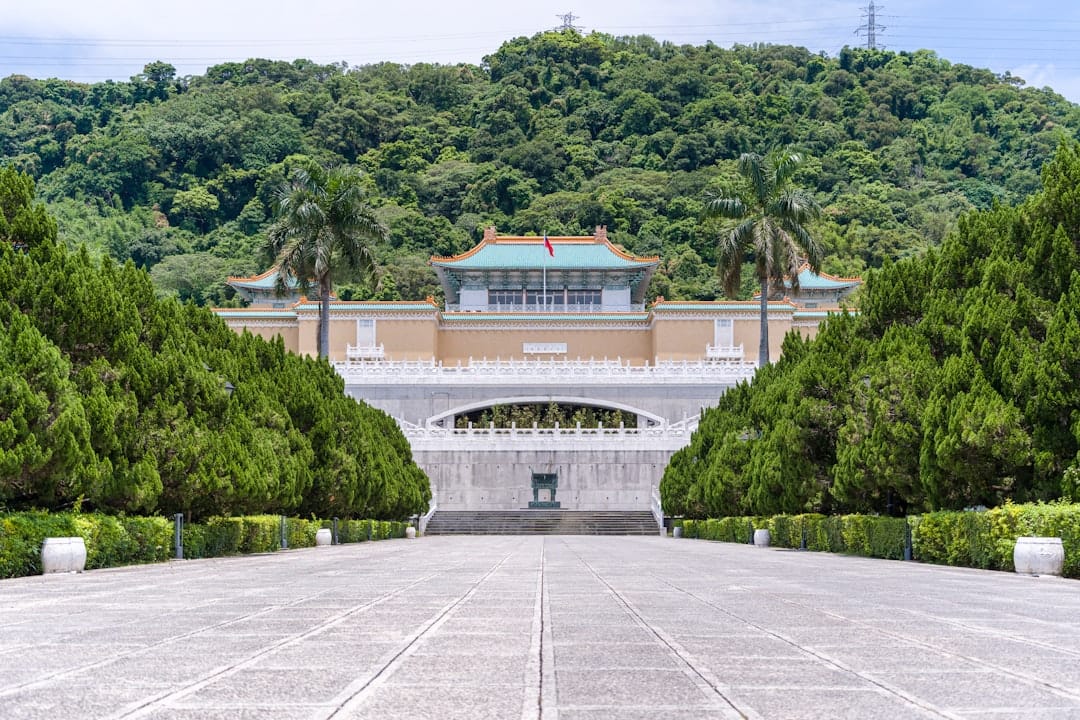
What it costs: General admission is NT$350 (about US$11 / €10); under-18s enter free. Open every day of the year, 08:30–18:30 (until 21:00 Friday and Saturday), last entry 30 minutes before closing.
Insider tip: The museum sits up in Shilin, not central, and tour groups swamp it from roughly 10:00 to noon. Take the MRT to Shilin Station, then bus R30, 255, 304 or minibus to the museum, and arrive right at 08:30 or after 15:00 to have the galleries to yourself. Head straight upstairs to the jade and go back for the cabbage once the first bus rush thins out.
Chiang Kai-shek Memorial Hall and Liberty Square
A 70-metre white hall topped with a blue octagonal roof, reached across one of the largest public plazas in Asia, flanked by the National Theater and National Concert Hall in traditional Chinese palace style. Inside sits a giant bronze statue of the former president, guarded by an honour guard in white. The hourly changing-of-the-guard ceremony — a slow, rifle-spinning drill lasting about five minutes — is the thing to time your visit around. As of 2024 the ceremony was moved outdoors onto Democracy Boulevard, reframing it as ceremonial rather than a tribute to authoritarian rule.
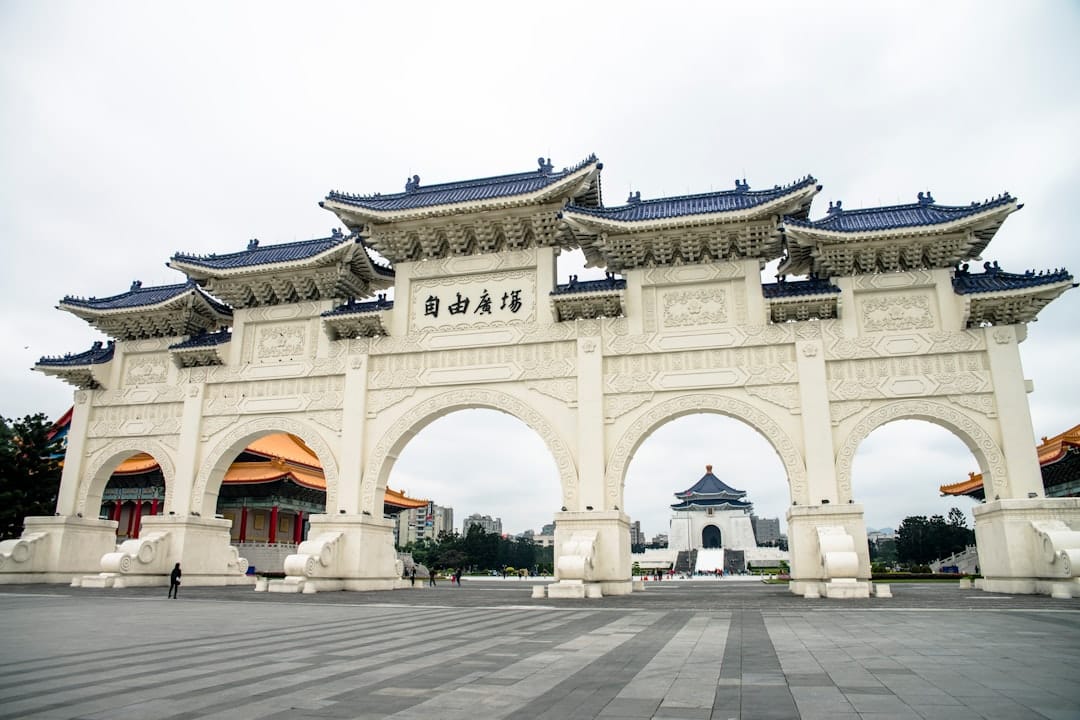
What it costs: Free. The hall is open daily 09:00–18:00; the surrounding square stays open later. Guard changes happen on the hour from 09:00 to 17:00.
Insider tip: Aim for the 09:00 or 17:00 ceremony for the fullest routine, which includes marching the guards to and from their posts. Come via MRT Chiang Kai-shek Memorial Hall Station (Exit 5). The plaza is also the best spot in the city for photos framing the hall's roof against the mountains behind it.
Longshan Temple and old Wanhua
Built in 1738 by Fujianese settlers, Longshan is Taipei's most atmospheric working temple — a dense, incense-thick courtyard where office workers, grandmothers and students crowd in to pray to a mix of Buddhist, Taoist and folk deities under the same roof. The back hall is dedicated to Yue Lao, the matchmaker god, which is why you'll see young people tossing crescent-shaped divination blocks and asking for a red thread to find love.
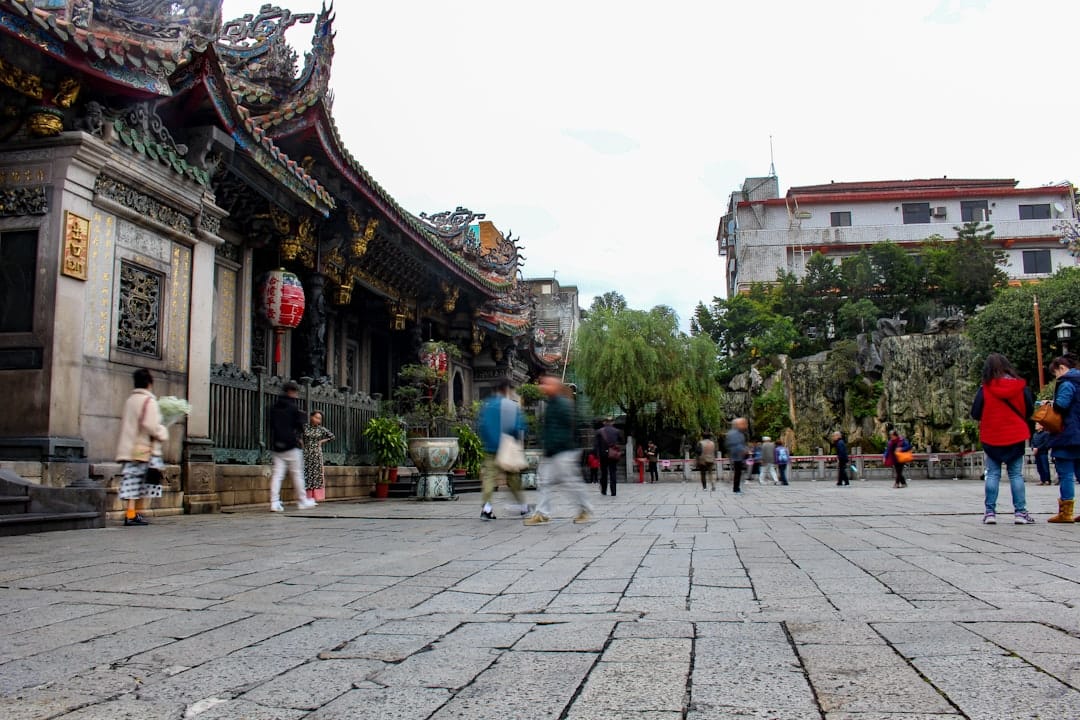
What it costs: Free, open daily roughly 06:00–22:00.
Insider tip: Come around 18:00 when the evening chanting begins and the lanterns switch on — it's far more moving than a midday visit. Watch how locals move (enter through the right "dragon" door, exit through the left "tiger" door, never the centre) and follow their lead. Two minutes' walk away, the restored Qing-era shophouses of the Bopiliao Historical Block are free to wander and make an easy add-on. This is Wanhua, the old heart of the city; it's completely safe by day but the blocks around the temple get seedier late at night.
Elephant Mountain (Xiangshan)
The postcard shot of Taipei 101 rising over the city is taken from here, and it's an easy urban hike, not a mountain expedition. From the trailhead it's a stiff but short climb — mostly stone steps, 20 to 30 minutes to the main viewing rocks — that rewards you with a head-on view of Taipei 101 and the whole basin.
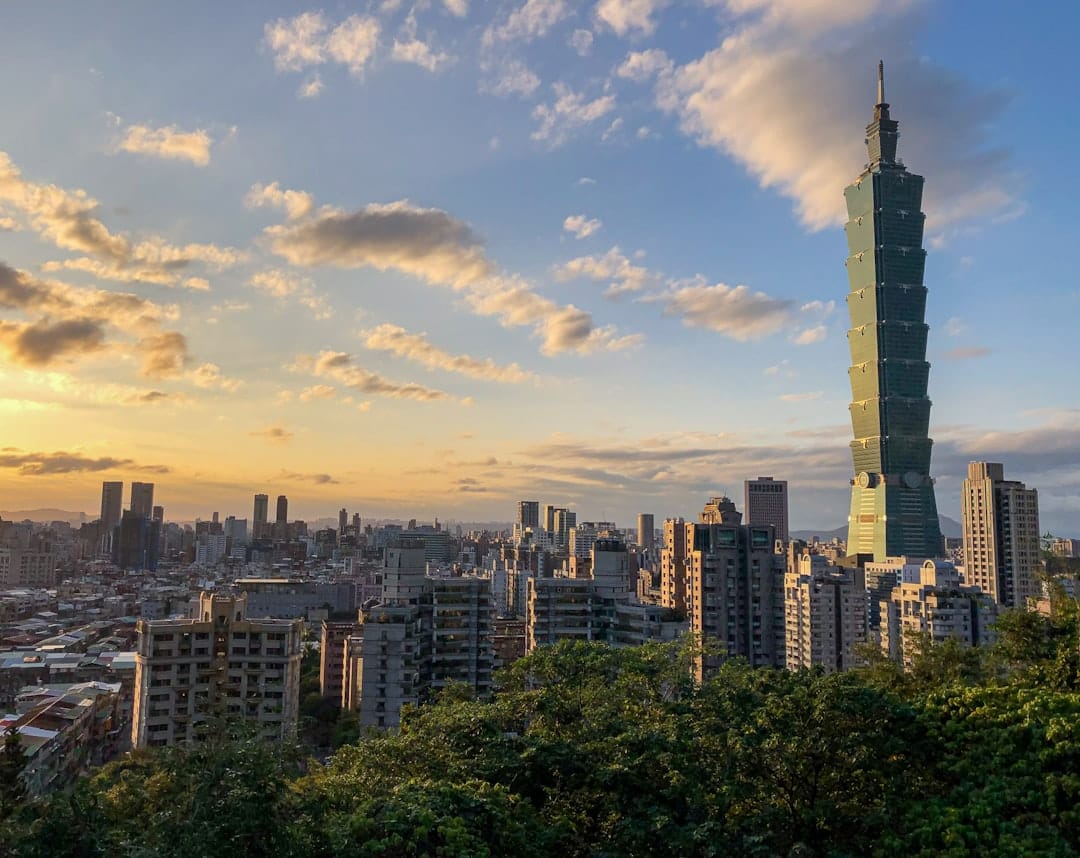
What it costs: Free.
Insider tip: Take the MRT Red Line to Xiangshan, the terminus, leave from Exit 2, and follow the signs about 10 minutes to the trailhead. Arrive 60–90 minutes before sunset to claim one of the big boulders that photographers stand on, and bring water — the steps are relentless and Taipei is humid. Weekends and clear evenings get crowded; a weekday sunset is far calmer. Bring a phone torch for the descent in the dark.
Beitou hot springs and Thermal Valley
Taipei is one of the only major capitals with natural hot springs inside city limits. Beitou, at the end of a two-stop branch line, has been a spa town since the Japanese colonial era, and steam literally rises off the streams running through it. The milky, sulphur-scented Thermal Valley is the source — a jade-green pool hot enough (around 80–100°C) that it once boiled the local "hokutolite" mineral. You can't bathe in the valley itself, but the whole neighbourhood is built around soaking.
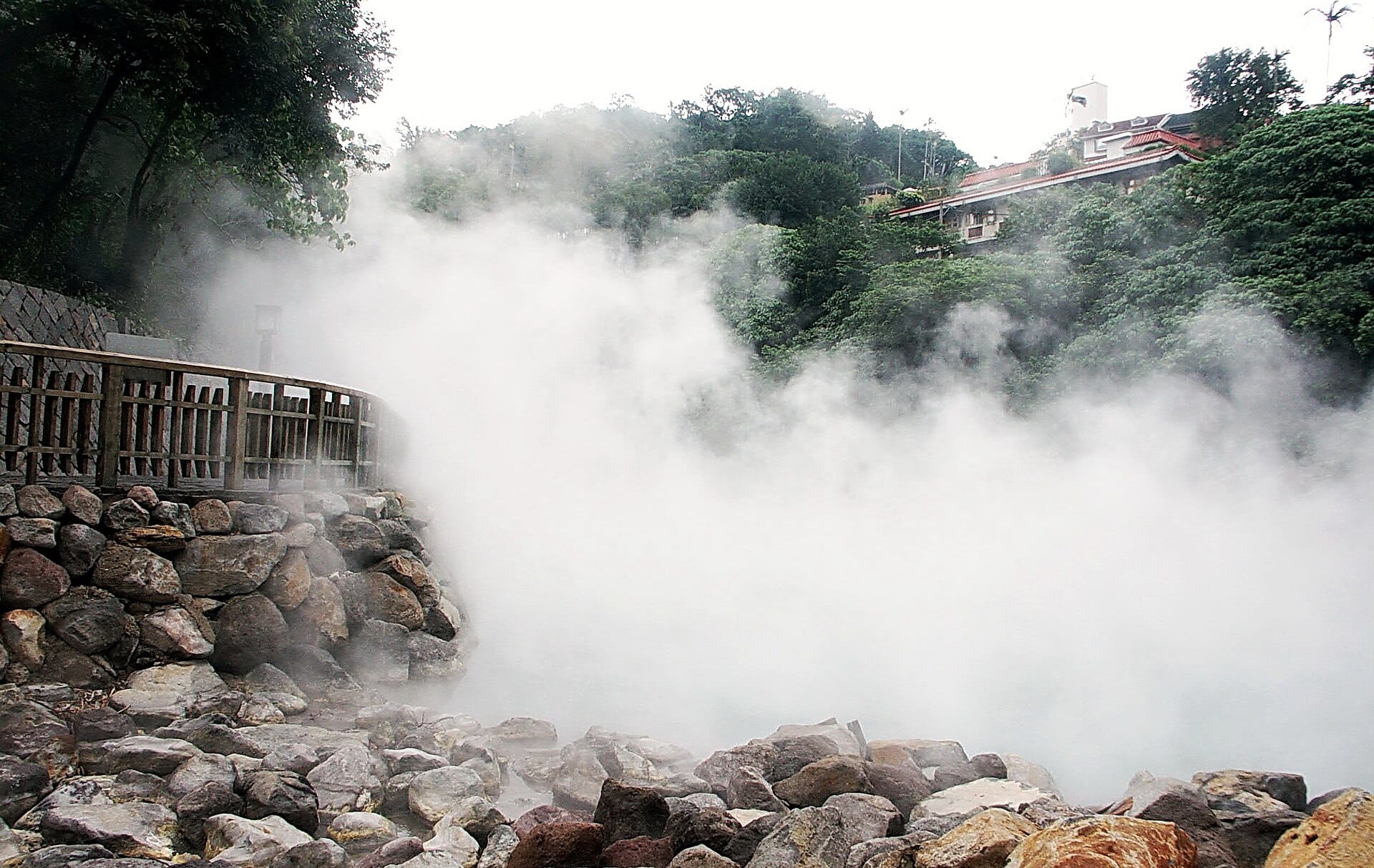
What it costs: Thermal Valley is free to view. Public and hotel spring baths range from budget to luxury; most riverside hotels sell day-use private rooms if the historic public bath is closed for renovation. The free Beitou Hot Spring Museum, in a 1913 Japanese bathhouse, is worth 30 minutes on its own.
Insider tip: Ride the MRT Red Line to Beitou, then change across the platform to the pretty Xinbeitou branch train (one stop). Do the hot springs late afternoon to evening when it's cooler and the steam looks dramatic against the lit lanterns, then eat in the neighbourhood. Bring a towel and, for public baths, a swimsuit — many require one.
The night markets: Shilin and Raohe
Taipei's night markets are the real dinner table of the city. Shilin is the biggest and most famous, a maze of stalls where the specialties are oyster omelette (蚵仔煎), fried chicken cutlets bigger than your face, and, if you dare, stinky tofu. Raohe Street, near Songshan Station, is smaller, easier to navigate in a single straight line, and home to the item worth queuing for: the Fuzhou black-pepper bun (胡椒餅), a pork-and-scallion bun slapped onto the wall of a clay oven and baked until the bottom is crackly.
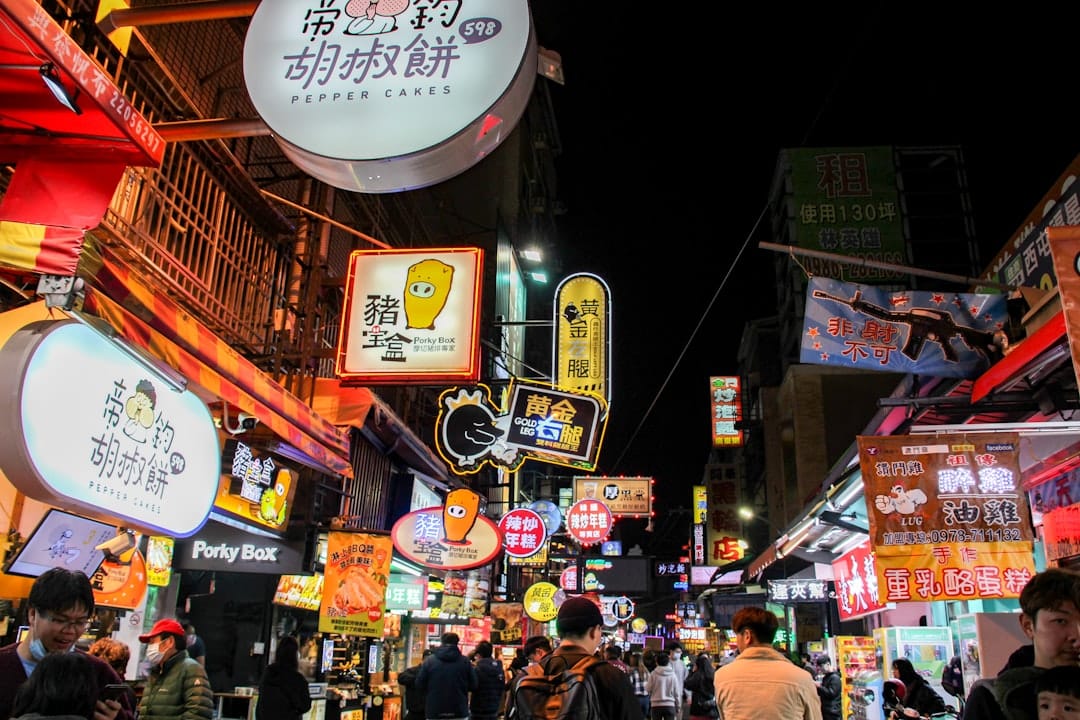
What it costs: Most items run NT$50–150 (US$1.50–5 / €1.40–4.50). Bring cash; many stalls don't take cards.
Insider tip: Go hungry and graze rather than sitting down — the point is to eat one thing per stall and keep moving. At Raohe, the pepper-bun stall (Fuzhou Shizu) is right at the temple end and the queue moves fast. Shilin's underground food court is where the sit-down hawker dishes are. Weeknights around 19:00 are less of a crush than weekends.
Maokong Gondola and the tea hills
A cable car climbs from the city's edge up into the tea-growing hills of Maokong, where terraced slopes of Tieguanyin oolong surround dozens of open-air teahouses. The ride is the attraction as much as the destination — nearly 30 minutes over forest and temples, with "Crystal Cabin" cars that have glass floors.
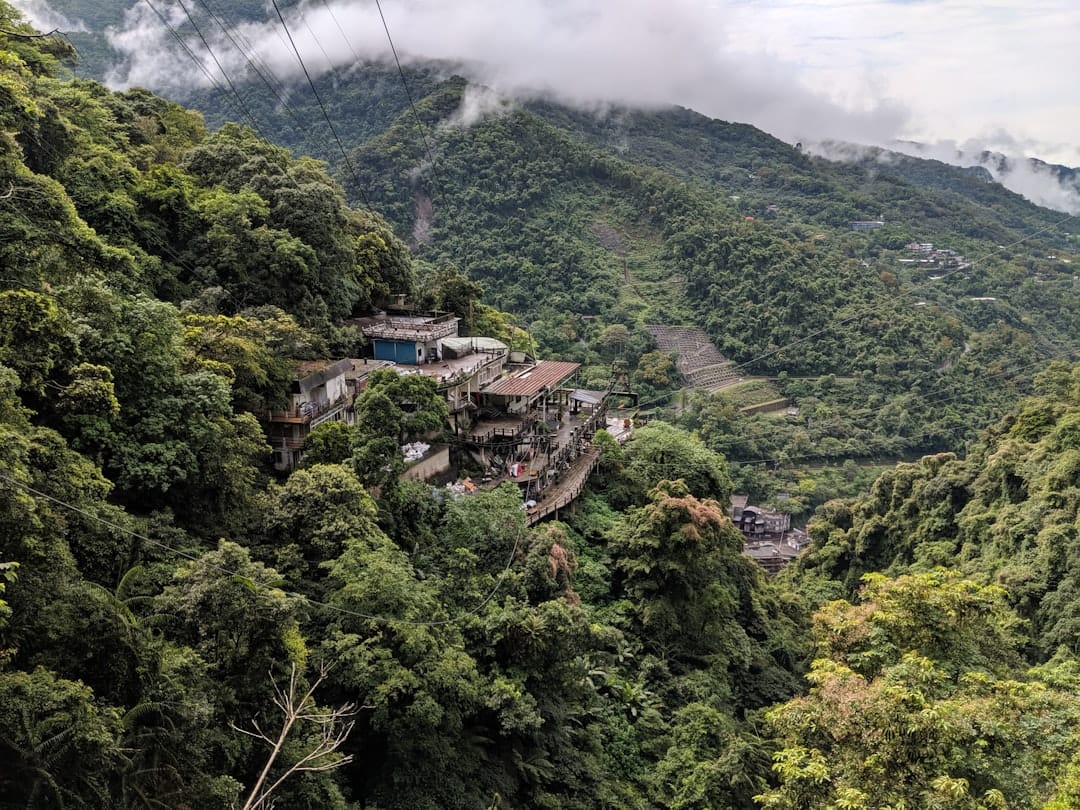
What it costs: NT$180 per ride with an EasyCard (US$5.60 / €5), or a NT$300 all-day pass; the glass-floor Crystal Cabin adds NT$50. Open 09:00–21:00, closed Mondays (except holidays).
Insider tip: Take the MRT Brown Line to its terminus, Taipei Zoo, and the gondola base is a five-minute walk. Ride up in the late afternoon, settle into a teahouse near the Maokong terminus for a pot of local oolong as the city lights come on below, then ride back down after dark. Get off at the Zhinan Temple mid-station on the way if you want a sprawling cliffside temple complex to yourself.
🗓️ A Three-Day Itinerary
Day 1 — The icons and the sunset
Start at the National Palace Museum at opening (08:30) to beat the tour buses; give it two to three hours. Bus back down to Shilin, ride the MRT to Chiang Kai-shek Memorial Hall for the midday guard change and lunch nearby. Spend the afternoon in Xinyi, going up Taipei 101 or browsing the mall, then walk 15 minutes to the Elephant Mountain trailhead and climb for sunset (arrive by 90 minutes before). Finish with dinner and the pepper bun at Raohe Night Market, two MRT stops away. Rough spend: NT$600 (Taipei 101) + NT$350 (museum) + food, so roughly NT$1,300–1,600 (US$41–50 / €37–46).
Day 2 — Old Taipei and hot springs
Morning at Longshan Temple and the Bopiliao Historical Block in Wanhua, then a short MRT hop to Ximending, Taipei's pedestrianised youth-culture district, for lunch and street-fashion browsing. Early afternoon, take the Red Line north to Beitou, switch to the Xinbeitou branch, and spend the rest of the day at Thermal Valley, the free Hot Spring Museum, and a soak. Have dinner in Beitou or back in the city. Rough spend: transit plus a spring bath and meals, roughly NT$700–1,500 (US$22–47 / €20–43) depending on which bath you choose.
Day 3 — Tea hills or a day trip
Option A: Ride the Maokong Gondola up for a morning of tea and hillside temples, back by mid-afternoon, then spend the evening at Dadaocheng (see below) for sunset at the wharf. Option B: Take a full-day trip to Jiufen and Shifen (see below). Either way, close with dinner at Shilin Night Market. Rough spend, Option A: NT$300 (gondola pass) plus tea and food, around NT$800–1,200 (US$25–38 / €23–34).
🧠 Essential Tips
When to go
The clear winners are October and November: typhoon season has passed, humidity drops, skies are their clearest of the year, and daytime temperatures sit around a comfortable 22–26°C. March to May is the second-best window, warm with cherry blossoms on Yangmingshan, but watch the "plum rain" of mid-to-late May, which brings weeks of drizzle. Avoid June through early October for serious plans: it's the typhoon and peak-heat season, 30–35°C and sticky, when a storm can close the gondola and cable cars for days. Winter (December–February) is mild but grey and drizzly, dipping to around 14–16°C.
Getting around
Buy an EasyCard (悠遊卡) the moment you land — NT$100 for the card, then top it up. It works on the MRT, city buses, the gondola, convenience stores and even some taxis, and it gives you a 10–30% rebate on MRT fares. The MRT itself is clean, cheap (NT$20–65 per ride), signposted in English, and runs until around midnight. From Taoyuan International Airport, the Airport MRT reaches Taipei Main Station in about 37 minutes on the Express (purple) train for NT$160 (US$5 / €4.50), with departures every 15 minutes. For door-to-door trips, use the local taxi app or Uber (which operates legally in Taiwan as a licensed taxi service); metered taxis are cheap and honest, with a base fare around NT$85. Google Maps handles transit routing here better than almost anywhere in Asia.
Staying safe
Taipei is genuinely low-crime, and the main risks are minor. Pickpocketing happens in the crush of Shilin Night Market and on packed trains, so keep bags zipped and in front of you. The specific scams to know: fake, cut-price Taipei 101 tickets sold on the street (buy only official ones); "unpriced" teahouses, bars or massage parlours that present an inflated bill afterward (confirm prices before you order); and, occasionally, fruit vendors or restaurants padding a tourist's total. Tap water is technically potable but most locals drink it filtered or boiled; bottled and convenience-store tea is everywhere. Eating on the MRT is banned and fined, so finish your bubble tea before you tap in.
What and where to eat
Beyond the night markets, the dishes to hunt down are beef noodle soup (牛肉麵, Taiwan's unofficial national dish), xiao long bao soup dumplings, lu rou fan (braised pork over rice), gua bao (a steamed-bun pork slider), and bubble tea, which was invented in Taiwan. The original Din Tai Fung on Xinyi Road is the flagship of the global soup-dumpling chain and holds a Michelin star; a basket of ten pork xiao long bao is about NT$260 (US$8 / €7.50). Skip the two-hour weekend queue by booking a remote ticket on the LINE app, or visit on a weekday between 14:30 and 17:00. For a food-street stroll, Yongkang Street near Dongmen MRT packs beef noodles, mango shaved ice and dumplings into a few walkable blocks.
🏨 Accommodation Guide
Budget (NT$700–1,500 / US$22–47 / €20–43 a night): Base yourself in Ximending, the pedestrian district in Wanhua, for hostels and cheap hotels within walking distance of two MRT lines and endless late-night food. Dorm beds start around NT$600–700; private rooms in small hotels sit at the top of this band. It's lively and loud, which is either the point or the problem.
Mid-range (NT$2,500–5,000 / US$78–156 / €71–143): Zhongshan and the area around Taipei Main Station are the sweet spot — central, packed with business hotels and boutique stays, and unbeatable for transit since every line and the airport train converge here. Da'an, greener and more residential, is the choice for a quieter, more local-feeling stay near Yongkang Street's restaurants.
Luxury (NT$8,000+ / US$250+ / €230+): Xinyi, the district around Taipei 101, is where the international five-stars cluster, with skyline views and the city's best shopping at the door. For something distinctly Taiwanese, book a hot-spring hotel up in Beitou, where luxury rooms come with private thermal tubs and mountain quiet 30 minutes from downtown.
🎭 Beyond the Tourist Trail
Dadaocheng and Dihua Street: Taipei's oldest commercial street, a strip of restored Qing- and Japanese-era shophouses in the Datong district, still trading in dried seafood, herbs and tea as it has for 150 years — but now interleaved with third-wave cafés, design shops and craft-beer bars. Come for the architecture and the old apothecaries, stay for the Dadaocheng Wharf on the Tamsui River, one of the best free sunset spots in the city, with a seasonal container-bar market in the warmer months. It's a 10-minute walk from Beimen or Daqiaotou MRT.
The Jiufen and Shifen day trip: An hour east of the city, the former gold-mining town of Jiufen clings to a hillside above the sea, its narrow lantern-lit lanes and the tiered A-Mei Teahouse often (loosely) linked to the look of Spirited Away. Nearby Shifen is where you write a wish on a paper sky lantern and release it over the old railway tracks. The simplest route: take the train to Ruifang, then a short bus or taxi up to Jiufen; or catch the direct 1062 bus from near Zhongxiao Fuxing MRT. Go on a weekday and arrive by late afternoon to see the lanterns glow at dusk, but check the forecast — the whole coast fogs and rains easily.
❤️ Let VoyaBear Plan Your Taipei Trip
Taipei rewards a good plan: knowing to hit the Palace Museum at opening, to be on Elephant Mountain 90 minutes before sunset, and to book Din Tai Fung on the LINE app is the difference between a smooth trip and a queued-up one. That's exactly what VoyaBear does — turning these verified details into a personalised, day-by-day itinerary built around how you actually travel, from your hotel neighbourhood to your hot-spring soak. Tell us your dates and your pace, and we'll handle the timing, the transit, and the reservations. Start planning your Taipei trip with VoyaBear today.