VoyaBear


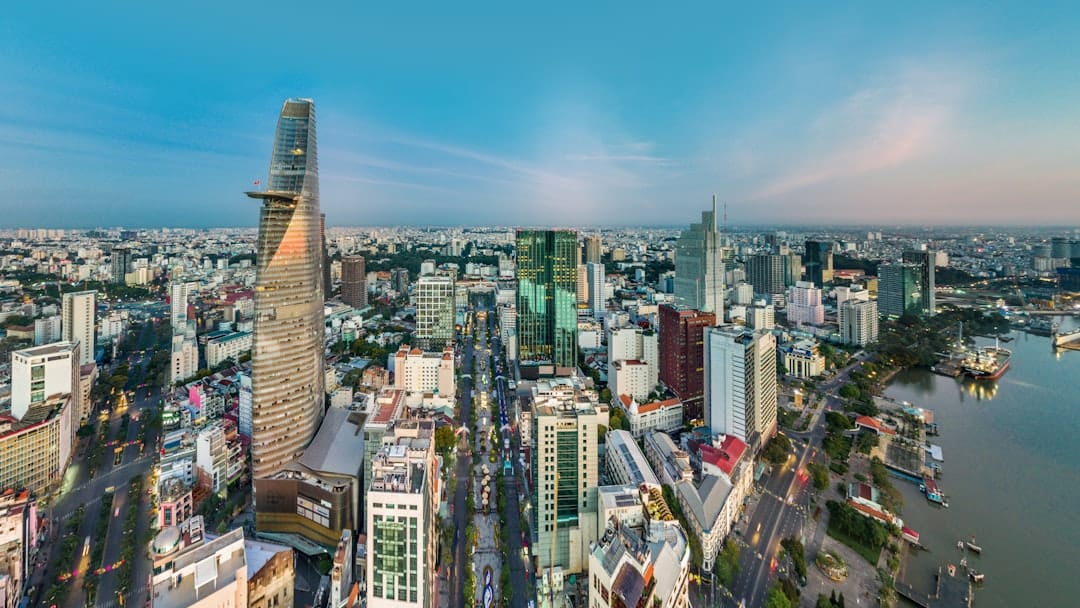
Kuala Lumpur is the rare capital where you can stand in a Hindu cave temple, ride a driverless metro past a 679-metre skyscraper, and eat banana-leaf rice with your fingers in a Tamil neighbourhood — all before lunch, all for under ten dollars in transit. The Petronas Twin Towers still anchor the skyline at 452 metres, but in 2026 they have serious competition: Merdeka 118, now the world's second-tallest building, and its 118 Mall is slated to open this August. This is also Visit Malaysia Year 2026, the government's big tourism push, which means more crowds, more events, and hotels that fill up faster than usual — so book the headline attractions ahead.
What makes KL worth the stop isn't any single monument. It's that three cultures — Malay, Chinese, and Indian — share the same few square kilometres without blending into mush, and the food that results is arguably the best street eating in Southeast Asia. Here's how to spend three days here, what things actually cost in 2026, and where to eat so you don't waste a single meal.
🏙️ Essential Experiences
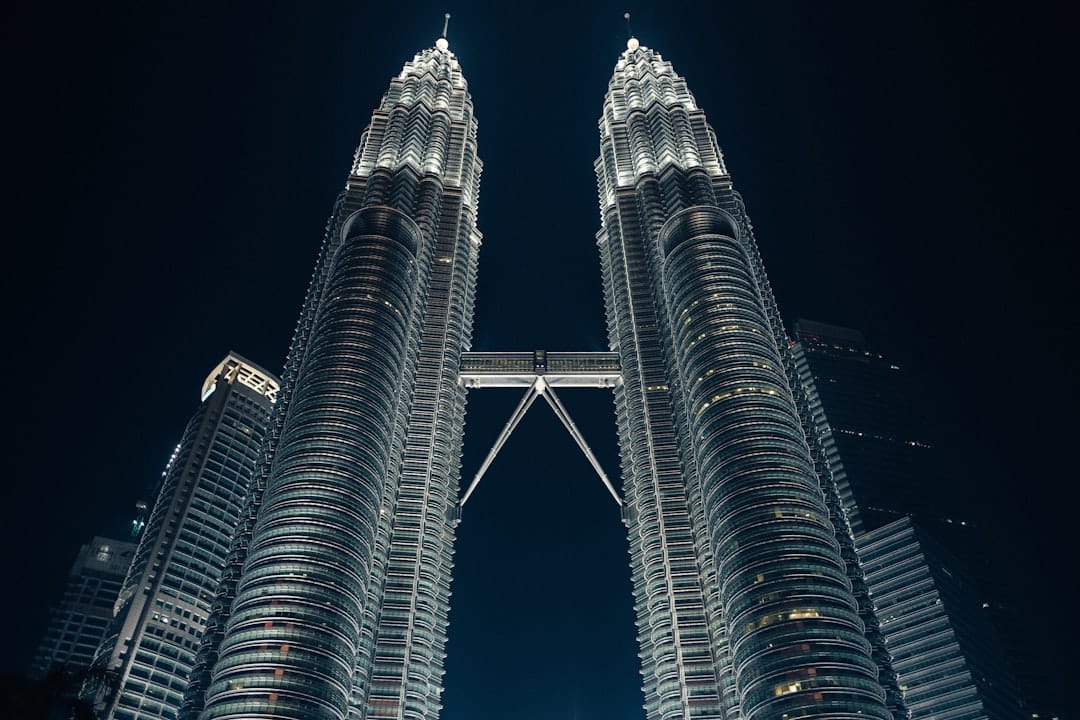
Petronas Twin Towers & KLCC Park
The twin towers are the obligatory photo, but the tour is genuinely good: a timed-entry lift takes you to the double-decker Skybridge on Level 41, then up to the observation deck on Level 86. The catch is capacity — slots are timed and sell out, so buy online in advance rather than turning up. Non-Malaysian adult tickets are RM98 (about USD 24 / EUR 21); children 2–12 and seniors pay RM50. It's open Tuesday to Sunday, 9:00 to 21:00 (last entry 20:30), and closed most Mondays — it only opens on the second and fourth Monday of the month, which trips up a lot of visitors.
Honest tip: if you're on a budget, skip the deck entirely. Walk into KLCC Park at the base instead, which is free, and time it for the Lake Symphony fountain show after dark. From the park's edge you get the full-height postcard shot of both towers lit up — the view you actually came for, at zero cost.
Batu Caves
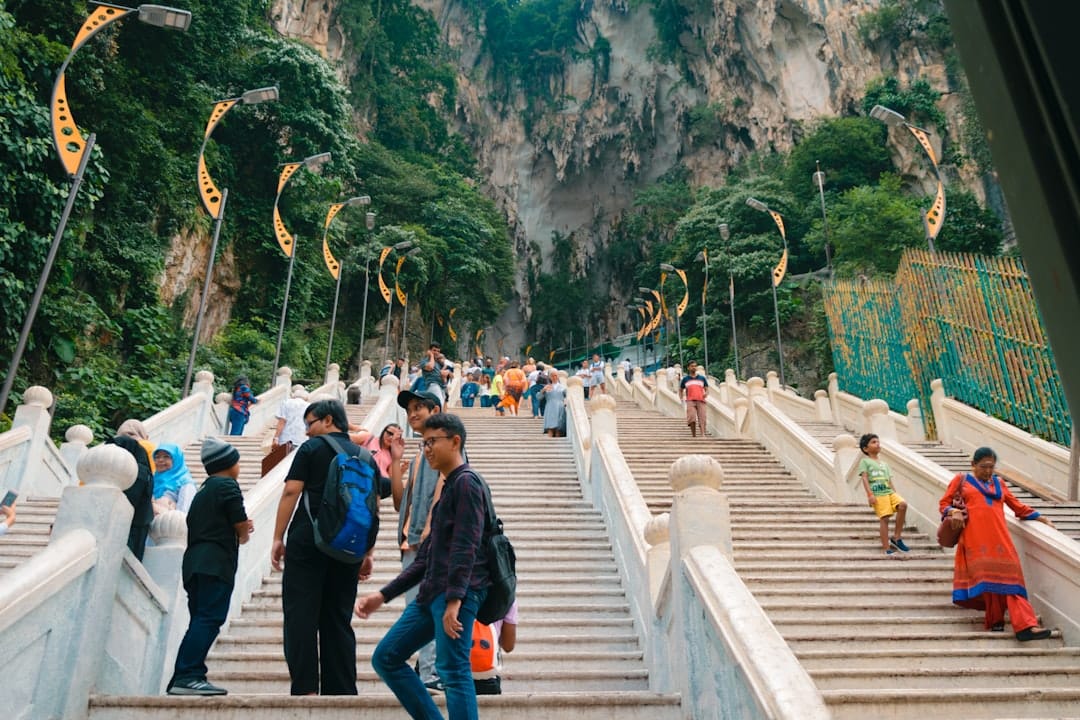
Thirteen kilometres north of the centre, a 42.7-metre gold statue of Lord Murugan — the tallest of its kind anywhere — stands guard over 272 rainbow-painted steps leading into a limestone cavern that holds a Hindu temple. The scale is the point: the main Temple Cave is a genuine cathedral of rock with shrines tucked into the gloom, and entry is free. The colourful Ramayana Cave off to the side costs around RM5 (roughly USD 1.20) and is worth the pocket change for the dioramas.
Go before 8:30 in the morning. You'll beat both the heat (there's no shade on those steps) and the tour buses, and the low sun makes the painted stairs photograph far better. Keep a firm grip on anything loose — the resident macaques are professional thieves who will take sunglasses, phones, and drink bottles without hesitation. Dress modestly with knees covered, as this is an active temple. The old Dark Cave guided tour has been shut on and off, so treat it as check-on-arrival rather than a sure thing. Getting there is easy and cheap: Batu Caves is the northern terminus of the KTM Komuter line, a direct 30-odd-minute ride from KL Sentral for a couple of ringgit, which beats fighting Grab surge pricing at rush hour.
Menara Kuala Lumpur (KL Tower)
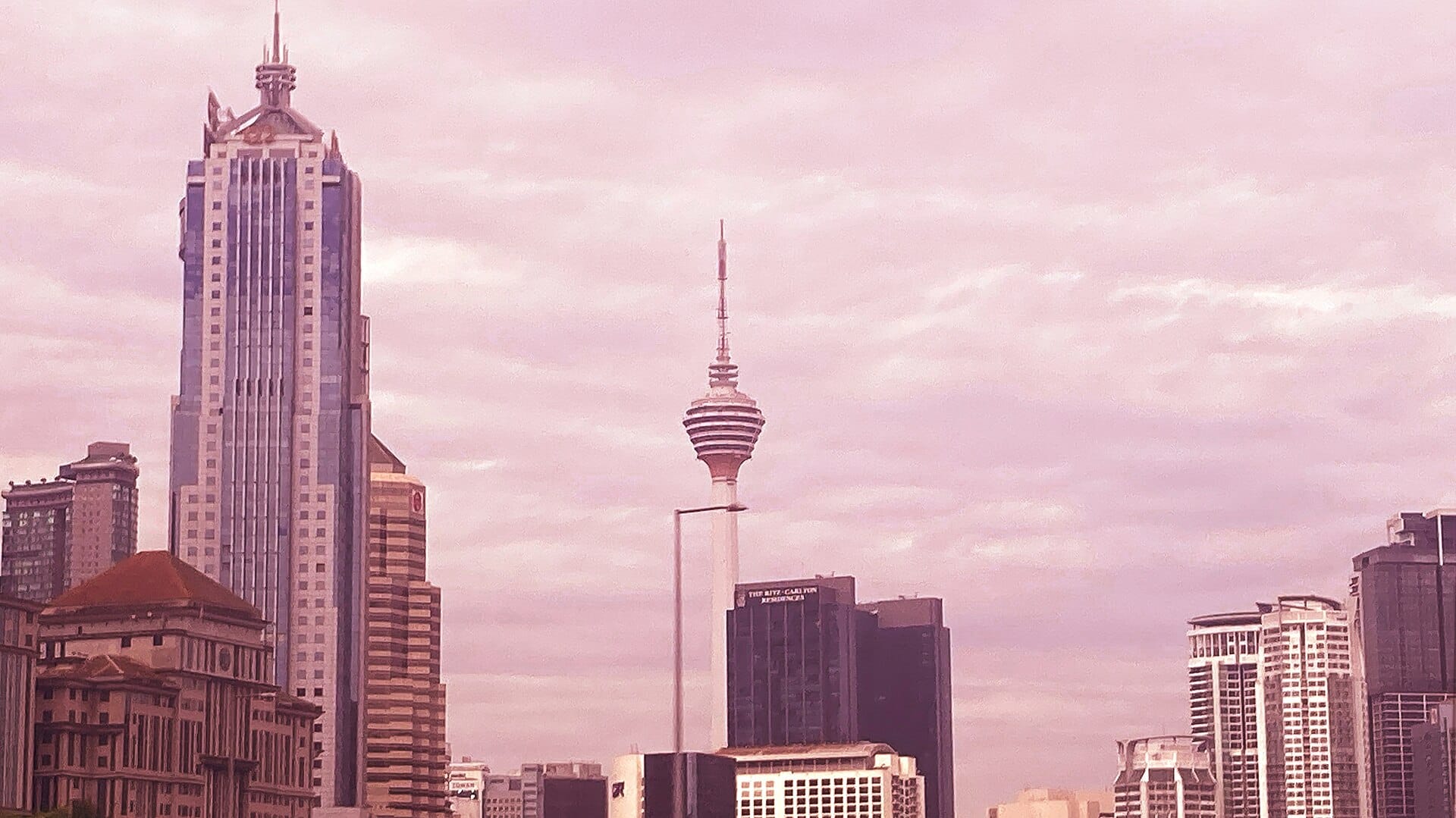
The 421-metre telecom tower sits on a forested hill, which is why its deck ends up higher above sea level than the Petronas observation floor — and, more usefully, it's the one spot where you can photograph the Twin Towers in the skyline rather than from inside them. There's an enclosed, air-conditioned observation deck and, above it, an open-air Sky Deck with a glass Sky Box that cantilevers over the edge for the vertigo photo.
Non-Malaysian pricing runs about RM60 for the Observation Deck alone and RM110 for the Sky Deck combo that includes the Sky Box (roughly USD 27 / EUR 23); these were the last published rates, so confirm at the counter. If you only want the view and the air-con, the basic deck is the better value — the Sky Box premium is really just for the glass-floor shot.
Islamic Arts Museum Malaysia
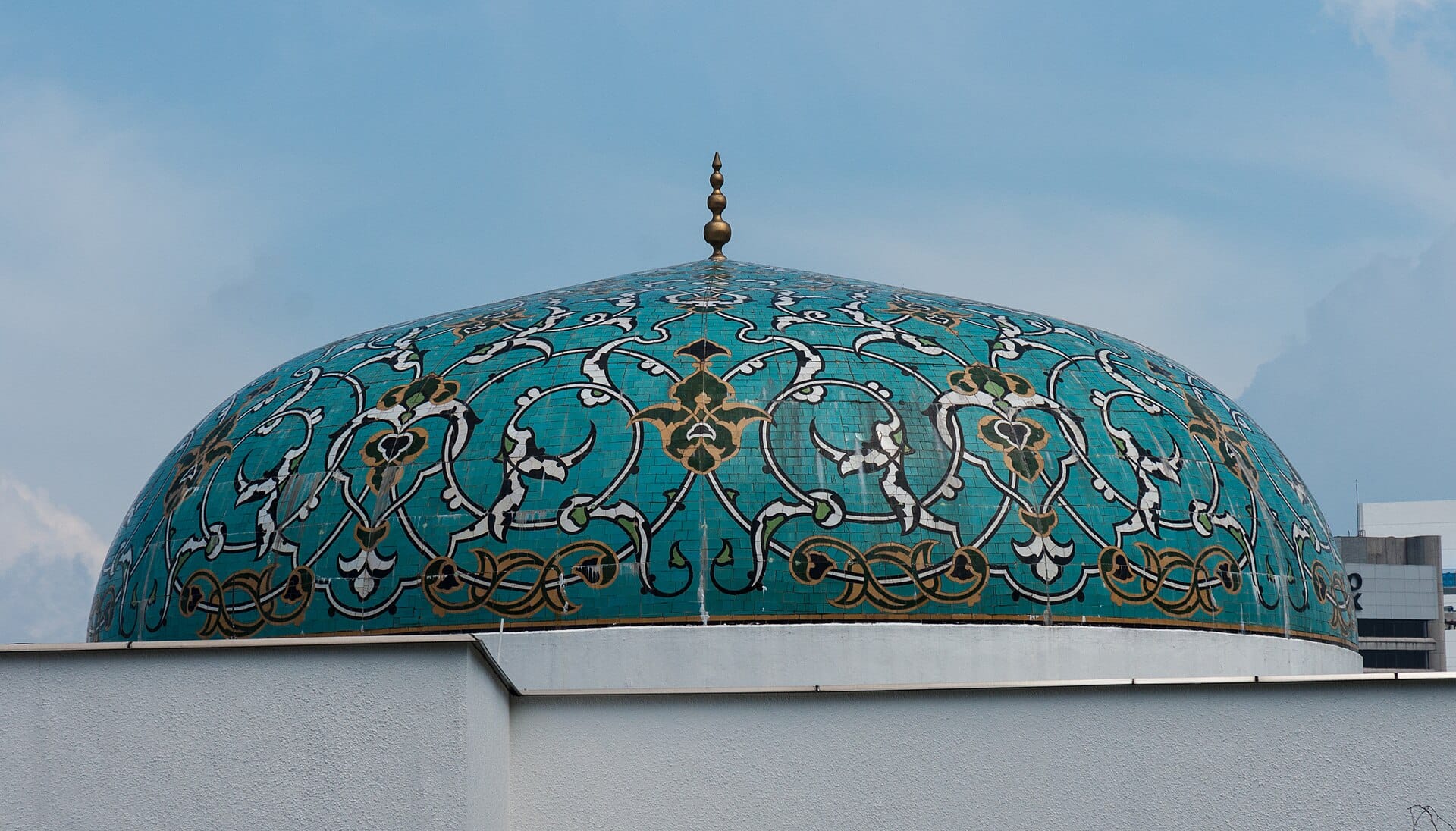
This is the museum most visitors skip and later regret skipping. It holds one of the finest Islamic art collections in Southeast Asia — Qur'ans, textiles, ceramics, arms and armour, plus a gallery of scale models of the world's great Islamic monuments — all under domed ceilings that are worth the visit on their own. Budget two hours. Admission is RM20 for adults (about USD 5 / EUR 4.20), half that for students and seniors, and it's open daily 9:30 to 18:00.
The smart move is to fold it into a single Lake Gardens loop: the museum sits a short walk from the National Mosque (Masjid Negara), the Perdana Botanical Gardens, and the KL Bird Park, so you can knock out four sights in one calm, green afternoon away from the traffic.
Merdeka Square & the Sultan Abdul Samad Building
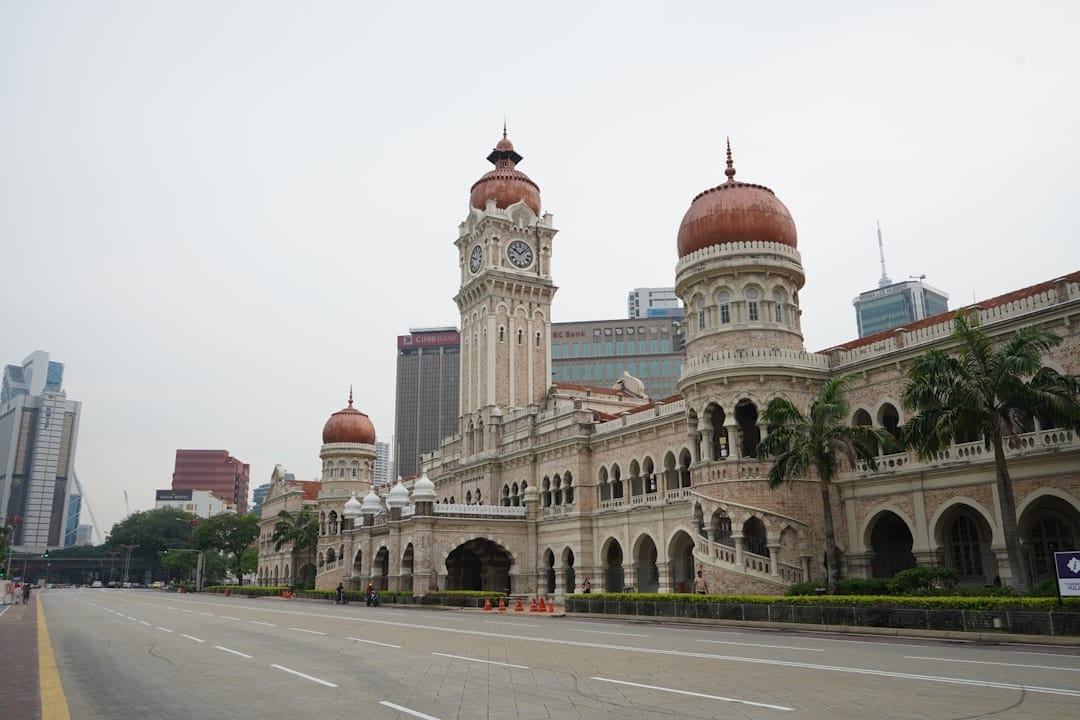
This is where Malaysia declared independence in 1957, on the open field of Dataran Merdeka, framed by the Moorish copper domes and clock tower of the Sultan Abdul Samad Building. The building is a government office, so you admire it from outside — but come at dusk when it's floodlit and the whole colonial-era ensemble glows. It's a five-minute walk to the Masjid Jamek mosque at the river confluence, where the "River of Life" project has lit up the waterfront where the city was founded.
Chain it with Chinatown, which is right next door — the two sit together as one easy walking circuit through KL's oldest quarter.
Central Market & Petaling Street (Chinatown)
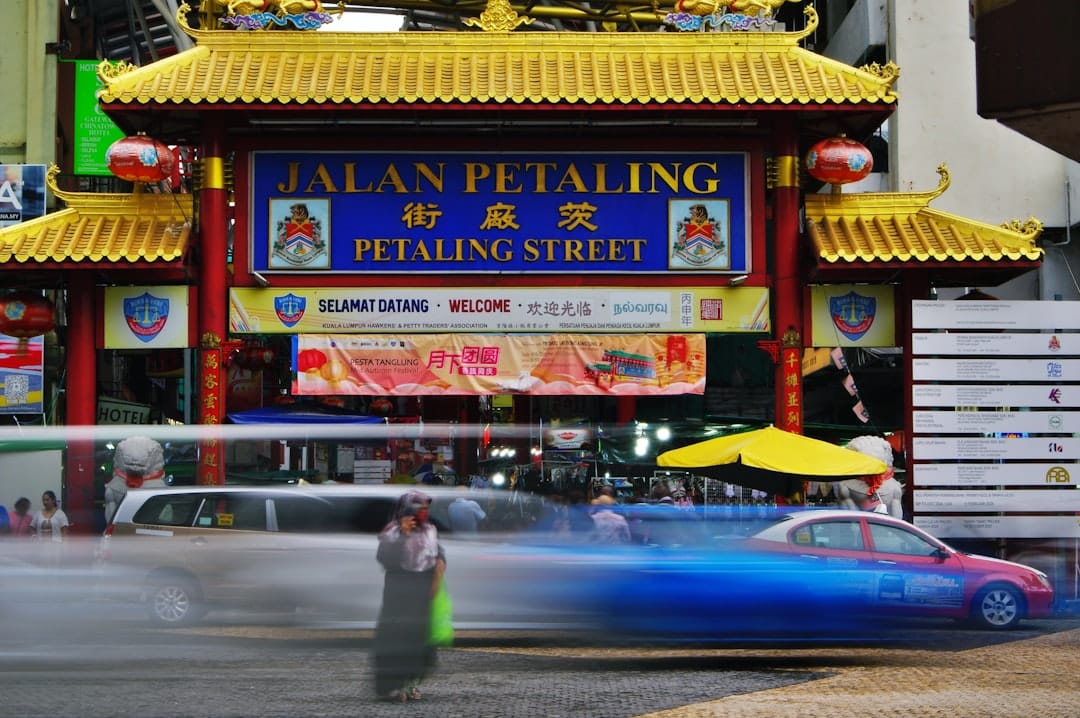
Central Market (Pasar Seni) is a 1930s art-deco hall now packed with batik, crafts, and souvenirs at fixed prices — calm, air-conditioned, and a good spot for gifts you won't get ripped off on. Five minutes' walk away, Petaling Street is the opposite: a covered bazaar of haggling, knock-off watches, and fake handbags, plus the ornate Sri Mahamariamman Hindu temple and the Guan Di Taoist temple within a block of each other.
Manage your expectations at Petaling Street — the "genuine" goods are almost all imitations, so go for the atmosphere and the food, not the bargains. Duck into Madras Lane, the hawker alley off the main drag, for curry laksa and cendol. Both are served by the Pasar Seni LRT and MRT interchange, so it's an easy arrival by rail.
Thean Hou Temple
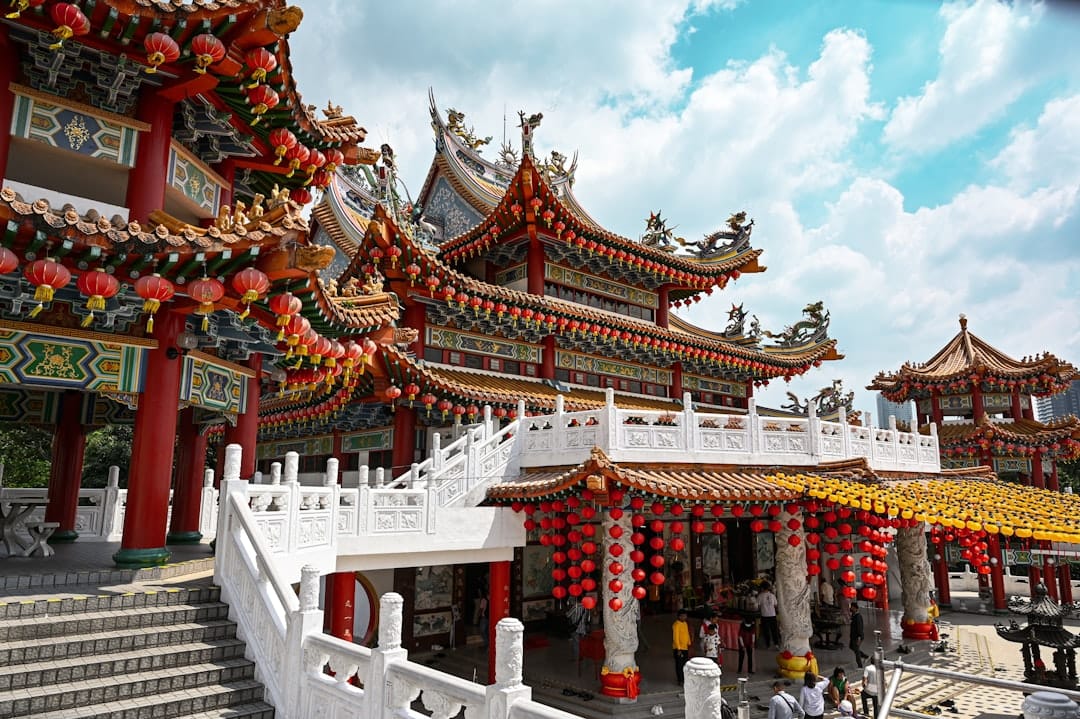
A six-tiered Chinese temple on Robson Heights dedicated to the sea goddess Mazu, this is one of the largest in Southeast Asia and, unlike the towers, it's free. The tiered red-and-gold roofs, dragon columns, and hilltop position give you a panoramic view back over the city, and it's rarely crowded outside festival days. It comes alive spectacularly for Chinese New Year, when it's strung with thousands of red lanterns.
It's a little awkward to reach by rail — it sits above the Mid Valley area — so a short Grab ride is the sensible option. Go late afternoon for the light on the roofs and the city view.
🗓️ A Three-Day Itinerary
Costs below are per person and converted at roughly RM4.06 to the dollar and RM4.73 to the euro (August 2026 rates). Get a Touch 'n Go card first (see Tips) — it makes every transit hop trivial.
Day 1 — Icons and Bukit Bintang
Start at the Petronas Twin Towers with a pre-booked morning Skybridge slot (USD 24 / EUR 21), then walk five minutes into KLCC Park and the Suria KLCC mall for lunch. In the afternoon, take the Monorail two stops to Bukit Bintang and browse Pavilion KL. Come evening, eat your way down Jalan Alor, the open-air food street (dinner around USD 6–10 / EUR 5–9), then loop back to KLCC after dark for the free Lake Symphony fountain show. Total transit maybe USD 1–2.
Day 2 — Heritage core and Lake Gardens
Begin at Pasar Seni (Central Market), walk into Chinatown and the temples, then continue ten minutes on foot to Merdeka Square and the Masjid Jamek riverfront. Grab a short ride to the Lake Gardens for the Islamic Arts Museum (USD 5 / EUR 4.20) and the National Mosque, with the KL Bird Park next door if you have the energy (non-Malaysian adult RM90, about USD 22 / EUR 19). Finish in Brickfields (Little India) with a banana-leaf rice dinner for USD 3–5 / EUR 3–4.
Day 3 — Batu Caves and the local side
Catch the KTM Komuter train or a Grab out to Batu Caves early, climb the 272 steps, and see the Ramayana Cave (USD 1.20) before 9am. Back in the city, either go up the KL Tower Sky Deck (USD 27 / EUR 23) or skip it for the free Thean Hou Temple. Spend the afternoon and evening in Bangsar — the APW Bangsar creative complex and its cafés — or at REXKL and the Zhongshan Building for indie bookshops and coffee, then dinner at a Kampung Baru Malay warung. Realistic daily transit budget: USD 3–8 / EUR 3–7 depending on how much you Grab.
🧠 Essential Tips
When to go
KL is hot and humid year-round (28–33°C) and rain is possible any month, but two monsoons shape the odds. The northeast monsoon from October to January is the wettest stretch, with November the rainiest month at around 370mm. The driest, sunniest windows are February, June, July, and August — the best bets for a trip. March to May and September to October bring sunshine broken by short, sharp afternoon downpours that usually clear within the hour. If you want the great spectacle, Thaipusam at Batu Caves — a huge, intense pilgrimage of pierced devotees — falls in late January or February; the next edition lands in early 2027, so confirm the exact lunar date closer to the time. Two other dates reshape whole neighbourhoods: Deepavali lights up Brickfields around late October or November, and Chinese New Year fills Chinatown and Thean Hou Temple with lanterns and crowds — book well ahead if your trip overlaps either.
Getting around
The rail network is RapidKL — LRT, MRT, and Monorail lines — and it's clean, cheap, and mostly gets you where you want to go. Buy a Touch 'n Go card (RM10, which is RM5 of stored value plus a RM5 deposit; reload at any 7-Eleven or station) and tap through everything. Most tourist trips cost RM1–4; the longest rides top out around RM9.50. From the airport, the KLIA Ekspres train is the fastest option at RM55 one-way (RM100 return), running KL Sentral to KLIA in 28 minutes. The airport bus is the budget route at about RM13 and roughly 75 minutes. For everything else, locals use Grab — there's no street-hailing culture here, and a Grab from the airport into town runs about RM80–100 off-peak.
Staying safe
KL is generally safe, but two things catch tourists. First, motorbike snatch-theft: keep your bag on the shoulder away from the road, especially on quieter streets at night. Second, taxi overcharging — insist on Grab or a metered fare rather than a quoted price, particularly around Bukit Bintang and Petaling Street. Chow Kit gets seedy after dark, so it's not the place for an evening stroll. And at Batu Caves, the threat isn't people — it's the monkeys, who will relieve you of anything you're not holding onto.
Eating well
This is the reason to come. Get nasi lemak — coconut rice with sambal and fried chicken — at Village Park Restaurant in Uptown Damansara, whose ayam goreng berempah draws queues for good reason. Work down Jalan Alor after dark for char kway teow, satay, and BBQ seafood, and hit Wong Ah Wah for the famous grilled chicken wings. On a rainy day, the Lot 10 Hutong food court in Bukit Bintang gathers decades-old hawker brands — Hokkien mee, claypot, beef noodles — under one air-conditioned roof. For banana-leaf rice with unlimited refills, go to Sri Nirwana Maju in Brickfields. And in Chinatown's Madras Lane, get curry laksa followed by a bowl of cendol shaved ice. Roti canai and teh tarik at any mamak stall is the classic cheap breakfast, and it's open at hours no other kitchen keeps. If you have a car or don't mind a 40-minute Grab, Kajang is the satay town — smoky skewers with peanut sauce that locals will tell you is the national benchmark. And if you're here between roughly June and August, that pungent smell in the markets is durian at peak season; the Musang King variety is the one worth the sting.
🏨 Accommodation Guide
Budget (USD 6–25/night): Bukit Bintang and Chinatown are the backpacker cores, walkable to food and rail. BackHome KL and Mingle are reliable Chinatown hostels; dorm beds start under USD 10 and cheap private rooms from around USD 20. Chow Kit is cheaper still but grittier, so weigh the saving against the neighbourhood.
Mid-range (USD 40–90/night): Base yourself in Bukit Bintang for the densest cluster of four-star business hotels within walking distance of the Monorail, the malls, and Jalan Alor, or on the KLCC fringe if you want the towers on your doorstep.
Luxury (USD 120–350+/night): KLCC is the prestige address — the Mandarin Oriental (with tower and park views), Grand Hyatt, and Four Seasons. Bukit Bintang counters with the JW Marriott, W Kuala Lumpur, and Ritz-Carlton, and the new Park Hyatt occupies the upper floors of Merdeka 118. For something quieter and more local, Bangsar offers upscale stays away from the tourist crush.
🎭 Beyond the Tourist Trail
Kampung Baru is a historic Malay urban village minutes from KLCC — wooden houses, traditional nasi campur, and the surreal sight of the Petronas Towers looming behind low tin roofs. It's best in the evening, and legendary during the Ramadan bazaar. APW Bangsar, a former printing factory turned creative courtyard, is the place for third-wave coffee and weekend events. In Chinatown, REXKL — a 1970s cinema reborn as a culture hub — houses the labyrinthine BookXcess bookstore and a digital-art gallery, while the nearby Zhongshan Building in Kampung Attap is a cluster of 1950s shophouses full of indie galleries, record shops, and cafés. For a night out, TREC on Jalan Tun Razak is the purpose-built nightlife strip anchored by Zouk KL. And keep an eye on Merdeka 118: the tower is complete, the mall opens this August, and the observation deck is in a soft-opening state — worth checking access and price directly if you want to stand on the world's second-tallest building.
❤️ Let VoyaBear Plan Your Kuala Lumpur Trip
KL rewards a bit of planning — the right Petronas time slot, a Batu Caves run before the heat, and meals booked around the neighbourhoods that do them best. That's exactly what VoyaBear does: personalised, day-by-day itineraries built around what you actually want to eat, see, and spend, with the timing and transit worked out for you. Tell us your dates and your appetite, and we'll hand you a trip that skips the tourist-trap versions and lands you at the good stuff. Start planning your Kuala Lumpur adventure with VoyaBear today.