VoyaBear


Hoi An's old town has no traffic lights, and for four hours a night no electric light either. On the 14th day of every lunar month the shopfronts kill their bulbs, the streets fill with silk lanterns and candle flames, and hundreds of paper boats drift down the Thu Bon. The next of those nights falls on August 26, 2026 — but even on an ordinary Tuesday, this is a 15th-century trading port that UNESCO froze in place, walkable end to end in twenty minutes, where a bowl of noodles costs a dollar and a tailored suit is ready by tomorrow. Here's exactly how to do it in 2026 without the mistakes.
🏙️ Why Hoi An Is Worth It in 2026
Hoi An was Vietnam's busiest port from the 15th to 19th centuries, when Japanese, Chinese, Dutch and Indian merchants all traded here. When the Thu Bon river silted up, the trade moved to Da Nang and the town simply stopped — which is why roughly 1,360 timber-framed shophouses, assembly halls and temples still stand, mustard-yellow and unbroken, instead of being torn down for concrete. In 2024 the town's most famous structure, the Japanese Covered Bridge, came out of a two-year, 20-billion-VND restoration and reopened on August 2, so you're seeing it freshly stabilised rather than sagging behind scaffolding.
The other reason to come now is practical: Hoi An is cheap, compact and close to a major airport. Da Nang International is 30 km away — under an hour by car — and the old town itself is car-free and flat, so you spend your days on foot or on a hotel bicycle rather than in traffic. What follows is grounded in 2026 prices, real venue names and the specific hours that matter.
🎭 Essential Experiences
The Japanese Covered Bridge (Chùa Cầu)
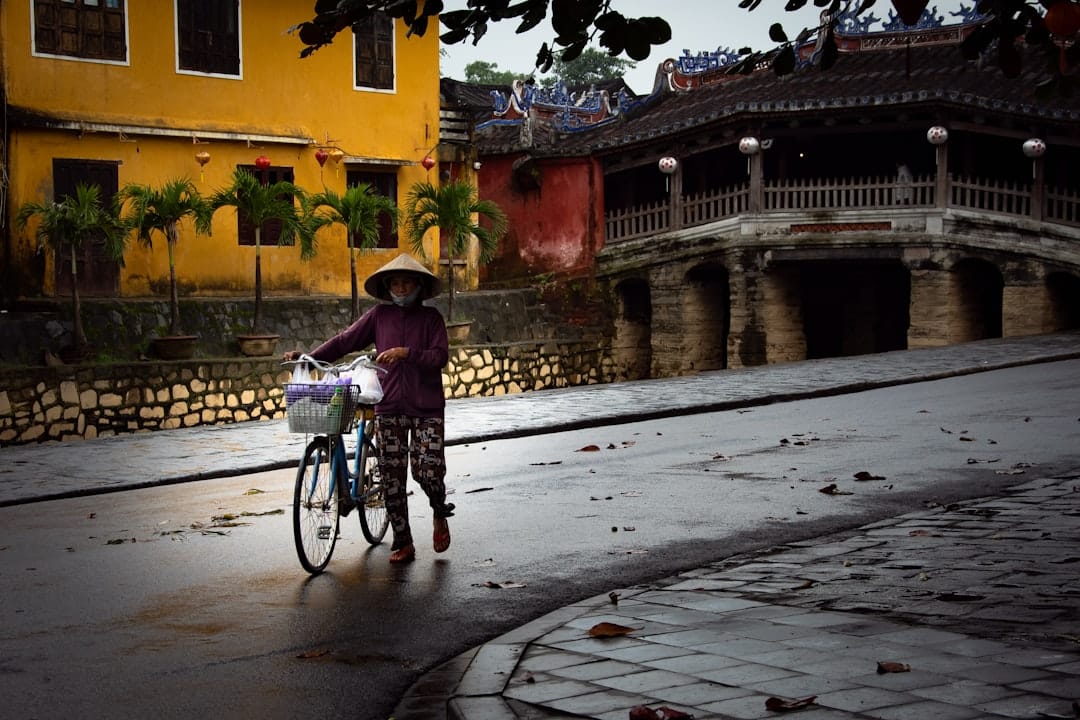
Built by Hoi An's Japanese merchant community around 1600 to link their quarter to the Chinese one, this little covered bridge with a temple built into its side is the image every visitor recognises — it's printed on the back of the blue 20,000 VND banknote. It reopened in August 2024 after a full restoration that reinforced the foundation, pillars and abutments and re-laid the blue-glazed roof tiles. Crossing it is included in the old-town ticket (see below), and there's a small altar to Bắc Đế, the northern god, tucked into the span.
Insider tip: Photograph it at 6–7 a.m. By 9 a.m. the pedestrian pinch-point on either side is a wall of tour groups. At dawn you'll have the reflection in the canal to yourself, and the light on the yellow walls behind it is better anyway.
Cost: Covered by the 120,000 VND (~$5 / €4.50) old-town ticket; walking past it on the street is free.
The Ancient Town Ticket: Assembly Halls & Merchant Houses
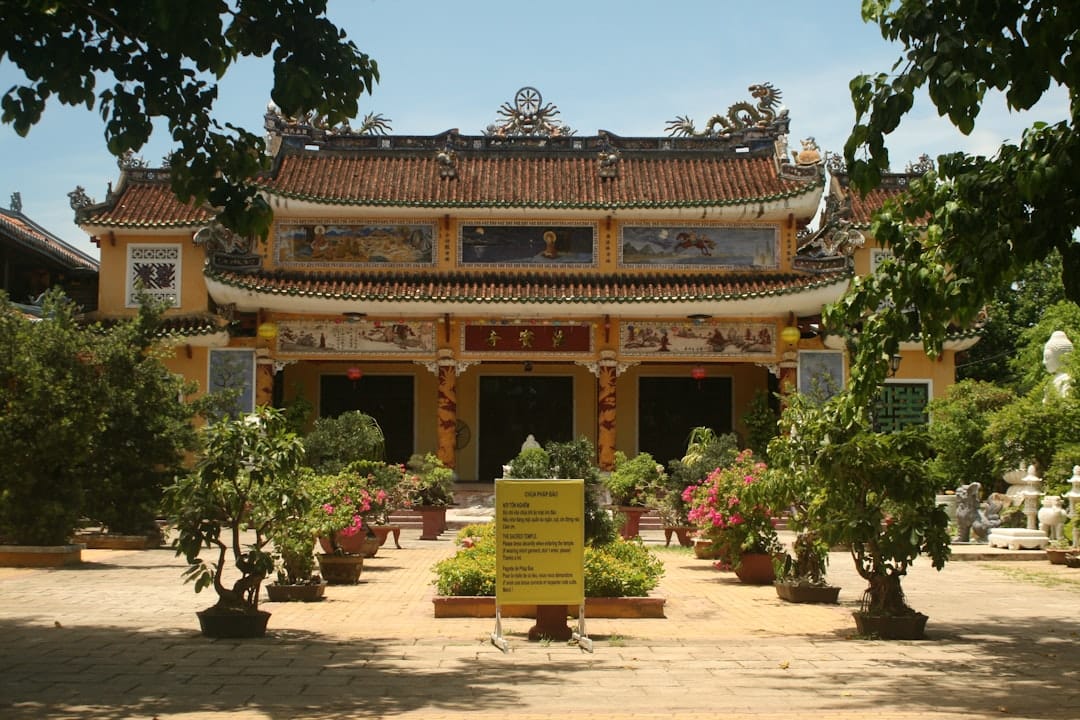
The old town runs on a single ticket — 120,000 VND (~$5 / €4.50) for foreign adults — that comes as five tear-off coupons, each admitting you to one of the roughly 22 official heritage sites. Walking the streets, eating and shopping are all free; the ticket is only for entering the museums, halls and old houses (and it funds the town's preservation, which is a fair trade). Spend your five coupons well: the Fujian Assembly Hall (Phúc Kiến) on Trần Phú, with its dragon fountains and ornate main gate, is the grandest; Tan Ky House is a 200-year-old merchant home still lived in by the seventh generation of the same family, its beams a mix of Japanese, Chinese and Vietnamese carpentry; and the Trade Ceramics Museum explains why any of this exists. Sites close their doors at 5 p.m.
Insider tip: Buy the ticket at an official booth (there are several around the town's edges, marked with the town logo) rather than from a street tout, and don't believe anyone who tells you that you need to buy a ticket just to walk in — you don't. Ticket booths sell until about 9:30 p.m. in summer.
Cost: 120,000 VND (~$5 / €4.50) for five site entries.
The Lantern-Lit Old Town After Dark
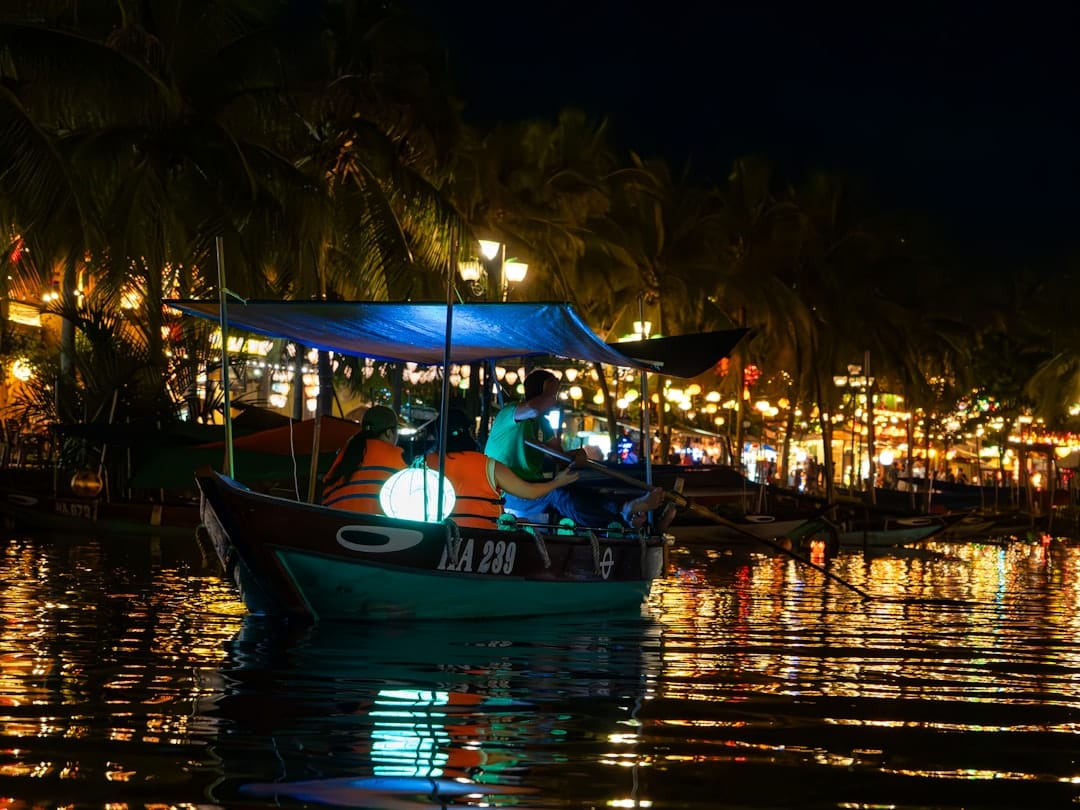
Hoi An earns its reputation at night. Every evening the silk lanterns come on over the streets and the An Hội footbridge; on the monthly full-moon festival night the town cuts its electric lighting entirely between 6 and 10 p.m. and runs on candles and lanterns alone. Down on the Thu Bon (locals call this stretch the Hoài river), women in sampans sell paper candle-boats you float on the water for a wish. It's touristy and it's also genuinely lovely — do it once.
Insider tip: A wooden boat is priced per boat, not per head, so split it — a short paddle starts around 150,000 VND, rising to about 350,000 VND for a longer 40-minute ride seating up to six. Settle the price before you climb in. The floating paper lanterns are a few thousand đồng each — buy them from the boat rather than the pushy bank-side sellers. Cross to the quieter An Hội side for the best view back at the illuminated shophouses.
Cost: Free to walk; ~150,000–350,000 VND per boat depending on length; lanterns from ~5,000 VND.
My Son Sanctuary
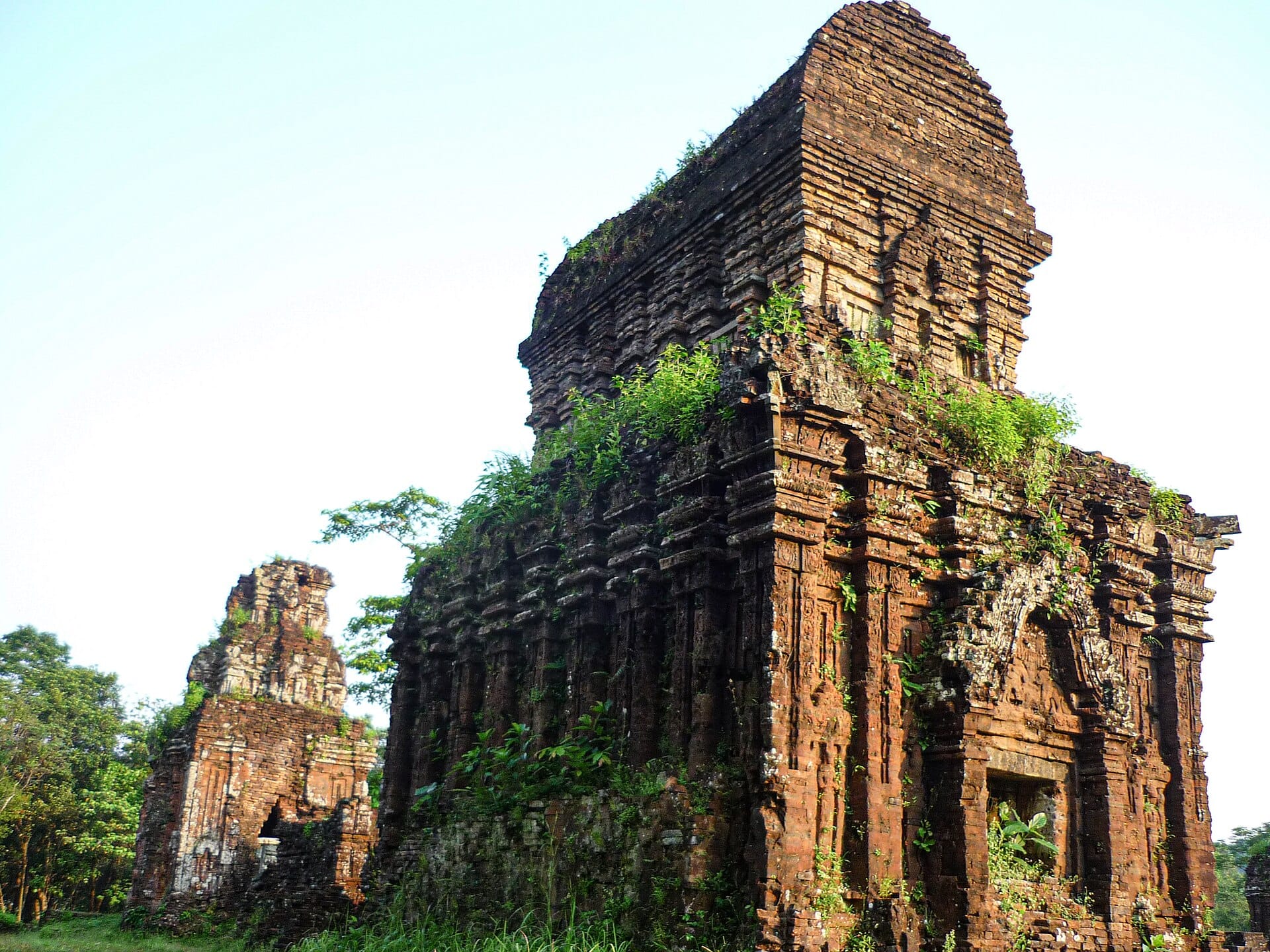
An hour's drive southwest of Hoi An, My Son is a cluster of red-brick Hindu temple-towers built by the Champa kingdom between roughly the 4th and 13th centuries — the spiritual centre of a civilisation that ruled central Vietnam long before the Vietnamese arrived. It's a UNESCO site, smaller and more ruined than Angkor but far quieter, set in a jungle valley ringed by mountains. American bombing in 1969 destroyed some of the finest towers, which makes the ones still standing more affecting.
Insider tip: Leave Hoi An by 5:30 a.m. The site opens at 6 a.m., and the first hour is cool, empty and gold-lit before the coach tours roll in around 9. Your ticket includes the electric buggy from the gate to the towers and a short traditional Cham dance performance. Go early and you'll be walking back out as everyone else is arriving.
Cost: 150,000 VND (~$6 / €5.50) for foreign adults; open 6 a.m.–5 p.m.
Cam Thanh & the Bay Mau Basket Boats
Six kilometres southeast of the old town, the Bay Mau coconut palms grow in a tidal water-forest that Viet Cong fighters once used as cover. Today you ride through the channels in a thúng chai — the round woven bamboo basket-boat unique to central Vietnam — while a rower crabs, sings and, if you let them, spins the boat on its axis. It's kitsch and it's a good time, and it's 15 minutes by taxi from town.
Insider tip: The "spinning boat" performers expect a tip and some will demand an aggressive one after the fact — agree on any tip before the ride, and don't feel obliged to fund the whole flotilla. Go 8–10 a.m. for cool air and fewer boats. Skip the packaged bus tours from Da Nang; just Grab there yourself.
Cost: 30,000 VND forest entry + 150,000 VND per boat (two passengers plus rower) — roughly 75,000 VND (~$3 / €2.70) each.

An Bang Beach
Four kilometres from the old town, An Bang is where you go when you've done enough heritage for one trip. It's a working beach with soft sand, a row of low-key beach bars and seafood shacks, and none of the high-rise wall that swallowed nearby Da Nang. Cycle there in 20 minutes on a hotel bike, claim a lounger for the price of a drink, and eat grilled fish with your feet in the sand.
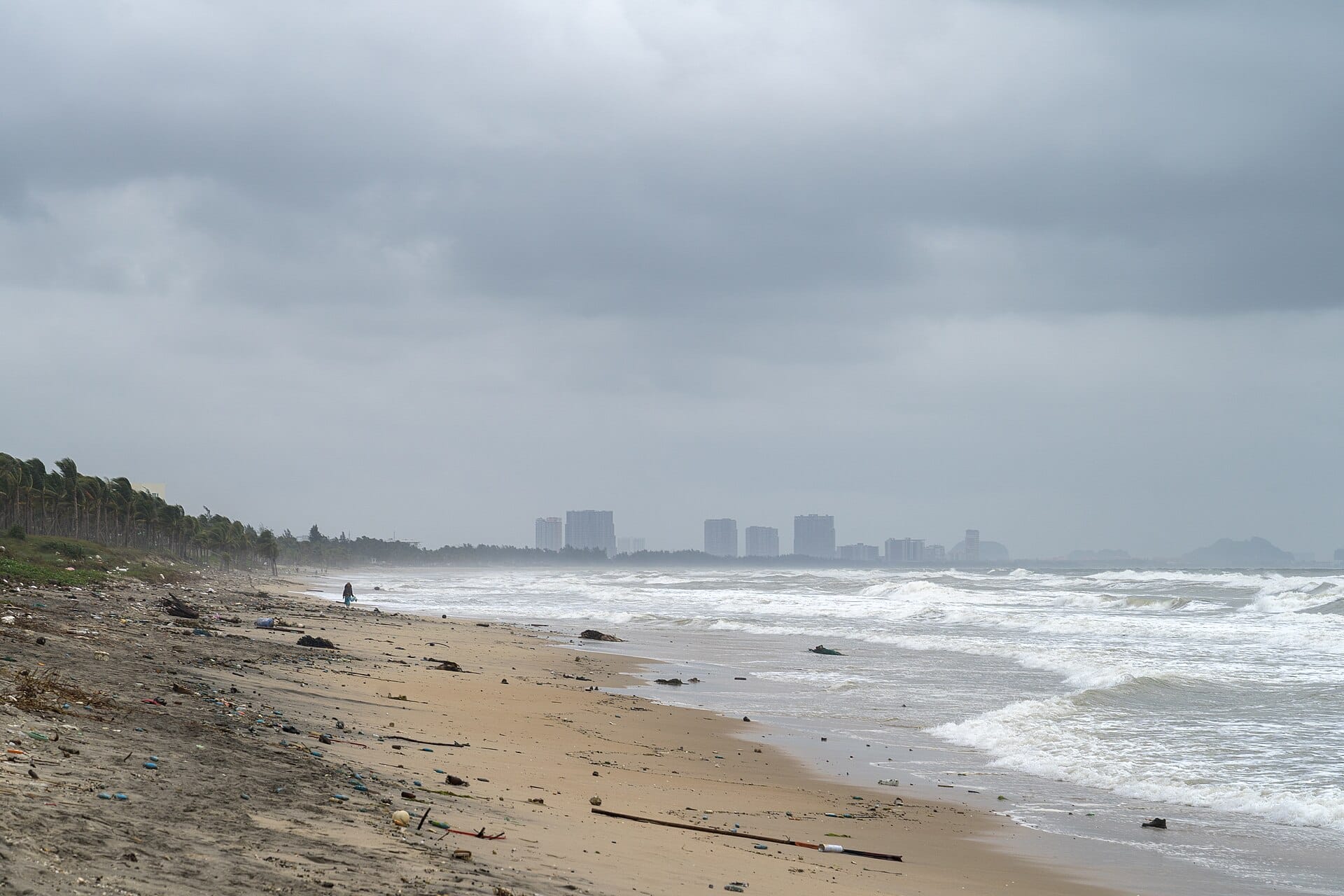
Insider tip: Come in the dry months (see below) — from September to November the same beach is grey, wind-battered and strewn with storm debris, and the sea is unsafe to swim. In February–April it's calm and clear. Loungers are usually free if you order food or a drink at the bar behind them.
Cost: Free; a drink or lunch (~50,000–150,000 VND) covers a sunbed.
Tra Que Vegetable Village
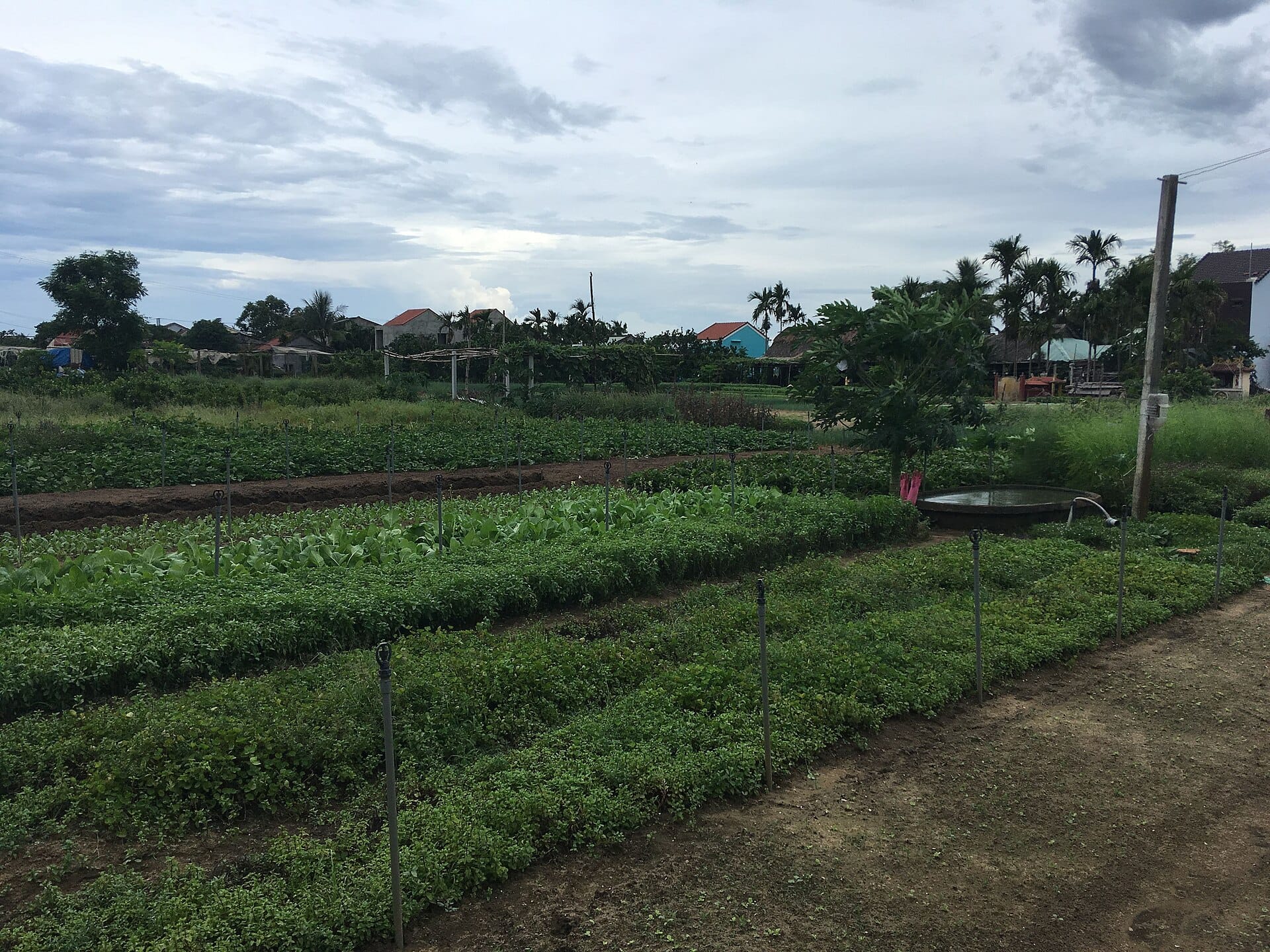
Between the old town and the beach, Tra Que is a 300-year-old herb-farming hamlet of about 40 households who grow the mint, basil, coriander and lettuce that Hoi An's kitchens run on, fertilised with algae dredged from the neighbouring lagoon. You can walk the raised beds for free, or pay for a hands-on session where farmers hand you a yoke and put you to work hoeing and watering before a cooking class and lunch.
Insider tip: Walking through is genuinely free and pleasant on a bicycle at golden hour; the paid farm-and-cooking experiences run 300,000–500,000 VND and are worth it only if you actually want the cooking class. Combine it with the basket boats — both sit on the same side of town.
Cost: Free to wander; 300,000–500,000 VND (~$12–19 / €11–18) for a farm workshop with lunch.
🗓️ A 3-Day Itinerary
Day 1 — The Old Town on Foot
Start early. Photograph the Japanese Covered Bridge at 6:30 a.m. before the crowds, then buy your 120,000 VND ticket and spend the morning on the Fujian Assembly Hall, Tan Ky House and the Trade Ceramics Museum — all within a five-minute walk of each other. Break for a bowl of cao lầu (25,000–30,000 VND) at a central-market stall. In the afternoon, get measured for clothes at a tailor (Yaly Couture is the town's most established) so it's ready before you leave, then rest through the heat. After dark, take a lantern boat on the river (from ~150,000 VND per boat) and float a candle, and finish with white rose dumplings and a bánh mì. Rough day cost, excluding tailoring: 350,000–450,000 VND (~$14–17 / €13–16) per person.
Day 2 — My Son and the Water Villages
Leave at 5:30 a.m. for My Son Sanctuary (150,000 VND entry) to beat both the heat and the coaches; you'll be done and driving back by late morning. After lunch and a break, cross to Cam Thanh for the Bay Mau basket boats (~75,000 VND each) and cycle through Tra Que at golden hour. Dinner back in the old town — try cơm gà (chicken rice, ~30,000 VND) at Cơm Gà Bà Buội. Rough day cost: 350,000–500,000 VND (~$14–19 / €13–18) per person, plus transport to My Son.
Day 3 — Beach and Backstreets
Cycle to An Bang Beach for the morning — swim, then grilled seafood at a beach shack. In the afternoon, pick up your finished tailoring, then wander the quieter Cam Nam island across the footbridge for bánh đập (smashed rice crackers with mussels) and sweet chè, or visit Thanh Hà pottery village (35,000 VND). Spend your last evening back among the lanterns. Rough day cost: 250,000–400,000 VND (~$10–15 / €9–14) per person.
🧠 Essential Tips
When to Go
Aim for February to April: dry, 22–30°C, low humidity, calm sea. May to August is hot (30–35°C) with short, sharp afternoon thunderstorms that pass quickly. Avoid September to November — this is the flood season, and October–November genuinely floods, with river water reaching 1–1.5 m up Bạch Đằng street along the waterfront. Late November to January is cool (18–24°C), drizzly and quiet. The lantern festival falls on the 14th of each lunar month — in 2026 that includes August 26, September 24 and November 22 — and it's free to attend, but book dinner and rooms two weeks ahead for those nights.
Getting There and Around
Fly into Da Nang International Airport (DAD), 30 km north. The easiest transfer is a Grab car — 250,000–350,000 VND (~$10–14 / €9–13), 30–45 minutes — booked on the app over the airport wi-fi; Grab is what everyone here uses and it removes any taxi-meter argument. The budget option is the public Yellow Bus #1 at 30,000 VND (~$1 / €1), but it takes 60–90 minutes with stops through Da Nang. In Hoi An itself you won't need cars: the old town is pedestrianised, and most hotels lend bicycles free. For anything further, use Grab (cars or motorbike-taxis) rather than flagging a random taxi.
Safety and Scams
Hoi An is very safe; the risks are to your wallet, not your person. The main ones: touts near the old-town entrances insisting you must buy a ticket to walk the streets (you don't — the ticket is only for the heritage sites); basket-boat rowers demanding large tips after a "free" spinning show (agree the tip first); and tailors quoting a low price then upselling fabrics or turning out rushed work — get at least one proper fitting, inspect the stitching, and don't pay in full upfront. Use metered Mai Linh or Vinasun taxis or Grab; some unbranded taxis run fast meters. And take the flood warning seriously: if you're here in October or November, check whether your hotel is on the low waterfront before booking.
What to Eat
Hoi An has its own dishes you won't find done the same way elsewhere. Cao lầu — thick chewy noodles with sliced pork, herbs and crisp croutons, traditionally made only with water from the town's Bá Lễ well — runs 25,000–30,000 VND. White rose dumplings (bánh bao vạc), translucent shrimp dumplings topped with fried shallots, are ~40,000 VND and best at the White Rose Restaurant that supplies most of the town. Bánh mì from Bánh Mì Phượng — the stand Anthony Bourdain made famous — starts around 20,000 VND. And cơm gà, turmeric chicken rice, is the thing to order at Cơm Gà Bà Buội for about 30,000 VND. Almost nothing you eat here will cost more than a couple of dollars.
🏨 Accommodation Guide
Budget (under $20 / €18 a night): The Tribee hostel group near the old town runs sociable dorms, and Under the Coconut Tree is the pick out at An Bang Beach; private homestay rooms around the edges of town run 250,000–400,000 VND (~$10–16 / €9–15). You're never more than a 10-minute cycle from the bridge.
Mid-range ($20–60 / €18–55): Boutique hotels with pools cluster on Cửa Đại road and the An Hội peninsula just across the river from the old town, at 800,000–1,500,000 VND (~$30–60 / €28–55). For beach mornings and town evenings, An Bang hotels at 500,000–1,200,000 VND (~$20–48 / €18–44) split the difference; riverside homestays on Cam Nam island are quieter and cheaper.
Luxury ($120 / €110 and up): The Anantara Hoi An Resort sits on the riverbank within walking distance of the old town, from roughly $120–320 (€110–290) a night. The benchmark splurge is Four Seasons The Nam Hai on Hà My Beach — one- to three-bedroom villas from around $320 (€290) into four figures, with a spa on stilts over lotus ponds. Both are a short drive from the lanterns.
❤️ Beyond the Tourist Trail
When the old town's evening crush gets to be too much, cross the little bridge to Cam Nam island, five minutes on foot from the centre: a low-rise sandbar of homestays and riverside stalls where locals go for bánh đập (a sheet of grilled-and-steamed rice cracker you smash and dip) and bowls of chè for a few thousand đồng. Further out, the craft villages that supplied the port for centuries still work: Thanh Hà pottery village (35,000 VND entry) turns out terracotta by hand and hands you a wheel to try, and Kim Bồng carpentry village across the river is free to walk, reached by a 10,000–20,000 VND sampan ferry — the woodworkers here carved half the beams in the old town you just paid to see. And if your dates line up, plan around a full-moon lantern night: it's the one evening the town looks exactly as it did when the ships still came in.
✈️ Plan Your Hoi An Trip with VoyaBear
Hoi An rewards good timing — the right month, the early hours before the tour buses, a full-moon night booked in advance — and getting those details right is the difference between an unforgettable trip and a soggy, crowded one. That's exactly what VoyaBear does. Tell us your dates, your budget and your pace, and we'll build you a personalised, day-by-day Hoi An itinerary with the tailors, the boat times and the beach days already sorted around the weather and the lunar calendar. Start planning your trip with VoyaBear today and travel like you've been here before.