VoyaBear


🏙️ Amman: The City That Rewards Anyone Who Slows Down
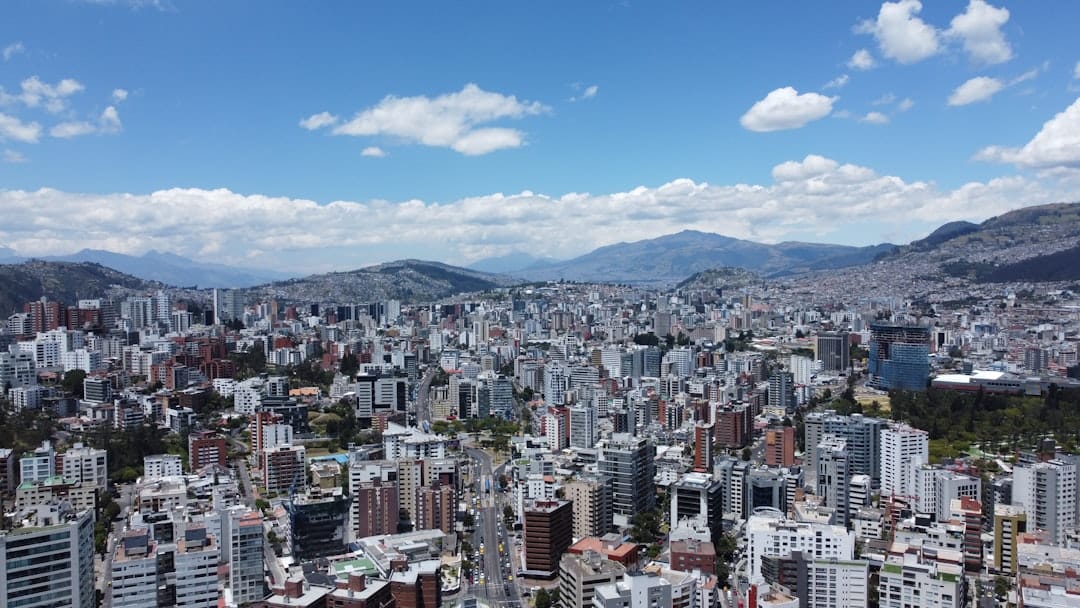
Most travelers treat Amman as a 24-hour holding pen before Petra and Wadi Rum. That's a mistake you can fix. Jordan's capital is built across a set of hills the locals number like clock positions — First Circle through Eighth — and the old downtown, Al-Balad, sits in the bowl between them. Stand on the Citadel at dusk and you'll watch a sea of pale limestone houses climb every slope at once, the call to prayer bouncing between them, while a 1,900-year-old Roman theatre glows below you. There's no beach and no skyline of glass towers; the appeal is a working Middle Eastern capital where a plate of the country's best hummus costs under two dinars and the Roman ruins don't come with a turnstile crush.
Amman is also one of the calmer, safer capitals in the region — Jordanians are relentless hosts, and "welcome to Jordan" is something you'll hear roughly forty times a day and mean it. The city works best as a two-to-three-day base: enough time for the ancient core, a proper eating tour of Al-Balad, and a half-day at Jerash, the best-preserved Roman provincial city outside Italy, an hour up the road. Here's exactly how to do it in 2026, with the fees, hours, and fares checked. One note on money: the Jordanian dinar (JOD) is pegged, so 1 JOD ≈ 1.41 USD ≈ 1.21 EUR — dinars are worth more than dollars, which surprises everyone.
🎭 Essential Experiences
The Amman Citadel (Jabal al-Qal'a)
This is where you start, because the hill has been continuously occupied for around 7,000 years and because the view orients you to the whole city. The headline ruins are the Temple of Hercules — two re-erected Roman columns over 10 metres tall, plus the marble fingers and elbow of a colossal statue that would have stood roughly 12–13 metres — and the 8th-century Umayyad Palace, whose reconstructed domed audience hall is the most intact structure on the site. Don't skip the on-site Jordan Archaeological Museum, which holds some of the Ain Ghazal statues, plaster figures roughly 9,000 years old and among the oldest large-scale sculptures of the human form anywhere.
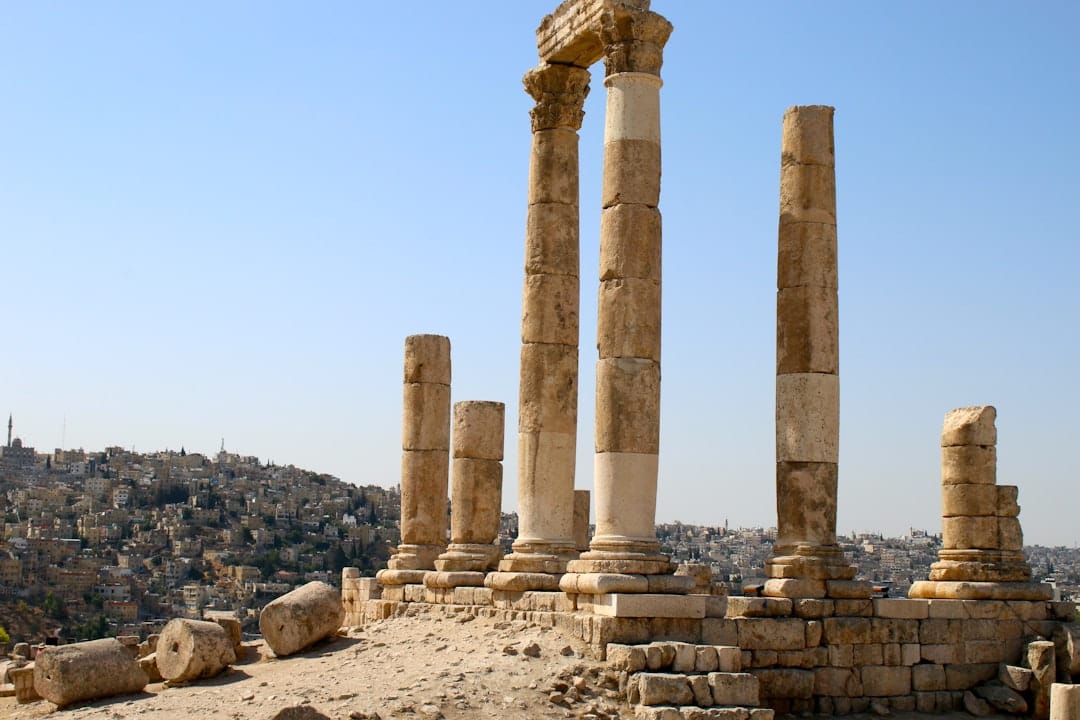
Cost: 3.5 JOD (about $5 / €4.25); the archaeological museum is a separate ~3 JOD. Both are free with the Jordan Pass. Hours: roughly 8:00–19:00 in summer, 8:00–16:00 in winter. Insider tip: come in the first hour after opening. The monuments face east and catch the morning light for photos, and you'll beat both the midday heat and the tour buses that arrive around 10:00. Give yourself 90 minutes.
The Roman Theatre
Cut into the north face of the hill so its audience always sat in shade, this 2nd-century AD theatre seats about 6,000 people and still hosts concerts. Climb to the very top row — the rake is steep enough to be mildly alarming — and test the acoustics; someone speaking on the stage floor is audible at the back. Your ticket also covers two small, genuinely worthwhile museums flanking the stage: the Jordan Folklore Museum and the Museum of Popular Traditions, the latter with a good collection of Bedouin jewellery and traditional dress.
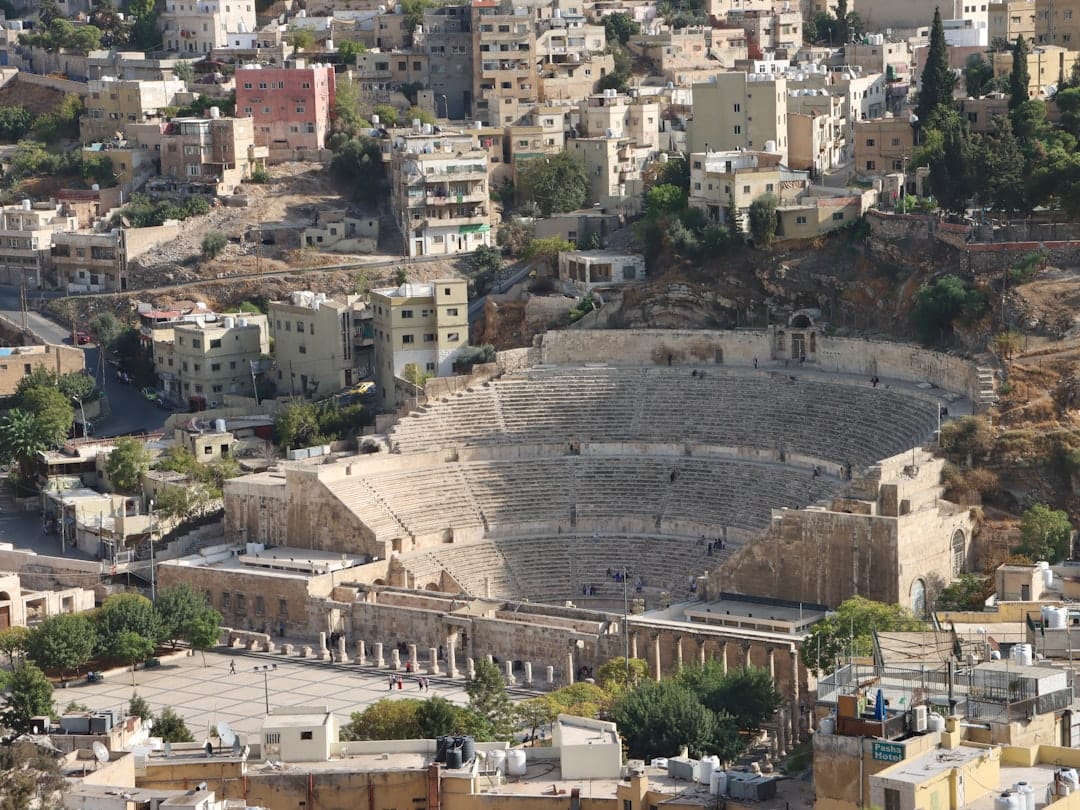
Cost: 2 JOD (about $2.80 / €2.40), covered by the Jordan Pass. Hours: from 8:00, closing around 18:30 in summer and 16:00 in winter. Insider tip: the theatre and the Citadel look at each other across downtown, so pair them in one morning — walk down from the Citadel into Al-Balad and the theatre is a five-minute stroll from Hashem restaurant. Late afternoon light hits the seating best if you can only come once.
Rainbow Street and Jabal Amman
Rainbow Street is the walkable spine of Jabal Amman, the old first-circle neighbourhood, lined with restored 1920s–30s houses now holding cafés, bookshops, and rooftop restaurants. It gets busy and slightly touristy in the evenings, which is the point — this is where Ammanis come out to promenade. Stop at Al-Quds Falafel, frying since 1966, and eat standing up. On summer Fridays the street hosts Souk Jara, an open-air market of handicrafts, food, and live music.
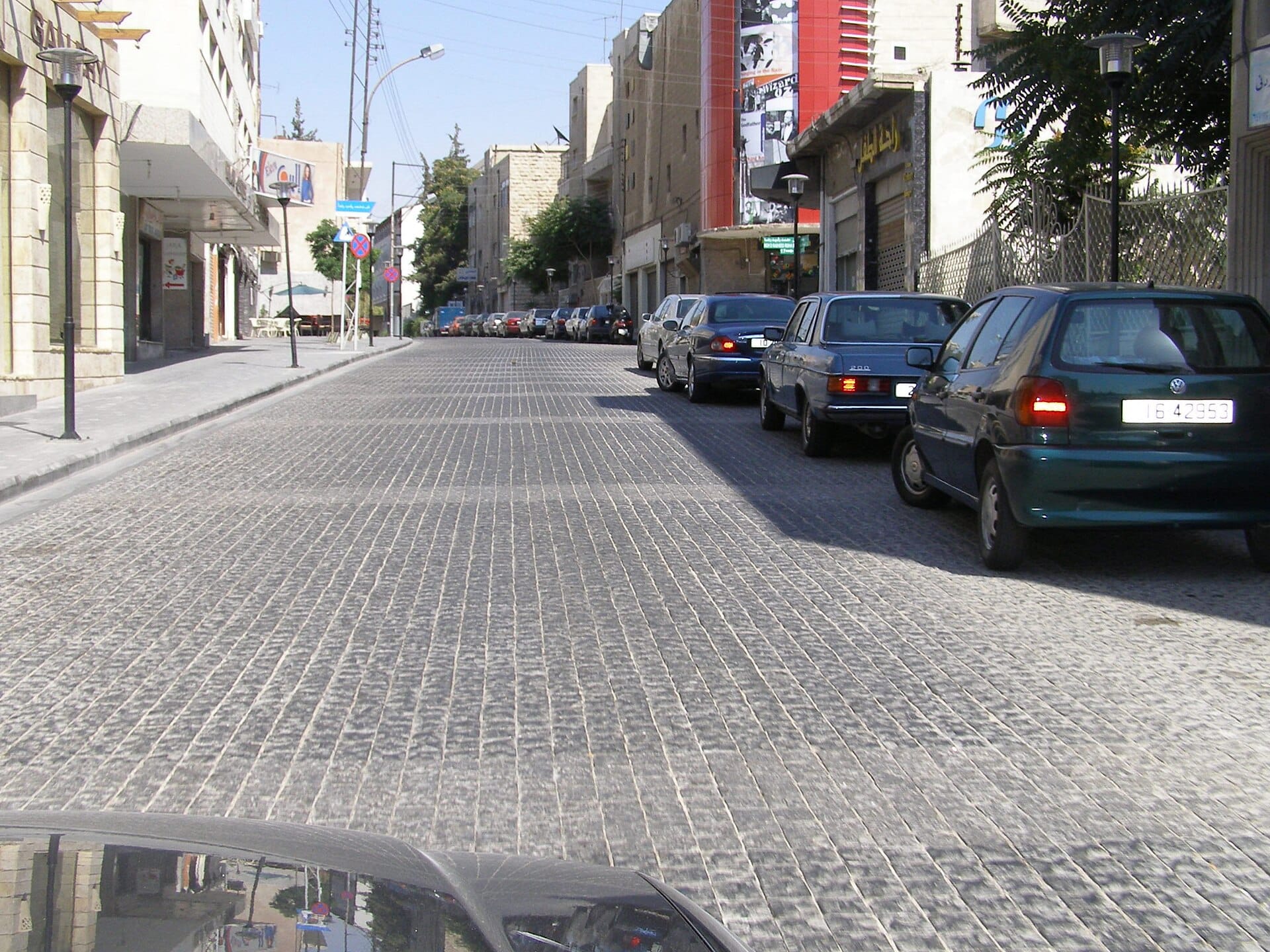
Cost: free to wander. Souk Jara runs Fridays, roughly 10:00–22:00, mid-May to mid-September only — don't plan around it in winter, when it's closed. Insider tip: the best value here is the view, not the souvenir shops. Grab a mint lemonade at a rooftop café near the top of the street around sunset and watch the hills light up; you're paying café prices for the same panorama the fancy hotels charge a fortune for.
King Abdullah I Mosque
The one major mosque in Amman that welcomes non-Muslim visitors, recognisable across the city by its octagonal blue mosaic dome. Inside, the prayer hall sits under that dome with no internal columns, and there's a small Islamic museum with the late king's personal effects. It's a genuine working mosque, so visits are around prayer times and Fridays.
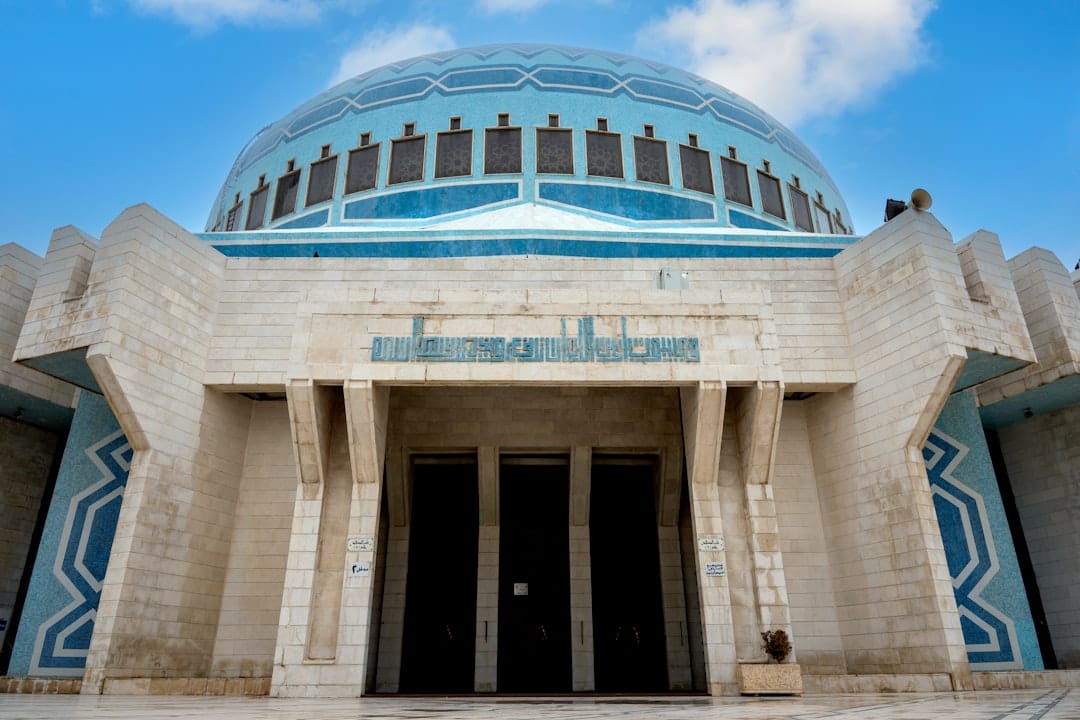
Cost: 2 JOD for non-Muslims. Hours: roughly 8:00–16:00, Saturday to Thursday; closed to tourists on Fridays and during the five daily prayers. Insider tip: dress code is enforced — legs and shoulders covered for everyone, hair covered for women — but you don't need to buy anything, as hooded abayas are lent free at the entrance. Come mid-morning on a weekday to have the courtyard nearly to yourself.
The Jordan Museum
Skip this only if you actively dislike history. Down in the Ras al-Ain area, this is the country's flagship museum and it's arranged chronologically, so you walk from the Neolithic forward. The two show-stoppers: the Ain Ghazal statues (roughly 9,000 years old, around 7000 BC) and Jordan's portion of the Dead Sea Scrolls, including the enigmatic Copper Scroll, which reads as a treasure map and has never been fully deciphered.
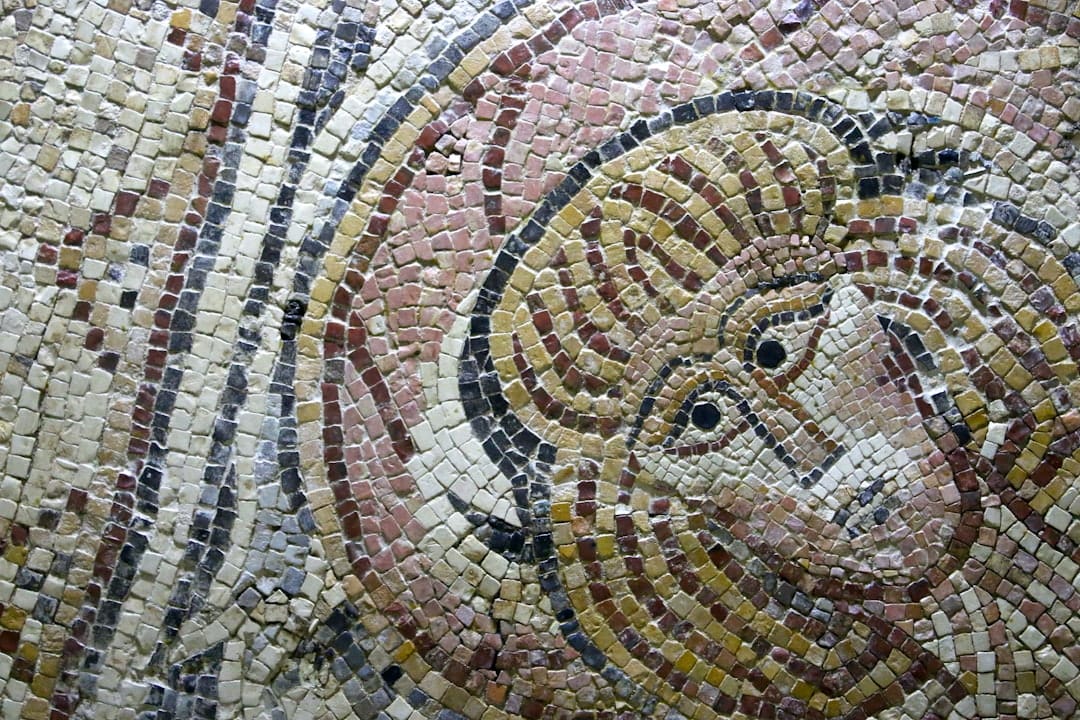
Cost: 5 JOD (about $7 / €6). Hours: 9:00–17:00 most days, with a shorter afternoon window on Fridays (roughly 15:00–18:00); closed Tuesdays, so don't build your Tuesday around it. Insider tip: it's a taxi ride from the downtown core rather than a walk — budget 2–3 JOD by metered cab — and allow at least 90 minutes. The English signage is thorough, so you don't need a guide.
Downtown (Al-Balad) and the Souks
Al-Balad is the loud, fragrant heart of old Amman, and it's best eaten rather than merely seen. Start at Hashem, an open-air institution off King Faisal Street that has served nothing but falafel, hummus, foul, and fresh bread, 24 hours a day, for a few dinars a head — it's a downtown fixture where the Jordanian royal family has famously eaten. Finish two doors down at Habibah Sweets, the city's most beloved kunafa counter, where a warm square of shredded pastry, melted cheese, and syrup is handed over for pocket change. In between, wander the gold souk and the produce lanes off Al-Malek Faisal Street.
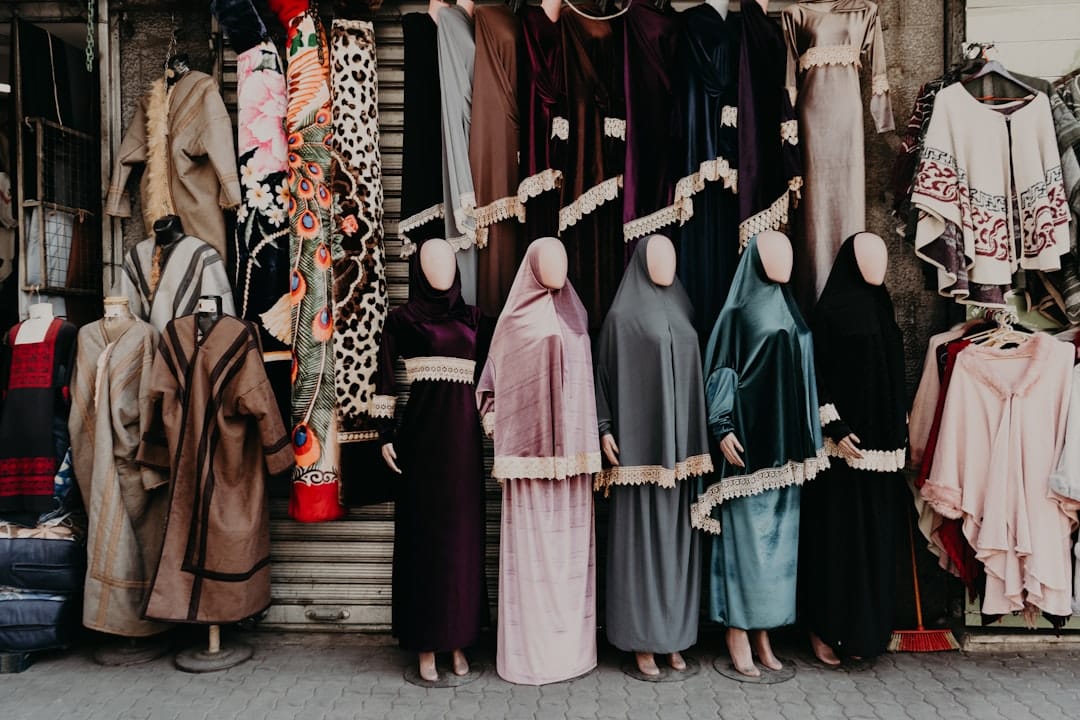
Cost: a full meal at Hashem plus kunafa at Habibah comes to under 5 JOD. Insider tip: Habibah's original hole-in-the-wall branch, down a passageway off the main street, is where locals queue for takeaway kunafa nabulsiyeh — look for the crowd, not the sign. Eat the kunafa immediately; it's a hot dessert and dies quickly.
Jerash — the Day Trip You Should Actually Take
About 48 km north of Amman, Jerash is one of the best-preserved Roman provincial cities in the world, and it dwarfs anything inside the capital. You enter under Hadrian's Arch, then hit the unmistakable Oval Plaza, a colonnaded forum ringed by 56 Ionic columns, and walk the Cardo Maximus, an 800-metre colonnaded main street still rutted by chariot wheels. The Temple of Artemis and the South Theatre — where buskers sometimes play bagpipes, a genuine Jordanian tradition — round it out.
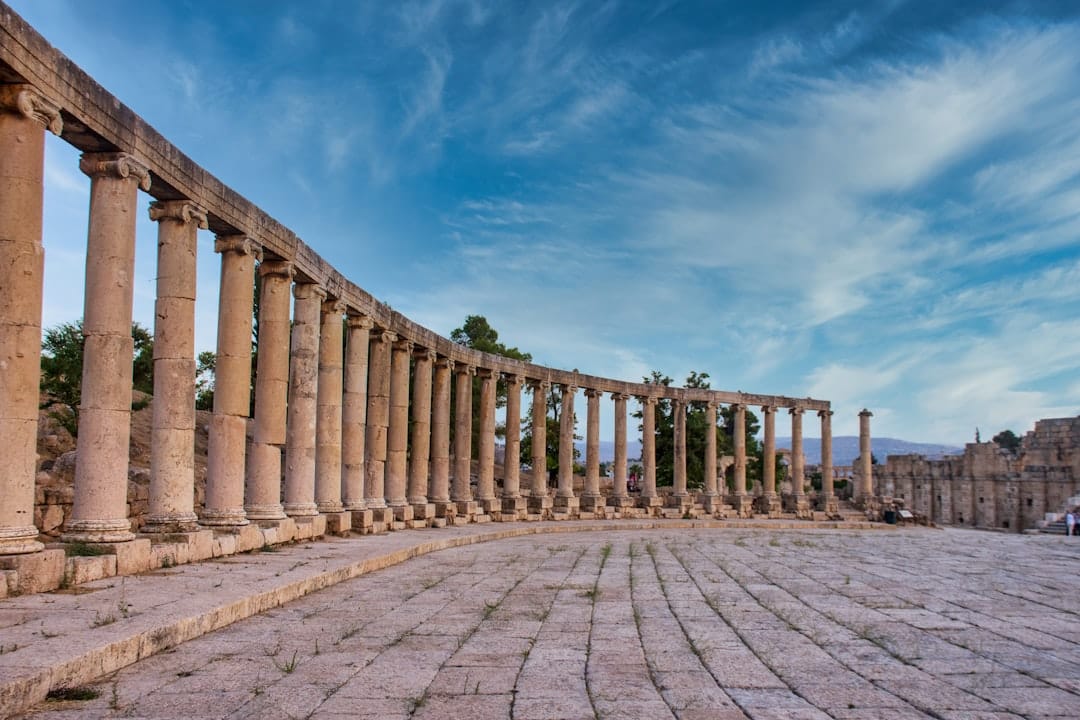
Cost: 12 JOD (about $17 / €14.50), and it's covered by the Jordan Pass — reason enough to buy the pass if you're also doing Petra. Getting there: buses run from Amman's North Terminal (Tabarbour) for around 1 JOD and take under an hour; a taxi with waiting time runs about 40 JOD return. Insider tip: allow 2–3 hours, and go early — there's almost no shade among the ruins and midday in summer is brutal. If you're here between 22 July and 2 August 2026, the Jerash Festival stages music and theatre among the ruins across more than 15 venues.
🗓️ A 3-Day Itinerary
Day 1 — The Ancient Core
Start at the Citadel at opening (8:00) for cool air and empty ruins (3.5 JOD + 3 JOD museum). Walk down into Al-Balad — 15 minutes downhill — and have an early lunch at Hashem (under 3 JOD), then kunafa at Habibah. Cross to the Roman Theatre (2 JOD, five minutes on foot) and climb the top tier. Spend the late afternoon browsing the downtown souks, then taxi up to Rainbow Street (2–3 JOD) for dinner and a rooftop sunset. Approx. spend: 15–25 JOD ($21–35 / €18–30) including food and taxis.
Day 2 — Jerash and the North
Take an early bus from North Terminal to Jerash (about 1 JOD, under an hour) and spend the morning among the ruins (12 JOD) before the heat peaks. Back in Amman by mid-afternoon, visit the Jordan Museum in Ras al-Ain (5 JOD) — remember it's closed Tuesdays, so swap days if needed. Evening in Jabal Al Weibdeh for dinner among the galleries. Approx. spend: 25–40 JOD ($35–56 / €30–48) with transport, tickets, and meals.
Day 3 — Neighbourhoods and Slow Time
Morning at King Abdullah I Mosque (2 JOD) while it's quiet, then a long lunch of proper mansaf at a sit-down restaurant on or near Rainbow Street. Spend the afternoon on foot in Jabal Al Weibdeh: the free Darat al Funun art complex, independent cafés, and the street murals around Paris Circle. If it's a summer Friday, end at Souk Jara. Approx. spend: 20–35 JOD ($28–49 / €24–42), most of it on a good mansaf lunch and coffee.
🧠 Essential Tips
When to Go
Aim for spring (March–May) or autumn (September–November). April is close to ideal: average highs around 22–23°C and lows near 9–10°C, with the winter rains gone and wildflowers on the hills. Summer (June–August) is hot and bone-dry — comfortable in the shade but punishing on exposed ruins like Jerash by midday. Winter is genuinely cold: Amman sits at around 1,000 metres and gets the occasional snow day that shuts the city down, so pack layers if you come December to February.
Getting Around
From Queen Alia International Airport (35 km south), the cheapest reliable option is the Sariyah Airport Express bus at 3.4 JOD (about $4.80), which runs roughly every 30–60 minutes to the 7th Circle and the North Terminal (Tabarbour); airport departures run from around 6:00 until midnight. A taxi to the city centre is a fixed 15–20 JOD. In town, use Careem — the region's dominant ride-hailing app — or Uber, both of which remove all fare haggling. If you flag a street taxi (white with yellow plates), insist on the meter (say "addad"); the flag fall is 0.30 JOD and it's around 0.45 JOD per kilometre, so most city rides are 2–5 JOD.
Money and the Jordan Pass
If you're visiting Petra or Wadi Rum after Amman, buy the Jordan Pass before you arrive (from around 70 JOD). It waives the 40 JOD tourist visa fee if you stay at least three nights, and it covers entry to Petra plus 40-odd sites including the Citadel, Roman Theatre, and Jerash — so it usually pays for itself on day one. Carry small cash: downtown eateries, buses, and souks are cash-only.
Safety and Scams
Amman is one of the safest big cities in the Middle East, and violent crime against tourists is rare. The real annoyances are transactional: taxi drivers who claim the meter is "broken" and quote an inflated flat rate, and airport touts offering "special" fares well above the standard 15–20 JOD. The fix is simple — use Careem, or refuse the ride if a metered driver won't run the meter. As a solo woman traveller you'll get some attention but little aggression; dressing modestly (covered shoulders and knees) draws less of it and is expected at religious sites regardless.
Food to Seek Out
The national dish is mansaf: lamb slow-cooked in jameed, a tangy sauce of fermented dried yogurt, served over rice and flatbread and traditionally eaten with your right hand. Have it at a proper sit-down spot rather than a snack bar. Beyond it: hummus and foul at Hashem, kunafa at Habibah, mixed grills and mezze at the bigger Jabal Amman restaurants, and falafel from Al-Quds. Tap water is best avoided; bottled water is cheap everywhere.
🏨 Accommodation Guide
Budget (roughly $12–30 / €10–26 a night): Stay in Al-Balad (downtown) to be within walking distance of the Citadel, theatre, and the best cheap eating. Hostels here run dorms from around $11 and simple private rooms in the $20–30 range; you trade quiet for being in the middle of everything, including the pre-dawn call to prayer.
Mid-range (roughly $60–130 / €50–110 a night): Jabal Al Weibdeh is the sweet spot — a leafy, arty neighbourhood of boutique guesthouses and independent cafés, walkable and calmer than downtown but still central. Jabal Amman, around Rainbow Street, is the other strong choice for boutique stays with rooftop views.
Luxury (roughly $150–350+ / €125–290+ a night): The five-star cluster spreads across Abdoun (the embassy district, home to the Four Seasons and St. Regis), Abdali (the modern downtown, with the W Amman), and Shmeisani/Jabal Amman (the Grand Hyatt). These deliver full spas, rooftop pools, and reliable quiet — worth it if you're bookending a desert trip and want a soft landing.
❤️ Beyond the Tourist Trail
Give an afternoon to Jabal Al Weibdeh, the city's creative quarter and the neighbourhood locals will tell you is the "real" Amman. Anchored by Darat al Funun, a free contemporary-art complex set in restored 1920s villas over a 6th-century Byzantine church, it's a grid of quiet streets full of independent galleries, third-wave coffee shops, and large-scale murals — many by the Baladk street-art project — that turn blank walls into portraits and political commentary.
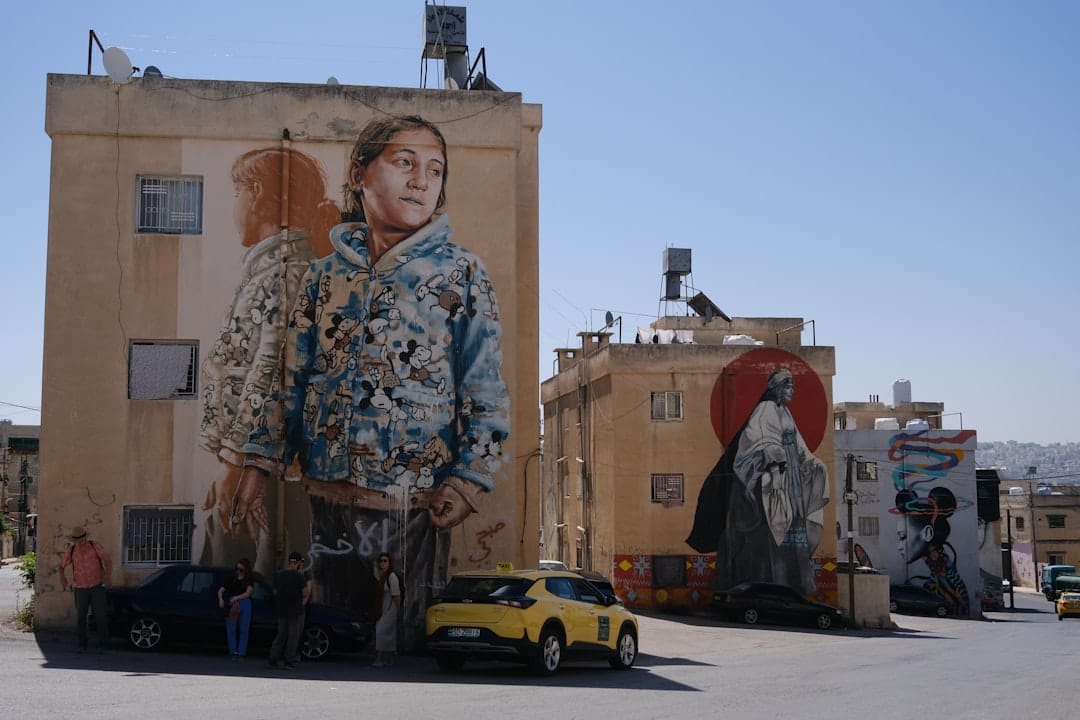
Sit at a café on Paris Circle and you'll see the Amman that doesn't show up on the ruins circuit: students, artists, and a slower pace.
For a dated, worth-planning-around event, the Jerash Festival of Culture and Arts celebrates its 40th edition from 22 July to 2 August 2026, filling the ancient city with more than 200 performances from around 20 countries — theatre in a Roman amphitheatre is a hard thing to beat. And if you have a spare morning, the Duke's Diwan on King Faisal Street — Amman's oldest surviving apartment building, now a free, eccentric little museum of old photographs and furniture — is a five-minute detour that most visitors walk straight past.
Plan Your Amman Trip with VoyaBear
Amman rewards a plan built around its rhythms — ruins before the heat, long lunches in Al-Balad, a day carved out for Jerash, and a neighbourhood base that matches how you like to travel. That's exactly what VoyaBear does: personalized, fact-checked trip planning that turns a guide like this into a day-by-day itinerary with your hotels, your pace, and your budget already sorted. Tell VoyaBear when you're going and what you love, and get a custom Amman itinerary built around you — start planning at voyabear.com.