VoyaBear


Granada is the one Andalusian city where you can stand in a 14th-century sultan's throne room in the morning and be handed a free plate of fried anchovies with your afternoon beer. It is the last stronghold the Nasrid dynasty held before 1492, and the Alhambra they left behind is the most-visited monument in Spain, drawing close to 3 million people a year up the hill above the Darro river. But the Alhambra is a three-hour visit, and Granada rewards the traveler who stays for the other three days: the whitewashed lanes of the Albaicín, the cave-flamenco of Sacromonte, and a tapas culture where the small plate still arrives free with every drink — one of the last cities in Spain where that holds true.
Here is exactly what to see, what it costs in 2026, when to come, and how to avoid the mistakes that turn a Granada trip into a queue.
🏛️ Essential Experiences
1. The Alhambra and the Nasrid Palaces
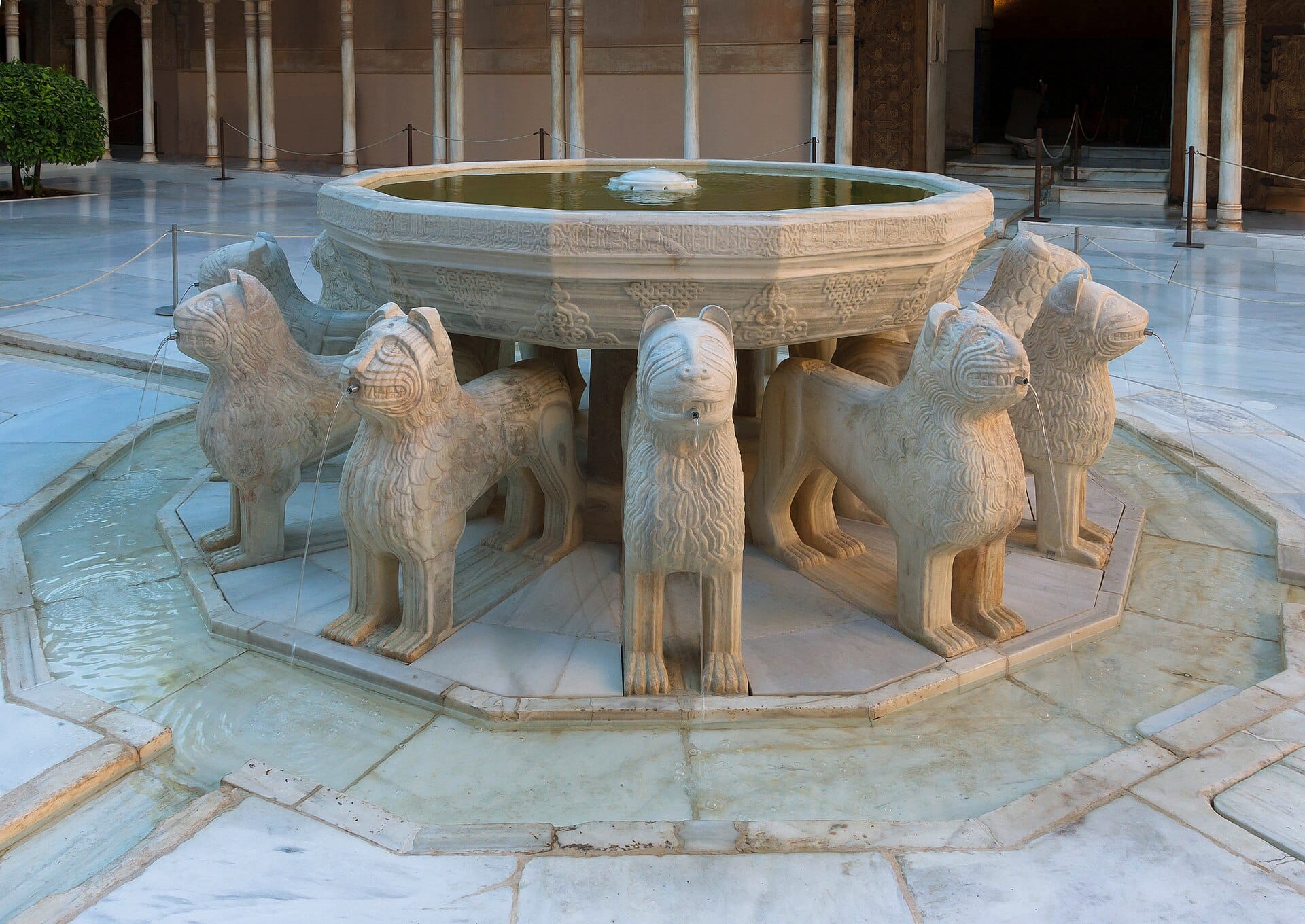
This is the reason you came, and it is worth every bit of the hype — but only if you book correctly. The general day ticket costs €22.27 (about $26) and covers the whole complex: the Alcazaba fortress, the Generalife gardens, and the Nasrid Palaces, which are the finest surviving Islamic palace interiors in Europe. The Court of the Lions, with its twelve marble lions and honeycomb muqarnas ceilings, and the Hall of the Ambassadors, where Boabdil is said to have signed away the city, are the highlights. The complex is open 8:30–20:00 from April 1 to October 14 and 8:30–18:00 from October 15 to March 31.
Insider tip: Your ticket assigns a fixed half-hour slot for the Nasrid Palaces, printed on the ticket, and it is the one rule the Alhambra enforces without mercy — miss it and you do not get in. Collect or activate your ticket at least an hour before that slot. Book online 3 to 4 months ahead for summer visits; in July and August the daily allocation regularly sells out the same day it is released. If everything is gone, the night visit to the Nasrid Palaces (€12.73, about $15) is the insider move — far fewer people, the palaces lit low, and often available when day tickets are not.
2. The Generalife Gardens
The Generalife was the Nasrid sultans' summer retreat, a short walk uphill from the main palaces and included in your general ticket. The Patio de la Acequia — a long courtyard split by a water channel with arcing jets — is the postcard shot, and the cypress-lined walkways and rose terraces are at their best in late April and May when everything is in bloom. It is calmer than the Nasrid Palaces and a good place to slow down after the crowds inside.
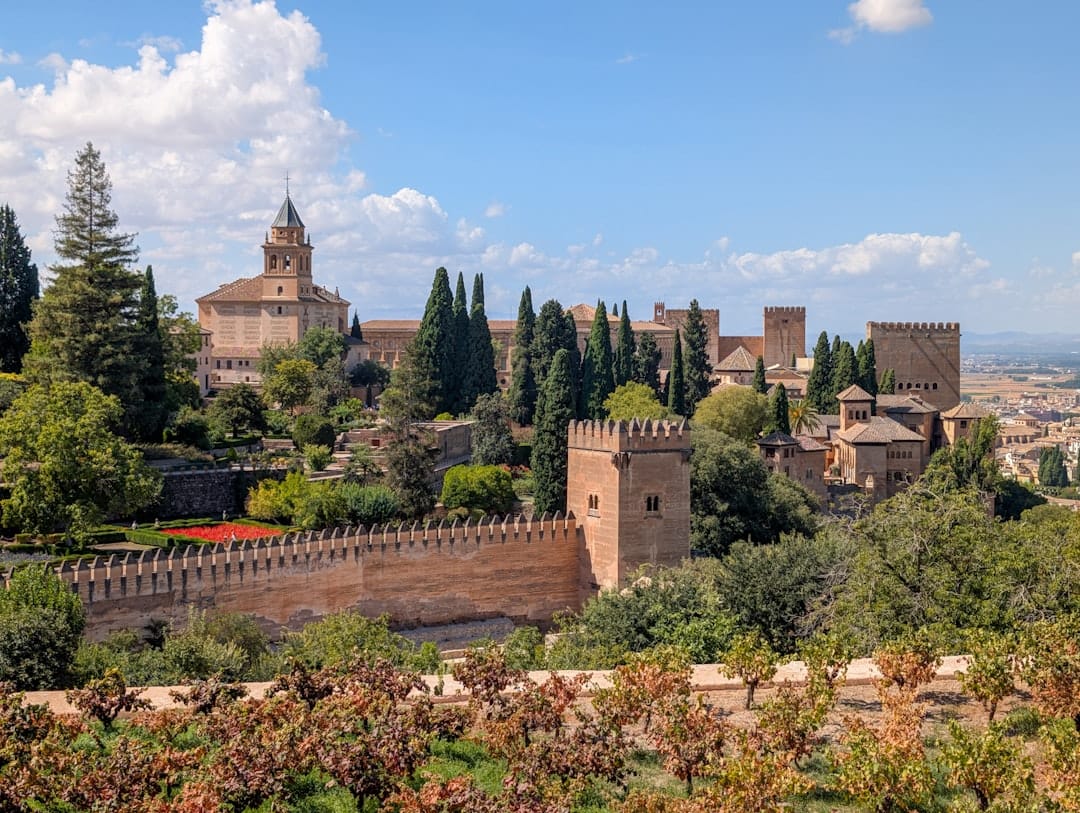
Insider tip: If the full Alhambra is sold out, there is a separate Gardens and Generalife ticket for €12.73 (about $15) that skips the Nasrid Palaces but still gets you the gardens, the Alcazaba, and the Partal. It is the cheapest legitimate way onto the hill and rarely sells out.
3. The Albaicín and the Mirador de San Nicolás
The Albaicín is the old Moorish quarter across the valley from the Alhambra, a UNESCO-listed maze of cobbled lanes, carmen villas hidden behind high walls, and dead ends that Google Maps will not save you from. It costs nothing to wander, and you should. The payoff is the Mirador de San Nicolás, a small plaza in front of a church with a head-on view of the Alhambra with the snow-capped Sierra Nevada behind it — the view Bill Clinton once called the most beautiful sunset in the world, which is why it is packed by dusk.
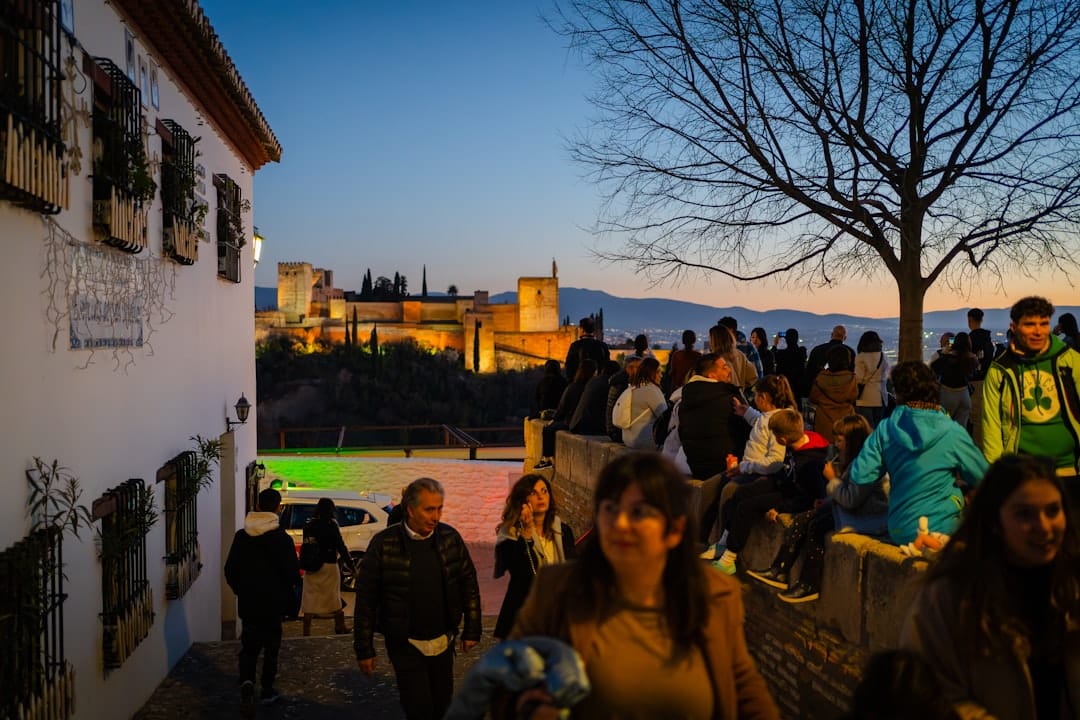
Insider tip: Everyone arrives at San Nicolás for sunset, so it is shoulder-to-shoulder and ringed with buskers and drink-sellers by 8pm. Come at 9 or 10am instead — the light is on the Alhambra's north face, the plaza is nearly empty, and you can actually get to the wall. To reach it without the steep climb, take minibus C31 or C32 from Plaza Nueva.
4. Granada Cathedral and the Royal Chapel
Down in the flat center, the Cathedral and the Royal Chapel sit side by side and tell the other half of Granada's story — the Catholic one. The Royal Chapel (Capilla Real, €7 / about $8) is the more moving of the two: it holds the tombs of Ferdinand and Isabella, the monarchs who took the city in 1492, along with their daughter Juana "the Mad" and her husband Philip. Their carved marble effigies lie above a crypt where you can see the surprisingly plain lead coffins. The Cathedral next door (€10, about $12, during the KERYGMA exhibition running through November 28, 2026; €7 otherwise) is a vast Renaissance space with a blindingly white circular main chapel.
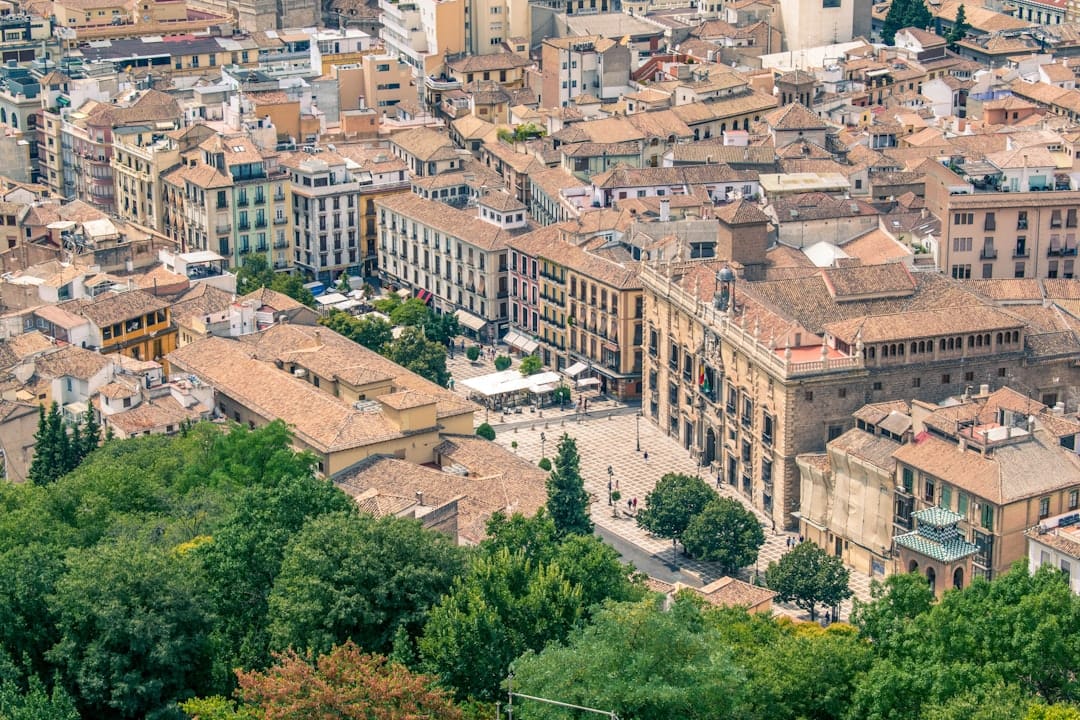
Insider tip: The Royal Chapel bans photography and enforces it, so put the phone away and actually look — the wrought-iron grille by Bartolomé de Jaén around the tombs is the detail most people walk straight past. The Chapel is open Monday–Saturday 10:00–14:00 and 15:00–19:00; go right at opening before the tour groups roll in around 11.
5. Sacromonte and Cave Flamenco
Sacromonte is the hillside above the Albaicín where Granada's Roma community carved homes into the rock, and where the raw, percussive zambra style of flamenco was born. The Museo Cuevas del Sacromonte (€5, about $6, open 10:00–20:00) is a set of restored cave-dwellings that shows how people actually lived in them, with a terrace view back toward the Alhambra that rivals San Nicolás and draws a fraction of the crowd.
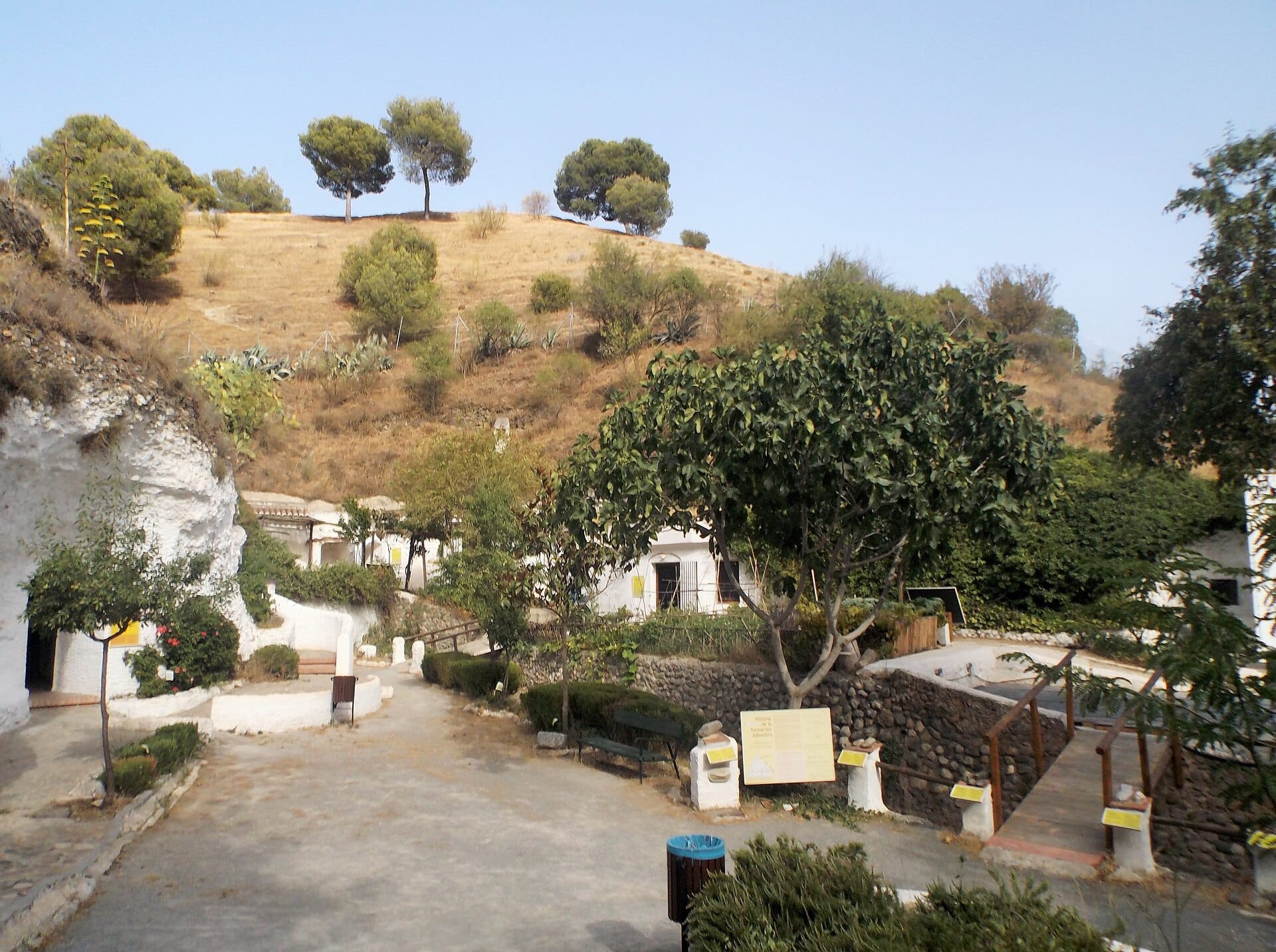
Insider tip: An evening zambra show in a cave is Granada's signature night out, but it is also its most reliable tourist trap — avoid anyone handing out flyers or steering you uphill in the street. Book a reputable venue directly: Cuevas Los Tarantos, Venta El Gallo, or the historic Cueva de la Rocío run genuine shows, typically €25–30 (about $29–35) for the performance alone, more with dinner or transport.
6. The Carrera del Darro and El Bañuelo
The Carrera del Darro is often called the most beautiful street in Granada, and for once the label holds: a narrow riverside lane of cobblestones running below the Alhambra, crossed by medieval stone bridges, connecting Plaza Nueva to the Paseo de los Tristes. It is free, it is walkable in twenty minutes, and it is where you get the classic low-angle shots of the Alhambra towers rising straight out of the trees. Halfway along sits El Bañuelo, a set of 11th-century Arab baths — among the oldest and best-preserved in Spain — with brick vaults pierced by star-shaped skylights.
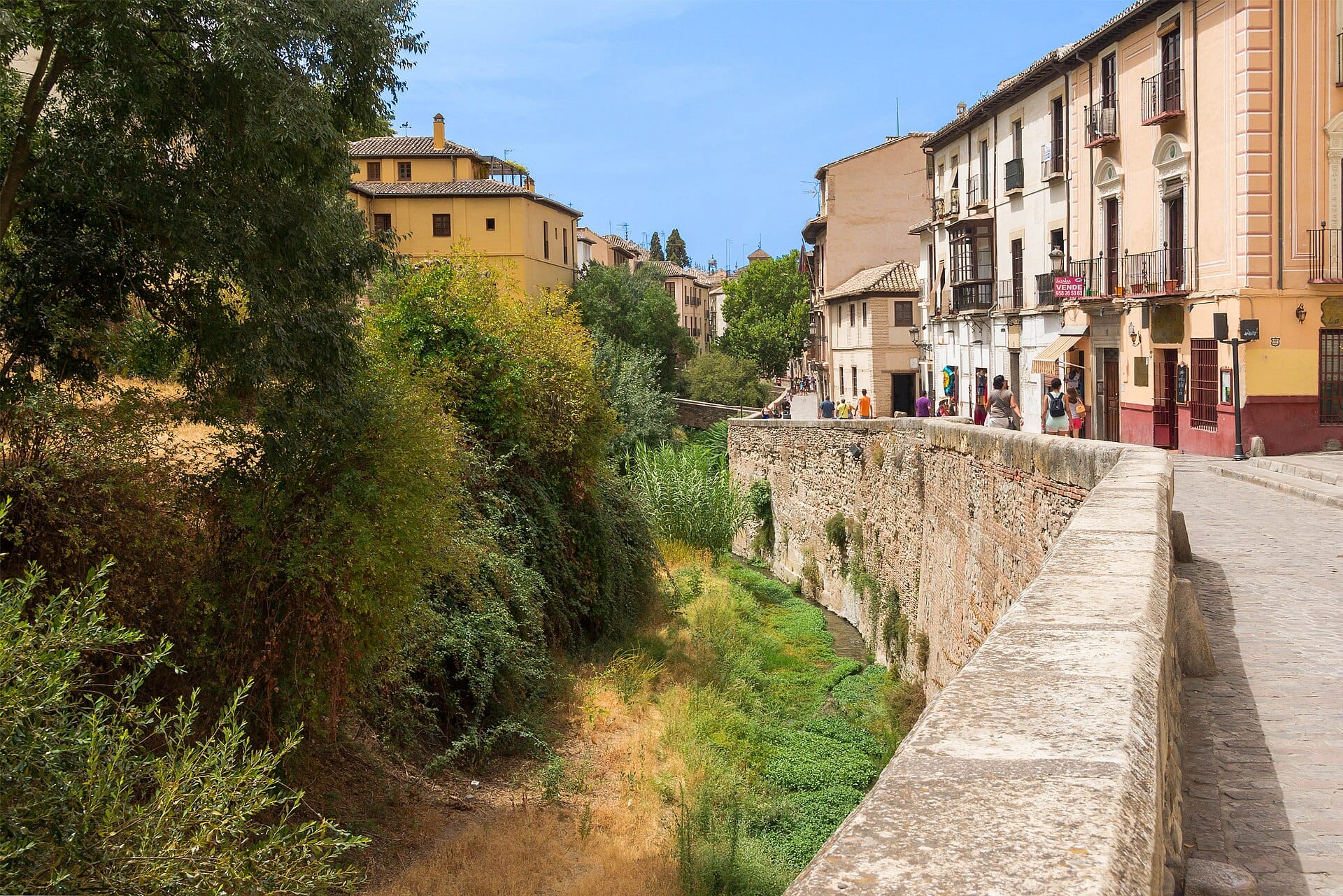
Insider tip: Walk the Carrera del Darro just before sunset when the low light hits the Alhambra walls gold, then continue to the Paseo de los Tristes for a drink at a terrace directly under the fortress. El Bañuelo is covered by Granada's combined Dobla de Oro monument ticket, or a couple of euros on its own — a five-minute stop, but a genuinely old one.
7. The Cartuja Monastery
Two kilometers north of the center, well off the tourist track, the Monasterio de la Cartuja (€7, about $8, audio guide included) is Granada's Baroque showpiece and the antidote to Alhambra crowds. The sacristy is the reason to come: a riot of brown-and-white marble, twisting columns, and carved stucco so dense it looks like frosting, widely rated one of the finest Baroque interiors in Spain. Most visitors never make it here, so you will often have rooms to yourself.
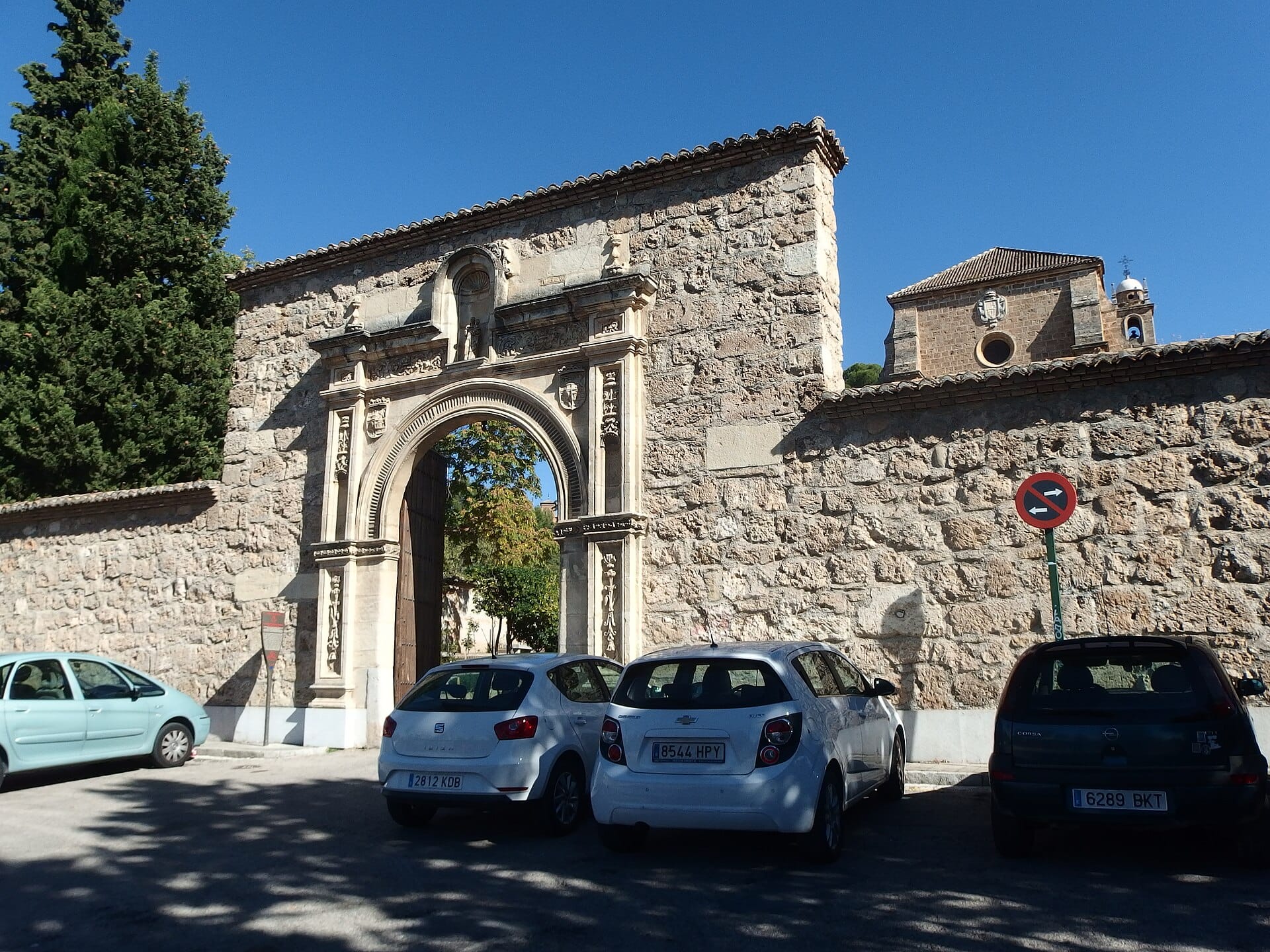
Insider tip: It is open Monday–Friday and Sunday 10:00–18:00, and Saturday only 10:00–13:00 and 15:00–18:00 — so avoid a Saturday-afternoon-into-lunch gamble. Take city bus line 8 from the center (about 15 minutes) rather than walking the unremarkable 30-minute route out past the university.
🗓️ A 3-Day Itinerary
Day 1 — The Alhambra and the old center
Book your Nasrid Palaces slot for the morning, around 9:30–10:00. Enter through the main gate, do the Alcazaba fortress first for the tower views over the city, then the Nasrid Palaces at your slot, then the Generalife gardens — budget three to four hours total and wear real shoes, the complex is large and largely uphill. Ticket: €22.27 (about $26). Walk back down into town for a late lunch on Calle Navas, the pedestrian tapas street, where a beer or wine (€2.50–3) comes with a free tapa. Afternoon: the Royal Chapel and Cathedral (about €17 for the two, roughly $20), which sit a two-minute walk apart. Evening: tapas-hop through the Realejo quarter — three drinks with their free tapas will run you under €12 (about $14) and count as dinner.
Day 2 — Albaicín, Sacromonte, and the river
Start early at the Mirador de San Nicolás (free) while it is empty, then spend the morning getting lost in the Albaicín's lanes and the shops of the Calle Calderería Nueva, the "little Morocco" street of teterías (tea houses) and spice stalls. Lunch at a carmen with a terrace. Afternoon: walk down to the Carrera del Darro, stop at El Bañuelo, and continue along the river. Late afternoon, decompress at Hammam Al Ándalus on Calle Santa Ana — a 75-minute Arab-bath session with a 15-minute massage is €59 (about $68); book a slot in advance. Evening: a genuine zambra flamenco show in a Sacromonte cave (€25–30, about $29–35). Take minibus C34 up or walk it in daylight and taxi back.
Day 3 — Baroque Granada and slow tapas
Morning: bus line 8 out to the Cartuja Monastery (€7, about $8) for the Baroque sacristy, then back for the Monasterio de San Jerónimo (€7, about $8), a quieter Renaissance monastery with a spectacular painted church, on the way into town. Afternoon: shop for piononos — the little rum-soaked sponge cakes from nearby Santa Fe — and browse the Alcaicería, the reconstructed silk-market lanes by the Cathedral. If the Alhambra sold out on Day 1, this is your window for the night visit to the Nasrid Palaces (€12.73, about $15) — a completely different, near-empty experience under low light.
🧠 Essential Tips
When to go
Aim for May, September, or October. May is the best single month: daytime highs around 25°C, the Generalife roses at peak, and two of the year's big festivals — the Cruces de Mayo flower-cross competition in early May and Corpus Christi (late May into early June), Granada's main fair with casetas and processions. September still hits about 28°C but with far thinner crowds than summer, and October is the value sweet spot: around 23°C, gold autumn light, and hotel rates 30–40% below spring. Avoid July and August unless you must — highs reach 34°C and Alhambra queues run 90 minutes — though the summer International Festival of Music and Dance, with concerts staged inside the Alhambra itself, is the one reason to brave the heat. Winter is quiet and cheap (13–15°C), and doubles as ski season on the Sierra Nevada, 45 minutes away by road from late November to April.
Getting in and getting around
From Federico García Lorca Granada-Jaén Airport (GRX), the Alsa airport bus costs €3 (about $3.50), takes about 45 minutes into the center, and departs roughly 30 minutes after each flight lands, running 6:00–23:30. A taxi is €25–35 (about $29–41) depending on day and hour. Granada's historic center is compact and walkable; the real transport workhorses are the little red Alhambra minibuses — C30 from Plaza Isabel la Católica to the Alhambra, C31/C32 around the Albaicín, and C34 up to Sacromonte. A single ride is €1.60 (about $1.85), but a rechargeable Credibús card drops it to about €0.53 a trip and works on both the minibuses and city buses; buy a €5 card (9 trips) from the driver and share it across your group. Download the Alsa app for intercity buses and BonoBici or a standard ride-hailing app for taxis (Uber and the local PideTaxi both operate).
Staying safe and not getting fleeced
Granada is a safe city, and the risks are annoyances rather than dangers. The classic is the rosemary-sprig scam near the Cathedral and on the way up to San Nicolás: a woman presses a sprig of rosemary into your hand "for luck," then demands money and grabs your palm to "read" it. Say no gracias, keep your hands in your pockets, and walk. In Sacromonte, ignore anyone in the street offering to lead you to a flamenco show — book directly with a named venue instead. Watch for pickpockets in the Alhambra ticket queue and on packed minibuses, and stick to the main, lit lanes of the Albaicín late at night, where the unmarked alleys are genuinely disorienting after dark.
What to eat
Granada is one of the last Spanish cities where the tapa is free with your drink — order a caña (small beer) or a wine, usually €2.50–3, and food arrives unbidden. Three or four drinks is a full, cheap dinner. Do the crawl on Calle Navas, Calle Elvira, and through Realejo. Order the local dishes by name: habas con jamón (broad beans with cured ham), the hearty plato alpujarreño (potatoes, fried egg, blood sausage, and chorizo from the mountain villages), remojón granadino (an orange, cod, and olive salad), and the daring tortilla del Sacromonte, an omelette traditionally made with offal. For specific spots, Los Diamantes (several branches, famed for fried seafood) and Bar La Trastienda, hidden behind a grocery counter on Plaza de Cuchilleros, are locals' benchmarks. Save room for a pionono from a Santa Fe bakery and bread from nearby Alfacar.
🏨 Accommodation Guide
Where you sleep in Granada is a genuine trade-off between atmosphere and your ankles, because the prettiest quarter is also the steepest.
Budget (€15–40 / about $17–46 a night): Dorm beds and cheap privates cluster in and around the center. TOC Hostel Granada near the Cathedral is design-forward with both dorms and private rooms; Oasis Backpackers in the lower Albaicín is the social hub; Carlota Braun in Realejo is modern and central. Base yourself in the Centro if you have a wheeled suitcase — the streets are flat and paved.
Mid-range (€80–150 / about $93–174 a night): The Realejo and lower Albaicín are where boutique stays shine. Palacio de Santa Inés is a Renaissance mansion built around a courtyard with Alhambra views; Áurea Catedral by Eurostars puts you steps from the Cathedral; Hotel Luna Granada Centro is a quiet 4-star retreat. Note that much of the Albaicín physically bans cars and the lanes are cobbled and steep — pack light or expect to haul luggage up on foot.
Luxury (€200–450+ / about $232–522+ a night): The Parador de Granada is the trophy stay — a 15th-century convent inside the Alhambra walls, which means you are behind the gates after the day crowds leave; it books up to a year ahead. The Alhambra Palace Hotel, a 1910 neo-Moorish landmark, has the best panoramic terrace in the city, and Hotel Casa 1800 is a restored 16th-century home in the lower Albaicín with a top-floor Alhambra-view suite.
🎭 Beyond the Tourist Trail
Most visitors never leave the Alhambra–Albaicín axis, which leaves the rest of Granada quiet. The Realejo, the old Jewish quarter climbing the hill below the Alhambra's south side, has become the city's street-art district — hunt down the paste-ups and murals of the local artist El Niño de las Pinturas, whose work covers walls throughout the neighborhood, and drink where students actually drink rather than where the tour groups eat. For a garden almost nobody visits, the Carmen de los Mártires beside the Alhambra is a free public estate of ponds, peacocks, and a small folly-castle with the same valley views you paid for elsewhere.
For a decompress, Hammam Al Ándalus on Calle Santa Ana runs 75-minute Arab-bath sessions in a restored building below the Alhambra — €59 (about $68) with a 15-minute massage, €73 (about $85) with 30 minutes, by reservation. And if your trip lands in late May or early June, plan around Corpus Christi: for a week the city fills with casetas, flamenco, bullfights, and processions, and Granadinos come out in numbers you will not see any other time of year. Time your visit to it and you see the city as its own people do.
❤️ Let VoyaBear Plan Your Granada Trip
Granada packs a lot into a small hill: a timed-entry palace that sells out months ahead, a neighborhood where the wrong hotel means hauling a suitcase up cobblestones, and a flamenco scene where the difference between a real show and a tourist trap is one street corner. That is exactly the kind of trip worth planning right. VoyaBear builds personalized, day-by-day Granada itineraries — Alhambra slots booked to your pace, tapas routes matched to your taste, and stays chosen for your legs as much as your budget. Tell us when you are going and what you love, and we will handle the timing, the tickets, and the trade-offs. Start planning your Granada trip with VoyaBear today.