VoyaBear


Kyoto in 2026: A city where 1,600 temples whisper secrets from the past while cherry blossoms paint the present in delicate pink. This is Japan's cultural heart, preserved through centuries yet pulsing with modern energy.
🗽 Why Kyoto Is Worth Visiting in 2026
Cherry blossom season: Peak blooms expected March 25-April 5, 2026 with extended viewing at illuminated temples.
UNESCO World Heritage: 17 sites including Kinkaku-ji and Kiyomizu-dera offer unparalleled cultural immersion.
Traditional arts: Geisha performances, tea ceremonies, and kimono rentals provide authentic experiences.
Modern comforts: Efficient public transport, English signage, and cashless payments make navigation easy.
🏙️ 8 Essential Kyoto Experiences
1. Kinkaku-ji (Golden Pavilion) — Zen Perfection Gilded in Gold
Introduction:
Kinkaku-ji, the Golden Pavilion, stands as Kyoto's most iconic landmark—a Zen temple completely covered in gold leaf that shimmers against a backdrop of meticulously manicured gardens and a reflective pond. Originally built in 1397 as a retirement villa for shogun Ashikaga Yoshimitsu, it was converted into a Zen temple after his death according to his will. The current structure dates from 1955, meticulously reconstructed after a monk's arson attack, preserving every detail of the original design. The pavilion represents the Pure Land of Buddha in Japanese Buddhist architecture, with each floor showcasing a different architectural style: the first floor in Heian palace style, the second in samurai residence style, and the third in Chinese Zen hall style.
Why you should visit:
- Architectural masterpiece: Three-story pavilion covered in pure gold leaf
- Perfect symmetry: Reflection in the Kyōko-chi (Mirror Pond) creates stunning photo opportunities
- Zen garden design: Represents the Buddhist cosmology with islands symbolizing longevity
- Historical significance: UNESCO World Heritage site representing Muromachi period aesthetics
What to do there:
- Admire the pavilion from across the pond (best light: 9-11 AM) - ¥500 adults, ¥300 children
- Walk the circular path through the gardens (30-45 minutes)
- Visit the tea house for matcha and traditional sweets - ¥800 per person
- Photograph seasonal changes: Cherry blossoms (late March), autumn leaves (November)
- Take the guided audio tour available in 8 languages - ¥300 rental
Secret/local tips:
- Best photo spot: Left side of the pond near the small bridge, 30 minutes before closing when crowds thin
- Free alternative: View from outside the temple grounds is limited but the surrounding area is beautiful
- Hidden gem: Sekka-tei tea house at the garden's exit offers quiet contemplation
- Avoid: Weekends and Japanese holidays (Golden Week in early May)
- Little-known fact: The phoenix on the roof is made of bronze but appears golden in sunlight
Nearby eats/drinks:
- Kinkaku-ji Chaya (2-minute walk): Traditional tea house with views, ¥1,200-¥2,000, casual
- Gion Matayoshi (10-minute walk): Kaiseki cuisine, ¥8,000-¥15,000, upscale
- Rakushou (5-minute walk): Seasonal sweets and matcha, ¥600-¥1,200, cozy
2. Fushimi Inari-taisha — Thousand Torii Gates to the Sacred Mountain
Introduction:
Fushimi Inari-taisha, founded in 711 AD, is Kyoto's most important Shinto shrine dedicated to Inari, the kami of rice, sake, and prosperity. The shrine complex stretches up the sacred Mount Inari through a network of paths lined with thousands of vibrant vermilion torii gates donated by businesses seeking blessings. What begins as a crowded tourist attraction transforms into a spiritual journey as you ascend through the gates, with the sounds of the city fading behind you and the mountain's serene atmosphere taking over. The higher you climb, the more you encounter smaller shrines, stone fox statues (Inari's messengers), and panoramic views of Kyoto.
Why you should visit:
- Iconic visual experience: Thousands of closely-spaced torii gates create photogenic tunnels
- Spiritual journey: Opportunity for personal reflection and traditional prayer rituals
- Flexible experience: Can be a quick visit or a 2-3 hour hike to the summit
- Free admission: Open 24 hours with no entrance fee
What to do there:
- Walk through the torii gates starting at the Romon gate (main entrance)
- Purchase an ema (wooden plaque) to write wishes - ¥500-¥1,000
- Hike to the summit (2-3 hours round trip) for city views
- Visit the fox statue area and learn about their significance as messengers
- Try inari-zushi (sushi rice in fried tofu) at stalls - ¥300-¥500
Secret/local tips:
- Best photo spot: Just past the halfway point where gates curve and crowds thin
- Free alternative: Entire shrine is free, but donations for ema plaques are customary
- Hidden gem: The trails behind the main path lead to smaller, quieter shrines
- Avoid: Midday (11 AM-2 PM) when tour buses arrive
- Little-known fact: Each torii gate costs ¥400,000-¥1,000,000 to donate
Nearby eats/drinks:
- Sushi Iwa (5-minute walk): Fresh sushi, ¥2,000-¥4,000, traditional
- Inari Cafe (at shrine entrance): Matcha lattes and sweets, ¥600-¥1,200, casual
- Teuchi Udon Yamahiko (8-minute walk): Handmade udon, ¥900-¥1,500, cozy
3. Kiyomizu-dera — Kyoto's Most Celebrated Temple with Panoramic Views
Introduction:
Kiyomizu-dera, meaning "Pure Water Temple," was founded in 778 AD and rebuilt in 1633 without using a single nail in its construction. The temple's main hall features a massive wooden stage that juts out over the hillside, offering breathtaking views of Kyoto with cherry blossoms in spring and fiery maples in autumn. Below the stage flows the Otowa Waterfall, where visitors drink from three streams believed to grant longevity, success in studies, and fortunate love. As a UNESCO World Heritage site, Kiyomizu-dera represents Heian period architecture and remains one of Japan's most beloved temples, attracting pilgrims for over twelve centuries.
Why you should visit:
- Architectural marvel: 13-meter tall wooden stage built without nails using traditional joinery
- Panoramic views: Unmatched vista of Kyoto from the stage, especially during cherry blossom season
- Cultural significance: One of Kyoto's 17 UNESCO World Heritage sites
- Seasonal beauty: Spectacular cherry blossoms (late March-early April) and autumn leaves (November)
What to do there:
- Stand on the main stage and take in the view - ¥400 adults, ¥200 children
- Drink from Otowa Waterfall using provided cups (choose one stream only)
- Visit Jishu Shrine for love fortunes and try the "love stones" test
- Explore the temple complex including the three-storied pagoda
- Shop at Ninenzaka and Sannenzaka preserved streets below the temple
Secret/local tips:
- Best photo spot: From the stage looking toward Kyoto Tower (early morning for soft light)
- Free alternative: Views from the approach path are nearly as good as from inside
- Hidden gem: The smaller halls behind the main temple are less crowded
- Avoid: Weekends and the first week of April (peak cherry blossom crowds)
- Little-known fact: The temple's name comes from the waterfall's pure waters, not its construction
Nearby eats/drinks:
- Kiyomizu Cha-en (at temple exit): Matcha and traditional sweets, ¥800-¥1,500, scenic
- Soba House Konjiki (10-minute walk): Buckwheat noodles, ¥1,200-¥2,000, traditional
- Gion Kappa (15-minute walk): Izakaya with local sake, ¥3,000-¥5,000, lively
4. Arashiyama Bamboo Grove — Walking Through a Living Green Cathedral
Introduction:
The Arashiyama Bamboo Grove creates one of Kyoto's most surreal and photogenic experiences—a pathway through towering bamboo stalks that sway and creak in the wind, filtering sunlight into dancing patterns on the forest floor. Located in western Kyoto, this grove has been cultivated for centuries, with some bamboo reaching over 30 meters tall. The experience is both visual and auditory, as the bamboo creates natural music when the wind passes through. While often crowded, visiting early in the morning or late afternoon transforms the experience into something meditative and almost otherworldly.
Why you should visit:
- Unique sensory experience: Visual beauty combined with the sound of bamboo swaying
- Photographic opportunity: Iconic Kyoto image perfect for social media
- Easy accessibility: Flat, paved path suitable for all ages and mobility levels
- Combined with other attractions: Nearby temples, river cruises, and monkey park
What to do there:
- Walk the main path (approximately 400 meters) slowly to absorb the atmosphere
- Visit early morning (7-8 AM) or late afternoon (4-5 PM) for fewer crowds
- Combine with Tenryu-ji Temple (UNESCO site at grove entrance) - ¥500 admission
- Take the Sagano Romantic Train through the scenic valley - ¥880 round trip
- Visit Iwatayama Monkey Park to see wild Japanese macaques - ¥550 adults
Secret/local tips:
- Best photo spot: Middle section of the path looking upward (tripod recommended for low light)
- Free alternative: The grove itself is free, though nearby attractions charge admission
- Hidden gem: The smaller paths branching off the main route are quieter
- Avoid: Midday (11 AM-3 PM) when tour groups dominate the path
- Little-known fact: Bamboo can grow up to 91 cm (3 feet) per day during peak growing season
Nearby eats/drinks:
- Arashiyama Yoshimura (5-minute walk): Soba with river views, ¥1,500-¥3,000, scenic
- % Arabica Kyoto Arashiyama (at grove entrance): Specialty coffee, ¥500-¥800, modern
- Shigetsu (in Tenryu-ji Temple): Zen vegetarian cuisine, ¥3,000-¥5,000, traditional
5. Gion District — Kyoto's Historic Geisha Quarter Preserved in Time
Introduction:
Gion, Kyoto's most famous geisha district, offers a living connection to Japan's traditional arts and entertainment culture. Established in the Middle Ages to serve travelers visiting Yasaka Shrine, it evolved into Kyoto's premier entertainment district where geiko (Kyoto term for geisha) and maiko (apprentice geisha) entertain with dance, music, and conversation. The preserved wooden machiya (townhouses) along Hanamikoji Street, lantern-lit alleyways, and occasional glimpses of geisha hurrying to appointments create an atmosphere that feels suspended between centuries. While private geisha performances are exclusive and expensive, the district offers more accessible ways to experience this unique culture.
Why you should visit:
- Cultural immersion: Opportunity to see geisha culture in its authentic setting
- Architectural preservation: Beautifully maintained traditional wooden buildings
- Evening atmosphere: Lantern-lit streets create magical ambiance after dark
- Historical significance: One of Japan's most famous and well-preserved entertainment districts
What to do there:
- Walk Hanamikoji Street (the main thoroughfare) in late afternoon
- Attend a cultural show at Gion Corner (7 PM daily) - ¥3,150 adults
- Take a guided walking tour to learn about geisha culture - ¥5,000-¥8,000
- Visit Yasaka Shrine at the district's southern end (free, open 24 hours)
- Explore Pontocho Alley parallel to the river for dining options
Secret/local tips:
- Best photo spot: Shijo Bridge overlooking the Kamo River at dusk
- Free alternative: Simply walking the streets costs nothing (respect privacy—no flash photography of geisha)
- Hidden gem: The smaller streets perpendicular to Hanamikoji are less crowded
- Avoid: Following or crowding geisha—observe respectfully from a distance
- Little-known fact: "Geisha" means "artistic person"—they train for years in traditional arts
Nearby eats/drinks:
- Gion Karyo (on Hanamikoji): Kaiseki dinner, ¥15,000-¥25,000, luxurious
- Ichiriki Chaya (historic teahouse): By invitation only, legendary status
- Gion Mametora (5-minute walk): Modern Japanese, ¥6,000-¥10,000, innovative
6. Nishiki Market — Kyoto's 400-Year-Old Kitchen Feeding the City
Introduction:
Nishiki Market, known as "Kyoto's Kitchen," is a narrow, 400-meter-long covered street lined with over 100 shops and restaurants that have been feeding Kyoto for centuries. Originally established during the Heian period, the market evolved into its current form during the Edo period and continues to be where locals shop for high-quality ingredients, traditional foods, and kitchenware. Walking through Nishiki is a sensory journey—the smell of grilling fish, the sight of vibrant pickles, the taste of fresh samples, and the sound of vendors calling out their specialties. This is where Kyoto's culinary culture is most accessible and authentic.
Why you should visit:
- Culinary exploration: Taste authentic Kyoto specialties in one concentrated location
- Cultural experience: See how Kyotoites have shopped for food for generations
- Sampling opportunities: Many vendors offer free tastes of their products
- Central location: Easy to combine with shopping at nearby Teramachi and Shinkyogoku streets
What to do there:
- Sample local specialties: Try tako tamago (octopus with quail egg), ¥150-¥300
- Buy Kyoto souvenirs: Pickles, tea, sweets, and kitchen knives make excellent gifts
- Eat at standing bars (tachigui) for quick, authentic meals
- Visit early (10-11 AM) when vendors are fully stocked but crowds are manageable
- Take a food tour to learn about ingredients and history - ¥8,000-¥12,000 per person
Secret/local tips:
- Best photo spot: Looking down the market from either end when it first opens
- Free alternative: Sampling is free at many stalls (politely ask "tameshi mo ii desu ka?")
- Hidden gem: The smaller parallel alleyways have specialty shops with fewer tourists
- Avoid: Weekends and lunch hours (12-1:30 PM) when it's most crowded
- Little-known fact: Some shops have been operated by the same family for over 10 generations
Nearby eats/drinks:
- Aritsugu (market entrance): Famous knife shop with 450-year history
- Nishiki Waraya (middle of market): Fresh tofu donuts, ¥200 each, must-try
- Snoopy Chaya (market end): Character-themed sweets, ¥500-¥1,000, quirky
7. Philosopher's Path — Cherry Blossom Tunnel Along a Canalside Walk
Introduction:
The Philosopher's Path (Tetsugaku-no-michi) is a 2-kilometer stone path along a cherry tree-lined canal in Kyoto's Higashiyama district. Named after philosopher Nishida Kitaro, who walked this route daily while meditating, the path follows a canal that was part of Lake Biwa Canal project completed in 1890. During cherry blossom season (typically late March to early April), the hundreds of Somei Yoshino cherry trees create a breathtaking tunnel of pink blossoms reflected in the canal below. The rest of the year, it offers a peaceful stroll past temples, cafes, and artisan shops, with the sound of flowing water providing constant accompaniment.
Why you should visit:
- Seasonal spectacle: One of Kyoto's best cherry blossom viewing spots
- Peaceful escape: Quieter than major temples, especially outside peak hours
- Cultural combination: Passes by several significant temples and shrines
- Photogenic setting: Beautiful in all seasons with different floral displays
What to do there:
- Walk the entire path from Ginkaku-ji to Nanzen-ji (30-45 minutes one way)
- Visit during cherry blossom season for the iconic pink tunnel (late March-early April)
- Stop at Honen-in and Anraku-ji temples along the route - ¥300-¥500 each
- Browse artisan shops selling pottery, textiles, and traditional crafts
- Relax at a canalside cafe for matcha and views
Secret/local tips:
- Best photo spot: Northern section near Ginkaku-ji with fewer people
- Free alternative: The path itself is free, though temples along it charge admission
- Hidden gem: The smaller paths branching toward the mountains lead to quiet shrines
- Avoid: Peak cherry blossom weekends when it becomes uncomfortably crowded
- Little-known fact: The canal still provides hydroelectric power and irrigation water
Nearby eats/drinks:
- Kagizen Yoshifusa (near path): Traditional sweets since 1726, ¥800-¥1,500, historic
- Cafe Bibliotic Hello! (5-minute walk): Books and brunch, ¥1,500-¥2,500, cozy
- Omen (near Ginkaku-ji): Famous udon restaurant, ¥1,200-¥2,500, traditional
8. Nijo Castle — Shogun's Palace with Nightingale Floors
Introduction:
Nijo Castle, built in 1603 as the Kyoto residence of Tokugawa Ieyasu (the first shogun of the Edo period), represents the power and prestige of the Tokugawa shogunate. The castle complex includes two concentric rings of fortifications, the Ninomaru Palace (designated a National Treasure), and beautiful gardens that change with the seasons. The palace's "nightingale floors" (uguisu-bari) were designed to chirp when walked upon, serving as a security measure against intruders. As a UNESCO World Heritage site, Nijo Castle offers insight into the political history of Japan during the transition from warring states to peaceful Edo period.
Why you should visit:
- Historical significance: Site where Tokugawa shogunate power was displayed and where it ended
- Architectural features: Nightingale floors, lavish wall paintings, and intricate woodcarvings
- Seasonal gardens: Cherry blossoms in spring, irises in early summer, autumn colors
- Audio guide available: Detailed explanations in multiple languages enhance understanding
What to do there:
- Walk the nightingale floors in Ninomaru Palace - ¥800 adults, free for children
- Admire the wall paintings by Kano school artists (originals in museum, reproductions in place)
- Explore the gardens designed by Kobori Enshu, master of Japanese garden design
- Visit the castle keep foundation (original burned down in 1750)
- Check special events: Illuminations in spring and autumn, ¥1,200 evening admission
Secret/local tips:
- Best photo spot: From the southeast corner of Ninomaru Garden with palace reflection in pond
- Free alternative: Views from outside the walls are limited but the moat and walls are impressive
- Hidden gem: The Seiryu-en Garden (added 1965) blends Japanese and Western styles
- Avoid: First thing in morning when tour groups arrive—better mid-afternoon
- Little-known fact: The nightingale floors make sound due to metal clamps under floorboards
Nearby eats/drinks:
- Cafe & Bar Kissa (5-minute walk): Modern Japanese cafe, ¥1,000-¥2,000, stylish
- Matsunosuke (10-minute walk): Traditional kaiseki, ¥8,000-¥15,000, upscale
- Stand Bar Nijo (3-minute walk): Standing bar with local sake, ¥500-¥1,500, casual
🗓️ Perfect 3-Day Kyoto Itinerary
Day 1: Eastern Kyoto Temples & Geisha Culture
Morning (8:30 AM-12:30 PM): Start at Kiyomizu-dera temple for panoramic views. Walk down through Ninenzaka and Sannenzaka preserved streets. Visit Yasaka Shrine.
Afternoon (1:30-5:30 PM): Explore Gion district. Optional: Attend 2 PM geisha cultural show at Gion Corner. Walk along Shirakawa Canal.
Evening (6:30-9:00 PM): Dinner in Pontocho Alley. Try kaiseki cuisine at Gion Karyo or more casual options.
Day 2: Arashiyama Nature & Golden Pavilion
Morning (8:00 AM-12:00 PM): Arrive early at Arashiyama Bamboo Grove. Visit Tenryu-ji Temple. Take Sagano Romantic Train through Hozu Valley.
Afternoon (1:00-4:30 PM): Visit Kinkaku-ji (Golden Pavilion). Explore Ryoan-ji temple with famous rock garden.
Evening (5:30-8:30 PM): Return to central Kyoto for Nishiki Market dinner exploration. Try multiple small dishes at market stalls.
Day 3: Philosopher's Path & Imperial Palace
Morning (8:30 AM-12:30 PM): Walk Philosopher's Path from Ginkaku-ji to Nanzen-ji. Visit Honen-in temple along the way.
Afternoon (1:30-4:30 PM): Tour Nijo Castle with audio guide. Visit nearby Kyoto Imperial Palace (advance reservation recommended).
Evening (5:30-9:00 PM): Final night special dinner. Consider traditional tea ceremony experience followed by farewell meal.
🧠 Essential Kyoto Tips
Best months: Late March-early April (cherry blossoms) and November (autumn colors). Avoid Golden Week (early May) and Obon (mid-August) when domestic tourism peaks.
Weather breakdown: Spring (Mar-May): 10-20°C, occasional rain. Summer (Jun-Aug): 25-35°C, humid with rainy season in June-July. Autumn (Sep-Nov): 15-25°C, pleasant. Winter (Dec-Feb): 0-10°C, occasional snow.
Transport: Kyoto has excellent bus system (¥230 per ride, day pass ¥700). Subway covers limited areas. Consider bicycle rental (¥1,000-¥1,500/day) for flat city.
Money/tipping: Cash still important at temples, markets, small restaurants. No tipping culture—service included. Credit cards accepted at hotels, department stores, larger restaurants.
Safety: Extremely safe city. Basic precautions for belongings in crowded areas. Emergency number: 110 (police), 119 (ambulance/fire).
Must-try foods: Kaiseki (multi-course meal), yudofu (tofu hot pot), matcha sweets, Kyoto-style sushi, obanzai (home-style dishes).
Booking tip: Use Book on Viator - often cheaper than buying at the gate with English guidance included.
Pro tip: Download "Japan Travel" app for train schedules and "Google Translate" with camera function for menus/signs.
🏨 Where to Stay
Budget (¥8,000-¥15,000/night):
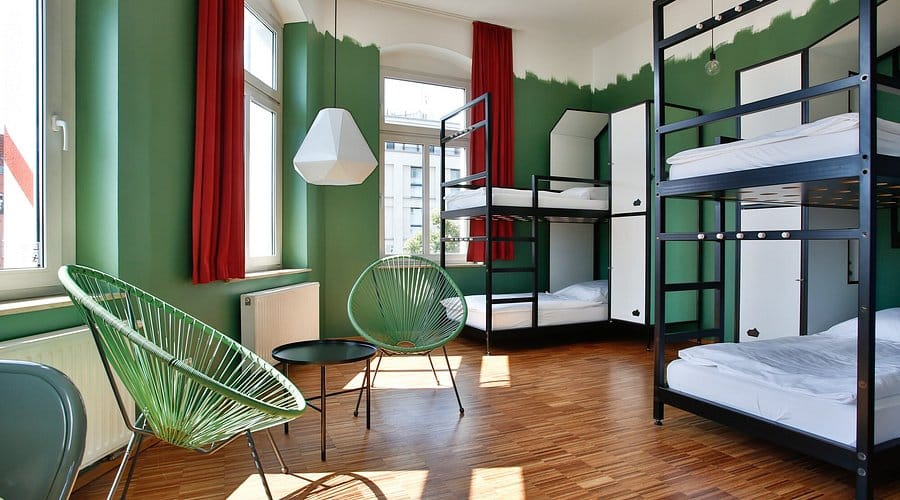
- Piece Hostel Sanjo: Modern design, central location, from ¥8,500
- Kyoto Hana Hotel: Traditional atmosphere, Gion area, from ¥12,000
Mid-Range (¥15,000-¥30,000/night):
- Hotel Kanra Kyoto: Contemporary ryokan experience, from ¥25,000
- Mitsui Garden Hotel Kyoto Sanjo: Rooftop onsen, excellent location, from ¥22,000
Luxury (¥30,000+/night):
- The Ritz-Carlton Kyoto: Kamo River views, exceptional service, from ¥60,000
- Hoshinoya Kyoto: Accessible only by boat, ultra-exclusive, from ¥80,000
🎭 Beyond the Tourist Trail
Emerging neighborhoods:
- Demachiyanagi: University area with indie cafes and bookstores
- Fushimi: Sake brewery district with tasting rooms
- Kibune: Mountain village north of city with river dining in summer
New openings for 2026:
- Kyoto City KYOCERA Museum of Art renovation completed 2025, expanded galleries
- Umekoji Steam Locomotive Museum expansion with new interactive exhibits
Seasonal highlights:
- Winter: Illuminations at temples (Kiyomizu-dera, Kodai-ji)
- Spring: Cherry blossom viewing parties (hanami) in Maruyama Park
- Summer: Gion Matsuri festival (July), Kamo River dining platforms
- Fall: Moon viewing events (tsukimi) at temples, autumn foliage illuminations
❤️ Final Word
Kyoto remains Japan's cultural soul—a city where every season paints the ancient temples in new colors, where tradition isn't preserved in museums but lived in tea houses and geisha districts. In 2026, with cherry blossoms expected at their peak from late March, there's never been a better time to experience this timeless city.
Want a personalized Kyoto itinerary? Try VoyaBear today for custom plans that match your travel style and interests.
🎫 BOOK YOUR KYOTO EXPERIENCE:
• Kyoto Full-Day Sightseeing Tour